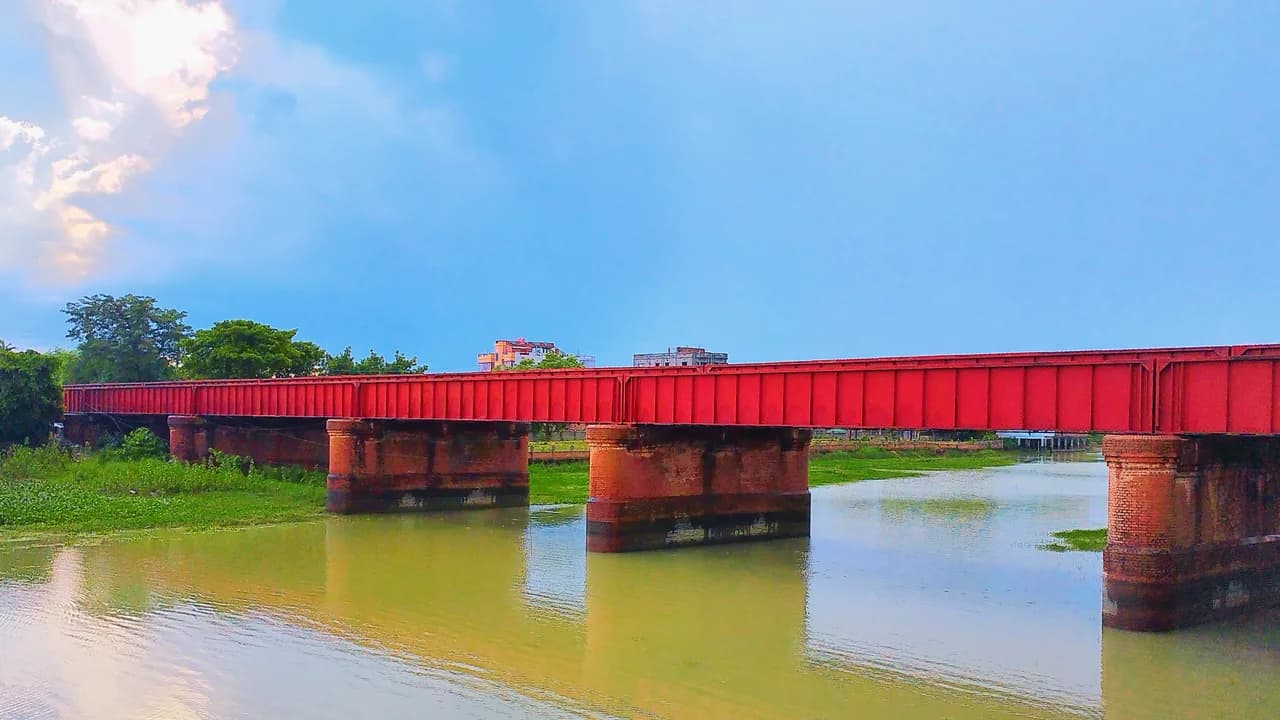
Tucked away in the serene southwestern plains of Bangladesh, Alamdanga Upazila in Chuadanga District offers travelers a peaceful escape into rich history, ancient architecture, and countryside beauty. Beyond the bustling urban hubs of Khulna Division lies a land sculpted by historic waterways like the Kumar and Mathabhanga rivers, dotted with century-old railway infrastructure, centuries-old mosques, and somber memorials honoring the nation’s independence struggle.
Whether you are an avid history enthusiast tracing the footsteps of British-era railway expansion, a cultural explorer interested in traditional rural life, or a traveler looking for a peaceful weekend trip in Chuadanga, Alamdanga delivers a rewarding itinerary. With comfortable accommodation choices available both in Alamdanga town and nearby Chuadanga Sadar, planning a well-structured trip is seamless for families, couples, and independent travelers alike.
Where is Alamdanga
Alamdanga is the northernmost upazila of Chuadanga District in southwestern Bangladesh. It is bounded by Kushtia Sadar and Mirpur Upazilas to the north, Chuadanga Sadar and Jhenaidah to the south, Harinakunda Upazila to the east, and Meherpur District along with Damurhuda Upazila to the west.
Located approximately 230 kilometers southwest of Dhaka by road, Alamdanga benefits from direct rail connections and paved highways. Its position near major regional cities—just 15 to 20 kilometers north of Chuadanga town and roughly 30 kilometers south of Kushtia—makes it an exceptionally convenient stop for regional travel itineraries.
Overview
Alamdanga functions as both a bustling agrarian commercial hub and a historical gateway for Chuadanga District. The town grew around its historic railway junction, established during the British Raj in the mid-19th century. Today, Alamdanga balances its commercial energy—exemplified by one of the largest weekly rural markets in western Bangladesh—with a calm, picturesque countryside characterized by expansive green fields, quiet riverbanks, and historic hamlets.
Travelers visiting Alamdanga experience an authentic slice of rural Bengal where life moves in harmony with agricultural seasons. From morning boat rides along the gentle currents of the Kumar River to quiet walks among ancient red-brick structures, Alamdanga offers visitors an opportunity to connect with regional heritage at an easygoing pace.
History and Background
The history of Alamdanga is tied to river trade, colonial transport expansion, and key moments in Bangladesh’s liberation movement. During British rule, the establishment of the Eastern Bengal Railway line in 1862 transformed Alamdanga into a vital trade node connecting Bengal’s interior with Kolkata and Rajshahi. The construction of the iconic red railway bridge over the Kumar River marked a key engineering milestone in western Bengal.
In the 19th century, the surrounding region was also a center of indigo plantation and subsequent farmer resistance during the Indigo Revolt. Centuries earlier, spiritual preachers and Islamic scholars arrived along river channels, laying religious foundations that survive today in structures like the thousand-year-old Gholdari Shahi Mosque.
During the 1971 Liberation War, Alamdanga was a critical site of resistance and sacrifice. The strategic railway bridge and adjacent facilities became centers of military confrontation, leaving behind significant historical landmarks and mass grave complexes that draw visitors paying homage to the country’s heroic past.
Why Visit Alamdanga
Alamdanga stands out among travel destinations in Khulna Division because it combines accessible heritage with unspoiled rural nature:
Living Railway History: Home to the 1862 Alamdanga Lal Bridge, one of the oldest surviving steel railway bridges in the country.
Architectural Heritage: Visitors can explore the Gholdari Shahi Mosque, an ancient structure tracing back over a thousand years.
Liberation War Legacy: Thoughtfully preserved memorial sites like the Alamdanga Boddhovumi and nearby Atkobor offer meaningful insight into Bangladesh’s independence movement.
Authentic Local Culture: The famous Alamdanga Hat offers visitors a look into rural commerce, regional livestock trading, and traditional crafts.
Peaceful River Scenery: The Kumar and Mathabhanga rivers provide lovely settings for photography, boat rides, and evening walks.
Best Time to Visit
The optimal window for visiting Alamdanga and exploring Chuadanga tourism is during the dry winter season, running from November through February.
During these months, temperatures range from a comfortable 12°C to 26°C. The dry winter weather makes outdoor sightseeing, river excursions, and historical site visits pleasant. Early morning winter fogs over the Kumar River create stunning landscapes for photography, while local markets brim with fresh winter produce and traditional date-palm molasses delicacies.
Late autumn (October) and early spring (March) are also good alternatives, offering clear skies and comfortable temperatures before the summer heat sets in.
Weather and Climate
Alamdanga experiences a tropical wet and dry climate with three main seasons:
Winter (November – February): Mild, dry, and pleasant. Nighttime temperatures can occasionally drop to 10°C, making warm layers advisable for evening outings.
Summer (March – May): Warm and dry, with afternoon temperatures frequently reaching 34°C to 38°C. Morning and late-afternoon exploration is best during this time.
Monsoon (June – October): Heavy rainfall refreshes the rural landscape, filling rivers and baors (oxbow lakes). While green vistas are striking, sudden rain showers can disrupt road travel.
How to Reach
Reaching Alamdanga is straightforward due to its position on the main railway line and regional highway network.
By Train
Direct intercity train services connect Dhaka's Kamalapur Railway Station to Alamdanga Railway Station via the Jamuna Bridge and Poradah junction. Express trains like the Chitra Express, Sundarban Express, and Benapole Express operate regularly along this route. Train travel takes roughly 4.5 to 6 hours, offering a comfortable and scenic journey across the countryside.
By Road
Long-distance AC and non-AC bus services run daily from Dhaka’s Gabtoli and Sayedabad bus terminals to Chuadanga Sadar and Alamdanga. Traveling via the Padma Bridge route has significantly reduced journey times to approximately 4 to 5 hours. Frequent regional feeder buses and microbuses operate between Chuadanga Sadar, Kushtia, and Alamdanga town.
Local Transportation
Navigating Alamdanga Upazila and reaching nearby tourist attractions in Alamdanga is simple and budget-friendly:
Auto-Rickshaws and Easy Bikes: Battery-operated auto-rickshaws are the primary mode of transport within Alamdanga town and for short trips to nearby villages.
CNG Auto-Rickshaws & Mahindras: Ideal for inter-village trips or traveling between Alamdanga, Gholdari, and Chuadanga Sadar.
Rental Cars and Microbuses: Private vehicle rentals can be arranged through hotel desks in Chuadanga town for customized day trips.
Bicycles and Walking: Alamdanga town center and the surrounding riverbank promenades are easy to navigate on foot or by bicycle.
Rivers and Natural Landscape
The natural identity of Alamdanga is shaped by its river systems and alluvial plains. The Kumar River winds through the upazila, providing life to agricultural fields and offering scenic water views near Alamdanga town. To the south and west, the Mathabhanga River forms a natural backdrop for rural villages.
In addition to flowing rivers, the upazila features oxbow lakes (baors), low-lying wetlands (beels), and fertile farmlands. During monsoon and post-monsoon months, these water bodies bloom with water lilies, attracting migratory waterfowl in winter and offering peaceful boating opportunities for eco-tourists.
Cultural Heritage
Alamdanga’s cultural landscape reflects the broader traditions of the greater Kushtia-Chuadanga region. Deeply influenced by Baul philosophy, folk music, and riverine folk songs, the local community maintains a warm hospitality rooted in rural Bengali customs.
Storytelling, traditional pottery, bamboo craftsmanship, and artisanal food production—such as hand-pressed date-palm sugar—remain vital elements of everyday heritage across the villages of Alamdanga Upazila.
Historical Landmarks
Alamdanga Lal Bridge (Red Railway Bridge)
Spanning the Kumar River in Alamdanga town, the iconic Lal Bridge is one of the most recognized historical landmarks in Chuadanga District. Built in 1862 under British railway administration, this striking red steel truss bridge continues to serve broad-gauge train traffic over 160 years after its inauguration.
Beyond its industrial design, the bridge carries profound historical memory from the 1971 Liberation War. Pakistani forces used a small service building near the bridge structure as a detention cell. Following the country's independence, mass graves were discovered nearby, giving the site immense historical significance.
Alamdanga Boddhovumi Memorial Complex
Located near the WAPDA boundary wall and Kumar River, the Alamdanga Boddhovumi was officially developed into a memorial complex in 2012. Designed in collaboration with art scholars from Rajshahi University, the complex features memorial walls, sculpted monuments, and sylvan gardens that honor the heroic martyrs of 1971.
Museums
Atkobor Freedom Struggle Museum
Located at the Atkobor Complex in nearby Jagannathpur (easily accessible from Alamdanga via Damurhuda), this specialized museum features a curated gallery of over 200 historical photographs documenting Bangladesh's independence struggle from 1757 to 1971. The complex also houses a research library dedicated to Liberation War history.
Religious and Spiritual Sites
Gholdari Shahi Jame Mosque
Situated in Gholdari village under Ailhash Union, approximately 8 kilometers from Alamdanga town, the Gholdari Shahi Jame Mosque is one of the oldest Islamic architectural treasures in southwestern Bangladesh. Local historical tradition attributes its initial foundation to the early 11th century (around 1006 AD) by the preacher Hazrat Khairul Bashar Omz, prior to the arrival of Bakhtiyar Khilji in Bengal.
The mosque features classic Mughal-style design elements, including thick brick masonry walls, three central domes, four corner minarets, and intricate floral terracotta carvings crafted with lime-and-surki mortar. Beside the mosque lies a large historic pond and the shrine of its founder.
Bondobil Gate Mosque
Located near the Bondobil area close to Alamdanga town center, this mosque serves as a vibrant community center known for its welcoming atmosphere and traditional neighborhood architecture.
Local Lifestyle
Life in Alamdanga moves to the rhythms of agriculture and market days. Early mornings see farmers transporting fresh produce, rice, and sugarcane toward local distribution centers. The evening hours bring residents out to tea stalls along the Kumar Riverbank, where conversation flows over cups of hot ginger tea and local snacks.
Art, Music and Cultural Traditions
Given its proximity to Kushtia—the cultural heartland of Lalon Shah—Alamdanga maintains an active Baul music tradition. Acoustic folk gatherings (Baul Gaan) and spiritual music sessions are common during village fairs, full moon evenings, and seasonal harvest celebrations.
Festivals and Events