

All ArticlesDestination Guide
Atgharia Pabna Travel Guide: Attractions, Handloom & Hotels
N
Nasir Khan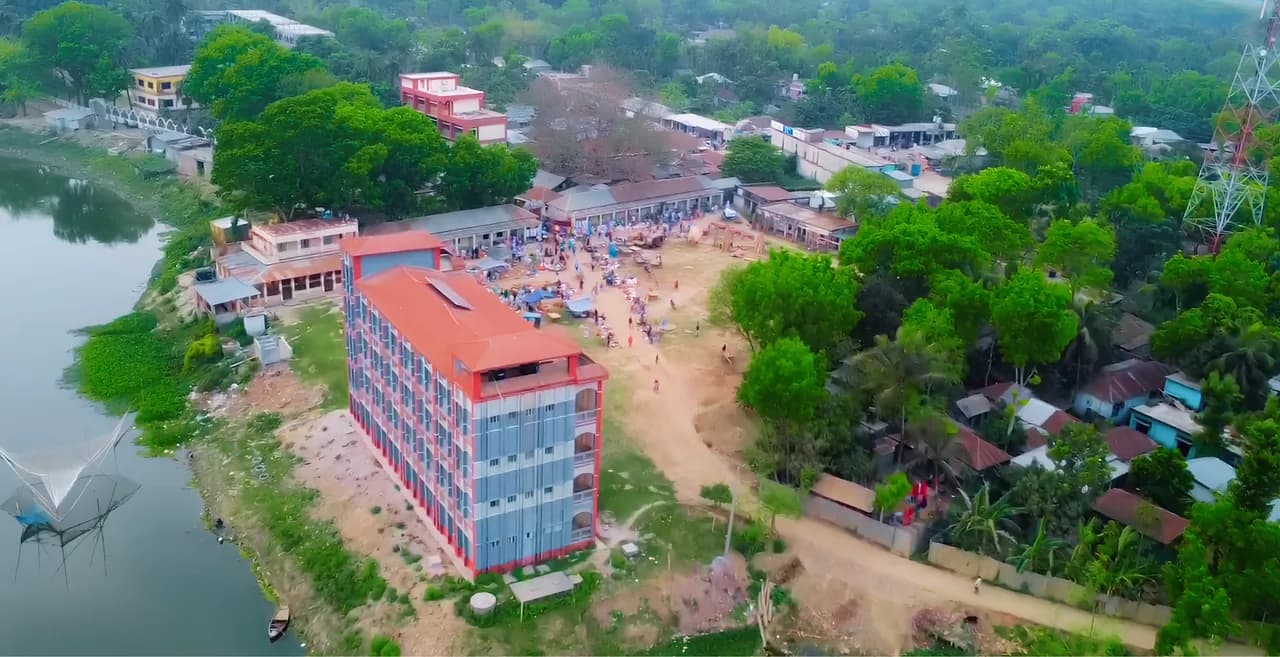
Discover Atgharia Upazila in Pabna. Explore Bil Chotra, Beruyan Mosque, Chachkia handloom villages, Liberation War sites, travel tips & hotel guidance. Photo: mehady on the go
Atgharia Upazila is an administrative and agricultural sub-district situated in the north-central portion of Pabna District within Rajshahi Division, Bangladesh. Positioned approximately 12 to 15 kilometers north of Pabna district headquarters, Atgharia presents a quiet rural landscape defined by alluvial farmlands, seasonal wetland basins, traditional weaving communities, historic religious sites, and significant Liberation War heritage.
Geographically, Atgharia is bordered by Chatmohar and Faridpur upazilas to the north, Pabna Sadar Upazila to the south, Santhia Upazila to the east, and Ishwardi Upazila along with Baraigram Upazila of Natore District to the west. The administrative seat of the upazila is centered at Debottar, which functions as the primary commercial and governmental hub for the surrounding countryside.
While Atgharia is not a commercialized mass-tourism destination, it holds genuine value for travelers interested in regional heritage, rural Bengali village life, traditional handloom production, and seasonal hydrology. This guide offers a factual, field-tested overview of Atgharia’s main points of interest, transportation routes, local food culture, and accommodation options.
Atgharia at a Glance
Administrative Designation: Upazila (Sub-district)
District: Pabna
Division: Rajshahi
Administrative Center: Debottar / Atgharia Town
Key Administrative Unions: Debottar, Chandbha, Majpara, Lakshmipur, Ekdanta
Primary Geography: Flat floodplains, oxbow lakes, seasonal wetlands (bills), and small river channels including tributaries of the Ichamati and Chandrabati
Principal Industries: Agriculture (rice, jute, mustard, wheat), traditional handloom weaving, freshwater fisheries, and local retail trade
Primary Access Point: Connected via regional highway from Pabna Sadar and Ishwardi
Why Visit Atgharia
Atgharia offers travelers a look at the historical, industrial, and ecological fabric of rural Pabna. Visitors to the upazila generally focus on several core experiences:
Historical and Religious Architecture: Exploring old mosques and temples, including the Beruyan Jame Mosque, Mridhar Mosque, and the Gorrori Adi Durga Temple.
Cottage Industry Heritage: Observing traditional pit-loom and frame-loom weaving across the artisan villages of the Chachkia region.
Liberation War History: Paying respects at Banshipara Memorial and Chandrabati Ghat, the site of a notable 1971 battle between Mukti Bahini freedom fighters and occupying forces.
Wetland Landscapes: Experiencing Bil Chotra, an extensive natural wetland that transforms seasonally between a vast water body in the monsoon and cultivated agricultural land during the dry season.
Authentic Rural Atmosphere: Walking through quiet village tracks, visiting weekly markets (hats), and observing traditional agrarian routines.
Places to Visit in Atgharia
Gorrori Adi Durga Temple
Located in Gorrori village within Debottar Union, the Gorrori Adi Durga Temple is an established Hindu sacred site in Atgharia Upazila. The temple is dedicated to Goddess Durga and serves as an important spiritual center for the local Hindu community.
The temple structure features classic regional Bengali brick architecture with simplified facade detailing. While comprehensive written historical records regarding its founding patron and exact construction date are limited, local oral tradition holds that religious worship at this site dates back several generations. The temple remains fully operational, with regular daily prayers and expanded gatherings during the annual Durga Puja festival. Visitors are permitted on the premises, provided they respect local religious customs, remove footwear before entering prayer spaces, and avoid disrupting rituals.
Mridhar Mosque / Shahi Mosque
Situated in the interior of the upazila near the Debottar–Chandbha regional axis, the Mridhar Mosque (also known locally as the Shahi Mosque) is an example of regional Islamic brick architecture.
The structure exhibits classic late-Mughal architectural influences, characterized by thick brick masonry walls, low-domed roof coverage, and pointed arched entryways. Architectural assessments suggest the mosque was constructed during the late 18th or early 19th century, though no readable original foundation plaque remains to establish an exact calendar year. The mosque continues to serve as an active place of daily worship for surrounding villagers. Its quiet location and historic structural framework make it a point of interest for heritage enthusiasts.
Beruyan Jame Mosque
Located in Beruyan village within Chandbha Union, the Beruyan Jame Mosque is one of the most prominent historic Islamic structures in Atgharia Upazila.
The building is a three-domed rectangular mosque constructed from traditional burnt red bricks and lime mortar. Its architectural profile includes a central entrance arch flanked by two smaller side openings, interior mihrab niches in the qibla wall, and low corner turrets. Because no surviving epigraphic inscription exists on the facade, historians estimate its construction period based on structural characteristics, pointing to the late Mughal or early colonial era. The mosque has undergone minor local maintenance over the years to keep it structurally sound and functional. It remains an active congregation site for daily and Friday Jumu'ah prayers.
Bil Chotra
Bil Chotra is a major natural wetland system located in Lakshmipur Union, extending across areas near Bankuri and Hatshuria villages. It represents one of the most significant ecological features of Atgharia Upazila.
During the monsoon season (June to September), Bil Chotra fills with rainwater and overflow from connected regional river channels, expanding into a continuous water surface. During this time, local fishermen use traditional wooden boats and nets to catch indigenous freshwater fish species such as koi, magur, tengra, rui, and katla. In late autumn and winter, the water recedes substantially, leaving behind nutrient-rich silt. Local farmers then convert the dry peripheral basin into productive agricultural fields for cultivating boro rice, mustard, and winter vegetables. Bil Chotra offers scenic rural vistas, particularly during late afternoon hours in late monsoon. Visitors should note that there are no commercial boat rentals or formal tourist facilities at the wetland; arrangements to board a basic fishing boat must be made directly with local fishermen at the water's edge.
Chachkia Handloom Industry
The traditional handloom cluster centered around Chachkia village is the craft engine of Atgharia. Handloom weaving is practiced across a network of interconnected villages including Chachkia, Nagar Chachkia, Chandipasha, Gopalpur, Shaitgacha, Shibpur, and Kadimbagadi.
For generations, weaver families in these villages have operated household-based handlooms and semi-automated power looms. The primary products manufactured here include high-quality cotton lungis, gamchas (traditional towels), saris, and coarse cotton bedsheets (chadors). Walking through the lanes of Chachkia, visitors can hear the rhythm of wooden shuttles operating inside courtyard workshops. While modern industrial competition has impacted smallholders, many artisan families continue the trade. Travelers can observe the yarn dyeing, warping, and weaving processes directly, and in many cases purchase finished woven products straight from the weavers or at nearby local bazaars.
Chandranath Sen Zamindar Bari
Located in Chandbha Union, the Chandranath Sen Zamindar Bari contains the structural remains of an estate established during the British colonial period by local landholder Chandranath Sen.
The site currently consists of dilapidated brick foundations, broken archways, and partial wall sections heavily overgrown with wild vegetation. No fully restored palace or grand manor remains today. Despite its ruined state, the site offers tangible historical evidence of the zamindari land-tenure system that shaped the economy and social structure of Pabna District through the 19th and early 20th centuries. Visitors can walk around the open exterior grounds. Because the ruins are unmaintained and located on land near private residences, visitors should move carefully and respect the privacy of nearby villagers.
Banshipara Memorial and Chandrabati Ghat
Located at Khidirpur village in Banshipara, situated within Majpara Union along the banks of the Chandrabati stream, this site is a historically significant Liberation War location in Atgharia Upazila.
On 6 November 1971, a fierce battle took place at Chandrabati Ghat between local Mukti Bahini freedom fighters and the occupying Pakistani military forces. Local fighters mounted strong resistance to protect the surrounding rural territory, resulting in casualties among both combatants and local civilians. To honor the sacrifice of the fallen fighters, a memorial monument (Banshipara Smritisoudho) was constructed near the ghat. The site serves as a memorial space, particularly during national observances such as Independence Day and Victory Day. The serene riverside setting combined with its wartime history makes it a reflective destination for visitors studying Bangladesh's independence movement.
History and Heritage
Atgharia’s documented history is closely linked with the broader historical development of the Varendra region and Pabna District. Historically, the area formed part of the administrative territories governed by local zamindars under the Bengal Presidency during the British colonial era. Agriculture and riverine trade served as the backbone of the local economy.
During the 1971 Liberation War, Atgharia played an active role as a staging ground and battle zone for freedom fighters operating in the Pabna sector. The battle at Chandrabati Ghat in Banshipara on 6 November 1971 stands out as a documented military engagement in the upazila, reflecting the local population's resistance against occupying forces.
Beyond documented records, local oral traditions provide color to the area's heritage. Stories surrounding the ancient foundations of Gorrori Adi Durga Temple and the lineage of Chandranath Sen have passed down through generations. When exploring Atgharia, it is helpful to distinguish between documented historical facts—such as battle dates and structural architectural styles—and regional folklore maintained by local village elders.
Nature, Wetlands and Rural Landscapes
The physical geography of Atgharia is characterized by flat, fertile alluvial soil deposited by regional water networks over centuries. The landscape shifts dramatically across the four seasons:
Monsoon (June to September): Low-lying depressions fill rapidly, turning areas around Bil Chotra into large liquid expanses. Field borders blur, and green vegetation covers the banks.
Autumn (October to November): Floodwaters recede, leaving clear skies, blooming kashful (pampas grass) along canal banks, and active fishing activity in remaining pools.
Winter (December to February): Bright yellow mustard fields bloom across rural unions like Debottar and Lakshmipur, accompanied by cool, dry weather ideal for outdoor exploration.
Spring and Summer (March to May): Land turns toward intensive rice harvesting and pre-monsoon field preparation under warmer weather conditions.
Small canals and tributaries connected to the Ichamati River snake through the upazila, offering picturesque countryside views along unpaved village roads and embankments.
Local Culture and Food
Local culture in Atgharia is rooted in agrarian routines, village cooperation, and traditional craft manufacturing. The weekly village market, known locally as a hat, serves as both an economic clearinghouse and a central social gathering place. Major bazaars operate regularly at Debottar, Chandbha, and Atgharia town.
Food culture in Atgharia is straightforward, wholesome, and focused on fresh local agricultural ingredients:
Freshwater Fish Dishes: Due to the presence of Bil Chotra and regional streams, local eateries serve fresh catches including koi, shing, magur, tengra, rui, and shol, typically prepared in light mustard or tomato-based gravies (machher jhol).
Rice and Vegetables: Standard daytime meals consist of steamed white rice served with mashed spicy vegetables (bharta), lentils (dal), and seasonal greens.
Snacks and Street Food: Market stalls at Debottar and Atgharia Bazar prepare fresh afternoon snacks such as singara, puri, chana chur, and fuchka.
Sweets: While Atgharia does not claim a nationally unique signature dessert, it benefits from its close proximity to Pabna town, famous for high-quality regional sweet doi (sweet yogurt), rashogolla, and chhanar sweetmeats, which are widely available in local sweet shops across the upazila.
Things to Do in Atgharia
Tour the Handloom Workshops in Chachkia: Spend a morning walking through Chachkia and Nagar Chachkia. Observe the weaving process on traditional looms and purchase lungis or towels directly from local weavers.
Explore Historic Mosques and Temples: Take a half-day heritage drive to visit Beruyan Jame Mosque, Mridhar Mosque, and Gorrori Adi Durga Temple to examine their architectural styles.
Visit Bil Chotra at Sunset: Head to Lakshmipur Union in the late afternoon during September or October. Hire a local wooden fishing boat for an hour to enjoy the water landscape.
Pay Homage at Banshipara Memorial: Visit Chandrabati Ghat at Khidirpur to reflect on the events of the 1971 Liberation War at the memorial site.
Experience a Local Weekly Hat: Visit Debottar Bazaar or Chandbha Bazaar on market days to experience the sights, sounds, and local produce trade of rural Pabna.
Where to Stay in Atgharia
Atgharia is a small, predominantly rural upazila situated only 12 to 15 kilometers from Pabna district headquarters (Pabna Sadar). Because of this short commuting distance, the vast majority of commercial visitors, tourists, and official guests choose to stay in modern hotels located in Pabna town and visit Atgharia on day trips.
Within the physical administrative boundaries of Atgharia Upazila, commercial hotel options are limited. Below is the verified public accommodation situated within Atgharia:
Atgharia Upazila Parishad Dak Bungalow
Location: Atgharia Upazila Parishad Complex, Debottar, Atgharia Upazila, Pabna District.
Nearby Attractions: Situated within the main administrative district in Debottar, providing convenient access to Gorrori Adi Durga Temple, Mridhar Mosque, and nearby handloom villages.
Verified Facilities: Basic furnished accommodation rooms, attached bathrooms, fan/utility services, dining hall space, and a secure compound within the official government premises.
Best Suited For: Government officials, researchers, development workers, and budget travelers holding official clearance.
Why Travelers May Consider It: It is the primary official public accommodation facility operating directly inside Atgharia Upazila.
Important Booking Note: Public travelers cannot book this facility through commercial online travel engines. Permission to stay must be obtained in advance by submitting a formal request or contacting the office of the Upazila Nirbahi Officer (UNO) or the Upazila Parishad office in Atgharia.
In addition to the government rest house, basic local commercial boarding rooms exist around Atgharia Bazar and Debottar Bazar. These unbranded establishments provide minimal amenities (simple bed, shared or basic attached bathroom) and cater primarily to visiting local traders.
Map Search Tips for Travelers
Navigating to accommodation and official landmarks in rural upazilas can present digital challenges. The following navigation guidelines apply specifically to Atgharia:
Properties with Independent Map Markers: Major official hubs, such as the Atgharia Upazila Parishad administrative compound and primary points like Debottar Bazar, possess clear, identifiable markers on Google Maps. Travelers navigating to administrative locations can search these names directly on digital maps.
Government Accommodation Without Commercial Markers: The Atgharia Upazila Parishad Dak Bungalow does not maintain a standalone commercial business marker on Google Maps. Travelers should search for Atgharia Upazila Parishad or Debottar on Google Maps. Once you arrive at the main administrative complex gate in Debottar, locate the rest house building inside the official government compound.
Local Facilities with Limited Online Footprint: Small commercial boarding houses near Atgharia Bazar or Debottar Bazar have little to no online presence or digital map listings. Travelers seeking local lodging upon arrival should navigate to Debottar Bazar or Atgharia Bus Stand and ask local shopkeepers or CNG auto-rickshaw operators for direct local guidance.
How to Choose Where to Stay
When planning an overnight visit to explore Atgharia, evaluate your lodging selection based on your specific requirements:
Staying Inside Atgharia (Debottar): Best suited for official government visitors, academic field researchers, or travelers who have secured prior reservation approval at the Atgharia Upazila Parishad Dak Bungalow. This keeps you directly inside the upazila center.
Staying in Nearby Pabna Sadar (Recommended for General Tourists): Because Pabna Sadar town is only a 20 to 30-minute drive away from Debottar, general tourists, families, and leisure travelers are strongly advised to secure accommodation in Pabna town. Pabna Sadar offers a wide selection of commercial residential hotels, air-conditioned rooms, full-service restaurants, secure parking, and 24-hour urban conveniences.
Getting to Atgharia
From Dhaka
By Bus: Take a direct highway bus from Dhaka (leaving from Kalyanpur, Gabtoli, or Shyamoli bus terminals) bound for Pabna Sadar via the Padma Bridge or Jamuna Bridge route. Key bus operators include Shyamoli Paribahan, Pabna Express, and C-Line. Get off at Pabna Central Bus Terminal or Gachpara in Pabna Sadar.
Transfer to Atgharia: From Pabna Sadar, take a local CNG auto-rickshaw, human hauler (leguna), or local bus heading north along the Pabna–Atgharia road directly to Debottar Bazaar (approx. 12–15 km, taking 25–35 minutes).
From Ishwardi
By Local Road Transport: From Ishwardi town or Ishwardi Railway Junction, travelers can hire a private CNG auto-rickshaw or take local buses heading east/northeast toward Atgharia via regional roads. The drive takes approximately 35 to 45 minutes depending on road conditions.
From Pabna Sadar Town
The journey from central Pabna town to Debottar (Atgharia HQ) is fast and frequent. CNG auto-rickshaws operate continuously from the Pabna CNG stand toward Debottar and Atgharia Bazar throughout the day.
Getting Around Atgharia
Navigating within Atgharia Upazila relies on regional local transport:
CNG Auto-Rickshaws: The most reliable mode of transport for travelling between unions (e.g., from Debottar to Chandbha or Majpara). They can be reserved for private hire by the day or hour.
Battery-Operated Auto-Rickshaws (Tomtoms): Ideal for short journeys between local bazaars and nearby villages, such as traveling from Debottar to Chachkia or Gorrori.
Cycle Rickshaws: Readily available at all major union bazaars for slow-paced travel within village interior paths.
Private Cars / Motorcycles: Renting a vehicle or motorcycle in Pabna Sadar provides maximum flexibility when visiting multiple spread-out sites such as Bil Chotra, Banshipara, and Beruyan Mosque in a single day.
Best Time to Visit Atgharia
The recommended time to visit Atgharia depends on what you want to experience:
Late Monsoon to Early Autumn (August to October): This is the optimal window for experiencing Bil Chotra at full water capacity. The surrounding countryside is vibrant green, rivers are full, and boat rides across the wetlands are possible.
Winter Season (November to February): The best overall period for heritage exploration, visiting weaving villages, and general sightseeing. Temperatures are mild and comfortable (12°C to 25°C), rainfall is minimal, and rural roads are completely dry and easily navigable.
Spring (March to April): A pleasant time to visit mustard and rice agricultural fields, though daytime temperatures begin to rise.
Suggested Trip Duration
Half-Day Excursion (3 to 4 Hours): Ideal for travelers staying in Pabna Sadar. You can comfortably drive to Atgharia, visit the Chachkia handloom weavers, explore Beruyan Jame Mosque, and stop by Banshipara Memorial before returning to Pabna town for lunch or dinner.
Full-Day Itinerary (6 to 8 Hours): Highly recommended for a complete experience. A full day allows you to visit Gorrori Adi Durga Temple, Mridhar Mosque, Chandranath Sen Zamindar Bari ruins, explore the Chachkia weaving cluster, take a late afternoon boat trip at Bil Chotra, and sample local street snacks at Debottar Bazaar.
Practical Travel Tips
Currency and Cash: Carry sufficient Bangladesh Taka (BDT) in cash. While mobile financial services (Bkash, Nagad) are widely used, digital card payments are not accepted at village bazaars, local eateries, or handloom workshops. ATM access inside rural unions is limited.
Modest Dress Code: Atgharia is a traditional rural sub-district. Visitors should dress modestly—covering shoulders and knees—especially when visiting active religious spaces such as Beruyan Jame Mosque or Gorrori Adi Durga Temple.
Photography Etiquette: Always ask for permission before photographing artisans at work inside private homestead weaving workshops in Chachkia, or before taking portraits of village residents.
Return Travel Planning: If relying on shared public CNG auto-rickshaws to return to Pabna Sadar, plan to leave rural unions and head back to Debottar Bazaar before dusk (around 6:00 PM), as public transport frequency decreases significantly after dark.
Seasonal Protection: If visiting Bil Chotra during monsoon or early autumn, bring adequate sun protection, an umbrella, and lightweight waterproof footwear suitable for muddy village tracks.
Frequently Asked Questions
Is Atgharia safe for independent travelers?
Yes. Atgharia is a peaceful, welcoming rural upazila with low crime rates. Local residents are helpful toward visitors. Standard travel precautions apply: keep personal belongings secure, avoid travelling through unlit rural interior tracks late at night, and respect local social norms.
Can tourists stay overnight inside Atgharia Upazila?
Government officials, researchers, and authorized travelers can stay at the Atgharia Upazila Parishad Dak Bungalow in Debottar upon securing prior official permission from the Upazila administration. General tourists usually choose to stay in nearby Pabna Sadar town, which is a short 20 to 30-minute drive away and offers modern commercial hotels.
How far is Atgharia from Pabna town?
Atgharia’s administrative center at Debottar is located approximately 12 to 15 kilometers north of central Pabna Sadar town. The distance can be covered in 25 to 35 minutes via CNG auto-rickshaw or private vehicle.
Can I buy handloom products directly from weavers in Chachkia?
Yes. Many weaver households in Chachkia and Nagar Chachkia are willing to sell lungis, gamchas, and coarse cotton sheets directly to visitors. Buying directly from artisan homesteads supports the local village economy.
Are there good dining options in Atgharia?
Debottar Bazaar and Atgharia town feature several clean local Bengali eateries serving fresh rice, fish curry, lentils, and vegetable dishes. For formal or fine-dining restaurant options, travelers typically head into nearby Pabna Sadar town.
Conclusion
Atgharia Upazila offers an authentic look into the rural heritage, cottage industry, and natural environment of Pabna District. From the historical architecture of Beruyan Jame Mosque and Gorrori Adi Durga Temple to the solemn Liberation War battleground at Banshipara Memorial, Atgharia presents deep historical roots. Coupled with the traditional weaving heritage of Chachkia and the seasonal waters of Bil Chotra, this quiet sub-district provides a rewarding experience for travelers looking to explore Bangladesh beyond its major urban centers.
Until your next adventure.
— Resortian
▶Watch Video
About the Author
Nasir Khan
Travel Editor
I’m Nasir Khan, sharing travel stories and destinations around Bangladesh. My blog covers places to visit, experiences, and travel inspiration. Explore Bangladesh one journey at a time with me.