

All ArticlesDestination Guide
Atrai, Naogaon Travel Guide: Patisar, Stays & Sights
N
Nasir Khan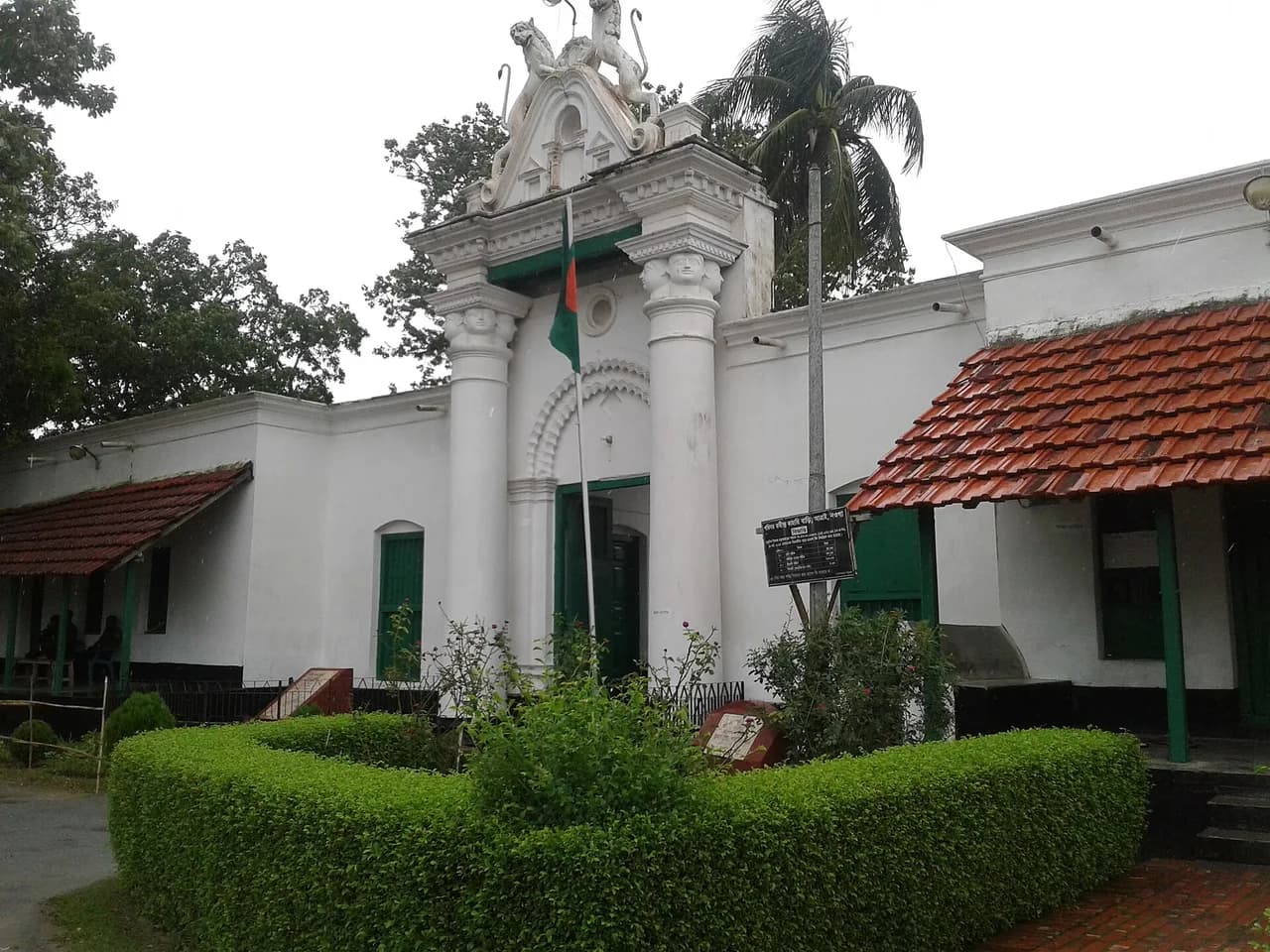
Explore Atrai, Naogaon with this guide to Patisar Rabindra Kacharibari, Atrai River, transport routes, and verified local accommodation. Photo: MUHTASIM BILLAH MARUF
Atrai Upazila is an administrative and agricultural sub-district situated in the southern region of Naogaon District, within the Rajshahi Division of northwestern Bangladesh. Positioned along the banks of the Atrai River, approximately 30 kilometers south of Naogaon town, the upazila is widely recognized for its literary heritage, riverine geography, and agrarian communities. Atrai holds significant national cultural importance as the site of Patisar, home to the historic estate (Kacharibari) of Nobel laureate poet Rabindranath Tagore, who managed his family's zamindari lands here and implemented notable rural development initiatives in the early twentieth century. Beyond its Tagorean heritage, Atrai features extensive floodplain agriculture, seasonal wetlands linked to the northern Chalan Beel hydro-system, and transport links dating back to the British colonial rail expansion. Visitors to Atrai can expect a focused cultural and historical travel experience centered around literary monuments, peaceful river vistas, and traditional rural life, making it a valuable destination for heritage enthusiasts exploring northwestern Bangladesh.
Atrai at a Glance
Upazila: Atrai
District: Naogaon
Division: Rajshahi
Country: Bangladesh
Administrative Units: 8 Union Parishads (Ahsanganj, Panchupur, Kalikapur, Maniari, Bisha, Hatkalupara, Bandaikhara, and Nagor/Patisar area)
Major Waterways: Atrai River, Nagor River, and seasonal wetland channels
Regional Distance: Approximately 30 kilometers south of Naogaon Sadar
Key Transport Hub: Ahsanganj Railway Station, located on the broad-gauge northern rail line
Recorded Population: 183,970 inhabitants according to the official 2011 Population and Housing Census of Bangladesh
History and Local Heritage of Atrai
The documented history of Atrai is closely tied to the hydrology of the Atrai River, which historically served as a major inland trade route connecting northern Bengal with southern river systems. During the British colonial period, the area developed as an important agricultural trading point for rice, jute, and freshwater fish. The construction of the broad-gauge railway line through Ahsanganj in the late nineteenth and early twentieth centuries further solidified Atrai's role as a regional transport node.
Atrai is also associated with early social reform movements and national history. In 1923, following devastating floods across northern Bengal, Mahatma Gandhi visited Atrai to inspect relief operations organized by local volunteers and social leaders, an event commemorated in local historical records. During the 1971 Bangladesh Liberation War, Atrai was a site of active resistance. Local freedom fighters utilized the river networks and railway corridors to counter occupation forces, and several mass grave sites (Baddhya Bhumi) near the Atrai River and Ahsanganj rail bridge remain as documented memorials of the conflict.
Local oral tradition suggests that the upazila takes its name directly from the ancient Atrai River, which has shaped the geography, settlement patterns, and soil fertility of the region for centuries.
Patisar and Rabindranath Tagore Heritage
Patisar, located in the southeastern portion of Atrai Upazila, represents one of the most culturally significant Tagorean heritage sites in South Asia. Patisar was the administrative center of the Kaligram estate, one of three principal zamindari estates owned by the Tagore family in Bengal (alongside Shelaidaha in Kushtia and Shahjadpur in Sirajganj).
Rabindranath Tagore first visited Patisar in 1891 and maintained a direct personal connection with the estate until his final visit in 1937. Unlike traditional landholders, Tagore used his time in Patisar to introduce pioneering social and economic reforms. Following his receipt of the Nobel Prize in Literature in 1913, Tagore deposited a significant portion of his prize money into the Patisar Krishi Bank (Agricultural Bank), establishing an early micro-credit system designed to free local peasant farmers from the high interest rates of moneylenders. He also established the Rathindranath High School in 1913, set up charitable medical dispensaries, and created primary schools throughout the estate's villages.
Patisar Rabindra Kacharibari
What it is: A two-story brick mansion complex that served as the administrative headquarters of the Tagore family's Kaligram estate, now preserved as a national cultural monument under the Department of Archaeology.
Location: Patisar village, Nagor Union, approximately 12 kilometers southeast of Atrai town.
What visitors can see: The preserved building houses a museum featuring Tagore's study room, dining hall, original wooden furniture, personal letters, rare photographs, and literary manuscripts created during his stays. A notable exhibit includes the preserved motor from Tagore's speedboat (Padma), which he used to navigate the local river network.
What visitors can do: Explore the architectural complex, view historic artifacts and photographs, walk through the estate gardens, and visit the adjacent Rathindranath High School and historic pond (dighi).
Visit duration: 2 to 3 hours.
How to reach: Reached via CNG auto-rickshaw or private vehicle from Ahsanganj Railway Station or Atrai town along paved regional roads.
Practical considerations: The museum is managed by the Department of Archaeology. Opening hours generally run from morning to late afternoon, with a weekly closure on Sundays and a half-day closure on Mondays, following standard government museum schedules in Bangladesh.
Notable Sights and Places to Visit in Atrai
Ahsanganj Railway Station and Atrai Town Market
Ahsanganj serves as the primary commercial and transport center of Atrai Upazila.
What it is: A historic broad-gauge railway station and adjacent rural commercial market situated along the main northern rail line.
Location: Central Atrai town.
Visitor significance: Demonstrates the historical rail heritage of northern Bangladesh and serves as the main transit node for travelers arriving in the upazila.
What to see and do: Observe daily rail activity, explore traditional market stalls selling seasonal agricultural produce, and access local transport heading toward Patisar.
Visit duration: 30 minutes to 1 hour.
How to reach: Located in the center of Atrai town, easily accessible on foot or by cycle rickshaw.
Gandhi Ashram and Relief Memorial Site
Atrai contains historical markers commemorating Mahatma Gandhi's visit to the region during the 1923 flood crisis.
What it is: A historical memorial location associated with social reform and flood relief activities in the early twentieth century.
Location: Near the central upazila administrative area.
Visitor significance: Marks an important point in regional social history during the anti-colonial period.
What to see: Historical memorial plaques and local documentary displays detailing the 1923 relief operations.
Visit duration: 30 to 45 minutes.
How to reach: Located near Atrai town center, accessible via Easy Bike or cycle rickshaw.
Rivers, Wetlands, and Natural Landscapes
Atrai River Corridor
The Atrai River flows directly through the upazila, providing a central natural axis for the surrounding agricultural landscape.
Physical characteristics: A perennial river featuring seasonal volume fluctuations, silt riverbanks, and traditional fishing communities.
Visitor experience: Visitors can walk along the river embankments near Ahsanganj, observe traditional wooden fishing boats (traulers), and view open floodplain vistas.
Seasonal factors: During the monsoon months (July to October), the river rises significantly, expanding water channels. In the dry winter months (November to February), water levels recede, exposing sandy riverbeds used for seasonal crop cultivation.
Safety precautions: Visitors should exercise care along unpaved riverbanks and refrain from swimming in deep river channels.
Southern Beels and Chalan Beel Fringe
The southern unions of Atrai Upazila, including Hatkalupara and Bisha, border the northern fringes of the Chalan Beel wetland complex.
Landscape features: Extensive low-lying wetland basins (beels) that transform into vast water bodies during the monsoon season and revert to fertile rice paddies during the dry season.
Visitor access: Seasonal boat travel is possible during post-monsoon months from local river landings. Access during winter is primarily by unpaved rural tracks and Easy Bikes.
Cultural, Religious, and Memorial Sites
1971 Liberation War Mass Grave Memorial (Atrai Baddhya Bhumi)
What it is: A historic memorial site commemorating civilians and local resistance fighters killed during the 1971 war.
Location: Near the Atrai River embankment and Ahsanganj railway bridge corridor.
Visitor significance: Offers a quiet, reflective location highlighting the region's contribution to national independence.
Etiquette: Visitors should maintain respectful behavior while visiting memorial grounds.
Travel Routes to Atrai from Naogaon Town
Atrai is situated approximately 30 kilometers south of Naogaon town, making travel between the two locations straightforward.
By CNG Auto-Rickshaw / Easy Bike: Direct shared and private CNG auto-rickshaws operate regularly from Naogaon Sadar (Baludanga or Main Bus Terminal) to Atrai town via Raninagar. Travel time is approximately 1 to 1.5 hours depending on road conditions.
By Train: Local commuter and intercity trains operating on the Santahar-Rajshahi route run between Santahar/Naogaon area and Ahsanganj Railway Station in Atrai, with a rail travel time of roughly 30 to 45 minutes.
By Private Car or Motorcycle: Travelers can take the paved regional road heading south from Naogaon town through Raninagar Upazila directly to Atrai.
Travelling to Atrai from Dhaka
Travelers coming from Dhaka have both road and rail options to reach Atrai.
By Intercity Train: Direct broad-gauge intercity trains (such as the Nilsagar Express, Ekota Express, or Drutojan Express operating from Dhaka's Kamalapur Railway Station toward northern destinations) stop at Ahsanganj Railway Station or nearby Santahar Junction. The train journey takes approximately 6 to 7 hours. Travelers should verify current schedules with Bangladesh Railway prior to departure.
By Highway Bus: Intercity buses operate daily from Dhaka terminals (Gabtoli, Kalyanpur, Mohakhali) to Naogaon Sadar or Santahar. From Naogaon Sadar, travelers transfer to local CNG auto-rickshaws or trains to complete the journey to Atrai.
Regional Access from Nearby Districts
From Rajshahi: Direct intercity and commuter trains run regularly between Rajshahi Railway Station and Ahsanganj Railway Station, taking approximately 1.5 to 2 hours.
From Bogura: Travelers can take regional road transport via Natore or Naogaon Sadar, or travel by train via Santahar Junction to reach Ahsanganj.
From Natore: Road transport connects northern Natore Upazilas (such as Singra) to Atrai via regional feeder roads across the wetland borders.
Local Transportation in Atrai
Moving around Atrai Upazila relies on several practical modes of local transport.
CNG Auto-Rickshaws: Readily available at Ahsanganj Railway Station and Atrai town stands for journeys to Patisar and surrounding unions.
Electric Auto-Rickshaws (Easy Bikes): Suitable for short trips within Atrai town center and nearby village roads.
Cycle Rickshaws: Common for short transfers between the railway station, local markets, and administrative offices.
Wooden Engine Boats (Traulers): Used during the monsoon season for crossing the Atrai River or visiting wetland areas near southern union borders.
Accommodation Options in Atrai Upazila
If you are coordinating travel plans for Atrai, Naogaon, it is very important to understand the local geography and infrastructure before your arrival. Atrai Upazila functions as a vital agricultural heartland, riverine transit layout, and major literary heritage corridor within the Rajshahi Division. It is most famous across Bangladesh for hosting the historic Rabindra Kachharibari at Patisar—the ancestral estate where Nobel laureate Rabindranath Tagore spent extensive time managing his zamindari and writing multiple seminal works—alongside the scenic paths of the Atrai River and vast beel wetland networks. Because its sub-district center is configured around agricultural trade, rural farming markets, and heritage day-trips rather than heavy urban commerce, there are no multi-story private commercial star hotels or luxury resorts operating right within the immediate Atrai upazila boundaries. The internal options are strictly limited to official government rest complexes and basic marketplace transit boards.
Basing yourself directly inside Atrai town or near Patisar is highly practical if your main goal is executing deep historical research on Tagore’s heritage, managing local NGO development projects, or launching early morning boat treks onto the river channels. However, if your travel plans require updated urban comforts like reliable air conditioning, modern elevators, multi-cuisine restaurants, or secure private garages, the standard practice for travelers is to stay in central Naogaon Sadar (Town) or utilize the hospitality grid in neighboring Natór Sadar, both of which sit within a comfortable driving radius via smooth paved highway and direct rail networks. Choosing a base in a nearby central town allows you to smoothly execute day-trips to the historical sites by day while returning to robust town comforts, automatic backup power generator grids, and secure parking at night. Every physically available option within the upazila and serving its transit tracks has been double-checked and organized below across its relevant tier.
Recommended Private Commercial Hotels in Nearby Central Hubs
Hotel Plaza (Naogaon Sadar Core)
Location: Conveniently positioned right inside a multi-story building along the primary commercial avenue near the central Naogaon Sadar Core, providing a reliable modern urban launchpad for exploring the neighboring upazilas.
Nearby Attractions: Central Naogaon marketplaces, municipal park zones, local administrative complexes, and direct public transit routes heading south toward the Atrai highway and rail loops.
Best Suited For: Heritage tourists, corporate officials, family vacationers, independent regional researchers, and premium travelers wanting a top-tier modern city base near Atrai.
Verified Room Categories: Executive AC Deluxe Rooms, Standard AC Twin Sharing Units, and budget-friendly Non-AC Standard spaces.
Dining Facilities: Features an on-site dining space preparing traditional local platters, fresh freshwater fish curries, and standard subcontinental breakfast setups.
Parking & Security: Monitored vehicle parking space managed safely inside the property perimeters under continuous staff observation and active guard surveillance.
Family Friendliness: Highly rated as a clean, well-maintained commercial building in town, making it exceptionally safe and comfortable for family units.
Why Travelers Choose It: It stands as a prominent private commercial hotel choice in the district center, praised for its excellent cleanliness standards, helpful staff behavior, and highly reliable standby power generator systems.
Hotel Raj residential (Naogaon Sadar Core)
Location: Positioned right inside the core business sector along Main Road within central Naogaon town, offering easy transit connectivity down to the upazila transport stands.
Nearby Attractions: Central town markets, shopping complexes, corporate banking branches, and public transport terminal counter lines.