

All ArticlesDestination Guide
Batiaghata, Khulna Travel Guide: Stays, Resorts & Attractions
N
Nasir Khan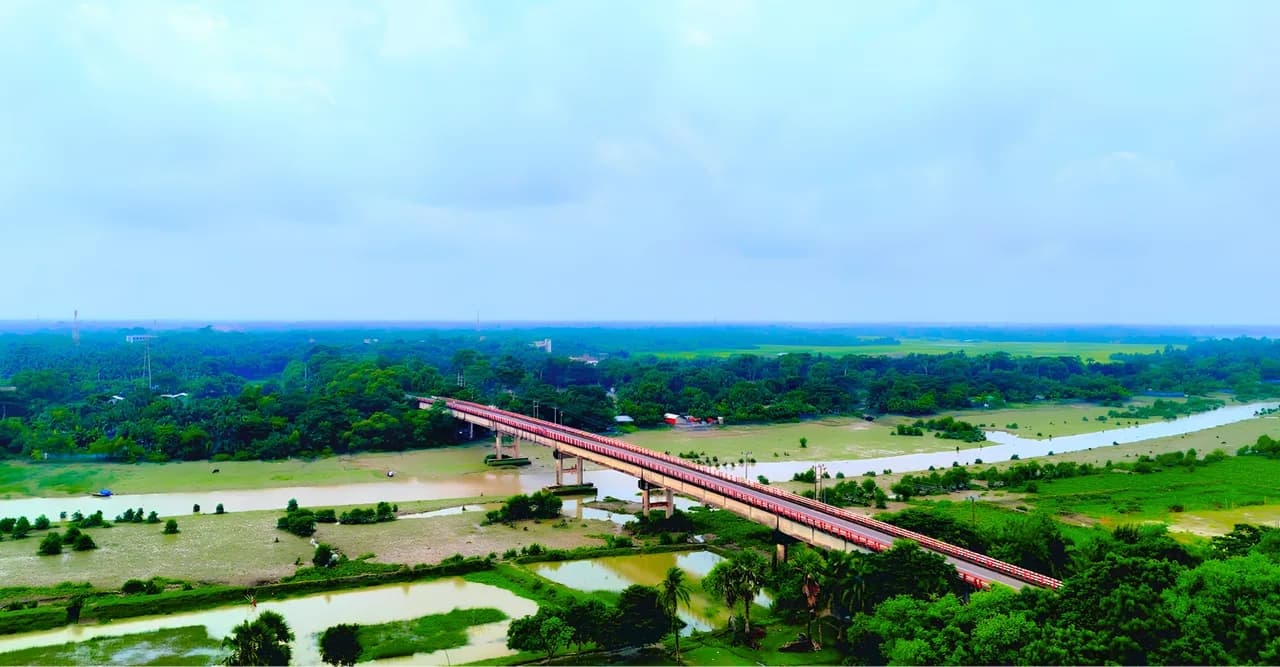
Discover Batiaghata, Khulna. Plan your journey to explore the popular Rana Resort, scenic river banks, local culture, and verified accommodations nearby. Image credit: Green Man
Nestled along the serene waterways of southwestern Bangladesh, Batiaghata Upazila in Khulna District offers travelers an authentic glimpse into the riverine heart of Bengal. Positioned just south of Khulna City, this picturesque upazila is defined by winding rivers, expansive paddy fields, traditional shrimp farms (ghers), and peaceful rural hamlets. Serving as a transitional zone between urban Khulna and the wild mangrove estuaries of the Sundarbans, Batiaghata is an appealing destination for eco-conscious travelers, nature enthusiasts, and weekend wanderers seeking a calm, slow-paced escape.
Whether navigating the quiet waters of the Kazibacha and Bhadra rivers, sampling freshly harvested regional seafood, or exploring agricultural villages where traditions endure, Batiaghata presents a rewarding rural experience. For travelers planning a visit, understanding the regional logistics, seasonal highlights, and verified hotel options in and around Batiaghata ensures a seamless and memorable trip.
Where is Batiaghata
Batiaghata Upazila is located in the central-southern portion of Khulna District, within the Khulna Division of southwestern Bangladesh. It lies immediately south and southwest of Khulna Metropolitan City, making it exceptionally accessible for day trips and short retreats. Batiaghata covers an area of approximately 248.31 square kilometers and is bordered by Khulna Sadar and Sonadanga to the north, Dacope Upazila to the south, Rupsha and Fakirhat to the east, and Dumuria Upazila to the west.
The geography of Batiaghata is dominated by deltaic river systems. The Kazibacha River flows directly through the upazila, bisecting it into eastern and western zones, while the Rupsha, Pasur, and Bhadra rivers frame its surrounding waterways, connecting the sub-district directly toward the Bay of Bengal and the Sundarbans mangrove forest.
Overview
Batiaghata represents the classic riverine landscape of the Gangetic Delta. Characterized by flat alluvial plains, tidally influenced river channels, and extensive networks of wetlands, the area thrives on agriculture and brackish-water aquaculture. Because of its proximity to Khulna City—just 10 to 15 kilometers away—Batiaghata serves as a major agricultural and fisheries supply hub for the metropolitan market while remaining remarkably untouched by heavy industrialization.
Tourism in Batiaghata focuses on eco-tourism, rural exploration, river cruises, and cultural immersion. Visitors come to watch the sun set over wide river bends, travel through lush green village trails, observe traditional fishing practices, and enjoy authentic coastal Bengali hospitality.
History and Background
The history of Batiaghata is tied to the maritime, agrarian, and trade evolution of the Khulna delta. Historically part of the ancient Sundarbans forest tract, the area was gradually reclaimed and settled over centuries through agrarian expansion and riverine trade routes. Local heritage traditions recount that during the late 19th century, the location became an important river landing (ghat) for boats traveling between Khulna and Kolkata. The abundance of Sundari wood oars (known locally as boitha) traded at this river station earned the locality the name Boithaghata, which gradually evolved into the present name Batiaghata.
In 1892, a police outpost was established in Batiaghata during British colonial rule, later being elevated to a full administrative thana and eventually reorganized as an upazila in 1983. Throughout the 20th century, Batiaghata remained a tranquil agricultural belt, retaining its traditional social harmony, rich folk culture, and strong spiritual heritage represented by historic temples, ashrams, and rural mosques.
Why Visit Batiaghata
Batiaghata is ideal for travelers who appreciate nature, authentic rural culture, and off-the-beaten-path destinations. Key reasons to add Batiaghata to your Bangladesh itinerary include:
Tranquil River Landscapes: Enjoy peaceful boat rides along the Kazibacha and Bhadra rivers without the commercial crowds seen in major tourist hubs.
Proximity to Khulna City: Reach idyllic countryside in less than 30 minutes from downtown Khulna hotels.
Gateway to the Coastal Delta: Experience the transition zone where freshwater agricultural plains meet the tidal brackish ecosystems leading toward the Sundarbans.
Agri-Tourism and Aquaculture: See firsthand how local farmers harvest tiger prawns (bagda), freshwater giant prawns (galda), and organic crops.
Warm Rural Hospitality: Interact with friendly village communities, artisan weavers, and river fishermen.
Best Time to Visit
The ideal period to visit Batiaghata is during the dry, cooler months from November to February. During late autumn and winter, daytime temperatures range between 18°C and 26°C, offering pleasant conditions for boat cruises, village walks, and outdoor photography.
The winter season also brings migratory birds to the riverbanks and wetlands, while local markets brim with fresh winter vegetables, date palm sap (khejur ras), and traditional winter pithas. Monsoon season (June to September) transforms the landscape into a vibrant emerald green, but heavy rainfall and high tide levels can occasionally disrupt land transportation and small boat excursions.
Weather and Climate
Batiaghata experiences a tropical monsoon climate characterized by three distinct seasons:
Winter (November to February): Mild, dry, and cool with clear skies and pleasant morning fog along the rivers.
Summer (March to May): Warm to hot, with temperatures reaching 32°C to 36°C, accompanied by occasional afternoon thunderstorms (Kalbaishakhi).
Monsoon (June to October): High humidity and heavy rainfall, bringing high river water levels and revitalizing local wetlands and agricultural fields.
How to Reach
Batiaghata is easily accessible from major hubs across Bangladesh via Khulna City.
Road
Travelers departing from Dhaka can reach Khulna City in approximately 4.5 to 5.5 hours via the Padma Bridge along the N8 highway network. Direct AC and non-AC intercity buses operated by Shohagh Paribahan, Green Line, Hanif Enterprise, and Ena Transport run frequently between Dhaka (Mohakhali, Gabtoli, Sayedabad) and Khulna’s Sonadanga Bus Terminal. From Sonadanga or downtown Khulna, private cars, CNG auto-rickshaws, and motorbike taxis reach Batiaghata Upazila headquarters in 20 to 30 minutes via the Khulna-Batiaghata Highway.
Rail
The nearest major railway terminal is Khulna Railway Station, located roughly 12 kilometers north of Batiaghata town. Daily intercity express trains—including the Sundarban Express, Chitra Express, and Rupsha Express—connect Dhaka (Kamalapur Railway Station) and Rajshahi directly to Khulna. Upon arrival at Khulna Railway Station, travelers can hire private cars or rickshaws to reach local hotels or proceed straight to Batiaghata.
Waterway
Waterways remain an important means of travel throughout the region. Water taxis, engine launches, and traditional wooden boats ply the Kazibacha and Rupsha rivers, providing direct scenic access between various river ghats in Khulna City and rural landings throughout Batiaghata.
Local Transportation
Navigating Batiaghata is straightforward and affordable:
Auto-Rickshaws (CNGs & Easy Bikes): Battery-powered Easy Bikes and CNG auto-rickshaws are the most popular modes of transport for short distances within villages and between union headquarters.
Motorbike Taxis: Readily available at major road intersections (mor) for quick transit along narrow village paved roads.
Engine Boats (Trawler): Wooden motorized boats can be hired at local river ghats for private river excursions, island village visits, and photography trips along the Bhadra and Kazibacha rivers.
Rental Cars: Private microbuses and cars can be hired from Khulna City for full-day guided tours of Batiaghata and surrounding attractions.
Rivers and Wetland Landscape
Water is the defining element of Batiaghata’s identity. The Kazibacha River cuts through the heart of the upazila, providing life-giving irrigation and crucial transport routes. Surrounding estuaries and tidal canals fill and drain with the daily tides, shaping the rhythm of life for local residents.
Extensive wetlands (beels) and low-lying saline aquaculture enclosures (ghers) dominate the southern and western landscape. These water bodies shelter indigenous fish species, water lilies, and resident waterbirds like kingfishers, egrets, and herons, making the area a rewarding haven for eco-tourists and nature photography.
Sundarbans Connection
While Batiaghata Upazila lies just north of the formal Sundarbans Reserve Forest boundary (which primarily falls within neighboring Dacope, Koyra, and Mongla), it plays an important role as a gateway region. Travelers journeying south from Khulna toward Sundarbans river entry ports like Dacope or Mongla pass through Batiaghata’s scenic highway and river channels.
The southern union parishads of Batiaghata share micro-climatic and ecological traits with the northern Sundarbans fringe, featuring brackish water flora, tidal mangrove patches along canal banks, and a lifestyle attuned to coastal estuarine environments. Choosing accommodation near Batiaghata or in Khulna City allows travelers to comfortably combine a peaceful rural countryside tour with early-morning departures for Sundarbans day cruises.
Nature and Biodiversity
The ecosystem of Batiaghata bridges freshwater agricultural land and tidal brackish river basins. Flora includes native timber trees such as mahogany, neem, rain tree, and coconut palms, alongside estuarine mangroves like keora and gewa along river banks.
Wild fauna comprises various wetland species, including monitor lizards, otters, fishing cats, and an array of birdlife such as white-throated kingfishers, bronzed-winged jacanas, black kites, and migratory waterfowl during winter. The rivers are home to river dolphins (Irrawaddy and Ganges river dolphins), which are occasionally spotted surfacing in quiet sections of the Kazibacha and Pasur rivers.
Agriculture and Rural Life
Agriculture and fish farming form the economic backbone of Batiaghata. Walking or cycling through village paths reveals scenes of farmers cultivating rice, watermelon, sesame, and winter vegetables.
Batiaghata is widely celebrated for its innovative shrimp and prawn cultivation. Thousands of ghers—shallow converted fields surrounded by raised earthen dykes—are dedicated to farming bagda (tiger shrimp) and galda (giant freshwater prawn). Visiting a local gher in the late afternoon allows travelers to watch farmers feed shrimp, harvest catches using traditional woven bamboo traps, and prepare produce for evening auction at regional wholesale markets.
Local Culture
Life in Batiaghata reflects the warm, hospitable culture of coastal southern Bangladesh. Rural communities are known for their strong neighborly bonds, cooperative agrarian practices, and artistic traditions. Folk music, including Bhatiali (river boatmen songs) and Lalon Geeti, remains deeply woven into local life. Seasonal festivals centered around harvest cycles, winter pitha making, and Bengali New Year (Pohela Boishakh) are celebrated with community gatherings, traditional sports, and village fairs.
Religious and Cultural Heritage
Batiaghata hosts a harmonious blend of Muslim and Hindu communities who have lived together for generations. Historic mosques, ancient Hindu ashrams, family temples, and colonial-era zamindar structures dot the countryside. Religious observances such as Eid, Durga Puja, and Rash Mela are marked by shared community participation, decorative village melas, and traditional sweet-making.
Shopping and Local Markets
Shopping in Batiaghata revolves around traditional village bazaars (haat). These lively markets offer an authentic local experience:
Batiaghata Upazila Bazar: The main commercial hub, packed with fresh river fish, locally grown organic produce, hand-woven goods, and everyday household items.
Jalma & Sholmari Bazaars: Popular road-side markets famous for fresh catches of prawns, crabs, and traditional sweets.
Local Handicrafts: Visitors can purchase handmade Nakshi Kantha (embroidered quilts), bamboo basketry, and coconut-shell crafts directly from rural artisans.
Traditional Food
Food in Batiaghata is fresh, flavorful, and deeply rooted in coastal Bengali culinary traditions. Key specialties to try include:
Chingri Malai Curry & Bhuna: Giant freshwater prawns (galda) or tiger shrimp (bagda) cooked in rich coconut milk or spicy mustard oil gravies.
Freshwater & River Fish: Local delicacies like Parshe, Golda, Rui, Katla, and Bhetki prepared with mustard paste or light tomato broths.
Crab Dishes: Spicy crab curry (Kankra Bhuna) prepared with freshly crushed local spices.
Chui Jhal Meat Dishes: Mutton or beef slow-cooked with thick stalks of Chui Jhal (piper chaba), imparting a signature aromatic spiciness popular across Khulna.
Traditional Sweets: Fresh rasgulla, sandesh, and winter date-palm molasses (khejur gur) sweets from local sweet shops.
Family Travel
Batiaghata is a safe, relaxed destination for family vacations. Children enjoy wide open spaces, boat rides along calm rivers, and visits to eco-parks and agricultural farms where they can learn about nature and food sources. Because Batiaghata is close to Khulna City, families can easily spend the day exploring rural nature spots before returning to comfortable, family-friendly hotel rooms equipped with modern amenities in the evening.
Couples Travel
Couples seeking a quiet, romantic retreat away from busy tourist crowds will appreciate Batiaghata's serene atmosphere. Watching the sunset over the Kazibacha River from a private wooden boat, taking quiet morning strolls along palm-fringed village trails, and staying at eco-resorts near the river banks make for a memorable couple's getaway.
Solo Travel
Solo travelers and backpackers will find Batiaghata safe, affordable, and welcoming. Local residents are helpful and eager to share directions or stories. Solo travelers can navigate the upazila independently using Easy Bikes, photography enthusiasts will find endless visual subjects, and budget-conscious wanderers can enjoy low travel expenses for food and local transit.
Budget Travel
Batiaghata is an exceptional budget destination. Public transport via local buses and shared Easy Bikes costs very little, delicious authentic Bengali meals at local dhabas are inexpensive, and boat rentals shared among travel companions are highly affordable. Budget guest houses in nearby Khulna City provide comfortable, low-cost accommodation options.
Responsible Tourism
To protect Batiaghata’s pristine rural environment and respect local culture, travelers are encouraged to follow responsible tourism guidelines:
Avoid Single-Use Plastics: Carry reusable water bottles and cloth bags. Do not discard plastic waste into rivers, canals, or farm fields.
Respect Local Privacy: Always ask for permission before photographing local villagers, private homes, or religious ceremonies.
Support Local Economy: Buy fresh produce, handicrafts, and meals directly from small village vendors and family-run eateries.
Protect Wildlife: Do not disturb nesting waterbirds, river dolphins, or wild animals along riverbanks.
Dress Modestly: Adhere to respectful conservative attire when visiting rural villages and religious sites.
Safety Tips
Water Safety: Always wear a life jacket when taking boat trips on wide rivers like the Kazibacha or Pasur, especially during high tides or monsoon months.
Insect Protection: Carry effective mosquito repellent and wear light, long-sleeved clothing during evening hours.
Sun Protection: Bring sunscreen, sunglasses, and a wide-brimmed hat for daytime outdoor activities.
Hydration: Drink bottled or purified water.
Emergency Contacts: Keep local police station numbers and national emergency helpline numbers (999) saved on your phone.
Suggested One-Day Itinerary
08:00 AM: Depart from your hotel in Khulna City via private vehicle or Easy Bike toward Batiaghata (approx. 30 minutes).
08:30 AM: Enjoy a traditional breakfast of warm parathas, vegetable bhaji, and tea at a popular local bazaar near Batiaghata town.
09:30 AM: Head to Kazibacha River Ghat and board a private wooden boat for a 2-hour river cruise along the Kazibacha and Bhadra rivers.
12:00 PM: Visit a local village and walk through traditional shrimp ghers (bagda and galda farming).
01:30 PM: Enjoy a authentic Bengali lunch featuring local prawn malai curry and river fish at a reliable restaurant in Batiaghata or along the Khulna bypass highway.
03:00 PM: Visit Sheikh Rasel Eco Park or Rana Resort & Amusement Park for a relaxed afternoon walk and photography.
05:30 PM: Watch the sunset from Khan Jahan Ali (Rupsha) Bridge nearby.
07:00 PM: Return to your hotel in Khulna City for dinner and overnight stay.
Suggested Two-Day Itinerary
Day 1: Rural Discovery & River Exploration
Morning travel from Khulna City to Batiaghata.
Guided walk through rural villages in Jalma or Batiaghata Union.
Scenic boat cruise along the Bhadra and Kazibacha rivers with bird watching.
Authentic seafood lunch at a local spot.
Afternoon visit to local agricultural farms and shrimp ghers.
Sunset watching along the river bank.
Overnight stay at a verified resort or hotel in Khulna / Batiaghata area.
Day 2: Cultural Heritage & Gateway Excursion
Morning breakfast and visit to local morning bazaars to observe river fish auctions.
Short trip toward nearby cultural landmarks (such as Khan Jahan Ali Bridge or Sheikh Rasel Eco Park).
Explore local handicrafts and sample regional Chui Jhal cuisine for lunch.
Afternoon shopping for local organic products and souvenirs.
Evening departure back to Dhaka or your next destination via Khulna transit hubs.
Tourist Attractions
Batiaghata offers a blend of natural riverine spots, agricultural countryside, and eco-parks, while sitting in close proximity to major cultural landmarks in Khulna District.
Attractions Inside Batiaghata
Kazibacha Riverfront & Boat Excursions
Overview: The Kazibacha River is the primary waterbody flowing through Batiaghata, offering expansive views, calm waters, and active fishing scenes.
Why Visit: Ideal for wooden boat rides, watching fishermen cast traditional nets, and seeing scenic sunsets.
Significance: A critical lifeline for regional transport, agriculture, and local fisheries.
Visitor Experience: Peaceful, cool breezes and picturesque river views.
Photography: Outstanding landscape photography, boat portraits, and sunset water reflections.
Best Season: November to March.