

All ArticlesDestination Guide
Bera, Pabna: River Port Heritage, Attractions & Travel Guide
N
Nasir Khan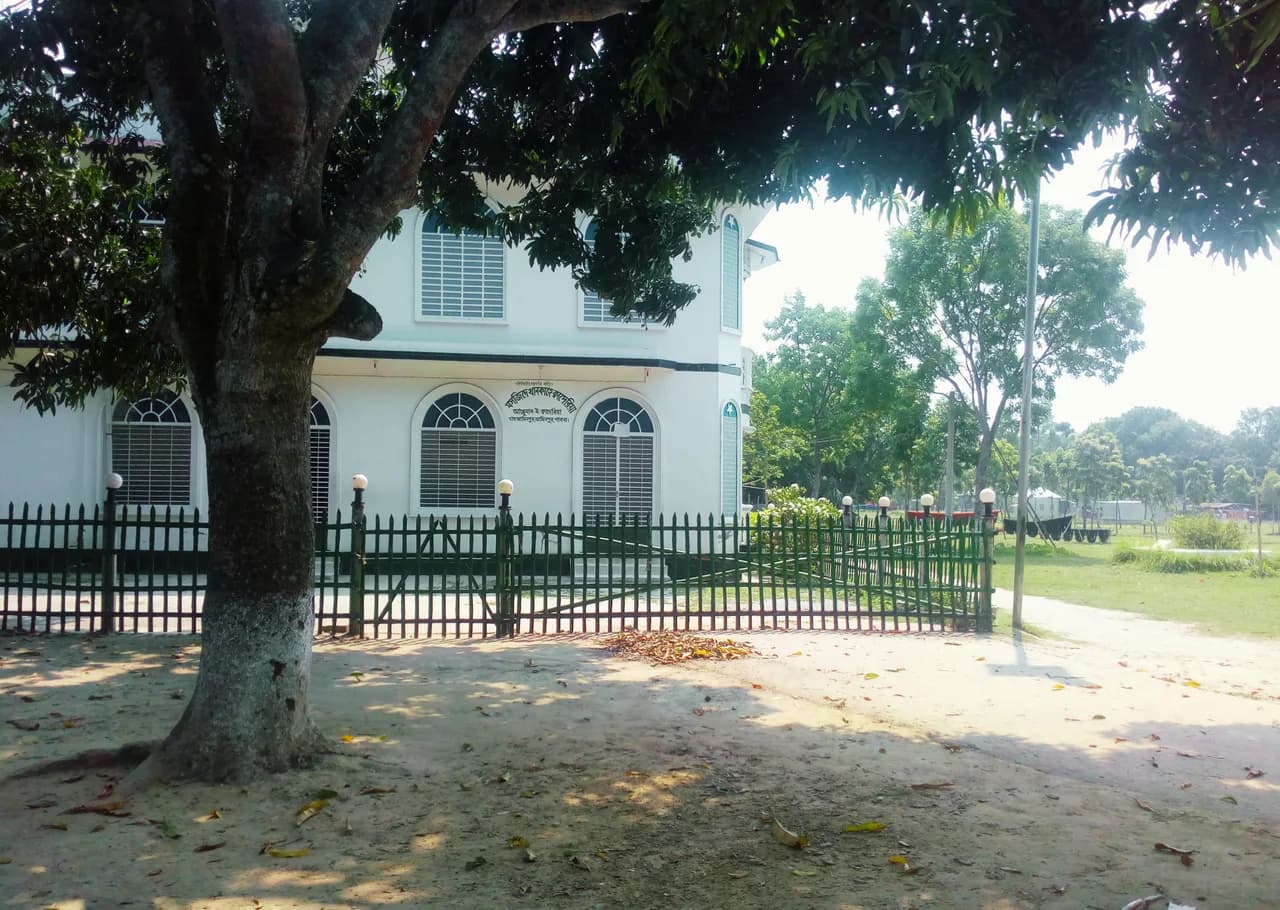
Discover Bera, Pabna. Plan your journey to explore its prominent river networks, handloom weaving hubs, local culture, and verified accommodations nearby. Image credit: Aminpur, SM_Sajal_Mahmud
At the confluence of Bangladesh's mightiest riverways lies Bera, a captivating sub-district in Pabna District that seamlessly bridges rural tranquility, riverine trade history, and authentic Bengali heritage. Often called the gateway to Pabna tourism, Bera Upazila unfolds along the sweeping banks of the Jamuna, Padma, and Hurasagar rivers. It is a region shaped by flowing waters, lush agrarian landscapes, bustling river ports, and a rich industrial legacy centered around traditional jute processing and dairy production.
For travelers seeking a genuine getaway off the standard tourist trail, Bera offers an immersive escape. Here, you can witness golden sunsets over sprawling river channels, explore centuries-old zamindar estates and Mughal-era architecture, sample local delicacies, and experience the warmth of rural hospitality. Conveniently connected to major highways and surrounded by the historical gems of greater Pabna and Sirajganj, Bera serves as a strategic launchpad for exploring northern Bangladesh. This publication-ready Bera travel guide provides everything you need to plan an unforgettable journey, including verified hotel options, detailed itineraries, and essential practical tips.
Where is Bera
Bera is an administrative Upazila located in the eastern portion of Pabna District within the Rajshahi Division of northwestern Bangladesh. Geographically positioned along the western bank of the Jamuna River, Bera occupies a vital crossroads connecting central Bangladesh with the northern region.
It is bordered by Shahjadpur Upazila of Sirajganj District to the north, Santhia Upazila to the west, Sujanagar Upazila to the south, and the expansive Jamuna River to the east, across which lie Tangail and Manikganj districts. Its strategic riverside position near the historic Nagarbari river port makes Bera easily accessible from Dhaka via the N5 national highway and the Bangabandhu Bridge network.
Overview
Bera Upazila spans an area of approximately 243 square kilometers, characterized by fertile deltaic plains, alluvial river islands known as chars, and an intricate network of waterways. The town of Bera acts as the commercial and civic hub of the sub-district, bustling with local bazaars, riverfront landing stations, and traditional trading houses.
Historically recognized as a major center for jute sorting, baling, and trade, Bera earned the nickname "Second Adamjee" during the mid-20th century due to its thriving jute economy. Beyond its commercial identity, Bera is defined by its serene rural life, thriving dairy farming communities, and deep-rooted cultural traditions that reflect the timeless rhythm of riverine Bengal.
History and Background
The history of Bera is inextricably linked to the changing courses of the Padma and Jamuna rivers and the regional riverine trade routes established during the Mughal and British colonial eras. Prior to modern road bridges, Nagarbari Ghat in Bera was one of the most critical river ferry hubs in East Bengal, facilitating the movement of goods and passengers between the capital and northern districts.
During the Bangladesh Liberation War in 1971, Bera was a key strategic area. Freedom fighters mounted fierce resistance against occupying forces at Nagarbari Ghat and nearby Paikarhati, where a historic battle took place on April 19, 1971. Today, memorial sculptures and preservation sites honor the heroic sacrifices made across the region. Over the decades, Bera has evolved from a vital river port into a vibrant center for agriculture, dairy processing, and heritage tourism in Pabna.
Why Visit Bera
Breathtaking Riverine Landscapes: Experience expansive views of the Jamuna and Hurasagar rivers, boat rides along serene tributaries, and picturesque sunsets over rural riverbanks.
Rich Cultural and Historical Heritage: Discover colonial zamindar mansions, ancient mosques, literary landmarks, and Liberation War historical sites located within Bera and its immediate surroundings.
Authentic Local Lifestyle: Witness traditional jute processing, rural dairy farming, local fishing communities, and vibrant weekly village markets.
Strategic Gateway Location: Effortlessly combine a visit to Bera with iconic Pabna attractions such as Hardinge Bridge, Chatmohar Shahi Mosque, and Rabindra Kachharibari in neighboring Shahjadpur.
Peaceful Weekend Getaway: Enjoy a calm alternative to overcrowded tourist destinations, complete with comfortable accommodations and authentic regional cuisine.
Best Time to Visit
The ideal time to visit Bera and Pabna District is during the cooler, dry months between November and March. During winter, temperatures are pleasant, ranging from 12°C to 25°C, making outdoor sightseeing, river cruising, and heritage walks exceptionally comfortable. Early morning winter fogs over the Jamuna River create magical photography opportunities.
The monsoon season from June to September brings lush greenery and full, flowing rivers, which appeals to nature lovers and boat enthusiasts. However, heavy rains can occasionally disrupt road travel and outdoor explorations. The autumn months of October and November offer clear skies, mild weather, and agreeable conditions for exploring rural landscapes.
Weather and Climate
Bera experiences a tropical monsoon climate with three distinct seasons:
Winter (November to February): Mild, dry, and pleasant. Nighttime temperatures can drop to around 10°C–12°C, while days remain sunny and cool.
Summer (March to May): Warm to hot, with temperatures ranging between 28°C and 38°C. Occasional pre-monsoon thunderstorms bring brief relief.
Monsoon (June to October): Heavy rainfall, high humidity, and rising water levels across rivers and wetlands.
How to Reach
Bera is well-connected by road to Dhaka, Pabna town, and major cities across northwestern Bangladesh:
By Road: Direct intercity buses run regularly from Dhaka's Kalyanpur, Gabtoli, and Shyamoli bus terminals toward Pabna and Bogra via the Bangabandhu Bridge. Travelers can disembark directly at Bera bus stand or Nagarbari. The drive from Dhaka takes approximately 3.5 to 4.5 hours depending on traffic.
By Train: While Bera Upazila does not have a direct railway station inside the town, the nearest major railheads are at Ullapara Station (approx. 30 km away) and Pabna Railway Station (approx. 40 km away). From these stations, local taxis, auto-rickshaws, and bus services connect directly to Bera.
By Air: The nearest commercial airport is Hazrat Shahjalal International Airport in Dhaka. From the airport, travelers can proceed to Bera by private rental car or intercity express bus.
Local Transportation
Navigating Bera and nearby attractions is straightforward and budget-friendly:
Battery-operated Auto-rickshaws (Easy Bikes): The primary mode of transport for short journeys within Bera town, local markets, and nearby villages.
CNG Auto-rickshaws: Ideal for inter-upazila travel between Bera, Santhia, Sujanagar, and Shahjadpur.
Rental Cars & Microbuses: Recommended for families or groups planning a full-day heritage tour across Pabna District.
Traditional Wooden Boats: Available for hire at Nagarbari Ghat and riverfront landings for scenic river cruises along the Jamuna and Hurasagar rivers.
Rivers and Natural Landscape
Water forms the soul of Bera's physical and cultural geography. The sub-district is cradled by the powerful flow of the Jamuna River to the east and nourished by the Hurasagar, Ichamati, and Chiknai rivers weaving through its interior.
During the monsoon, the rivers expand into wide, shimmering ribbons of water that flood the surrounding floodplains, fueling rich agricultural yields. In the dry winter season, extensive riverbeds and sandy islands (chars) emerge, drawing migratory waterbirds and offering peaceful walking grounds for visitors. The surrounding countryside features lush paddy fields, mustard plantations in mid-winter, groves of mango and jackfruit trees, and peaceful village canals.
Cultural Heritage
Bera's cultural identity reflects a vibrant tapestry of agrarian traditions, riverine folklore, and historical craftsmanship. For generations, local artisans and workers have contributed to Bangladesh's renowned jute and textile sectors. The region is also famous for traditional handloom weaving and dairy processing, forming part of the milk-producing belt of greater Pabna and Sirajganj.
The folk music of Bera is deeply tied to the river. Fishermen and boatmen still sing traditional Bhatiali and Marfati songs during long journeys along the Jamuna. Local fairs, folk theater (Jatra), and traditional boat races (Nouka Baich) remain central to community life.
Historical Landmarks
The historical footprint of Bera and its surrounding district features remnants of Bengal's zamindari system, colonial infrastructure, and liberation struggle. From grand manor houses to riverport structures, the area offers history enthusiasts an authentic look into East Bengal's past.
Museums
While Bera Upazila does not host a large national museum within its immediate administrative boundaries, nearby historical sites function as living open-air museums. Notably, the adjacent Shahjadpur Rabindra Kachharibari operates as a protected museum under the Department of Archaeology, housing rare personal artifacts, furniture, photographs, and manuscripts belonging to Nobel laureate Rabindranath Tagore.
Religious and Spiritual Sites
Bera is home to decades-old mosques, Hindu temples, and riverside shrines that reflect the harmonious communal life of the region. Ancient village mosques built with traditional brick craftsmanship sit alongside family temple compounds (Maths) established during the zamindari era.
Local Lifestyle
Life in Bera moves to a peaceful, unhurried rhythm. In the early hours, fishermen return to river ghats with fresh daily catches, while farmers bring fresh produce and milk to village gathering points. The local tea stalls (cha-er tong) serve as social centers where residents gather to discuss daily news, agriculture, and local affairs. Visitors are warmly greeted with genuine rural hospitality.
Art, Music and Cultural Traditions
Bera's artistic heart shines through its folk music, traditional crafts, and seasonal festivities. Handloom weaving, bamboo craft making, and net-weaving are practiced across local villages. Baul music gatherings and spiritual song sessions regularly take place during rural festivals and full moon nights along the riverbanks.
Festivals and Events
Nouka Baich (Traditional Boat Race): Held during late monsoon (August–September) when river levels are high. Colorful longboats decorated with flags compete to the chant of rhythmic folk rowing songs.
Poush Mela and Winter Fairs: Celebrated during harvest season with traditional sweet-making (Pitha), folk crafts, games, and music performances.
Eid and Durga Puja: Celebrated with enthusiasm across town markets and decorated village mandaps.
Shopping and Local Markets
Bera Old Bazaar: The town's central commercial market, ideal for buying local handloom garments, fresh dairy products, and daily essentials.
Nagarbari Port Market: Famous for fresh river fish brought directly from the Jamuna River.
Shahjadpur Handloom Market (Nearby): Located just across the northern border, this is one of Bangladesh's premier wholesale markets for traditional handloom sarees, lungis, and fabrics.
Traditional Food
Food in Bera centers on fresh ingredients sourced from local rivers and farms:
Jamuna River Fish: Freshly caught Hilsha, Rui, Katla, Boal, and Pabda prepared in light mustard or curry gravies.
Pabna's Pure Ghee and Chhana: Renowned across Bangladesh for exceptional purity and rich flavor.
Regional Sweets: Local Roshogolla, Kachagolla, and milk-based desserts made from pure cow milk.
Village-style Meat Curries: Slow-cooked beef and mutton dishes served with fragrant local Kalijira rice.
Family Travel
Bera is a safe, educational, and wholesome destination for family trips. Children and adults alike enjoy open-air boat rides on the Jamuna, visits to historical zamindar estates, and learning about rural farming and dairy production first-hand.
Couples Travel
For couples seeking a quiet, scenic escape away from bustling city centers, Bera offers romantic riverfront walks, peaceful boat rides during sunset, and historic heritage sites surrounded by green countryside.
Solo Travel
Solo travelers will find Bera welcoming, safe, and easy to navigate. Local transport is inexpensive, residents are helpful, and the opportunity to photograph rural landscapes and historic architecture makes it a rewarding destination for independent explorers.
Budget Travel
Bera is an exceptionally affordable destination. Transport costs, local meals, boat rentals, and entry tickets to nearby heritage sites are modestly priced, allowing budget travelers to enjoy a rich cultural journey without overspending.
Responsible Tourism
Respect local customs and dress modestly when visiting rural villages and religious sites.
Avoid littering near rivers, wetlands, and historical monuments.
Support the local economy by purchasing handcrafted goods, eating at local eateries, and hiring local boat operators.
Safety Tips
Always wear a life jacket when taking boat trips on major rivers like the Jamuna.
Carry sufficient cash, as digital payment acceptance may be limited in smaller village bazaars.
Keep basic medications, sunscreen, and mosquito repellent in your daypack.
Verified Tourist Attractions in and near Bera
1. Nagarbari River Port (Nagarbari Ghat)
Located directly in Bera Upazila along the Jamuna River, Nagarbari Ghat is one of the most historically significant river ports in northern Bangladesh.
Why Visit: Experience the vast expanse of the Jamuna River, watch busy river cargo transport, and enjoy scenic boat rides.
Historical Significance: Served as the crucial river ferry link between Dhaka and northern Bengal for decades and was a major strategic site during the 1971 Liberation War.
Visitor Experience: Walk along the river embankments, observe local fishermen, enjoy fresh river fish at riverside stalls, and take a boat tour.
Photography Opportunities: Panoramic river vistas, boat traffic, and dramatic sunset reflections over the water.
Best Season to Visit: October to March for cool, pleasant breezes; June to September for full river views.
Approximate Visit Duration: 1.5 to 2.5 hours.
Nearby Accommodation: Bera Upazila Parishad Rest House or full-service hotels in Pabna town (~40 km).
2. Paikarhati Liberation War Memorial
Situated along the Nagarbari-Bogra highway in Bera Upazila, this memorial commemorates the battle fought on April 19, 1971.
Why Visit: Pay homage to the heroic freedom fighters of 1971 and learn about regional history.
Historical Significance: Marks the fierce battle where local freedom fighters bravely resisted advancing occupation forces.
Visitor Experience: A quiet, reflective site featuring a memorial sculpture and historical plaque.
Best Season to Visit: Year-round; particularly meaningful during national holidays such as December 16 and March 26.
Approximate Visit Duration: 30 to 45 minutes.
Nearby Accommodation: Local guest houses in Bera or premium resorts in Pabna Sadar.
3. Rabindra Kachharibari, Shahjadpur (Nearby Attraction)
Located in Shahjadpur Upazila, Sirajganj District—just across the northern administrative boundary of Bera (approx. 15 km from Bera town)—this colonial mansion was owned by the Tagore family zamindari.
Why Visit: A major cultural landmark where Nobel laureate Rabindranath Tagore spent significant time writing celebrated poems, short stories, and plays.
Historical Significance: Constructed during the 19th century, this two-story mansion housed the administrative offices (Kachhari) of the Tagore estate.
Visitor Experience: Explore preserved living quarters, view Tagore's personal piano, wooden furniture, and framed photographs, and stroll through landscaped gardens.
Photography Opportunities: Grand colonial-style arches, yellow-hued facades, classical columns, and flower gardens.
Best Season to Visit: November to March.
Approximate Visit Duration: 2 hours.
Nearby Accommodation: Rest houses in Shahjadpur or luxury resorts in Pabna Sadar.