

All ArticlesDestination Guide
Bhangura, Pabna Travel Guide: Attractions, Things to Do
N
Nasir Khan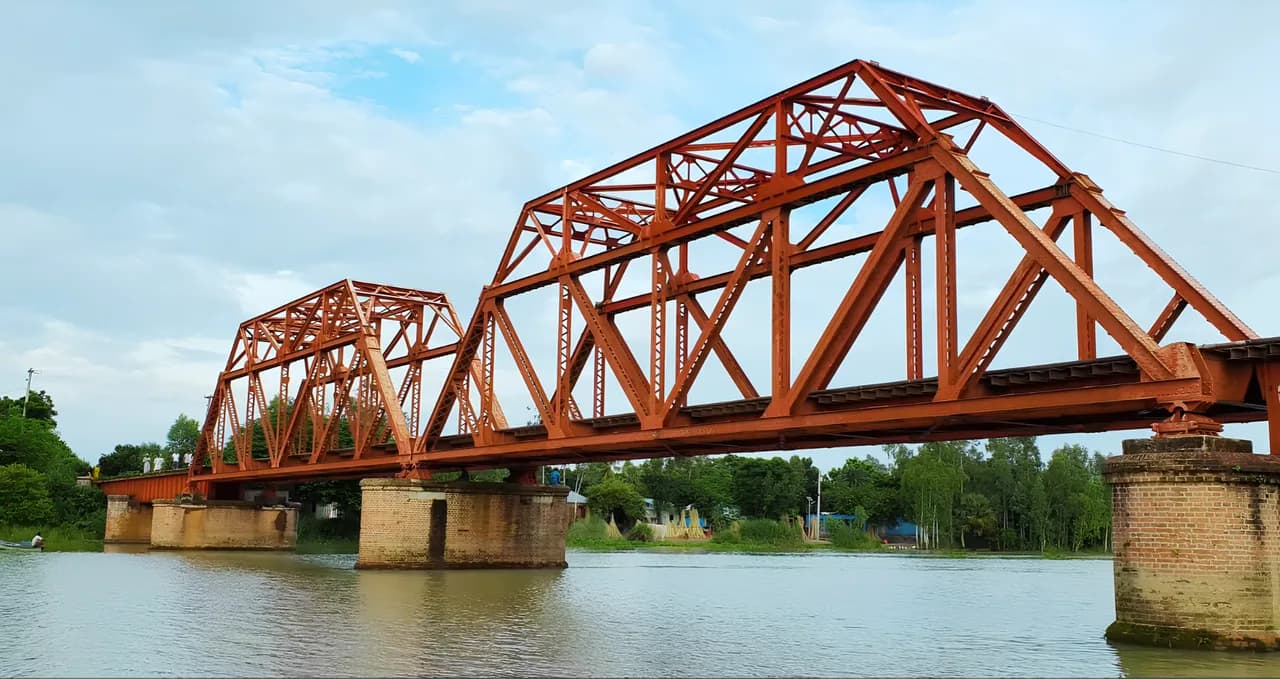
Plan your trip to Bhangura Upazila, Pabna. Discover top attractions, Chalan Beel views, train routes, local food, map tips, and accommodation options. Photo: SN POINTS
Bhangura Upazila is a tranquil administrative and agricultural region located in the northeastern portion of Pabna District, Rajshahi Division, Bangladesh. Intersected by the Baral and Gumani rivers and forming an integral part of the vast Chalan Beel wetland ecosystem, Bhangura presents a distinct rural landscape shaped by seasonal water flows, rail connectivity, and a rich agrarian lifestyle.
Unlike major commercial tourism hubs, Bhangura offers travelers an authentic glimpse into North Bengal’s riverine countryside. From historical railway bridges and expanse-like wetland vistas during the monsoon to quiet village hamlets and traditional dairy farming communities, this guide provides verified, comprehensive travel information for visitors seeking to explore Bhangura Upazila responsibly.
Bhangura at a Glance
District: Pabna District
Division: Rajshahi Division
Administrative Structure: 1 Municipality (Bhangura Pourashava) and 6 Unions (Par-Bhangura, Astamanisha, Khanmarich, Dilpashar, Mondotosh, and Bhangura Union)
Geographical Boundaries: Bordered by Tarash Upazila (Sirajganj) to the north, Faridpur Upazila (Pabna) to the south, Ullapara Upazila (Sirajganj) to the east, and Chatmohar Upazila (Pabna) to the west
Primary Rivers & Waterways: Baral River, Gumani River, and seasonal beels belonging to the Chalan Beel system
Key Rail Access Points: Bhangura, Baral Bridge, Sharatnagar, and Dilpashar railway stations
Primary Economy: Agriculture, fishing, dairy farming, and small-scale commerce
Why Visit Bhangura
Travelers visit Bhangura primarily to experience the changing natural rhythms of the Chalan Beel wetland system and observe traditional rural life along the Baral River corridor. Key reasons to include Bhangura in a regional North Bengal itinerary include:
Wetland Scenery: During and immediately after the monsoon season, low-lying unions such as Dilpashar and Khanmarich transform into sweeping sheets of open water, offering vast horizon views.
Railway and River Heritage: The historic rail line crossing over the Baral River highlights British-era infrastructure development that continues to serve as a vital lifeline for regional transport.
Agricultural and Dairy Culture: As part of Pabna’s famed milk-producing belt, Bhangura provides an authentic look at rural dairy farming, milk collection points, and local sweetmaking traditions.
Unhurried Rural Atmosphere: Free from commercial tourism crowd pressures, Bhangura suits slow travel, photography, and day trips from neighboring regional hubs like Pabna Sadar, Ishwardi, or Natore.
Places to Visit in Bhangura
Baral Riverbank and Baral Railway Bridge Area
The Baral River flows directly through Bhangura, dividing sections of the upazila and serving as a central geographical feature. Near the Baral Bridge Railway Station, the steel railway bridge spans across the river, creating a striking visual contrast between heavy infrastructure and rural waterscapes.
Visitors can walk along safe public riverbank paths or designated public approaches near the bridge to watch local fishing boats, seasonal river traffic, and passing trains crossing the water. It is an ideal spot for afternoon photography and observing local life. Visitors must remain strictly on public embankments and refrain from walking on active railway tracks or bridge superstructures.
Dilpashar and the Chalan Beel Basin
Dilpashar Union, located in the eastern portion of Bhangura Upazila, serves as one of the primary entry points to the local Chalan Beel landscape. During the monsoon months (July to October), floodwaters submerge the fields, turning roads into elevated embankments surrounded by endless water.
Local wooden boats operate from various points along the water's edge, allowing visitors to hire local boatmen for short excursions across the open beel. In the dry season, the landscape transitions into lush green paddy fields and mustard plantations.
Pathorghata Village and Historical Mosque
Situated along the Baral River corridor, the Pathorghata area in Par-Bhangura Union features quiet village lanes, traditional homesteads, and local community mosques, including the Pathorghata Jame Mosque. The area offers an unhurried perspective on traditional North Bengal village architecture, riverine agriculture, and riverside community life.
Kazipara Three-Domed Mosque (Chandipur Area)
Located in the Chandipur/Kazipara locality, this traditional three-domed mosque stands as a noteworthy piece of local religious heritage. Characterized by classic Bengal Islamic architectural influences, including thick brick masonry and domed roofing, it serves as an active place of worship for the local community. Visitors should dress conservatively and seek permission from local caretakers before taking photographs of the structure.
Bhangura Upazila Parishad Complex
Located near Bhangura town, the Upazila Parishad complex represents the administrative heart of the upazila. The landscaped compound features administrative offices, a central public pond, well-maintained walkways, and civic memorials, including the Upazila Central Shaheed Minar. It offers a calm public environment for a morning or late-afternoon stroll.
History and Heritage
The physical and economic growth of Bhangura is closely linked to its water systems and the development of the northern railway line during the British colonial period. Originally part of larger administrative divisions within regional Pabna, Bhangura was established as a police station (Thana) in 1980 and upgraded to full upazila status in 1981.
Origin of the Name
There are two prominent local explanations regarding the origin of the name "Bhangura":
River Erosion Tradition: The most widely accepted local tradition connects the name to the Bengali word bhangon (river erosion). Due to the historical shifts and bank erosion caused by the Baral and Gumani rivers, early settlements frequently broke and reformed, leading to the name Bhangura.
Commercial Legend: A secondary local legend references the historical trade of bhang (a traditional hemp product) in regional river markets during colonial times. However, this remains an unverified oral story rather than a documented historical fact.
Liberation War Connections (1971)
During the Bangladesh Liberation War in 1971, the railway line and bridges across Bhangura held strategic importance. Local freedom fighters (Mukti Bahini) conducted sabotage and reconnaissance operations to disrupt Pakistani military troop movements along the Ishwardi–Sirajganj rail corridor, particularly near Baral Bridge and Dilpashar. Remembrances of these local resistance efforts are preserved in regional oral histories and civic memorials across Pabna District.
Nature, Rivers and Wetlands
Bhangura’s physical environment is defined by its low-lying deltaic terrain and seasonal hydrological cycles.
Baral River: A prominent distributary of the Ganges/Padma system that flows through the upazila, providing irrigation, fish habitat, and local navigation routes.
Gumani River: Flows along the southern and eastern margins, contributing to the fertility of local agricultural lands.
Beel Landscape: Numerous low-lying depressions (beels), including Boro Bil and smaller seasonal wetlands, retain water throughout the post-monsoon period, supporting extensive freshwater fisheries and migratory bird populations during winter.
Seasonal Landscape Changes
Monsoon (June – September): High rainfall and river overflow fill the beels, transforming large areas of Khanmarich, Dilpashar, and Astamanisha into expansive water bodies accessible mainly by boat.
Winter & Dry Season (November – March): As water levels recede, the fertile silt bed is planted with boro rice, mustard, and winter vegetables, turning the landscape into vast stretches of green and gold fields.
Local Culture and Food
Life in Bhangura revolves around agricultural production, freshwater fishing, and dairy farming.
Dairy Heritage and Sweetmeats
Bhangura forms part of the well-known Pabna dairy belt. Large herds of cattle are grazed along the lush pastures of the beel embankments. The abundance of fresh milk supports a strong local production of chhana (unripened curd cheese) and traditional Bengali sweets. Visitors to Bhangura Bazar can sample fresh rasgulla, sandesh, and local sweet yogurt (mishti doi) prepared daily using pure local milk.
Regional Culinary Staples
Local dining focuses on traditional Bangladeshi cuisine featuring fresh river and beel fish. Common regional dishes include:
Freshwater Fish Curries: Preparations made with local catches such as rui, katla, shol, tengra, and pabda cooked with mustard paste or green chilies.
Boro Rice and Vegetables: Served alongside seasonal lentil soups (dal) and mashed vegetable preparations (bhorta).
Things to Do in Bhangura
Take a Country Boat Ride in the Beel: During the monsoon and early post-monsoon months, hire a local engine boat or country boat from Dilpashar or Khanmarich to explore the open water expanses of Chalan Beel.
Observe Railway and River Views at Baral Bridge: Visit the public riverbank area near Baral Bridge Railway Station to photograph the surrounding countryside and watch rail traffic cross the Baral River.
Explore Bhangura Local Markets: Walk through Bhangura Bazar or Sharatnagar Bazar in the late afternoon to experience daily trade, purchase local sweetmeats, and interact with local shopkeepers.
Experience Seasonal Agriculture: If visiting between December and February, take a bicycle or auto-rickshaw ride through rural union roads to view flowering mustard fields and winter vegetable cultivation.
Photograph Rural Landscape and Architecture: Document village life, traditional wooden boats, old mosques, and riverbanks across Par-Bhangura and Astamanisha unions.
Where to Stay in Bhangura
Overnight commercial accommodation options directly within Bhangura Upazila are modest and limited primarily to basic local boarding houses and government facilities.
Government Facilities
District Council Dak Bungalow (Zila Parishad Dak Bungalow): Located near the Upazila Parishad complex in Bhangura town. This facility provides basic rooms primarily intended for government officials on duty. Private travelers may request lodging, but occupancy is subject to official approval and advance booking through the Pabna Zila Parishad or local upazila administration.
Commercial Boarding Houses
Small local residential hotels (aabasik hotel) operate near Bhangura Bazar and Bhangura Railway Station. These establishments offer simple, low-cost rooms with basic furnishings, ceiling fans, and common or attached bathrooms. They are suitable mainly for solo travelers or short business visits rather than leisure tourists seeking full services.
Recommended Alternative Accommodation
Travelers seeking mid-range or standard star-rated hotels typically choose to stay in nearby administrative centers and commute to Bhangura for day trips:
Chatmohar Upazila (Adjacent west): Offers additional local residential guesthouses.
Pabna Sadar (Approx. 35–40 km south): Features multiple verified commercial hotels, private guesthouses, and restaurants.
Ishwardi Upazila (Approx. 40–45 km southwest): Provides several business-class hotels due to its major railway hub and industrial EPZ presence.
Map Search Tips for Travelers
Navigating accommodation options digitally in small upazilas requires accurate landmark references:
Searching Government Facilities: The District Council Dak Bungalow does not maintain a commercial online booking engine. To navigate there using digital maps, search directly for "Bhangura Upazila Parishad" or "Bhangura Upazila Complex", where local administrative offices and the rest house are situated.
Locating Local Boarding Houses: Small commercial residential hotels near Bhangura Bazar may have weak or inconsistent Google Maps markers. Travelers should navigate to "Bhangura Railway Station" or "Bhangura Bus Station", as most local boarding houses operate within walking distance of these transport hubs.
Avoiding Map Misallocations: Third-party hotel booking platforms frequently display properties located in Pabna Sadar or Ishwardi under automated search queries for "Bhangura." Always check the verified physical address and upazila boundary on digital maps before confirming reservations.
How to Choose Where to Stay
For Short Day Trips: Stay in Pabna Sadar or Ishwardi, where full-service hotels, hot water, air conditioning, and full dining options are available, and travel to Bhangura by road or rail.
For Official or Government Visitors: Apply in advance for permission to stay at the Zila Parishad Dak Bungalow near Bhangura Upazila Parishad.
For Budget Solo Travelers: Utilize verified local residential boarding houses near Bhangura Railway Station or Bhangura Bazar after inspecting room conditions directly upon arrival.
Getting to Bhangura
Bhangura is well-connected to major cities in Bangladesh by both railway and regional highways.
By Train (Recommended)
Train travel is the most efficient and comfortable way to reach Bhangura from Dhaka, Rajshahi, or Sirajganj. The upazila is served by four operational railway stations on the western railway network:
Bhangura Railway Station: Located centrally near Bhangura town.
Baral Bridge Railway Station: Located near the Baral River crossing.
Sharatnagar Railway Station: Located near major market areas.
Dilpashar Railway Station: Located in the eastern wetland zone.
Intercity and mail trains running between Dhaka (Kamalapur/Airport stations) and western destinations (such as Rajshahi, Pabna, and Sirajganj) stop at selected stations in Bhangura according to official Bangladesh Railway schedules. Tickets can be purchased online via the official Bangladesh Railway portal or directly at station counters.
By Bus
Direct long-distance buses operate daily from Dhaka (Gabtoli and Kalyanpur bus terminals) to Pabna, Chatmohar, and Bhangura. Bus routes run via the Bangabandhu Bridge (Jamuna Bridge) and the N707 regional highway corridor, setting down passengers at Bhangura Bus Stand near the town center.
By Private Vehicle or Taxi
From Dhaka, drivers take the N5 national highway across Bangabandhu Bridge, then proceed via Sirajganj and Ullapara toward Chatmohar/Bhangura along regional paved highways. From Pabna Sadar, light vehicles travel north via the Pabna–Chatmohar–Bhangura road.
Getting Around Bhangura
Navigating inside Bhangura relies on light rural transport options:
Auto-Rickshaws & Easy Bikes: Battery-operated auto-rickshaws (easy bikes) are the main mode of transport between Bhangura town, railway stations, and nearby unions. Fares are inexpensive and vary based on distance.
CNG Auto-Rickshaws: Three-wheeler CNGs run fixed routes between Bhangura Bazar, Chatmohar, Ullapara, and Faridpur upazilas, or can be hired privately for custom day trips.
Cycle Rickshaws: Available for short movements within Bhangura town, station areas, and local bazaars.
Engine Boats: Essential during the monsoon season for visiting submerged areas of Dilpashar, Khanmarich, and the Chalan Beel basin. Hire rates should be agreed upon with local boatmen before embarking.
Best Time to Visit Bhangura
The appropriate time to visit Bhangura depends on the type of travel experience desired:
Monsoon & Post-Monsoon (July to October): Best for wetland sightseers. The beels are full, the climate is cooling, and boat travel across Dilpashar and the wider Chalan Beel landscape is at its peak.
Winter (November to February): Best for comfortable land-based exploration, countryside photography, and village walks. Temperatures are pleasant, and the countryside is filled with flowering mustard crop fields.
Summer (March to May): Warm to hot conditions. While less popular for general tourism, early mornings and late afternoons remain suitable for local market visits and agricultural photography.
Suggested Trip Duration
Half-Day to 1-Day Trip: Sufficient for most leisure travelers. Visitors can arrive by morning train, explore the Baral River and bridge area, enjoy local sweetmeats in Bhangura Bazar, take a brief boat trip in Dilpashar (during monsoon), and return to Pabna Sadar, Ishwardi, or Dhaka by evening.
2-Day / 1-Night Trip: Ideal for slow-travel enthusiasts, rural photographers, or researchers wishing to visit deep union villages in Khanmarich, Astamanisha, and historic architectural sites across the upazila without rushing.
Practical Travel Tips
Respect Railway Safety: Never step onto active railway tracks, stand on bridge ties, or attempt unsafe photography near oncoming trains at Baral Bridge or local stations.
Water Safety: When renting engine boats in monsoon wetlands, ensure the vessel is in good condition and avoid overloading. Carry personal safety gear if available.
Cash Readiness: Electronic payment facilities and mobile banking agents exist in Bhangura town, but carrying sufficient cash in small denominations is essential when traveling to union markets and hiring rural transport.
Dress and Etiquette: Bhangura is a traditional rural society. Dress modestly, ask permission before photographing local residents or private homesteads, and adhere to local customs when entering active mosques.
Supplies: Carry drinking water, sun protection, and basic personal medications when venturing into remote wetland unions.
Frequently Asked Questions
Where is Bhangura Upazila located?
Bhangura Upazila is located in the northeastern part of Pabna District in Rajshahi Division, Bangladesh, along the Baral and Gumani rivers.
What are the main places to visit in Bhangura?
Key destinations include the Baral River and Baral Railway Bridge area, Dilpashar wetland landscape (Chalan Beel basin), Pathorghata village, Kazipara Three-Domed Mosque, and the Bhangura Upazila Parishad complex.
How can I travel to Bhangura from Dhaka?
You can travel directly from Dhaka by intercity train from Kamalapur/Airport stations to Bhangura or Baral Bridge stations, or take a direct inter-district bus from Gabtoli/Kalyanpur bus terminals.
Which railway stations serve Bhangura Upazila?
Bhangura is served by four railway stations: Bhangura, Baral Bridge, Sharatnagar, and Dilpashar.
Where can travelers stay in Bhangura?
Options inside the upazila include the government District Council Dak Bungalow (requires advance permission) and basic commercial residential boarding houses around Bhangura Bazar and Bhangura Railway Station. Standard hotels are available in nearby Pabna Sadar or Ishwardi.
Is the Bhangura District Council Dak Bungalow open to private tourists?
The Dak Bungalow primarily caters to government officials. Private travelers may stay only if rooms are available and permission is granted by local administrative authorities.
What is Bhangura famous for?
Bhangura is known for its position within the Chalan Beel wetland region, its historic railway bridge crossing the Baral River, and its high-quality milk, chhana, and traditional sweetmeats.
What is the best time of year to visit Bhangura?
Monsoon (July to October) is ideal for boat trips across open wetlands, while winter (November to February) is best for pleasant weather, countryside walks, and viewing agricultural fields.
Can Bhangura be visited as a day trip?
Yes. Bhangura is well suited for a day trip from nearby cities like Pabna Sadar, Ishwardi, Natore, or even via direct morning and evening train connections from Dhaka.
Is boat hire easily available in Bhangura during the monsoon?
Yes, local engine boats and wooden country boats can be hired directly from launch points in wetland unions like Dilpashar and Khanmarich by negotiating directly with local boatmen.
Conclusion
Bhangura Upazila offers travelers an unpretentious, scenic experience of rural Bangladesh. Defined by the gentle flow of the Baral River, the vast seasonal waters of Chalan Beel, and an enduring railway heritage, the upazila is a refreshing destination for photography, slow travel, and regional exploration. Whether visiting for a day trip to take in the monsoon waterscapes or exploring the agrarian milk-producing villages, Bhangura rewards travelers with quiet charm, authentic hospitality, and authentic North Bengal countryside views.
Until your next adventure.
— Resortian
▶Watch Video
About the Author
Nasir Khan
Travel Editor
I’m Nasir Khan, sharing travel stories and destinations around Bangladesh. My blog covers places to visit, experiences, and travel inspiration. Explore Bangladesh one journey at a time with me.