

All ArticlesDestination Guide
Bholahat, ChapaiNawabganj: Silk Heritage & Travel Guide
N
Nasir Khan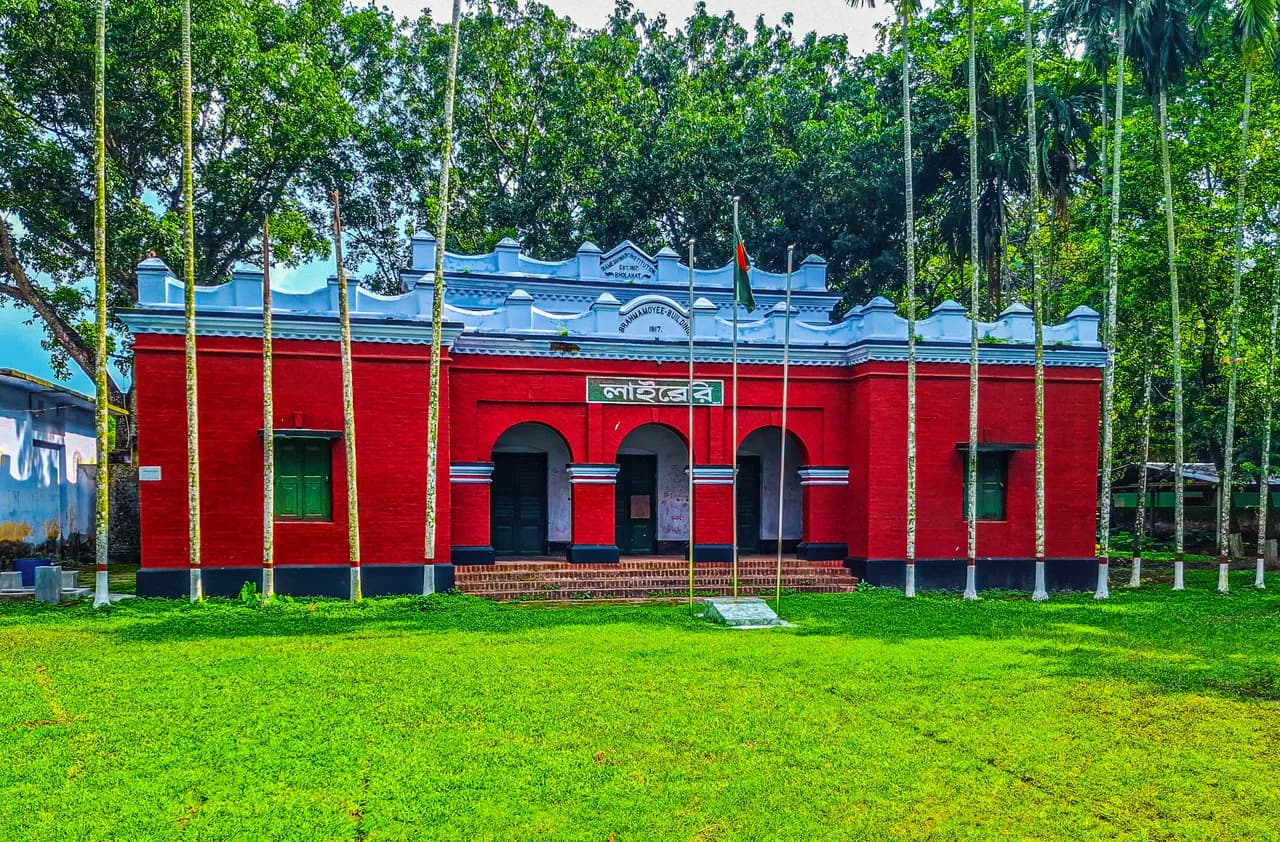
Bholahat, ChapaiNawabganj. Plan your journey to explore its premier silk manufacturing centers, massive mango orchards, and verified accommodations nearby. Image credit: S.M.M.Musabbir Uddin
Tucked away in the northernmost corner of Rajshahi Division, Bholahat Upazila in Chapai Nawabganj District represents one of the most serene rural landscapes in northwestern Bangladesh. Bordered on three sides by West Bengal, India, this peaceful upazila offers a rare blending of agrarian heritage, ecological richness, and deep historical connections. Known widely across the region for its expansive mango orchards and historic sericulture (silk production), Bholahat provides travelers with an authentic look into traditional village life, calm riverine vistas, and a thriving agricultural community.
Whether you are planning a seasonal mango tour, exploring Bangladesh's silk production roots, or taking a weekend trip to Chapai Nawabganj to visit medieval Sultanate monuments, Bholahat serves as a peaceful base for rural tourism in Bangladesh. This comprehensive travel guide covers everything you need to know about visiting Bholahat, including verified accommodations, transport routes, local dining specialties, and key tourist attractions.
Where is Bholahat
Bholahat is an administrative upazila situated in the northern tip of Chapai Nawabganj District. Geographically located between 24°48' and 24°58' north latitudes and 88°08' and 88°16' east longitudes, Bholahat covers an area of roughly 123.53 square kilometers. It shares an international border with Malda district of West Bengal, India, to its north, east, and west. To its south lie Shibganj and Gomastapur upazilas of Chapai Nawabganj. The Mahananda River flows along its border, shaping both its topography and agricultural productivity.
Overview of Bholahat
Bholahat is predominantly an agrarian upazila defined by fertile floodplains, lush mango groves, and extensive seasonal wetlands (beels) such as Bhatia Beel and Vaeoa Beel. The upazila consists of four union parishads: Bholahat, Gohalbari, Jambaria, and Daldali. Bholahat Town acts as the administrative seat, featuring local markets, government offices, and community centers.
Beyond agriculture, Bholahat holds a distinguished place in Bangladesh's textile history as a key hub for raw silk yarn production (Reshom). The region's peaceful environment, minimal commercial traffic, and warm rural hospitality make Bholahat a standout destination for eco-conscious travelers and photography enthusiasts seeking authentic rural sights.
History and Background
The history of Bholahat is deeply intertwined with ancient Bengal and the broader heritage of the historical Gaur region. Archaeological finds indicate that human settlement here dates back over a millennium. In 1893, British administrator and scholar Umesh Chandra Batball discovered the famous Khalimpur copper plate inscription of King Dharmapala (Pala Empire, 8th century) in Mori Beaoa village within Bholahat, shedding crucial light on early Bengal governance and royal land grants.
During the Bengal Sultanate and Mughal periods, Bholahat's proximity to the royal capital of Gaur made it an important agrarian hinterland. Landmarks such as the Jadunagar Mosque and ancient brick ruins reflect this historic footprint. Under British colonial rule, the area became known for indigo cultivation and silk rearing. During the 1971 Bangladesh Liberation War, Bholahat witnessed significant encounters between freedom fighters and occupying forces, with mass grave sites preserved today in Jambaria and Sathia Bazaar. Bholahat Thana was established in 1918 and upgraded to an upazila in 1984.
Why Visit Bholahat
Travelers seeking off-the-beaten-path experiences will find Bholahat particularly rewarding. Major highlights for visitors include:
Mango Tourism: Experience Bangladesh's premier mango-growing region during harvest season, wandering through lush orchards laden with world-renowned varieties.
Sericulture Heritage: Observe traditional silk worm rearing and raw silk yarn extraction managed by local artisans and Bangladesh Sericulture Board facilities.
Rural Countryside Escapes: Enjoy quiet village paths, open green fields, and picturesque wetlands filled with seasonal migratory birds.
Proximity to Historical Sites: Use Bholahat as a tranquil rural base while exploring the Sultanate-era architecture of nearby Shibganj, including the Choto Sona Mosque and Mughal Tahakhana.
Best Time to Visit
The ideal time to visit Bholahat depends on the primary focus of your trip:
Summer (May to July): This is the peak season for mango tourism in Bangladesh. The orchards are heavy with ripening fruit, local wholesale fruit markets are bustling, and visitors can taste fresh, tree-ripened mangoes directly from local growers.
Winter (November to February): The winter months bring pleasant weather with clear skies and mild temperatures ranging from 12°C to 25°C. This season is perfect for outdoor sightseeing, cycling through villages, birdwatching around Bhatia Beel, and exploring nearby archaeological sites comfortably.
Monsoon (July to September): The rainy season transforms the countryside into a vivid green landscape. Rivers and wetlands fill to their margins, offering beautiful rural photography opportunities, though road travel can occasionally be slowed by heavy rain.
Weather and Climate
Bholahat experiences a subtropical monsoon climate characterized by three distinct seasons: a warm summer, a rainy monsoon, and a dry winter. Annual rainfall averages between 1,400 mm and 1,600 mm, falling mostly between June and September. Summer temperatures can reach up to 38°C in May, while winter nights in December and January can cool down to around 10°C. Light cotton clothing is recommended for summer visits, while light jackets or sweaters are necessary during winter evenings.
How to Reach Bholahat
Reaching Bholahat requires traveling first to Chapai Nawabganj Sadar or Rajshahi City, which are well connected to major urban centers across Bangladesh.
By Road
From Dhaka: Direct intercity AC and non-AC buses operate daily from Dhaka (Sayamoli, Gabtoli, and Kalyanpur terminals) to Chapai Nawabganj Sadar. Operators include Hanif Enterprise, Shyamoli Paribahan, Nabil Paribahan, and Modern Paribahan. The road journey takes approximately 7 to 8 hours.
From Chapai Nawabganj Town to Bholahat: Local feeder buses, private hire sedans, microbuses, and CNG auto-rickshaws run regularly from Chapai Nawabganj Sadar and Kansat to Bholahat Upazila Headquarters. The distance is roughly 50 km and takes about 1.5 hours via local paved roads.
By Rail
Travelers can board the intercity trains (such as the Benapole Express or Padma Express) from Dhaka to Rajshahi or Chapai Nawabganj Railway Station. From Chapai Nawabganj station, local road transport is readily available to complete the journey to Bholahat.
Local Transportation
Navigating inside Bholahat Upazila is straightforward and economical using local transit:
CNG Auto-Rickshaws: Ideal for moving between Bholahat town center, Gohalbari, Jambaria, and neighboring union centers.
Battery-Operated Easy Bikes (Tomtoms): Convenient for short distances within Bholahat town, local markets, and nearby village roads.
Motorbike Taxis: Readily available at local bazaars for flexible travel down narrow orchard tracks.
Country Boats: Available near river ghats along the Tangon and Mahananda rivers for scenic water crossings and wetland exploration.
Natural Beauty and Rural Landscape
The natural aesthetic of Bholahat is defined by simple rural elegance. Wide open skies meet flat, fertile agricultural fields dotted with mud-walled village homesteads, bamboo groves, and palm trees. Unpaved village paths wind past quiet courtyards where residents tend to cattle, weave silk, or dry seasonal crops. The Absence of heavy industrial traffic creates an atmosphere of deep quiet that appeals to urban travelers looking to unwind.
Mango Orchards and Agricultural Heritage
As an integral part of Chapai Nawabganj—often crowned as the "Mango Capital of Bangladesh"—Bholahat features hundreds of organized and family-owned mango orchards. The district's alluvial soil produces renowned sweet varieties including Khirsapat (Himsagar), Langra, Fazli, Ashwina, and Amrapali.
During April and May, the trees bloom with dense flower clusters, filling the rural air with a distinct fragrance. By June and July, the branches bend under the weight of mature fruit. Visiting an orchard allows travelers to learn about traditional canopy management, fruit bagging techniques, and regional harvesting methods directly from local farmers.
Rivers, Wetlands, and Countryside Views
Waterways play a vital role in Bholahat's ecological balance and visual character:
Mahananda River: Flowing along the eastern boundary, the river provides irrigation, fresh fish, and a tranquil backdrop for evening strolls along its earthen embankments.
Bhatia Beel: A prominent seasonal wetland that expands significantly during the monsoon. It serves as a natural fish nursery and draws waterbirds such as egrets, kingfishers, and migratory ducks in winter.
Historical and Cultural Heritage
Bholahat retains subtle historical links to ancient and medieval Bengal. Sericulture here is not merely an economic enterprise but a living cultural tradition passed down through generations. Farmers rear silkworms (Bombyx mori) on mulberry leaves, harvest cocoons, and spin fine raw silk yarn that feeds traditional handloom hubs across Bangladesh.
Religious and Community Landmarks
Faith and community life center around historic local institutions in Bholahat:
Jadunagar Mosque: A historical mosque dating back to the Mughal period, reflecting simple regional brick masonry.
Gopinathpur & Bazratek Mosques: Sultanate-era religious sites prized by local historians for their ancient foundational brickwork.
Mazar of Bara Khan Gazi (R): A respected local spiritual shrine associated with regional folk traditions.
Local Lifestyle and Village Experience
Life in Bholahat proceeds at a calm, deliberate pace. Mornings begin early with farmers heading to fields and mulberry gardens. Villagers gather in the late afternoon at local tea stalls (cha er tong) to discuss local news, farming prices, and community matters. Travelers walking through the villages are frequently greeted with genuine warmth and invited for warm tea or fresh coconut water.
Festivals and Cultural Events
Cultural life in Bholahat features traditional Bengali rural celebrations:
Mango Harvest Season: Held between May and July, this period turns local markets into vibrant hubs of commerce and celebration.
Village Melas (Fairs): Annual events like the Bazratek Mela, Bahadurganj Mela, and Poladanga Mela feature traditional handicrafts, wooden toys, sweets, and local cultural performances.
Nobanno (Harvest Festival): Celebrated in late autumn with home-baked rice cakes (pitha) and family gatherings.
Local Markets and Shopping
Exploring local hats (periodic village markets) provides an authentic glimpse into rural commerce:
Gohalbari Hat & Bara Gachhi Hat: Primary gathering points where farmers sell fresh produce, raw silk cocoons, traditional bamboo crafts, and livestock.
Bholahat Main Market: Excellent for purchasing authentic raw silk yarn, handcrafted woven fabrics, and seasonal farm-fresh mangoes directly from orchard owners.
Traditional Food and Local Cuisine
Dining in Bholahat centers around rustic Rajshahi regional flavors:
Kalai Ruti: A thick, flavorful flatbread crafted from ground black gram (mashkalai) flour and rice flour. It is traditionally cooked on an unglazed clay skillet and served hot with spicy aubergine mash (begun bhorta), raw chili-onion mix, or rich duck/beef curry.
Mahananda Freshwater Fish: Fresh catches of Rui, Katla, Boal, and Tengra cooked in mustard oil with mild green chilies.
Seasonal Mangoes: Freshly picked Khirsapat, Langra, and Fazli mangoes enjoyed raw or as traditional chutneys (am er tok).
Family Travel Experience
Bholahat offers a safe, educational, and relaxing environment for families. Children can learn firsthand how fruit grows in orchards, see how silkworms produce silk, and explore open countryside paths far away from urban pollution.
Couples Travel Experience
For couples seeking quiet retreat and relaxed exploration, Bholahat offers peaceful countryside views, scenic sunset spots along the Mahananda Riverbank, and uncrowded historical excursions.
Solo Travel Experience
Solo travelers will find Bholahat welcoming and safe. Local transport is inexpensive, navigation between village hubs is easy, and residents are eager to assist visitors with directions and recommendations.
Budget Travel Guide
Bholahat is an exceptionally budget-friendly destination:
Transport: Daily travel via shared CNGs and easy bikes costs very little.
Food: Authentic traditional meals like Kalai Ruti and freshwater fish curries at local bazaars are very affordable.
Accommodation: Staying in verified budget hotels in Chapai Nawabganj Sadar or regional government guest houses keeps overnight costs low.
Responsible Tourism
To preserve Bholahat's delicate environment and culture, travelers should follow responsible tourism principles:
Respect private property when entering mango orchards or mulberry gardens; always seek permission from owners before picking fruit.
Minimize plastic waste by carrying reusable water bottles.
Dress modestly when visiting rural villages and religious shrines.
Support the local economy by purchasing fresh produce and handcrafted silk goods directly from village sellers.
Safety Tips
Hydration: Carry sufficient drinking water during summer visits, as temperatures can exceed 35°C.
Border Awareness: Because Bholahat borders India on three sides, avoid wandering near unmarked border perimeter areas late at night.
Mosquito Protection: Use insect repellent during evening outdoor visits, particularly near wetlands and orchards.
Suggested One-Day Itinerary
08:00 AM: Depart Chapai Nawabganj Sadar via CNG auto-rickshaw toward Bholahat.
09:30 AM: Arrive in Bholahat; visit local sericulture mulberry farms and witness raw silk extraction.
11:30 AM: Guided walk through mature mango orchards in Gohalbari or Daldali union.
01:30 PM: Enjoy a traditional lunch featuring hot Kalai Ruti with spicy bhorta and fresh river fish at a local bazaar restaurant.
03:00 PM: Visit the serene Tangon River embankment and Bhatia Beel for country views and photography.
05:00 PM: Stop at Bholahat market for tea before returning to Chapai Nawabganj Sadar for overnight stay.
Suggested Two-Day Itinerary
Day 1 (Bholahat Rural & Agricultural Immersion): Complete the One-Day Itinerary above, returning to Chapai Nawabganj town for an evening meal and hotel stay.
Day 2 (Chapai Nawabganj Heritage Tour): Spend the day exploring historical Gaur sites in Shibganj upazila, visiting Choto Sona Mosque, the Mughal Tahakhana Complex, and Darasbari Mosque. Conclude with seasonal sweet tasting at local confectionery shops in Chapai Nawabganj town.
Tourist Attractions
Attractions Inside Bholahat Upazila
Bholahat Mango Orchards and Agricultural Farms
Overview: Dense, beautiful groves of mango trees covering extensive acres across Gohalbari, Daldali, and Bholahat unions.
Why Travelers Visit: To experience Bangladesh's agricultural heritage during the summer harvest season and buy tree-fresh mangoes directly.
Historical or Cultural Significance: Represents the primary economic lifeblood and regional pride of Chapai Nawabganj District.
Visitor Experience: Walking along shaded farm paths, observing fruit harvesting, and sampling fresh mango varieties.
Photography Opportunities: Sunlight filtering through thick tree canopies, colorful fruit crates, and harvesting activities.
Best Season to Visit: Summer (May to July).
Approximate Visit Duration: 1.5 to 2 hours.
Nearby Accommodation: Bholahat Upazila Parishad Rest House, or hotels in Chapai Nawabganj Sadar (50 km away).
Bholahat Sericulture and Silk Nurseries
Overview: Mulberry plantations and government silk demonstration centers where silkworms are cultivated for raw yarn production.
Why Travelers Visit: To observe the traditional silk production cycle from cocoon harvesting to hand-spinning.
Historical or Cultural Significance: Bholahat is one of Bangladesh's historic birthplaces for raw Rajshahi silk.
Visitor Experience: Educational interaction with local silk rearers and viewing traditional spinning tools.
Photography Opportunities: Intricate silk cocoons, green mulberry fields, and artisans at work.
Best Season to Visit: October to March.
Approximate Visit Duration: 1 hour.
Nearby Accommodation: Bholahat Upazila Parishad Rest House; Sky View Inn in Chapai Nawabganj Sadar.
Tangon Riverbanks and Bhatia Beel
Overview: Scenic natural water bodies offering serene rural vistas and abundant birdlife.
Why Travelers Visit: Ideal for quiet boat rides, countryside walks, and evening sunsets.
Historical or Cultural Significance: Crucial seasonal fishing grounds supporting local livelihoods for centuries.
Visitor Experience: Peaceful, uncrowded natural scenery with fresh river breeze.
Photography Opportunities: Traditional country fishing boats, water lily patches, and open horizon sunsets.
Best Season to Visit: Winter (for birds) or late Monsoon (for full water bodies).
Approximate Visit Duration: 1.5 hours.
Nearby Accommodation: Hotels in Chapai Nawabganj Sadar.
Jadunagar Mosque and Ancient Relics
Overview: A heritage site featuring historic brick masonry structures from the Mughal era.
Why Travelers Visit: Preferred by history buffs interested in the architectural legacy of ancient Gaur hinterlands.
Historical or Cultural Significance: Stands as tangible evidence of medieval religious architecture in northern Chapai Nawabganj.
Visitor Experience: A quiet cultural stop within a peaceful village setting.
Photography Opportunities: Weathered terracotta patterns and historic brickwork.
Best Season to Visit: Year-round (Winter preferred).
Approximate Visit Duration: 45 minutes.
Nearby Accommodation: Hotels in Chapai Nawabganj Sadar.
Nearby Attractions Outside Bholahat
Choto Sona Mosque (Shibganj Upazila)
Overview: Located approximately 40 km south of Bholahat in Shibganj, this is one of Bangladesh's most celebrated architectural monuments, built during the reign of Sultan Alauddin Husain Shah (1493–1519).
Why Travelers Visit: To admire exquisite Sultanate-era stone carvings, terracotta motifs, and historical domes.
Historical or Cultural Significance: Often called the "Gem of the Sultanate," it marks a golden age of Bengal Islamic architecture.
Visitor Experience: Inspiring historical exploration surrounded by manicured grounds.
Photography Opportunities: Intricate stone carvings, arched doorways, and the primary facade.
Best Season to Visit: November to March.
Approximate Visit Duration: 1 to 1.5 hours.
Nearby Accommodation: Sky View Inn, Hotel Rose Residential in Chapai Nawabganj Sadar.
Mughal Tahakhana Complex (Shibganj Upazila)
Overview: A historical palace complex built by Mughal Subahdar Shah Shuja (1639–1660 AD) for his spiritual teacher, Shah Syed Niyamatullah.
Why Travelers Visit: Features a three-story palace, a three-domed mosque, a vaulted tomb, and an adjacent lake (Dafe-ul-Balah).
Historical or Cultural Significance: One of the few multi-building Mughal complex structures preserved in northwestern Bangladesh.
Visitor Experience: Exploring cool masonry chambers, historic courtyards, and tranquil lakeside grounds.
Photography Opportunities: Reflection of the mosque on the lake, arched corridors, and ancient brickwork.
Best Season to Visit: October to March.
Approximate Visit Duration: 1 to 2 hours.
Nearby Accommodation: Hotels in Chapai Nawabganj Sadar.
Darasbari Mosque and Madrasa Ruins (Shibganj Upazila)
Overview: Constructed in 1479 AD by Sultan Shamsuddin Yusuf Shah, this grand ruined mosque showcases exposed red brick walls with intricate terracotta plaques.
Why Travelers Visit: To view Bengal Sultanate terracotta artwork and explore the neighboring ancient madrasa archaeological site.
Historical or Cultural Significance: One of the largest medieval congregational mosques of the Gaur region.
Visitor Experience: Quiet, evocative walk among standing brick pillars and carved mihrabs.
Photography Opportunities: Rich terracotta floral panels, high brick arches, and archaeological ruins.
Best Season to Visit: November to March.
Approximate Visit Duration: 1 hour.
Nearby Accommodation: Hotels in Chapai Nawabganj Sadar.
Hotels & Accommodation
When coordinating travel logistics for Bholahat, Chapai Nawabganj, visitors should note that formal commercial hotels and multi-story private tourist resorts do not operate within the upazila boundaries. Bholahat Upazila is a significant border territory—widely recognized as a massive national silk production hub and the country’s premier area for high-quality mango cultivation—meaning its local infrastructure is structured almost exclusively around sericulture centers, mango orchards, and silk weaving clusters. Aside from basic government inspection bungalows used strictly for official administrative personnel, formal commercial overnight options are unavailable inside the upazila itself.
Consequently, the most practical and secure choice for travelers exploring Bholahat is to utilize the expanded hospitality network situated just a short distance south in central Chapai Nawabganj Sadar (town). Central Chapai Nawabganj town functions as the primary transport, retail, and accommodation hub for the entire district. It offers a direct roadway corridor running straight down via the Kansat-Gomastapur-Bholahat transit lines. Basing yourself in central Chapai Nawabganj town allows you to smoothly commute to Bholahat's landmarks—such as the historic silk factories, Mahananda river banks, and expansive mango market yards—while enjoying dependable urban utilities, standby power generators, secure parking spaces, and varied dining facilities.
Recommended Hotels in Chapai Nawabganj Sadar (Serving Bholahat)
Sky View Inn
Location: Conveniently situated right inside Chapai Nawabganj Town along the main road corridor, providing a highly accessible municipal base for commuters touring toward Bholahat.
Nearby Attractions: Mahananda River bridge embankments, central town markets, and government administration complexes.
Best Suited For: Families, business professionals, solo travelers, and corporate groups seeking a clean, dependable property.
Verified Room Categories: VIP Air-Conditioned (AC) Rooms, Standard AC Rooms, and budget-friendly Non-AC Rooms.
Dining Facilities: Provides dedicated room service and an on-site restaurant facility serving traditional local platters, fish curries, and breakfast options.
Parking: Secure vehicle space accessible within the immediate facility gates.
Family Friendliness: Well-regarded as the premier guest-house style setup in town, providing clean rooms and cooperative staff highly appropriate for family units.
Reasons Travelers Choose the Property: Known explicitly among travelers as the cleanest residential hotel in town, selected for its reliable service, clear security parameters, and reasonable tiered pricing structure.
Hotel Rose Residential
Location: Located right in the heart of the city along the principal Sadar Road corridor in Chapai Nawabganj town, presenting simple transit road links straight up to Bholahat.
Nearby Attractions: Central municipal markets, corporate banks, and local transport hubs.
Best Suited For: Solo traders, budget travelers, corporate field officers, and transit passengers.
Verified Room Categories: Single Non-AC Rooms, Standard Double Rooms, and Deluxe AC Rooms.
Dining Facilities: Immediate room service available for traditional breakfast items, with fast walkability to local subcontinental diners operating nearby.
Parking: Street-front parking space for cars and motorcycles.
Family Friendliness: Offers basic, straightforward room choices suitable for quick family overnight stopovers during regional transit.
Reasons Travelers Choose the Property: Central city location, affordable nightly room tariffs, and direct highway access to hail auto-rickshaws bound for Bholahat.
Chapai Nawabganj Circuit House
Location: Positioned in a protected administrative enclave near the Deputy Commissioner's Office in central Chapai Nawabganj town (Collectorate Road).
Nearby Attractions: Central town administration complexes, collectorate grounds, and municipal public parks.
Best Suited For: Government officers, state guests, development organization personnel, and authorized institutional visitors.
Verified Room Categories: VIP AC Suites and General Non-AC Guest Rooms (managed under official district administrative jurisdiction).
Dining Facilities: Features an in-house institutional dining hall serving freshly prepared traditional Bengali meals cooked to order for resident guests.
Parking: Secure, walled compound parking with extensive space for official vehicles and private passenger cars.
Family Friendliness: Highly appropriate for families of eligible officials, featuring quiet landscaped garden lawns, strict security checkpoints, and immaculate room maintenance.
Reasons Travelers Choose the Property: Chosen for its high security standards, completely calm environment, pristine grounds, official administrative oversight, and immediate proximity to government offices.
Government Accommodation Inside Bholahat Upazila
Bholahat Dak Bungalow
Location: Situated right within the central administrative compound inside Bholahat Upazila boundaries.
Nearby Attractions: Bholahat Upazila Parishad offices, regional sericulture and silk processing labs, and local mango collection markets.
Best Suited For: Government officers, NGO field representatives, silk-industry researchers, and travelers requiring basic, localized rest house amenities directly inside the upazila boundaries.
Verified Room Categories: Standard Non-AC Rest Rooms (operated under official district administrative jurisdiction).
Dining Facilities: Access to a shared local kitchen layout where basic Bengali meals can be custom-arranged on demand by coordinating directly with the resident caretaker.
Parking: Small open-air perimeter courtyard parking spaces available inside the gates.
Family Friendliness: Intended for basic utility-driven lodging, lacking commercial family recreation, child-centric play setups, or hotel room service.
Reasons Travelers Choose the Property: It is uniquely chosen because it is one of the few official government administrative rest houses operating directly inside Bholahat Upazila, offering a secure base for localized field work.
Local Food and Culinary Experience
A trip to Bholahat and Chapai Nawabganj is incomplete without savoring the region's culinary heritage:
Authentic Kalai Ruti: A legendary regional delicacy made from ground black gram and rice flour. Baked on a traditional earthen skillet, it boasts a crispy exterior and chewy center. It is paired with extra-spicy eggplant mash (begun bhorta), raw onion, chili paste, or slow-cooked duck curry.
Freshwater River Fish: The Mahananda River yields sweet, fresh fish like Boal, Tengra, and Chitol. Enjoy them prepared in delicate mustard oil gravies with green chilies.
Chapai Mango Varieties: If visiting between May and July, sample fresh tree-ripened Khirsapat (smooth, fragrant, and fiberless), Langra (intensely sweet with a soft texture), and Fazli (large, juicy late-season mangoes).
Regional Sweets: Try authentic Chomchom, Rasagolla, and Kalojam from traditional sweet shops in Chapai Nawabganj Sadar.
Practical Travel Information
Road Connectivity: Roads connecting Chapai Nawabganj Sadar to Bholahat via Kansat are fully paved, providing smooth travel for light vehicles and CNG auto-rickshaws.
Mobile Network & Connectivity: Major mobile operators (Grameenphone, Robi, Teletalk, Banglalink) provide reliable 4G network coverage across Bholahat town and major unions.
ATMs & Banking: Bholahat town center has local bank branches and basic ATM outlets. However, carrying sufficient physical cash from Chapai Nawabganj town is recommended for small rural purchases.
Emergency Services:
Bholahat Upazila Health Complex: Located in Bholahat town for basic medical support.
Bholahat Police Station: Readily available in the town center for public safety assistance.
National Emergency Service: Dial 999 for emergency police, fire, or ambulance support anywhere in Bangladesh.
Packing List: Lightweight cotton clothes for summer, comfortable walking shoes for orchard tours, sun protection (sunglasses, hat, sunscreen), insect repellent, and a portable power bank for long travel days.
Frequently Asked Questions (FAQs)
Is Bholahat worth visiting?
Yes. Bholahat offers a peaceful rural escape, rich agricultural landscapes, historic silk farming traditions, and sweet mango orchards, making it a great destination for eco-conscious and cultural travelers.
What are the best places to visit in Bholahat?
Top highlights include the extensive Bholahat mango orchards, sericulture (silk) nurseries, Tangon Riverbanks, Bhatia Beel, Jadunagar Mosque, and vibrant local village hats.
What is Bholahat famous for?
Bholahat is famous for high-quality mango production, historical silk worm rearing and raw silk yarn production (Reshom), and peaceful countryside wetlands.
How can travelers reach Bholahat?
Travelers can take a direct intercity bus or train from Dhaka to Chapai Nawabganj Sadar, then travel roughly 50 km north to Bholahat via CNG auto-rickshaw, local bus, or private vehicle.
Where should visitors stay when exploring Bholahat?
Most travelers stay in verified hotels in Chapai Nawabganj Sadar—such as Sky View Inn or Hotel Rose Residential—which offer modern amenities and dining options, while visiting Bholahat on day trips.
What is the best time to visit Bholahat?
May to July is best for mango tourism, while November to February offers cool, pleasant weather for outdoor sightseeing, birdwatching, and heritage tours.
Is Bholahat suitable for a family trip?
Yes, Bholahat is safe, peaceful, and educational for families. Children can learn about farming, silk production, and rural nature in a welcoming environment.
What local food should I try in Chapai Nawabganj and Bholahat?
Do not miss authentic Kalai Ruti served with spicy aubergine mash or duck curry, fresh Mahananda river fish, and tree-ripened seasonal mangoes like Khirsapat and Langra.
Can I visit mango orchards directly in Bholahat?
Yes, during the summer harvest season (May to July), local orchard owners are generally happy to let polite visitors walk through their groves and purchase fresh mangoes.
Are there historical sites near Bholahat?
Yes, nearby Shibganj upazila features world-class Sultanate and Mughal monuments, including Choto Sona Mosque, the Mughal Tahakhana Complex, and Darasbari Mosque.
Is Bholahat safe for solo travelers?
Yes, Bholahat is a peaceful upazila with friendly residents and low crime rates, making it safe for solo travelers.
How many days are needed for a Bholahat trip?
A 2-day itinerary allows you to thoroughly explore Bholahat's orchards and silk farms on Day 1, followed by Shibganj's historical monuments on Day 2.
Conclusion
Bholahat Upazila stands out as a hidden treasure in Chapai Nawabganj District, capturing the quiet elegance, agricultural rich roots, and living traditions of northwestern Bangladesh. From shaded walks through sweet-scented mango groves and educational encounters with local silk producers to peaceful boat rides along the Tangon River, Bholahat offers an authentic rural journey far removed from commercial tourism crowds. By pairing your day trips to Bholahat with a comfortable hotel stay in Chapai Nawabganj Sadar, you can experience the best of modern convenience, local culinary treats, and timeless countryside charm.
Until your next adventure.
— Resortian
▶Watch Video
About the Author
Nasir Khan
Travel Editor
I’m Nasir Khan, sharing travel stories and destinations around Bangladesh. My blog covers places to visit, experiences, and travel inspiration. Explore Bangladesh one journey at a time with me.