

All ArticlesDestination Guide
Chapai Nawabganj Sadar, Chapai Nawabganj Travel Guide: Hotels, & Stays
N
Nasir Khan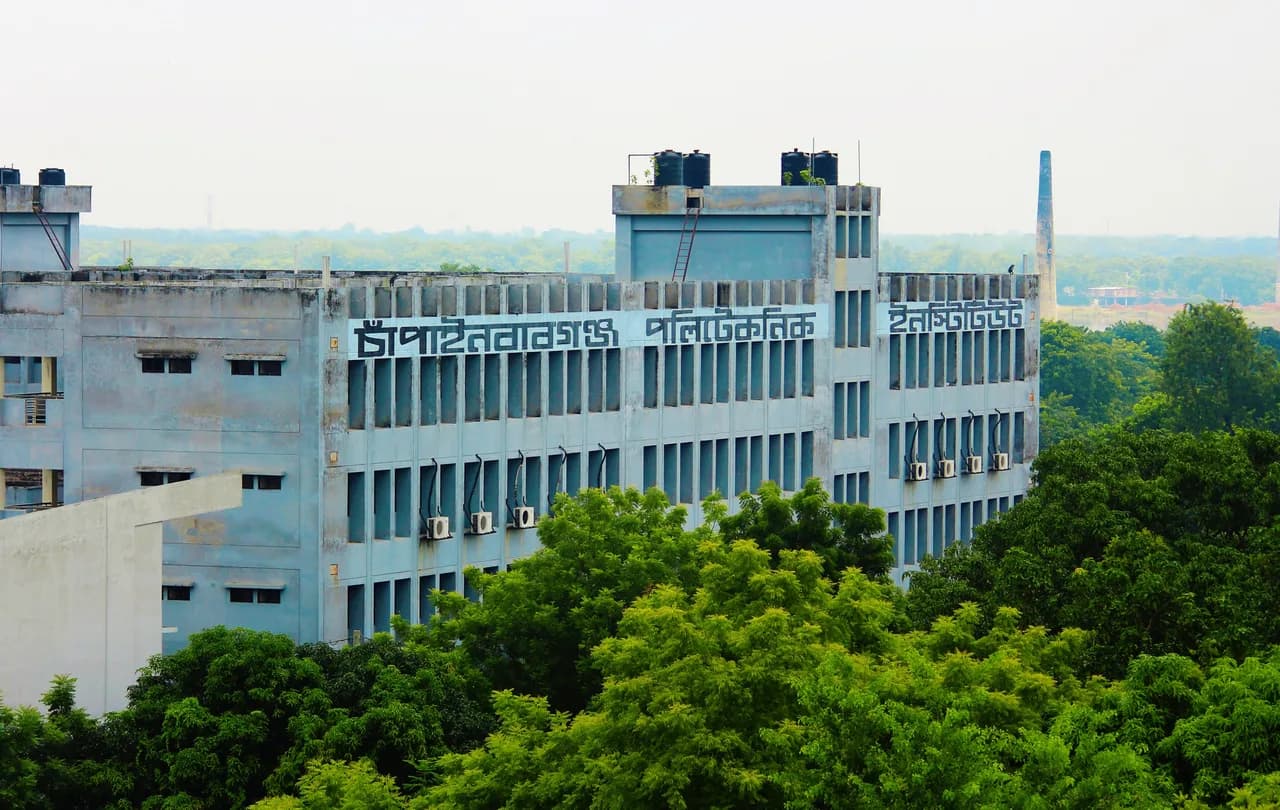
Discover Chapai Nawabganj Sadar, Chapai Nawabganj. Explore its scenic riverfront, prominent mango markets, and verified accommodations. Photo: Asif Ahmed
The northwestern frontier of Bangladesh holds a distinct charm, far removed from the bustling crowds of the capital or the commercialized beach resorts of the south. At the heart of this region lies Chapai Nawabganj Sadar, the administrative and cultural hub of a district universally celebrated as the mango capital of Bangladesh. For travelers seeking a weekend trip in Chapai Nawabganj or an extended dive into Rajshahi Division travel, this destination offers an incredible mix of ancient Sultanate architecture, tranquil riverine vistas, and an agricultural legacy that defines the local way of life.
Whether you are an archaeology enthusiast looking to photograph ancient terracotta structures or a business traveler arriving during the peak summer harvest, finding the right accommodation in Chapai Nawabganj is the first step toward a seamless journey. As the urban center of the district, Chapai Nawabganj Sadar serves as the perfect base camp, offering modern business hotels and family-friendly guest houses, while historical wonders wait just a short drive away.
Where is Chapai Nawabganj Sadar
Chapai Nawabganj Sadar Upazila is located in the westernmost part of Bangladesh, within the Rajshahi Division. The upazila is bordered by Shibganj and Gomastapur upazilas to the north, Nachol to the east, and the international border with India to the west. The geographical landscape is characterized by the flat fertile plains of the Mahananda River basin and the elevated clay terrains of the Barind Tract, creating a unique microclimate that has fueled the region's agricultural success for centuries.
Overview
As the urban core of the district, Chapai Nawabganj Sadar blends the functional necessities of a modern town with the relaxed, historic character of old Bengal. The town is highly walkable, with bustling bazaars, narrow winding lanes, and expansive river embankments where locals gather every evening. While the town itself functions as a trading hub for silk, brassware, and agricultural products, it acts as the primary hospitality gatekeeper for the entire district. Visitors typically set up their base here to access superior dining facilities, reliable transport links, and the finest hotels in Chapai Nawabganj before venturing out to explore the surrounding historical monuments.
History and Background
The history of Chapai Nawabganj Sadar is deeply intertwined with the historic region of Gaur, a medieval capital that once dominated the socio-political landscape of Bengal. During the Sultanate and Mughal eras, this territory served as an important strategic outpost along the river routes. The name "Nawabganj" itself hints at the region’s connection to the Nawabs of Bengal, who frequented the area for administration, trade, and royal retreats. Under British administration, the town grew as a center for indigo and silk trading. Today, the preservation of centuries-old brickwork and distinct cultural art forms ensures that heritage tourism in Bangladesh finds one of its most authentic expressions right here.
Why Visit Chapai Nawabganj Sadar
Chapai Nawabganj Sadar offers an escape from mainstream tourism timelines, offering experiences that feel deeply connected to the land. Travelers come to wander through massive, centuries-old mango orchards that stretch to the horizon, witness the timeless flow of the Padma and Mahananda rivers, and explore grand medieval mosques that stand as silent witnesses to Bengal’s golden architectural era. It is an ideal destination for experiential travelers, history buffs, and landscape photographers who want to experience authentic rural life without sacrificing the comfort of a reliable, modern hotel at the end of the day.
Best Time to Visit
Planning your trip depends heavily on what you want to experience. For heritage exploration, sightseeing, and outdoor trekking, the winter months from November to February are highly recommended. During this period, the weather remains pleasantly cool, rainfall is minimal, and walking through archaeological sites is exceptionally comfortable.
However, if you wish to witness the true spirit of the mango capital of Bangladesh, you must visit during the summer months of June and July. This is when the orchards are heavy with fruit, the legendary seasonal markets come alive, and the entire atmosphere of the town is infused with the sweet aroma of ripening mangoes.
Weather and Climate
The region experiences a tropical climate, characterized by three main seasons: a hot, dry summer, a humid monsoon season, and a mild, pleasant winter. Summers can be intensely warm, with temperatures occasionally exceeding 38°C, particularly in the dry clay soils of the Barind areas. The monsoon season brings heavy rainfall and lush green landscapes, which beautifully restores the river banks. Winters are dry and clear, with temperatures dropping to a comfortable 12°C to 15°C, making it the peak season for family travel and casual tourism.
How to Reach
Reaching Chapai Nawabganj Sadar is straightforward, with well-established road and rail connections linking it to major urban centers across Bangladesh.
By Road: High-quality, direct air-conditioned and non-air-conditioned bus services operate daily from Dhaka to Chapai Nawabganj. Renowned operators like Hanif Enterprise, National Travel, and Shyamoli Transport run regular schedules, taking approximately 7 to 8 hours depending on highway traffic.
By Rail: The train journey is favored by many travelers for its comfort and scenic views. The direct Banalata Express and other intercity trains connect Dhaka directly to Chapai Nawabganj Railway Station. Alternatively, visitors can take a train to Rajshahi and easily complete the remaining 50-kilometer distance via local commuter trains or private vehicle rentals.
Local Transportation
Navigating Chapai Nawabganj Sadar is highly affordable. Electric three-wheelers, locally known as "Easy Bikes," are the most common mode of transport for short urban hops. They operate on shared or private hire bases throughout the town. For a more leisurely pace, traditional cycle rickshaws are readily available for exploring the historic inner alleys. If you plan to visit outlying historical attractions such as the Choto Sona Mosque, hiring a private microbus or an auto-rickshaw for the day from the central town stand is the most convenient option.
Rivers and Natural Landscape
The natural landscape of the upazila is defined by its waterways. The Mahananda River flows directly past the town center, offering peaceful banks that serve as the community’s primary recreational spaces. Watching the traditional wooden country boats navigate the calm waters against a setting sun is a quintessential local experience. Further south, the mighty Padma River creates dramatic sandbars and wide vistas. Away from the rivers, the landscape shifts toward the undulating clay hills of Babu Daing, an eco-spot featuring natural springs and dense vegetation that provides a sharp contrast to the flat alluvial plains nearby.
When walking along the Mahananda River embankment, look for the traditional wooden country boats that dot the horizon. The river is the lifeblood of the local fishermen and provides a serene backdrop for afternoon strolls. The wide water channel acts as a natural cooling system for the town, ensuring a refreshing breeze along the bank even during warm afternoons.
Historical Heritage
The architectural heritage of the wider Chapai Nawabganj district represents some of the finest surviving examples of the independent Sultanate style in the Indian subcontinent. The region features intricate brickwork, curved cornices, and structural engineering that has survived centuries of tropical monsoons. While the grandest monuments are situated just outside the strict borders of the Sadar Upazila in neighboring Shibganj, Chapai Nawabganj Sadar remains the historical entry point where travelers prepare their itineraries, hire expert local guides, and secure comfortable lodgings before exploring the historical landscape.
Archaeological Sites
A short drive from the Sadar town center brings you to a treasure trove of medieval history. Foremost among these is the Choto Sona Mosque, often called the "gem of Sultanate architecture." Built during the reign of Sultan Alauddin Husain Shah, this magnificent multi-domed structure features stone cladding decorated with exquisite floral carvings. Nearby lie the sweeping ruins of the Darasbari Mosque and the adjacent Darasbari Madrasa, an ancient seat of Islamic learning characterized by vast open-air prayer halls and terracotta panels depicting intricate geometric motifs. Visitors can also explore the Tomb of Shah Niamatullah, a revered Sufi saint, situated within a peaceful complex that includes a historic three-domed mosque and an old summer palace.
Observe the meticulous stone carving on the front wall of the Choto Sona Mosque. The black stone facade features intricate relief work that catches the light beautifully during the early morning hours. Visitors should notice how the local builders adapted traditional Islamic architecture to include regional Bengali design elements, such as the gently curved eaves that mimic traditional thatched roofs.
The interior view of the Darasbari Mosque reveals the raw beauty of its weathered terracotta brickwork. When exploring this site, look closely at the remnants of the pillars and the beautiful patterns etched into the prayer niches. The open roof allows natural sunlight to illuminate the historical structural layers, making it an exceptional spot for architectural photography.
Mango Orchards
You cannot separate the identity of Chapai Nawabganj from its fruit production. Sprawling across thousands of hectares, the local mango orchards create a massive, continuous green canopy that dominates the rural sections of the upazila. Walking through these organized groves offers a peaceful retreat from urban noise. During the spring, the air is thick with the scent of mango blossoms, while the summer brings the sight of millions of green and golden fruits hanging safely from the branches. Many orchards have been maintained by the same families for generations, preserving heirloom varieties that cannot be found anywhere else in the world.
The vast expanse of a traditional mango grove showcases the agricultural heritage of the region. Notice the neat rows of mature trees, meticulously cared for by local farmers. Walking under this dense green canopy provides an instant escape from the summer heat, with the sunlight filtering softly through the thick leaves.
Photography Opportunities
For visual storytellers, Chapai Nawabganj Sadar is an undiscovered goldmine. The early morning light hitting the ancient bricks of the Darasbari Madrasa creates a warm, golden glow that is perfect for architectural photography. The riverbanks offer stunning opportunities for capturing classic Bangladeshi river life, from fishermen casting nets to expansive sunset reflections over the water. During harvest season, the vibrant colors and intense human energy of the local fruit markets provide endless documentary and street photography subjects.
Local Culture
The local culture is distinct, shaped by centuries of cross-border trade, agricultural rhythms, and a proud folk heritage. The people of Chapai Nawabganj are known for their warm hospitality and gentle dialect. One of the most significant cultural treasures of the region is Gambhira, a traditional folk performance featuring two main characters—a grandfather and his grandson—who engage in comedic dialogue, song, and dance to offer sharp, witty commentary on contemporary social issues and local governance. Catching a live Gambhira performance at a local festival provides an unforgettable look into the regional mindset.
Festivals
While traditional Bengali festivals like Pohela Boishakh (Bengali New Year) and the Eid celebrations are observed with immense joy, the region hosts unique seasonal celebrations centered on its harvests. The annual mango fairs and cultural exhibitions showcase the diversity of the local produce alongside folk music performances. Religious harmony shines during the annual Urs festivals held at the Shah Niamatullah complex, drawing pilgrims and spiritual singers from all over the country for nights filled with soulful mystic music.
Shopping and Local Markets
Shopping in Chapai Nawabganj Sadar is an immersive experience. The central Sadar Bazaar is a maze of stalls offering everything from daily essentials to fine locally produced silk fabrics. The region is also famous for its traditional brass and bell-metal utensils, crafted by skilled artisans using age-old techniques. During the summer, a trip to the nearby Kansat Mango Market—one of the largest specialized fruit markets in Asia—is absolute mandatory. Here, thousands of cycles and carts loaded with fresh mangoes clog the streets in a beautiful display of rural trade.
Witness the lively daily commerce at the Kansat Mango Market during the peak summer harvest. The market is packed with vendors displaying baskets of freshly plucked fruit. Visitors can observe the unique traditional system of non-verbal bidding and fast-paced negotiations that have dictated the regional fruit trade for generations.
Traditional Food
The culinary journey here is dominated by the seasons. During the summer, you can feast on premium mango varieties like Khirsapat, Langra, Fazli, and Amrapali, each offering a distinct profile of sweetness and texture. Beyond the fresh fruit, the regional cuisine features comforting traditional Bengali thalis centered around fresh catches from the Mahananda River.
A unique local specialty you must try is Kalai Ruti, a hearty, dense flatbread made from black gram flour, traditionally baked on clay pans and served piping hot alongside fiery duck curry, mashed eggplants (Begun Bhorta), or a spicy chili chutney. For dessert, look for local confectioneries preparing Aam Sondesh, a rich milk sweet flavored with pure mango pulp.
Hotels and Accommodation
When coordinating where to stay while exploring the region, travelers will find that Chapai Nawabganj Sadar serves as the definitive hospitality, retail, and transit center for the entire Chapai Nawabganj District and the broader western Rajshahi Division. Because Chapai Nawabganj Sadar, Chapai Nawabganj contains the main district municipality, key judicial courts, and major historical trading centers, all premier commercial hotels, private guest blocks, and high-security government lodgings are concentrated directly within its borders. Unlike remote, rural sub-districts where visitors are forced to seek accommodation outside the zone, those touring the area can comfortably base themselves right inside the city center.
The local hospitality sector features a highly practical mix of modern, air-conditioned executive suites, quiet commercial buildings, and secure government compounds. These properties are primarily situated around prominent municipal loops such as Shantinagar Mor, Sadar Road, and the Bishroad Intersection. This centralized layout ensures immediate vehicular transport links to Chapai Nawabganj's signature landmarks—such as the scenic Mahananda River banks, the legendary mango wholesale markets, and adjacent archaeological sites like the Choto Sona Mosque and Tohakhana Complex—while granting travelers access to 24-hour automatic backup electricity grids, monitored vehicle parking garages, and multi-cuisine in-house dining spaces.
Recommended Hotels in Chapai Nawabganj Sadar, Chapai Nawabganj
Sky View Inn
Location: Conveniently situated right along the main road corridor in the central Shantinagar Mor area of Chapai Nawabganj Sadar, providing a highly accessible municipal base.
Nearby Attractions: Mahananda River bridge embankments (Captain Mohiuddin Jahangir Bridge), central town trading centers, local public walking paths, and major district government administrative complexes.
Best Suited For: Families, domestic and international researchers, corporate executives, and premium travelers seeking standard urban comforts.
Verified Room Categories: VIP Air-Conditioned (AC) Rooms, Executive AC Double Rooms, Standard AC Twin Rooms, and budget-friendly Non-AC Standard Rooms.