

All ArticlesDestination Guide
Chatmohar, Pabna: Heritage Attractions, Chalan Beel & Travel Guide
N
Nasir Khan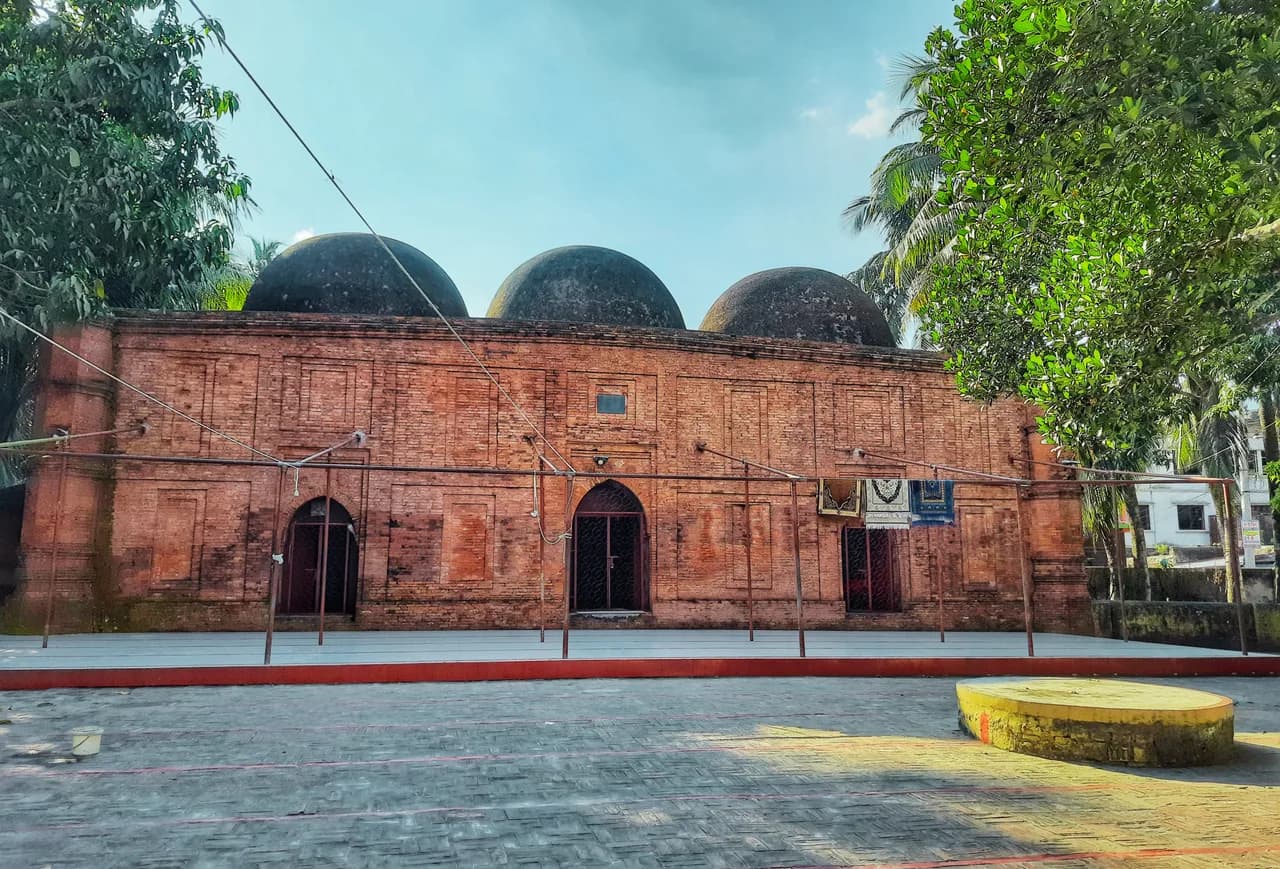
Discover Chatmohar, Pabna. Plan your journey to explore its historic Shahi Mosque, vast seasonal wetlands, local culture, and verified accommodations nearby. Image credit: Shariful Islam (Masum), Niriho khoka
Located in the northern belt of Pabna District in Rajshahi Division, Chatmohar is a historically rich upazila defined by 16th-century Mughal architecture, ancient terracotta temples, serene riverways, and broad wetland landscapes along the edge of Chalan Beel. Historically a thriving trade outpost along the Baral and Chiknai rivers, Chatmohar offers travelers an authentic glimpse into Bengal's architectural legacy and rural heritage.
Whether you are planning a cultural weekend trip in Pabna, exploring centuries-old mosques and temples, or taking a scenic boat tour across flooded wetlands, Chatmohar provides an immersive escape from urban centers. This comprehensive travel guide covers key historical attractions, practical transport routes, regional food recommendations, and verified accommodation options in Chatmohar and nearby Pabna Sadar to help you plan a memorable stay.
Where is Chatmohar
Chatmohar Upazila is situated in the northern portion of Pabna District in western Bangladesh. Positioned within the agricultural basin of North Bengal, it sits approximately 30 kilometers north of Pabna Sadar town and roughly 200 kilometers northwest of the capital city, Dhaka.
District: Pabna District (Rajshahi Division)
Geographic Boundaries: Chatmohar is bordered by Gurudaspur and Tarash upazilas to the north, Bhangoora Upazila to the east, Atgharia and Pabna Sadar upazilas to the south, and Baraigram Upazila to the west.
Key Waterways: The Baral River, Chiknai River, and the southern wetlands of Chalan Beel shape its topography.
Overview
Chatmohar represents a harmonious blend of historical depth, cultural traditions, and rural tranquility. The upazila center, Chatmohar town, serves as the administrative hub, featuring bustling local bazaars, historic neighborhoods, and direct railway connections to major cities across Bangladesh. Beyond the town center, traditional villages, mustard fields, lotus-filled ponds, and expansive riverbanks create a picturesque countryside environment.
As a primary focal point for cultural tourism Bangladesh has to offer in the Pabna region, Chatmohar allows travelers to comfortably explore significant heritage landmarks while enjoying easy access to visitor services, dining, and hotel options both locally and in nearby Pabna Sadar.
History and Background
Chatmohar carries a storied history dating back to the late Bengal Sultanate and early Mughal periods. During the late 16th century, the region served as a strategic stronghold for Afghan chieftains known as the Baro-Bhuiyans, who resisted Mughal imperial expansion in Bengal. In 1581 AD (989 AH), Masum Khan Kabuli, a prominent rebel leader, constructed the famous Chatmohar Shahi Mosque, establishing the area as an important administrative and military outpost.
During the British colonial period, the nearby river port village of Handial developed into a prosperous commercial center under the East India Company, known for its active silk, indigo, and saltpeter trade. Over the centuries, Hindu zamindars and European Christian missionaries also established lasting roots here, leaving behind terracotta temples and historic mission buildings that define Chatmohar's diverse cultural architecture today.
Why Visit Chatmohar
Mughal Architectural Heritage: Home to one of the few surviving late-16th-century Mughal mosques in western Bangladesh.
Ancient Terracotta Temples: Explore the historic ruins and intricate terracotta artwork of the Handial Temple Complex.
Chalan Beel Waterfronts: Easy access to broad wetland vistas, seasonal aquatic flowers, and scenic sunset boat trips.
Peaceful Rural Atmosphere: Picturesque agricultural landscapes, mustard bloom fields in winter, and shaded riverbank walking paths.
Direct Rail Access: Conveniently connected to Dhaka, Rajshahi, and Khulna via the main West Zone network of Bangladesh Railway.
Best Time to Visit
The ideal period to plan a trip to Chatmohar is between October and March.
Winter Season (November to February): Temperatures range comfortably between 12°C and 25°C, making winter the best season for sightseeing, heritage walks, and village exploration. During December and January, the countryside around Chatmohar transforms into a sea of bright yellow mustard blossoms.
Monsoon and Post-Monsoon (July to October): Monsoon rains fill the vast basin of Chalan Beel, expanding river channels and turning rural villages into lush green water-bound islands. This is the prime season for boat excursions and sampling fresh river fish.
Weather and Climate
Chatmohar experiences a sub-tropical monsoon climate characterized by three distinct seasons:
Winter (November – February): Mild, dry, and pleasant. Nighttime temperatures can fall to 10°C–13°C, while daytime conditions remain sunny and clear.
Summer (March – June): Warm to hot, with daytime temperatures ranging from 30°C to 36°C. Pre-monsoon afternoon showers bring temporary cooling.
Monsoon (July – October): Warm and humid with frequent heavy rainfall. River water levels peak, filling local wetlands and canals.
How to Reach
Traveling by Train
Chatmohar Railway Station is a major railway stop on the West Zone network of Bangladesh Railway. Daily intercity express trains depart from Dhaka's Kamalapur Railway Station, including the Silk City Express, Padma Express, and Dhumketu Express. The rail trip takes approximately 4 to 4.5 hours from Dhaka, traveling across the Bangabandhu Bridge over the Jamuna River.
Traveling by Bus
Direct intercity AC and non-AC buses operate daily from Dhaka’s Mohakhali, Kalyanpur, and Shyamoli bus terminals to Chatmohar and Pabna Sadar. Prominent bus companies include Pabna Express, Shyamoli Paribahan, and C-Line. Bus travel times typically range between 4.5 and 5.5 hours depending on highway traffic conditions.
Traveling by Private Car
Travelers driving from Dhaka can take the N5 national highway toward Tangail, cross the Bangabandhu Bridge, and proceed along the Sirajganj–Boraigram highway before turning onto the Chatmohar access road.
Local Transportation
Navigating Chatmohar Upazila is straightforward and economical:
Battery-Operated Easy-Bikes & Rickshaws: The standard choice for short trips within Chatmohar town and to nearby sights like the Chatmohar Shahi Mosque.
CNG Auto-Rickshaws: Readily available at Chatmohar Railway Station and the Main Bazaar for private hires to Handial, Mathurapur, or Pabna Sadar town.
Wooden Engine Boats: Available for rent at local river ghats and wetland docks during monsoon and post-monsoon months for scenic tours along Chalan Beel.
Rivers and Natural Landscape
The natural environment of Chatmohar is deeply connected to its river networks. The Baral River and Chiknai River meander through the upazila, nourishing agricultural fields and providing life to local freshwater fisheries.
To the north, the terrain transitions into the sprawling wetlands of Chalan Beel, one of South Asia's largest natural wetland ecosystems. During the wet months, the open water surfaces reflect the sky, offering peaceful vistas, floating lotus beds, and opportunities to observe native waterbirds.
Cultural Heritage
Chatmohar's cultural identity reflects centuries of peaceful co-existence among Muslim, Hindu, and Christian communities. From Mughal military leaders constructing brick mosques to Hindu craftsmen embellishing terracotta temples, the upazila preserves a multi-layered architectural lineage. Local folk music traditions, riverine folklore, and seasonal agricultural fairs continue to thrive across its rural unions.
Historical Landmarks
Verified Landmarks Inside Chatmohar Upazila
1. Chatmohar Shahi Mosque
Located in the heart of Chatmohar town bazaar, the Chatmohar Shahi Mosque is a historic Islamic monument constructed in 1581 AD (989 AH) by Khan Muhammad bin Tuwi Khan Qaqshal under the rebel leader Masum Khan Kabuli. Built primarily of solid red brick, the structure showcases early Mughal and late Bengal Sultanate architectural elements.
Overview: A heritage three-domed brick mosque measuring 18.14 meters by 8.23 meters, featuring octagonal corner towers and arched doorways.
Why Visit: It stands as one of the earliest surviving Mughal-era monuments in western Bangladesh, protected by the Department of Archaeology.
Historical Significance: Commissioned when Masum Khan Kabuli established Chatmohar as an independent stronghold resisting Mughal control. A Persian inscription from the mosque is preserved at the Varendra Research Museum in Rajshahi.
Visitor Experience: Examine the thick structural walls, multi-domed roofline, central arched entryways, and historic brickwork set within a quiet courtyard setting.
Photography Opportunities: Capture early morning sunlight on the warm red brick facade, octagonal corner towers, and gentle arched entrances.
Best Season: Year-round.
Approximate Duration: 40 to 60 minutes.
Nearby Accommodation Options: Local government rest houses in Chatmohar town offer basic lodging, while full-service resort options such as Ratnodweep Resort in Pabna Sadar sit 30 km south.
Museums
While Chatmohar Upazila does not feature a dedicated state museum building, key historical inscriptions, architectural panels, and stone relics discovered at Chatmohar Shahi Mosque and local excavation sites are preserved and displayed at the Varendra Research Museum in neighboring Rajshahi City, as well as on-site architectural preservation display boards managed by the Department of Archaeology.
Religious and Spiritual Sites
1. Handial Jagannath Temple (Handial Temple Complex)
Handial is a historic village union located in the northern portion of Chatmohar Upazila. The area houses several ancient Hindu heritage structures, including the Handial Jagannath Temple.
Overview: A historic Hindu temple dedicated to Lord Jagannath, featuring intricate terracotta carvings embedded across its brick walls.
Why Visit: Handial was a major silk-trading river port during the 16th to 18th centuries; the temple reflects the artistry of ancient artisans.
Historical Significance: Represents the rich tradition of Bengal terracotta temple architecture from the medieval era.
Visitor Experience: Observe detailed terracotta plaques depicting traditional mythological scenes, floral motifs, and geometric patterns carved directly into the exterior walls.
Photography Opportunities: Close-up shots of exterior terracotta panels and surrounding village landscape.
Best Season: October to March.
Approximate Duration: 1 to 1.5 hours.
Nearby Accommodation Options: Accessible via a short auto-rickshaw trip from Chatmohar town rest houses or on day trips from hotels in central Pabna Sadar.
2. St. Rita's Church (Mathurapur Church)
Situated in Mathurapur Union of Chatmohar Upazila, St. Rita's Church is a historic Catholic mission established in the early 20th century. Surrounded by well-kept lawns and mature trees, the church complex serves a long-established local Christian community.
Overview: A historic Christian mission compound featuring a colonial-style church hall, chapel, and grounds.
Why Visit: Illustrates the region's diverse religious history and Catholic mission heritage in Pabna District.
Visitor Experience: Enjoy a peaceful walk through the shaded church grounds and admire the colonial architecture.
Best Season: Year-round, especially around Christmas and annual parish feast days.
Approximate Duration: 30 to 45 minutes.
Nearby Verified Attractions in Pabna District
Travelers staying in the area frequently combine their Chatmohar trip with these landmark attractions located in nearby upazilas of Pabna District:
Hardinge Bridge & Lalon Shah Bridge (Ishwardi): Located approximately 45 kilometers southwest of Chatmohar, Hardinge Bridge is a steel railway bridge spanning the Padma River, opened in 1915 during the British period.
Tarash Rajbari (Pabna Sadar): A colonial-era zamindar palace located in central Pabna Sadar town (30 km south), featuring European-influenced classic facades.
Satsang Ashram (Pabna Sadar): A large, peaceful spiritual complex founded by Sri Sri Thakur Anukulchandra, located in Pabna town.
Local Lifestyle
Life in Chatmohar reflects traditional rural Bengal rhythms. Farming, freshwater fishing, weaving, and pottery remain central economic activities. On market days, villagers gather at local bazaars to trade fresh crops, handcrafted jute items, and traditional sweetmeats. Shaded village paths, riverside ghats, and open paddy fields define daily life across Chatmohar's countryside unions.
Art, Music and Cultural Traditions
Folk music traditions such as Bhatiali (riverside songs) and Pala Gaan are performed during village festivals and seasonal celebrations. Artisans in rural unions continue to practice traditional terracotta craftsmanship, bamboo weaving, and pottery making, preserving skills passed down through generations.
Festivals and Events
Eid-ul-Fitr & Eid-ul-Adha: Celebrated with congregational prayers at Chatmohar Shahi Mosque and local Eidgah grounds, followed by festive community gatherings.
Durga Puja & Jagannath Rath Yatra: Festive religious gatherings held at Handial and Chatmohar town temples, featuring colorful processions and market fairs.
Feast of St. Rita (Mathurapur): An annual religious gathering at St. Rita's Church attracting Christian pilgrims and local visitors from across Pabna District.
Monsoon Boat Fairs (Nouka Baich): Traditional dragon-boat racing events organized along the Baral River and Chalan Beel channels during post-monsoon months.
Shopping and Local Markets
Chatmohar Main Bazaar: The central trading hub of the upazila, offering fresh seasonal produce, handloom fabrics, daily goods, and local sweets.
Handial Bazaar: A historic village market known for fresh catches of fish coming directly from Chalan Beel fishermen.
Handicrafts & Pottery: Visitors can purchase traditional clay earthenware, bamboo basketry, and hand-woven mats from artisan stalls in rural villages.
Traditional Food
The cuisine of Chatmohar emphasizes fresh, locally sourced ingredients and traditional Bengali recipes:
Chalan Beel Freshwater Fish: Sample delicious curries and mustard-cooked preparations of locally caught fish such as Boal, Rui, Chital, Tengra, and Pabda.
Pabnar Doi (Sweet Curd): Pabna District is celebrated throughout Bangladesh for its rich, thick sweet yogurt prepared in traditional clay pots.
Pera Sandesh & Local Sweets: Indulge in classic milk-based sweetmeats including fresh Chhana sweets, Pera Sandesh, and Roshogolla from long-standing confectioners in Chatmohar Bazaar.
Village-Style Beef and Mutton Curries: Slow-cooked meat dishes prepared with aromatic spices, garlic, mustard oil, and green chilies, served with hot rice or parathas.
Hotels & Accommodation
Selecting the right place to stay depends on your preferred comfort level, travel style, and sightseeing itinerary.