

All ArticlesDestination Guide
Dhunat Travel Guide: Rivers, Rural Heritage, and Stays in Bogura
N
Nasir Khan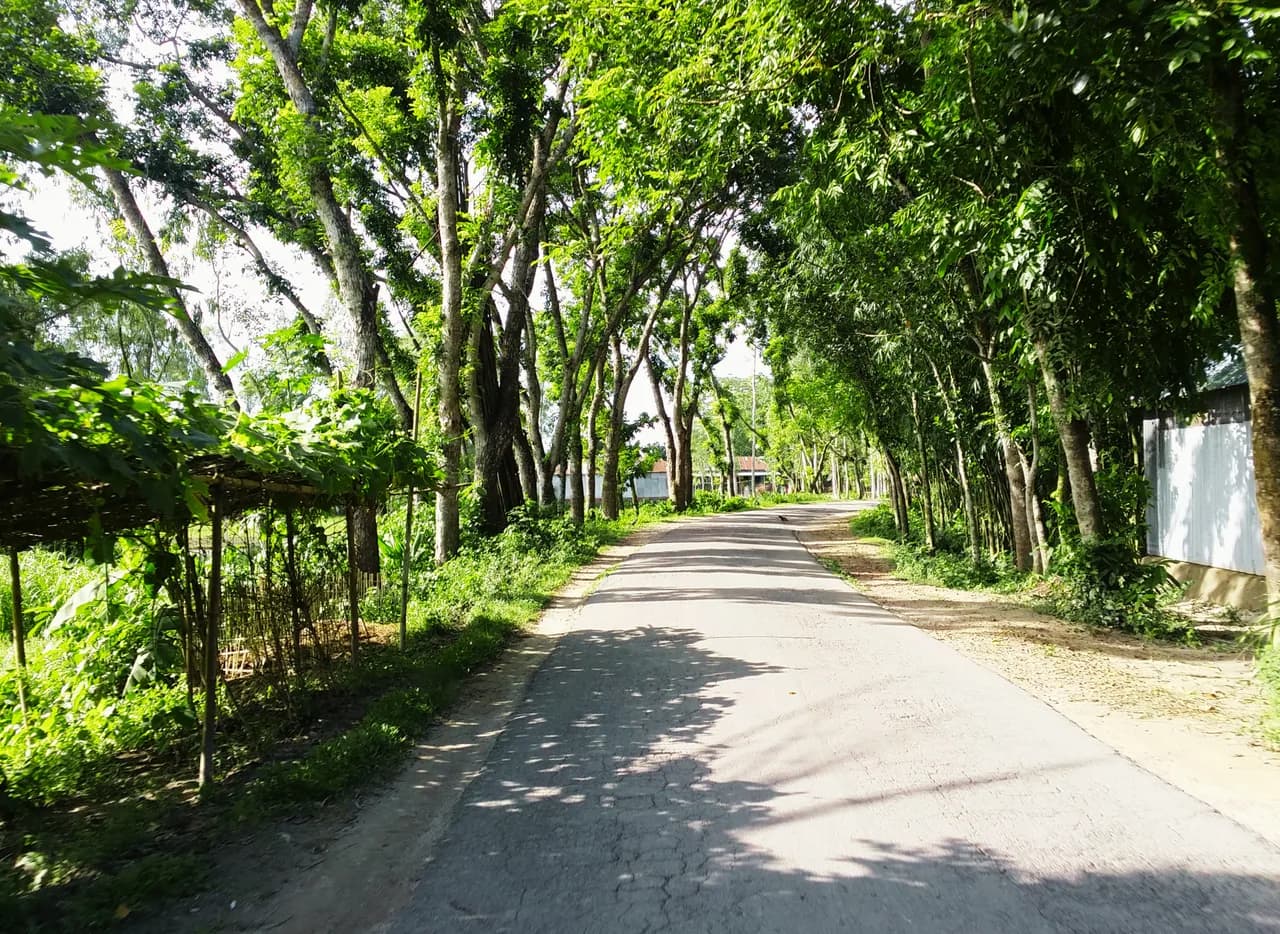
calm escape characterized by expansive riverbanks, traditional farming villages, historic colonial remnants, Image credit: Sabbir Sohan
Dhunat Upazila in southeastern Bogura District presents an authentic window into northern Bangladesh's riverine heartland. Bounded by the mighty Jamuna River to the east and bisected by the meandering Bangali River, this fertile agricultural area offers a calm escape characterized by expansive riverbanks, traditional farming villages, historic colonial remnants, and centuries-old spiritual tradition. Positioned just 30 kilometers southeast of Bogura town, Dhunat serves as both a tranquil eco-rural getaway and an accessible cultural stopover for travelers exploring heritage tourism in Bangladesh.
Where is Dhunat
Overview
Located in the Rajshahi Division of northern Bangladesh, Dhunat Upazila covers an area of approximately 247 square kilometers. It borders Sariakandi and Gabtali upazilas to the north, Sherpur and Shajahanpur upazilas to the west, and Sirajganj District to the east and south. The terrain is defined by low-lying alluvial plains created by active river systems, giving rise to vibrant seasonal agricultural landscapes, fertile char islands along the Jamuna, and active freshwater fishing communities.
History and Background
Historically part of the greater Pundravardhana cultural landscape, Dhunat evolved over centuries around trade along the Bangali and Jamuna rivers. Dhunat Thana was established in 1962 during the Pakistan period and upgraded to an upazila in 1983. The region preserves structural remnants of the British colonial indigo trade, traditional zamindari estates, and significant sites from the 1971 Liberation War, where local freedom fighters engaged in strategic riverine resistance operations.
Why Visit Dhunat
Travelers seeking an authentic weekend trip in Bogura visit Dhunat to experience undisturbed countryside, watch daily riverine life along the Jamuna embankment, visit historical ruins like Durgabhaban at Elangi Bandar, and taste regional culinary specialties. Its location makes it easy to combine rural exploration in Dhunat with historic architectural tours of nearby Mughal mosques in Sherpur and ancient archaeological monuments in Mahasthangarh.
Best Time to Visit
Weather and Climate
Dhunat experiences three distinct seasons: winter (November to February), summer (March to May), and monsoon (June to October).
Winter (November to February): Daytime temperatures range between 18°C and 25°C with cool mornings and low humidity. This is the optimal season for rural walking tours, river excursions, photography, and exploring open-air heritage sites without heat discomfort.
Summer (March to May): Temperatures frequently exceed 34°C, accompanied by high humidity and occasional pre-monsoon thunderstorms (Nor'westers). Morning and late afternoon travel remains pleasant along shaded riverbanks.
Monsoon (June to October): Heavy rainfall swells the Jamuna and Bangali rivers, transforming the countryside into a deep green landscape. While water transit becomes lively and scenic, localized flooding along eastern char areas can alter travel routes.
How to Reach
Getting to Dhunat is straightforward from Dhaka and major cities across northern Bangladesh due to well-maintained highway links through Bogura Sadar and Sherpur.
By Highway Bus from Dhaka: Direct AC and non-AC intercity buses (including Hanif Enterprise, Shyamoli Paribahan, SR Travels, and Nabil Paribahan) run regularly from Dhaka's Gabtali and Mohakhali bus terminals to Bogura town or Sherpur bus stand. Travel time is approximately 4.5 to 5.5 hours via the N5 national highway and Bangabandhu Bridge.
From Bogura Sadar to Dhunat: Local buses, CNG auto-rickshaws, and private rental cars connect Bogura Sadar to Dhunat town via the Bogura-Dhunat road. The 30-kilometer road journey takes around 45 to 60 minutes.
From Sherpur to Dhunat: Travelers stopping at Sherpur can take local CNG auto-rickshaws or motorbikes directly to Dhunat, covering the 12-kilometer stretch in roughly 20 to 25 minutes.
Local Transportation
Within Dhunat Upazila, travel relies on electric auto-rickshaws (Easy Bikes), CNG three-wheelers, motorbikes, and walking. For exploring char areas along the Jamuna River, wooden engine boats (trawler boats) operate daily from river ghats like Bhandarbari and Gosainbari.
Rivers and Natural Landscape
Rivers form the geographical and socio-economic backbone of Dhunat. The Jamuna River marks the eastern boundary, featuring wide sandy islands (chars), riverbank embankments, and dramatic seasonal water changes. The Bangali River flows directly through the upazila, nourishing rice paddies, mustard fields, and vegetable gardens while supporting traditional net-fishing communities. Wetlands, local canals, and seasonal beels fill during the monsoon, offering breeding grounds for native freshwater fish and temporary sanctuaries for winter migratory birds.
Cultural Heritage
Historical Landmarks
Dhunat contains several structural echoes of northern Bengal's past. Notable landmarks include the structural remains of Durgabhaban at Elangi Bandar, an old riverine commercial center; historical remnants of British-era Neelkuthi (indigo processing centers); and the old residence of Badsha Sekander at Berer Bari village.
Museums
While Dhunat Upazila lacks a dedicated government museum, local artifacts and regional history are showcased at the Mahasthangarh Museum, located 38 kilometers north in Bogura Sadar. The museum houses ancient terracotta plaques, inscriptions, coins, and pottery recovered from regional archaeological excavations.
Religious and Spiritual Sites
Spiritual life in Dhunat centers around community Jame Mosques, traditional village ashrams, and rural shrines. Prominent sites include the Joarkhali Madrasa complex, historical village temples around Elangi and Mathurapur, and nearby historic mosques in adjacent Sherpur Upazila.
Local Lifestyle
Art, Music and Cultural Traditions
Rural life in Dhunat maintains traditional Bengali agrarian rhythms. Seasonal folk music, including Bhatiali (river boatmen songs) and Bhawaiya, remains popular among local elders and boatmen. Craftspeople in rural villages produce hand-woven bamboo baskets, clay pottery, and traditional fishing nets.
Festivals and Events
Major celebrations include Eid-ul-Fitr, Eid-ul-Adha, and Durga Puja, marked by community feasts, traditional fairs (Mela), and cultural performances. Rural sports events such as boat races (Nouka Baich) on the Jamuna River during the late monsoon draw spectators from surrounding districts.
Shopping and Local Markets
Haat days (bi-weekly open-air markets) at Dhunat Town Market, Gosainbari Market, and Elangi Bandar offer fresh river fish, organic farm vegetables, handmade bamboo goods, molasses, and locally made sweetmeats.
Traditional Food
Dhunat's culinary offerings center on fresh freshwater catches from the Bangali and Jamuna rivers—including Ruhi, Katla, Boal, Tengra, and seasonal Ilish—cooked with mustard paste and fresh green chilies. Local tea stalls and sweet shops serve fresh milk curds and traditional fried sweets.
Travel Styles
Family Travel
Families can enjoy relaxed morning walks along river embankments, light boat rides on the Bangali River, and day excursions to historical sites in Sherpur and Bogura Sadar, combining outdoor recreation with accessible historical learning.
Couples Travel
Couples seeking quiet countryside retreats will appreciate the sunset views over the Jamuna riverbanks, slow country drives through mustard fields in winter, and high-end resort accommodations available nearby in Bogura Sadar.
Solo Travel
Solo travelers interested in cultural tourism in Bangladesh can easily navigate Dhunat using local CNG rickshaws, interact with welcoming village communities, document rural life, and visit off-the-beaten-path historical sites.
Budget Travel
Dhunat is economical for budget travelers. Transportation via local auto-rickshaws, regional bus fares, street dining at market stalls, and entry to natural attractions cost very little, making it an affordable day-trip destination.
Responsible Tourism
Visitors should practice respectful travel in rural Dhunat:
Always seek permission before photographing local villagers, farmers, or religious gatherings.
Avoid discarding plastic waste or water bottles along riverbanks and countryside trails.
Support local rural commerce by purchasing fresh produce, snacks, and crafts directly from village vendors and market stalls.
Dress modestly when visiting villages and religious sites.
Safety Tips
River Caution: Wear approved life jackets during engine boat trips on the Jamuna River, especially during late monsoon high-water conditions.
Sun Protection: Bring hats, sunglasses, and high-SPF sunscreen when spending extended hours outdoors on unshaded embankments.
Hydration: Carry bottled or purified drinking water, as rural walking routes have limited filtered water points.
Cash Readiness: Carry sufficient local Bangladeshi Taka cash, as digital payments and card terminals are unavailable in smaller rural village markets.
Suggested Itineraries
Suggested One-Day Itinerary
Morning (8:00 AM – 11:30 AM): Depart Bogura town early toward Dhunat. Stop at Elangi Bandar to inspect historic Durgabhaban and walk along the Bangali River.
Midday (12:00 PM – 2:00 PM): Enjoy a traditional Bangladeshi lunch featuring freshwater fish curry at a clean local restaurant in Dhunat town market.
Afternoon (2:30 PM – 5:30 PM): Drive to the Jamuna River embankment at Bhandarbari or Gosainbari. Take a late-afternoon boat ride to a nearby river char and watch the sunset over the water.
Evening (6:00 PM onward): Return to Sherpur or Bogura Sadar for dinner and your hotel stay.
Suggested Two-Day Itinerary
Day 1: Dhunat Rural and Riverine Discovery
Morning: Journey from Bogura Sadar to Dhunat town; explore local markets and Joarkhali Madrasa site.
Afternoon: Visit Berer Bari village to see the historic house of Badsha Sekander, followed by a scenic walk along the Bangali River.
Late Afternoon: Sunset views from the Jamuna River embankment at Gosainbari.
Evening: Return to Bogura Sadar hotel; dinner featuring local Bogura delicacies.
Day 2: Heritage Tour of Sherpur and Bogura
Morning: Travel to neighboring Sherpur Upazila to visit the 16th-century Mughal Kherua Mosque.
Midday: Head north of Bogura town to explore the ancient citadel ruins and museum at Mahasthangarh and Gokul Medh.
Afternoon: Taste authentic Bogura Doi (curd) at Satmatha in Bogura Sadar before departing.
Tourist Attractions
Dhunat Upazila and its surrounding district offer a compelling mix of river landscapes, historic village sites, and ancient archaeological monuments.
Bangali Riverfront and Bridges
Overview: A picturesque freshwater river flowing centrally through Dhunat, flanked by agricultural fields, bamboo groves, and small fishing villages.
Why Visit: Offers quintessential rural Bengal scenery, quiet walking routes, and gentle boat trips.
Historical or Cultural Significance: Serves as the historical trade and agricultural lifeline of southern Bogura District.
Visitor Experience: Relaxing atmosphere ideal for morning walks, observing fishermen at work, and interacting with local farmers.
Photography Opportunities: Reflection shots on calm morning waters, wooden fishing boats, and sunset silhouettes.
Best Season to Visit: October to March (dry, mild weather).
Approximate Visit Duration: 1 to 2 hours.
Nearby Verified Accommodation Options: Local Government Rest House in Dhunat town; full-service hotels in Bogura Sadar (30 km) such as Hotel Naz Garden and Rochas Hotel & Resort.
Jamuna River Embankment and Chars (Bhandarbari / Gosainbari)
Overview: The expansive eastern frontier of Dhunat Upazila along the massive Jamuna River, featuring massive water channels and temporary sandy islands (chars).
Why Visit: Provides an impressive view of one of Asia's largest river systems, boat excursions, and sandbar walks.
Historical or Cultural Significance: Shapes the environmental, economic, and seasonal lifestyle of eastern Bogura.
Visitor Experience: Exhilarating open-air breeze, engine boat rides, and panoramic water horizons.
Photography Opportunities: Panoramic river vistas, boatmen navigating currents, and char island landscapes.
Best Season to Visit: November to February for calm boat rides; September to October for dramatic high-water views.
Approximate Visit Duration: 2 to 3 hours.
Nearby Verified Accommodation Options: Mid-range and luxury accommodations in Bogura Sadar (35 km) or Sherpur business hotels (18 km).
Durgabhaban and Historic Elangi Bandar
Overview: The heritage quarter of Elangi Bandar in Dhunat, containing structural remnants of an old commercial river port and landlord estate structures.
Why Visit: A quiet heritage stop for architecture enthusiasts interested in colonial and zamindari-era rural brickwork.
Historical or Cultural Significance: Elangi was a major river trade outpost during the 19th and early 20th centuries.
Visitor Experience: Exploring old brick arches, narrow village lanes, and talking with local village elders about oral histories.
Photography Opportunities: Aged brickwork, vintage doorways, and rustic village scenery.
Best Season to Visit: November to March.
Approximate Visit Duration: 45 minutes to 1 hour.
Nearby Verified Accommodation Options: Hotel Naz Garden (Bogura Sadar), Hotel Siesta (Bogura Sadar).
House of Badsha Sekander at Berer Bari
Overview: A historic village estate located in Berer Bari village within Dhunat Upazila.
Why Visit: Highlights traditional village landholding architecture surrounded by peaceful countryside.
Historical or Cultural Significance: Represents local elite rural housing and community history in post-colonial Bengal.
Visitor Experience: Shaded village walk and interaction with hospitable local residents.