

All ArticlesDestination Guide
Dhupchanchia, Heritage, and Verified Stays in Bogura, Bangladesh
N
Nasir Khan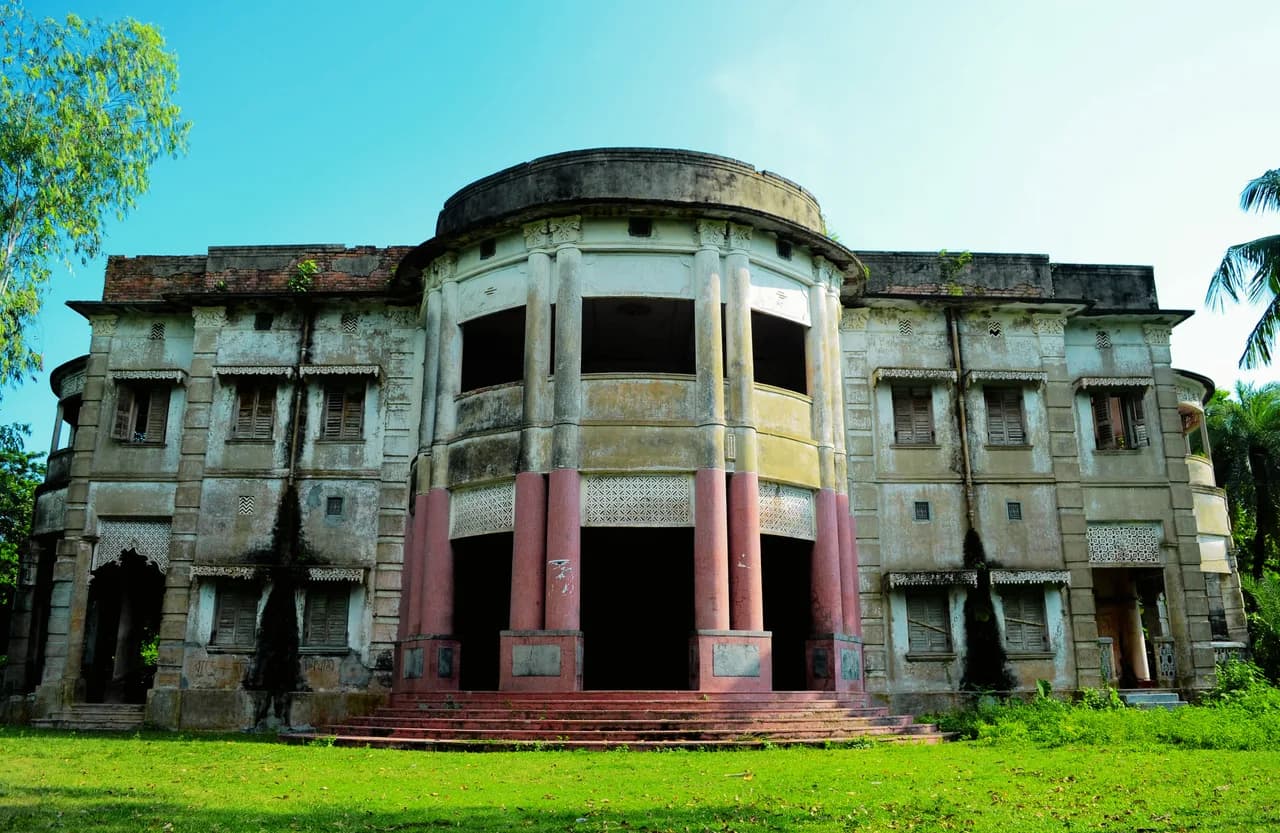
Bangladesh's most captivating blends of serene rural beauty, zamindari heritage, and agricultural traditions. Image credit: RockyMasum, Rashed rumman
Dhupchanchia Upazila, located in the north-western heartland of Bogura District, presents one of Northern Bangladesh's most captivating blends of serene rural beauty, zamindari heritage, and agricultural traditions. Framed by the gently flowing Nagar River and expansive green paddy and mustard fields, Dhupchanchia offers travelers an authentic, off-the-beaten-track escape while serving as an ideal gateway to the ancient archaeological treasures of the wider Bogura region. Whether exploring century-old estates, strolling along tranquil riverbanks, or embarking on day trips to historical landmarks like Mahasthangarh, planning a trip to Dhupchanchia rewards visitors with rich cultural encounters and comfortable accommodation options.
Where is Dhupchanchia
Dhupchanchia is an upazila of Bogura District situated in the Rajshahi Division of northwestern Bangladesh. It lies approximately 20 kilometers west of Bogura town, along the primary transit corridor connecting Bogura Sadar with Naogaon District and Joypurhat District. The upazila covers an area of roughly 162.44 square kilometers and is bounded by Khetlal and Joypurhat Sadar upazilas to the north, Kahaloo and Shibganj upazilas to the east, Adamdighi upazila to the west, and Kahaloo and Nandigram upazilas to the south.
Overview
Characterized by fertile floodplain terrain, bustling rural markets, and a peaceful agrarian lifestyle, Dhupchanchia serves as an important commercial and agricultural hub within Bogura District. The town of Dhupchanchia and its administrative center maintain a steady rhythm of regional trade, famed for rice milling, handicraft production, and vibrant weekly hats (traditional rural markets). Surrounding the urban center are vast stretches of farmland that transform seasonally into vibrant yellow mustard fields during winter and deep emerald paddy fields during the monsoon.
History and Background
The historical trajectory of Dhupchanchia is deeply intertwined with the broader history of ancient Pundravardhana and the medieval zamindari systems of Northern Bengal. Officially established as a thana (police station) in 1880 under British colonial administration, Dhupchanchia was elevated to an upazila in 1983. Historically, the area prospered as an agrarian trading post along the Nagar River, serving local feudal estates such as the Gunahar Zamindari estate. The region played an integral role in Northern Bengal's transport network following the installation of the Santahar-Kaunia railway line during the late 19th and early 20th centuries, establishing centers like Talora as major commercial hubs.
Why Visit Dhupchanchia
Travelers seeking an immersive experience away from congested commercial tourist centers will find Dhupchanchia immensely rewarding. Visiting Dhupchanchia offers a rare glimpse into authentic rural Bangladeshi culture, where traditional crafts, seasonal agricultural festivals, and historic zamindari architecture coexist. Its strategic position along major regional highways makes Dhupchanchia an optimal base or waypoint for exploring Northern Bangladesh’s grand archaeological circuit, combining rural relaxation with high-value historical sightseeing.
Best Time to Visit
The optimal window for visiting Dhupchanchia spans from November to February. During these winter months, temperatures are pleasant, humidity drops significantly, and rainfall is minimal. Winter also coincides with the flowering of mustard crops, dressing the countryside in brilliant yellow blankets. Morning fog across the Nagar River adds a poetic atmospheric quality ideal for rural exploration and photography. Late autumn (October) and early spring (March) are also pleasant times to travel.
Weather and Climate
Dhupchanchia experiences a subtropical monsoon climate with three distinct seasons:
Winter (November to February): Cool, dry, and mild, with daytime temperatures ranging between 18°C and 26°C, and night temperatures dropping to 10°C–14°C.
Summer (March to May): Warm to hot, with daytime highs reaching 32°C to 38°C, occasionally accompanied by pre-monsoon nor'wester thunderstorms (Kalbaishakhi).
Monsoon (June to October): Warm and humid with heavy rainfall, refreshing the countryside, filling local rivers and wetlands, and enhancing the lush green landscape.
How to Reach
By Road: Dhupchanchia is directly connected to Bogura town via the Bogura-Naogaon highway network. Long-distance direct buses operate frequently from Dhaka (Mohakhali, Gabtoli, and Kalyanpur terminals) to Bogura or Naogaon, passing directly through Dhupchanchia town. Travel time from Dhaka ranges between 5 to 6.5 hours depending on traffic and highway transit.
By Train: The nearest major railway junction is Santahar Railway Junction (approximately 18 km west). Additionally, Talora Railway Station and Altafnagar Railway Station lie directly within Dhupchanchia Upazila along the Santahar-Kaunia regional line, serviced by daily Mail and Intercity train connections.
By Air: The nearest operational domestic airport is Saidpur Airport (SPD) or Rajshahi Airport (RJH). Travelers landing at Saidpur or Rajshahi can easily hire private air-conditioned vehicles or take highway express buses to reach Dhupchanchia within 2 to 2.5 hours.
Local Transportation
Navigating Dhupchanchia and its surrounding rural unions is straightforward and affordable:
Auto-Rickshaws and CNGs: Battery-operated auto-rickshaws and compressed natural gas (CNG) three-wheelers form the backbone of local transit between Dhupchanchia town, Talora, Gunahar, and neighboring markets.
Motorcycle Taxis: Local riders offer point-to-point transportation into remote rural villages where narrow brick roads predominate.
Non-Motorized Rickshaws: Ideal for short, leisurely rides within Dhupchanchia municipality and market areas.
Private Vehicle Rentals: Car rentals and microbuses can be easily arranged from Bogura town for customized day trips.
Rivers and Natural Landscape
The geography of Dhupchanchia is defined by the meandering course of the Nagar River, which flows along the eastern boundary, separating the upazila from Kahaloo. Small canals, oxbow lakes (beels), and seasonal floodplains crisscross the countryside. During monsoon and post-monsoon months, the water levels rise, offering idyllic boating routes and vibrant freshwater fishing activity. During dry months, the exposed riverbanks host lush vegetable patches and crop fields, creating a tranquil rural panorama.
Cultural Heritage
Historical Landmarks
Dhupchanchia hosts several surviving remnants of Bengal's feudal and colonial eras. The prominent Gunahar Zamindar Bari (Saheb Bari) stands as an architectural testament to 19th-century zamindari landowning heritage, featuring classic brick masonry, ornate arches, and surrounding courtyards. Additionally, old administrative quarters and railway infrastructure around Talora highlight the region's early industrial and agrarian history.
Museums
While Dhupchanchia Upazila itself does not host a dedicated museum building, world-class museum facilities are located a short drive away. The Mahasthan Archaeological Museum, situated roughly 22 kilometers northeast in Shibganj Upazila, houses an exceptional collection of artifacts, coins, terracotta plaques, and stone sculptures recovered from ancient Pundranagar (Mahasthangarh), offering rich historical context for regional visits.
Religious and Spiritual Sites
Spiritual heritage forms an important thread in local community life. Key sites include the historic Dargah of Sultan Shahi Sawar Dhap and the Goyabandh Mazar, which attract local devotees and visitors seeking peace and spiritual reflection. Traditional Hindu temples, such as the Gobindapur Temple, feature intricate masonry and host annual religious gatherings, reflecting the long-standing harmony among local religious communities.
Local Lifestyle
Art, Music and Cultural Traditions
Life in Dhupchanchia revolves around rural agricultural cycles. Traditional folk music, including Baul songs, Bhawaiya melodies, and Pala Gaan, is celebrated during local village fairs and post-harvest festivals. Local artisans specialize in traditional bamboo weaving, clay pottery, and intricate handloom work, providing sustainable livelihoods across generations.
Festivals and Events
Nobanno (Harvest Festival): Celebrated with immense enthusiasm in late autumn following the Aman rice harvest, featuring traditional rice cakes (pitha), local music, and community feasts.
Pahela Baishakh (Bengali New Year): Marked by vibrant rural fairs (Baishakhi Mela), traditional games, puppet shows, and cultural performances across Dhupchanchia municipality and Talora Hat.
Eid and Durga Puja: Major religious celebrations characterized by illuminated markets, family gatherings, traditional sweets, and festive street gatherings.
Shopping and Local Markets
The upazila is renowned across Northern Bangladesh for its expansive rural markets, locally known as hats. Dhap Sultanganj Hat, Talora Hat, Zianagar Hat, Taluch Hat, and Saharpukur Hat serve as bustling trade centers where local farmers and traders assemble twice weekly. Visitors can purchase fresh organic produce, handcrafted bamboo goods, traditional brass items, regional sweets, and woven textiles directly from local craftsmen.
Traditional Food
Food in Dhupchanchia reflects classic North Bengal culinary traditions, emphasizing fresh river fish, aromatic Katari bhog and Chinigura rice varieties, hearty mustard-infused vegetable dishes, and rich beef or mutton curries prepared with regional spices.
Family Travel
Dhupchanchia provides a safe, enriching environment for family vacations. Children and adults alike enjoy exploring peaceful country lanes, observing traditional pottery making, experiencing short riverboat rides on the Nagar River, and learning about historic architecture at Gunahar Zamindar Bari. Combining a stay at a family-friendly resort in Bogura with day trips to Dhupchanchia ensures both comfort and cultural immersion.
Couples Travel
For couples seeking a quiet retreat away from mainstream urban destinations, Dhupchanchia offers romantic country vistas, peaceful sunsets along the Nagar River, and unhurried walks through golden mustard or green paddy fields. Staying at a luxury resort nearby in Bogura Sadar provides high-end amenities, private dining, and spa facilities to complement rural day trips.
Solo Travel
Solo travelers and backpackers will find Dhupchanchia remarkably welcoming, safe, and cost-effective. Navigating local transportation via auto-rickshaws is simple, and local residents are famously hospitable. The upazila offers limitless opportunities for street photography, rural sketching, and off-path cultural exploration.
Budget Travel
Dhupchanchia is an exceptionally budget-friendly destination. Food, local transport, and entry to heritage sites are very affordable. Budget travelers can stay in verified government rest houses or mid-range hotels in Dhupchanchia and nearby Bogura town, making a comprehensive two-day trip extremely economical.
Responsible Tourism
Respect Local Culture: Dress modestly when visiting villages, religious sites, and rural markets.
Support Local Craftsmen: Purchase agricultural produce, sweets, and handicrafts directly from village artisans and market vendors.
Environmental Care: Keep natural spaces clean by disposing of plastic waste responsibly and avoiding littering along riverbanks and historic grounds.
Ask Before Photographing: Always request permission before photographing local residents, particularly elderly villagers and women.