

All ArticlesDestination Guide
Dighalia, Khulna Travel Guide: Attractions & Stays
N
Nasir Khan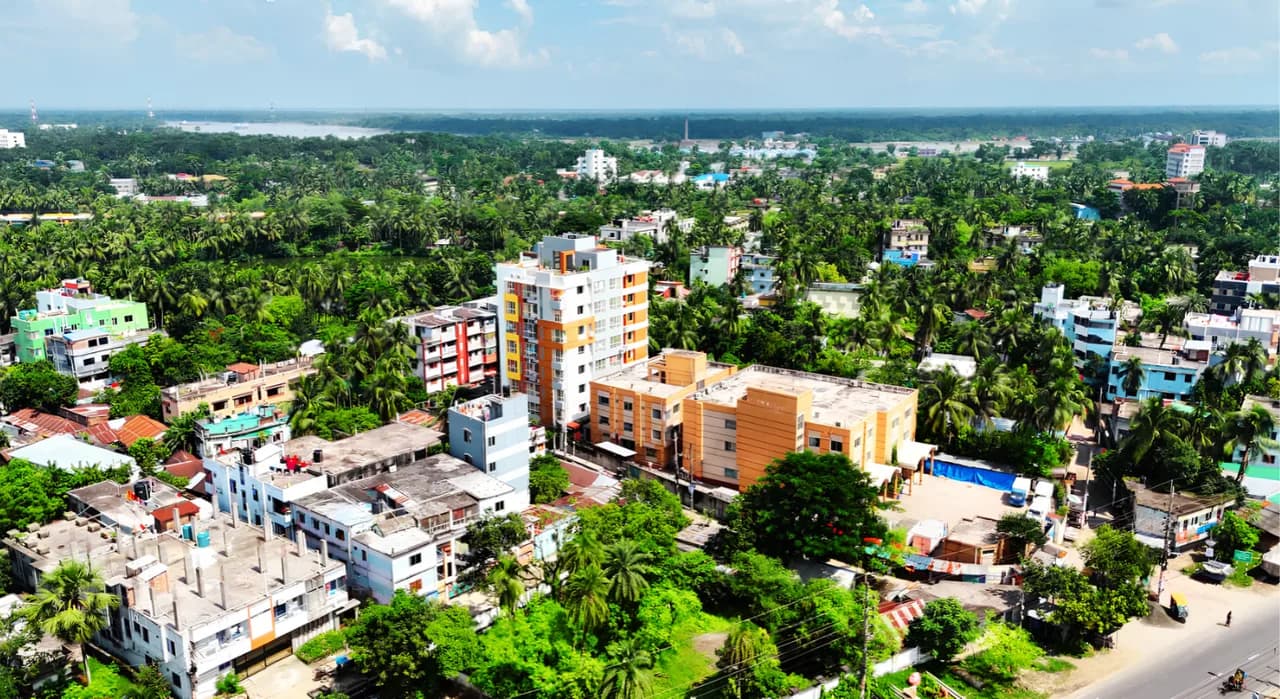
Plan your trip to Dighalia, Khulna. Discover top local attractions, historic Senhati, river views, transport connections, and recommended places to stay. Image credit: by KM biker,Youtube
Nestled directly north of Khulna city across the gentle curves of the Bhairab River, Dighalia Upazila offers travelers an authentic glimpse into the riverine heartland of southwestern Bangladesh. Characterized by serene waterways, lush coconut groves, historic Hindu temples, and vibrant rural markets, Dighalia is a compelling destination for cultural enthusiasts, history lovers, and conscious travelers. Whether you are planning a relaxed weekend trip in Khulna or exploring the broader cultural tourism Bangladesh landscape, this comprehensive guide provides everything you need to discover Dighalia's charm, plan your itinerary, and secure comfortable accommodations.
Where is Dighalia
Dighalia Upazila is located in the northern-central portion of Khulna District within the Khulna Division. Spanning an area of roughly 77 square kilometers, Dighalia occupies a unique peninsula-like position bounded by major regional rivers. It shares boundaries with Abhaynagar Upazila of Jessore District and Kalia Upazila of Narail District to the north, Terokhada Upazila to the east, Rupsha Upazila to the south, and Khalishpur, Daulatpur, and Khan Jahan Ali Thanas of Khulna metropolitan area to the west across the Bhairab River.
Overview
Dighalia presents a peaceful contrast to the bustling industrial zones of metropolitan Khulna. Shaped by the confluence of the Bhairab, Chitra, and Nabaganga rivers, the upazila thrives on agriculture, freshwater fishing, betel leaf farming, and river trade. Beyond its natural beauty, Dighalia holds deep cultural significance as an ancient literary and spiritual center in the greater Jessore-Khulna belt. Visitors coming to Dighalia experience an unspoiled rural lifestyle while remaining just a short ferry ride away from the modern amenities, dining options, and premium hotel booking services of Khulna city.
History and Background
The history of Dighalia Khulna is inextricably linked to the maritime and river trading routes of medieval Bengal. Historically falling under the territorial administration of ancient Jessore, the region grew into a center of learning, commerce, and zemindari estates during the British colonial era. Senhati, one of Dighalia’s prominent union villages, emerged in the 19th century as a celebrated cradle of Bengali literature and education. It was here that Krishnachandra Majumdar, the famed 19th-century Bengali poet, lived and composed timeless verses that remain integral to Bengali school curricula today. Officially declared a thana during the British era and reconstituted into an upazila in 1987, Dighalia also played a courageous role during the 1911 Swadeshi movement and the 1971 Bangladesh Liberation War, with historical encounters recorded across Gazirhat and surrounding riverways.
Why Visit Dighalia
Travelers seeking authentic heritage tourism Bangladesh experiences will find Dighalia immensely rewarding. Key reasons to add Dighalia to your Khulna itinerary include:
Unspoiled riverine scenery along the Bhairab and Atai rivers, perfect for morning boat trips and sunset photography.
Centuries-old architectural treasures, including Hindu temples in Senhati and ancient ponds tied to saintly legends.
Rich literary history rooted in local villages, showcasing traditional rural Bengali intellect and arts.
Exceptional local cuisine featuring fresh river catch, regional spices, and artisanal sweets.
Unmatched convenience, allowing travelers to enjoy a rustic rural getaway during the day while retiring to star-rated hotels in Khulna at night.
Best Time to Visit
The ideal window to explore Dighalia attractions is during the dry winter season, running from late October through March. During these months, temperatures range between 15°C and 28°C, providing comfortable weather for outdoor boat rides, village walking tours, and heritage sightseeing. The skies remain clear, humidity is low, and local festivals such as Rash Mela and traditional winter village fairs are frequently held across the upazila.
Weather and Climate
Dighalia experiences a tropical monsoon climate marked by three distinct seasons:
Winter (November to February): Mild, dry, and pleasant with cooler evenings, making it the peak season for Khulna tourism.
Summer (March to May): Warm to hot, with daytime temperatures reaching up to 35°C. Late afternoon thunderstorms (Kalbaishakhi) occasionally bring quick relief.
Monsoon (June to October): Heavy rainfall transforms the countryside into a lush green landscape. River levels rise, creating atmospheric water views, though rural dirt roads can become muddy.
How to Reach
Reaching Dighalia is straightforward due to its proximity to Khulna city and well-connected transit hubs:
By Road from Dhaka: Direct long-distance buses operate daily from Dhaka (Sayedabad, Gabtoli, or Mohakhali terminals) to Khulna via the Padma Bridge. The highway journey takes approximately 3.5 to 4.5 hours. From Khulna’s Sonadanga Bus Terminal, travelers can take a local auto-rickshaw or taxi to the Daulatpur or Senhati ferry ghats.
By Train: Intercity train services connect Dhaka’s Kamalapur Railway Station to Khulna Railway Station. From the station, Dighalia is easily accessible via a short 20-minute drive to the nearest ferry crossing.
By River/Ferry: Crossings operate continuously across the Bhairab River between Daulatpur Ghat (Khulna city side) and Senhati/Dighalia Ghat. Small motorized passenger ferries and trawlers cross the river in under 10 minutes.
Local Transportation
Navigating Dighalia is simple and budget-friendly:
Battery-Powered Auto-Rickshaws (Easy Bikes): The standard mode of transport across union roads and market areas.
Motorbike Taxis: Ideal for reaching remote inner-village locations quickly.
Wooden Engine Boats (Trawlers): Available for hire at major ferry ghats for customized river rides along the Bhairab and Atai rivers.
Rivers and Natural Landscape
Water forms the foundation of Dighalia’s geography and identity. The majestic Bhairab River sweeps along the upazila's western edge, while the Chitra and Nabaganga rivers flow through its northern and eastern expanses. Low-lying wetlands, locally known as beels, dot the interior landscape, including Kachua Beel and Nandan Pratap Beel. During late monsoon and autumn, these wetlands fill with wild lotus blossoms and water lilies, attracting migratory birds and local nature lovers alike.
Cultural Heritage
Dighalia boasts a proud intellectual and artistic legacy. Historically inhabited by scholars, landlords, poets, and craftsmen, the area preserves traditional Bengali rural customs. Community life centers around village tea stalls, riverside gathering points, and centuries-old mandirs where folk music traditions continue to thrive.
Historical Landmarks
Senhati village remains the primary historical quarter of Dighalia. Remnants of colonial-era masonry homes, brick-paved pathways, and traditional schoolhouses reflect the village's golden age in the late 19th century.
Museums
While Dighalia Upazila does not house a dedicated government museum within its administrative borders, heritage enthusiasts can visit the Khulna Divisional Museum, located just 25 minutes away in Khulna city center. The divisional museum displays archaeological artifacts, stone sculptures, coins, and folk relics recovered from across Khulna Division.
Religious and Spiritual Sites
Spiritual landmarks in Dighalia reflect deep-rooted interfaith traditions. Among the most revered are the Senhati Shiva Bari (Katanipara Shiv Mandir), dedicated to Lord Shiva, and the historic Basu Deva Mandir. In Panihati union, visitors can observe Khan Jahan Ali Dighi, an ancient pond attributed to the 15th-century Sufi saint Khan Jahan Ali, who established infrastructure throughout the southwestern delta.
Local Lifestyle
Life in Dighalia follows the relaxed rhythms of the water. Early mornings see fishermen returning to river ghats with fresh catches of Rui, Katla, and freshwater prawns. Farmers tend to lush betel leaf nurseries (paan boroj) and coconut orchards. In the late afternoon, villagers gather along the river embankments to converse while watching wooden cargo vessels glide down the Bhairab.
Art, Music and Cultural Traditions
Folk music remains integral to Dighalia’s cultural identity. Rivers generate a natural resonance for Bhatiali (traditional boatmen's songs) and Baul music. Local cultural clubs and school grounds regularly host folk theater performances (Jatra) during winter evenings.
Festivals and Events
Major regional celebrations include:
Durga Puja: Celebrated with grand temple decorations and traditional rituals across Senhati's historic temples.
Rash Mela: Annual autumn fair held along riverbanks featuring artisan stalls, sweets, and cultural music.
Pahela Baishakh: Bengali New Year festivities marked by rural fairs (Baishakhi Mela), traditional foods, and folk games.
Shopping and Local Markets
Shopping in Dighalia centers around bustling rural bazaars such as Senhati Bazaar, Gazirhat, and Lakhahati Market. Travelers can purchase locally harvested betel leaves, fresh organic produce, handcrafted bamboo items, and regional sweet treats directly from local vendors.
Traditional Food
Cuisine in Dighalia is defined by fresh river produce and authentic southern spices. Signature dishes include:
Golda and Bagda Chingri Curry: Freshwater prawns cooked in creamy coconut milk gravy.
Fish Bhuna: Locally caught carp, Tengra, or Pabda prepared with green chilies, mustard oil, and cumin.
Khulna-Style Beef or Mutton with Chui Jhal: tender meat slow-cooked with twigs of Piper chaba (Chui Jhal), imparting a unique herbal spiciness.
Traditional Sweets: Freshly made Sandesh, Rosogolla, and Chomchom sourced from traditional sweet shops in Senhati Bazaar.
Family Travel
Dighalia is an educational and peaceful outing for families. Children enjoy the novelty of short river ferry rides, spacious green village surroundings, and learning about historic literary figures in a relaxed environment.
Couples Travel
Couples seeking a tranquil escape from urban noise will appreciate sunset boat trips along the Bhairab River, leisurely walks through village paths lined with palm trees, and quiet cultural exploration.
Solo Travel
Solo travelers exploring Khulna travel routes can safely navigate Dighalia. Friendly local residents, straightforward boat transit, and easy auto-rickshaw routes make independent exploration enjoyable and stress-free.
Budget Travel
Dighalia is an exceptionally affordable travel destination. Transport costs across the river and around the upazila are minimal, local market meals are very reasonably priced, and all major natural and historical attractions have no entrance fees.
Responsible Tourism
When visiting rural communities in Dighalia:
Respect religious customs by dressing modestly when visiting active temples and mosques.
Avoid dumping plastic or waste into rivers, canals, or farm fields.
Support the local economy by purchasing fruits, sweets, and handicrafts directly from village vendors.
Safety Tips
Always wear a safety vest during private long-distance boat rides on deep rivers.
Carry sufficient cash in Bangladesh Taka, as electronic payment terminals are rare in rural village shops.
Stay hydrated during warmer months and carry insect repellent during evening river trips.
Suggested One-Day Itinerary
08:30 AM: Depart Khulna city center and arrive at Daulatpur Ferry Ghat.
09:00 AM: Take a scenic boat crossing across the Bhairab River to Senhati, Dighalia.
09:30 AM: Visit the historic Senhati Shiv Bari (Katanipara Shiv Mandir) and Basu Deva Mandir.
11:00 AM: Walk to the memorial site and former residence area of poet Krishnachandra Majumdar.
12:30 PM: Enjoy a traditional Bengali lunch at a verified restaurant in nearby Daulatpur or Khulna city.
02:30 PM: Hire an engine boat at Senhati Ghat for an afternoon river cruise to the confluence of the Bhairab and Atai rivers.
05:00 PM: Watch the sunset over the riverway with fresh tea at a riverside stall.
06:30 PM: Cross back to Khulna city and return to your hotel.
Suggested Two-Day Itinerary
Day 1: Comprehensive Dighalia Exploration
Morning: Cross over to Dighalia and explore Senhati's historical temples, old estates, and village markets.
Afternoon: Take a boat tour along the Nabaganga and Chitra river corridors, visiting rural betel leaf plantations.
Evening: Enjoy dinner featuring Chui Jhal delicacies in Khulna city and stay overnight at a verified hotel.
Day 2: Regional Heritage and Khulna Highlights
Morning: Visit the nearby Government Brajalal (BL) College campus in Daulatpur along the riverbank.
Afternoon: Drive south to visit Rabindranath Tagore's ancestral home in Pithabhog (Rupsha Upazila) and the Birsreshtha Ruhul Amin Memorial.
Evening: Relax along the promenade of the Khan Jahan Ali (Rupsha) Bridge before heading home.
Tourist Attractions in Dighalia and Surrounding Khulna
Senhati Shiv Bari (Katanipara Shiv Mandir)
Overview: Located in Katanipara within Senhati Union, this historic temple complex is one of the most prominent religious sites in Dighalia.
Why Visit: Features classical brick temple architecture and intricate motifs typical of colonial-era Bengal mandirs.
Cultural Significance: Serves as a spiritual cornerstone for the local Hindu community and stands as a testament to Senhati's rich heritage.
Visitor Experience: Peaceful courtyard atmosphere ideal for quiet observation and respectful cultural exploration.
Photography Opportunities: Architectural details of the temple facade, arched doorways, and surrounding garden environment.
Best Season to Visit: October to March, particularly during festival periods like Durga Puja and Shivratri.
Visit Duration: 45 to 60 minutes.
Nearby Accommodation: Accommodation directly inside Dighalia village is limited; visitors stay at top-rated hotels in Khulna city, located just 20 to 30 minutes away via the Daulatpur ferry crossing.
Bhairab and Atai River Confluence
Overview: The meeting point where the Bhairab River merges with the Atai River near Dighalia's southern boundary.
Why Visit: Offers wide panoramic water vistas, cooling breezes, and dynamic views of river transit.
Natural Significance: An important ecological corridor for regional aquatic life and local fisheries.
Visitor Experience: Best experienced by hiring a private motorized wooden boat from Senhati Ghat for a custom 1- to 2-hour river loop.
Photography Opportunities: Open horizon water shots, traditional wooden fishing boats, flying river birds, and golden hour sunsets.
Best Season to Visit: November to February for calm waters; monsoon for dramatic sky and water views.
Visit Duration: 1 to 2 hours.
Nearby Accommodation: Premier stay options are located in central Khulna city (e.g., Hotel Castle Salam, City Inn Limited).
Senhati Literary Heritage Site (Poet Krishnachandra Majumdar Site)
Overview: A cultural landmark commemorating the birthplace and life of 19th-century poet Krishnachandra Majumdar.
Why Visit: Inspiring stop for lovers of Bengali poetry and colonial-era literary history.
Cultural Significance: honors a poet whose works on morality and human emotion remain famous throughout Bengal.
Visitor Experience: Village walking tour passing by historic school structures and community grounds.
Photography Opportunities: Traditional rural brick architecture, memorial plaques, and lush village foliage.
Best Season to Visit: Year-round.
Visit Duration: 30 to 45 minutes.