

All ArticlesDestination Guide
Discover Kaliganj, Satkhira: Your Complete Travel and Accommodation Guide
N
Nasir Khan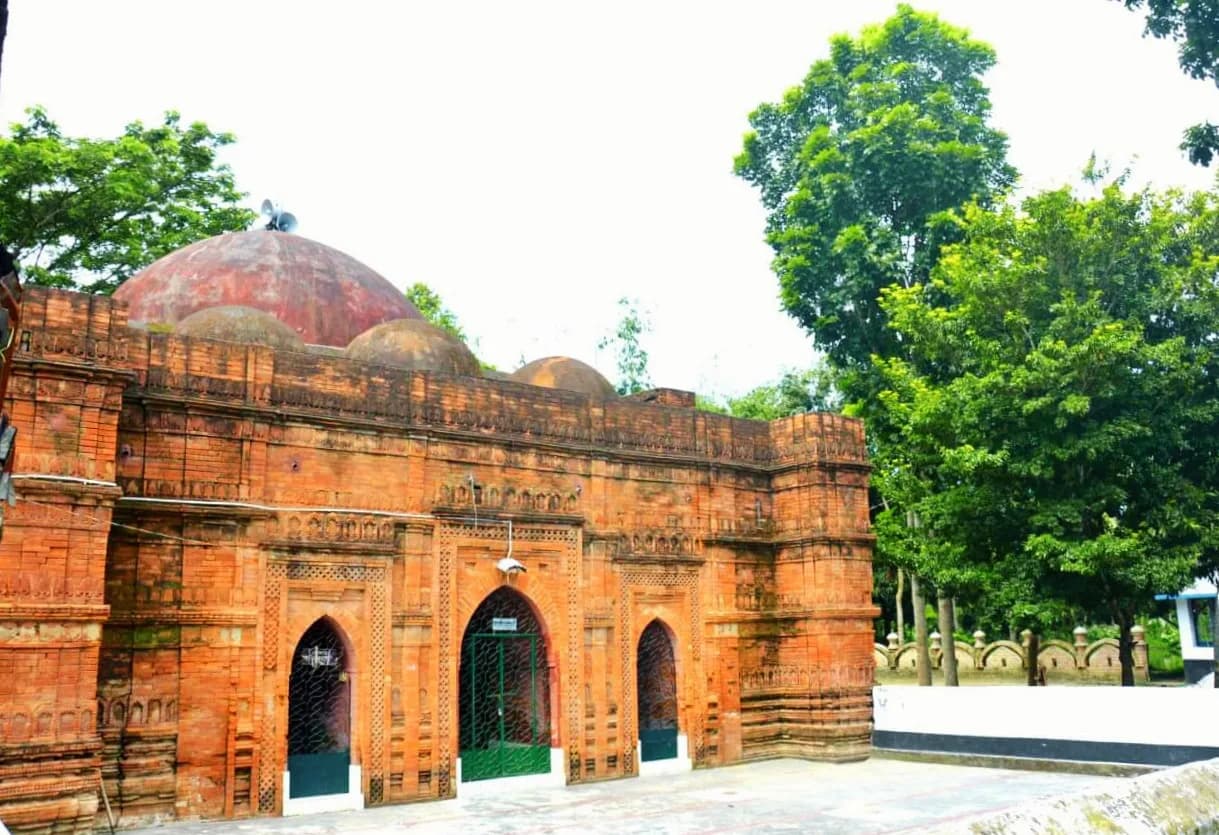
offers a captivating journey through timeless rural heritage, quiet waterways, and deep-rooted spiritual history. Known for its scenic convergence of rivers, expansive saline estuaries, historic architecture Image credit: Emmy Chakma
Nestled in the southwestern riverine expanse of Bangladesh, Kaliganj Upazila in Satkhira District offers a captivating journey through timeless rural heritage, quiet waterways, and deep-rooted spiritual history. Known for its scenic convergence of rivers, expansive saline estuaries, historic architecture, and welcoming village culture, Kaliganj is a cornerstone of authentic cultural tourism in Bangladesh. Whether you are seeking a peaceful weekend trip in Satkhira, exploring centuries-old Islamic and Hindu landmarks, or using the upazila as a gateway toward the mangrove wilderness of the Sundarbans, Kaliganj delivers an unforgettable travel experience.
For travelers planning their journey through Satkhira tourism, finding reliable, verified accommodation in Kaliganj and nearby districts is essential for a comfortable stay. This comprehensive travel guide covers the top tourist attractions in Kaliganj, practical transit details, regional cuisine, and curated stay options to help you book your next getaway with complete confidence.
Where is Kaliganj
Overview
Kaliganj is an administrative upazila of Satkhira District, situated within the Khulna Division in southwestern Bangladesh. Geographically, it is bounded by Debhata and Assasuni upazilas to the north, Shyamnagar Upazila to the south, Assasuni to the east, and the international border with West Bengal, India, along the Ichhamati River to the west. Its proximity to both Satkhira Sadar town and the Sundarbans forest perimeter positions Kaliganj Satkhira as a crucial travel corridor across the coastal southwest region.
History and Background
The history of Kaliganj is deeply intertwined with the ancient deltaic trade routes and the legacy of regional rulers. During the late 16th and early 17th centuries, the region formed part of the kingdom ruled by Maharaja Pratapaditya, one of the prominent Baro-Bhuyan rulers of Bengal. Over subsequent centuries, Zamindari estates, Sufi spiritual centers, and Islamic educational movements shaped the socio-cultural landscape of Kaliganj. The establishment of Nalta Sharif by the revered scholar, educationist, and social reformer Khan Bahadur Ahsanullah in the early 20th century further established Kaliganj as an influential hub of spiritual learning and humanitarian service in South Asia.
Why Visit Kaliganj
Travelers drawn to heritage tourism in Bangladesh will find Kaliganj a uniquely rewarding destination. Unlike overcrowded tourist hubs, Kaliganj maintains an authentic, unhurried pace of life. Visitors can explore exquisite terracotta mosques, pay respects at peaceful spiritual complexes, take wooden boat rides along border rivers, and observe traditional aquaculture practices. It serves as a ideal escape for history enthusiasts, spiritual seekers, photographers, and eco-tourists alike.
Best Time to Visit
Weather and Climate
Kaliganj experiences a tropical monsoon climate characterized by three distinct seasons: winter, summer, and monsoon.
Winter (November to February): This is the ideal window for Satkhira travel. Temperatures range between 12°C and 25°C, providing cool, crisp days with minimal humidity and clear skies. It is the most comfortable period for sightseeing, walking tours, and river cruises.
Summer (March to May): Summers can be warm and humid, with temperatures reaching up to 35°C. Early morning and late afternoon explorations remain pleasant, particularly along riverfront areas.
Monsoon (June to October): Heavy rain revitalizes the wetlands, rivers, and lush green fields. While rain can occasionally slow road transit, the countryside becomes exceptionally scenic, making it popular for photography enthusiasts.
How to Reach
Local Transportation
Reaching Kaliganj is straightforward via road connections from major regional transit points.
From Dhaka: Direct long-distance overnight and day coaches operate regularly from Dhaka (leaving from Gabtoli, Saidabad, or Kalyanpur bus terminals) to Satkhira town and directly to Kaliganj. The trip typically takes 6 to 7 hours via the Padma Bridge corridor.
From Khulna and Jessore: Regular bus services connect Khulna city and Jessore Airport to Satkhira Sadar. From Satkhira Sadar bus terminal, local buses, shared minivans, and microbuses run continuously down the Satkhira-Kaliganj Highway, reaching Kaliganj within 45 to 60 minutes.
Getting Around Kaliganj: Within Kaliganj Upazila, battery-powered auto-rickshaws (Easy Bikes), motorbikes, and CNG rickshaws are readily available for short trips between attractions, hotels, and markets. Local wooden engine boats provide serene water transport across rivers and canals.
Rivers and Natural Landscape
The natural geography of Kaliganj is defined by its network of rivers, tidal canals, and sprawling brackish-water aquaculture areas known locally as ghers. The Ichhamati River flows majestically along the western boundary, serving both as a natural border and a vital waterway for local fisherfolk. The Kakra and Kalindi rivers weave through the upazila, nourishing paddy fields and mangrove fringes.
A boat ride at sunset along the Ichhamati River offers panoramic views of lush green riverbanks, traditional fishing nets suspended above water, and quiet rural hamlets. During winter, the wetlands and water bodies around Kaliganj host migratory bird species, adding to the natural charm of the district.
Cultural Heritage
Historical Landmarks
Prabajpur Shahi Mosque
Located in Prabajpur village, approximately 5 km southwest of Kaliganj upazila headquarters, the Prabajpur Shahi Mosque is an architectural jewel of Satkhira heritage. Built around 1892, this historic terracotta brick structure features detailed brick carving, elegant structural arches, and traditional dome architecture.
Why Visit: Outstanding example of late 19th-century brick architecture featuring intact decorative motifs.
Historical Significance: Demonstrates Bengal's indigenous brick-building traditions during the late Zamindari era.
Visitor Experience: Peaceful rural setting surrounded by green gardens, offering quiet reflection and heritage exploration.
Photography Opportunities: Exquisite brick lattice work, arched entryways, and golden-hour lighting against red terracotta walls.
Best Season to Visit: November to March.
Approximate Visit Duration: 45 to 60 minutes.
Nearby Accommodation: Local guest houses in Kaliganj town center or hotel properties along the main Satkhira-Kaliganj Highway.
Uksha Zamindar Bari & Heritage Grounds
Situated in Uksha village near the border zone, the remains of Uksha Zamindar Bari offer a glimpse into the opulent colonial estate culture of Southern Bengal. Though partially weathered over time, the structural pillars, brick courtyards, and ancient trees evoke stories of regional landholding history.
Why Visit: Authentic heritage ruins situated away from crowded tourist paths.
Historical Significance: Connected to local revenue administration during the British Raj period.
Visitor Experience: Atmospheric step back in time, ideal for history buffs and heritage lovers.
Photography Opportunities: Rustic brick arches, overgrown ivy roots, and vintage architectural silhouettes.
Best Season to Visit: October to March.
Approximate Visit Duration: 1 hour.
Nearby Accommodation: Guest house facilities in Nalta Sharif or hotels in Satkhira Sadar.
Museums
While Kaliganj does not have a large municipal museum, the Nalta Ahsania Mission Memorial Archive inside the Nalta Sharif complex serves as a dedicated cultural institution. It houses historical manuscripts, personal items, literary works, and rare photos of Khan Bahadur Ahsanullah (1873–1965), preserving the social and educational reform history of Southern Bengal.
Why Visit: Educational insight into the life of one of Bengal's most distinguished scholars and philanthropists.
Best Season to Visit: Year-round.
Approximate Visit Duration: 30 to 45 minutes.
Religious and Spiritual Sites
Nalta Sharif Complex
Nalta Sharif is undeniably the premier spiritual and cultural attraction in Kaliganj Upazila. It houses the holy shrine (Mazar Sharif) of Hazrat Khan Bahadur Ahsanullah (R.), the headquarters of the global Ahsania Mission, and the magnificent Nalta Central Mosque. The complex is celebrated for its immaculate gardens, marble-paved walkways, peaceful atmosphere, and continuous humanitarian work.
Why Visit: Essential destination for cultural tourism in Bangladesh, offering spiritual peace and striking Islamic architecture.
Historical & Spiritual Significance: Center of philanthropic activities, education, and Sufi tradition established in the early 20th century.
Visitor Experience: Serene atmosphere where visitors of all backgrounds are welcomed with warmth and hospitality.
Photography Opportunities: Beautifully lit mosque domes at night, manicured courtyard gardens, and grand archways.
Best Season to Visit: Winter, especially during the annual Urs Sharif event.
Approximate Visit Duration: 2 to 3 hours.
Nearby Accommodation: Ahsania Mission Guest House inside Nalta, or mid-range hotels along the Satkhira-Kaliganj road.
Dumrali Kali Temple
Located in Dumrali village in southern Kaliganj, the Dumrali Kali Temple is an ancient place of worship for the local Hindu community. Surrounded by sacred banyan trees and traditional ponds, the temple complex regularly hosts local religious rituals and seasonal festivals.
Why Visit: Rich tradition of local folk deity worship and classic temple layout.
Best Season to Visit: During autumnal Puja festivals.
Approximate Visit Duration: 45 minutes.
Nearby Attraction: Jessoreswari Kali Temple (Ishwaripur, Shyamnagar)
Located just south of the Kaliganj border in Ishwaripur (Shyamnagar Upazila), Jessoreswari Kali Temple is one of the 51 sacred Shakti Peethas. Built by Raja Pratapaditya in the 16th century, it is easily combined with any Kaliganj trip.
Local Lifestyle
Art, Music and Cultural Traditions
Local culture in Kaliganj reflects the harmonious synthesis of rural riverine life, spiritual devotion, and folk arts. Traditional devotional music, including Sufi Zikr, Marfati songs, and Baul melodies, forms an integral part of village life. Artisans across Kaliganj villages continue generations-old practices of weaving bamboo baskets, crafting clay utensils, and making fish traps used in local aquaculture.
Festivals and Events
Annual Urs Sharif at Nalta Sharif: The largest annual gathering in Kaliganj, drawing thousands of devotees and visitors from across Bangladesh and abroad. The complex is adorned with decorative lights, and massive communal meals (Mahfil) are served.
Durga Puja and Kali Puja: Celebrated with colorful pavilions, traditional music, and idol immersion ceremonies along the Ichhamati River banks.
Nouka Baich (Traditional Boat Race): During late monsoon, energetic boat races are held on regional rivers, accompanied by festive crowd music and cheer.
Shopping and Local Markets
Exploring local markets in Kaliganj provides an authentic slice of everyday life in Satkhira District.
Kaliganj Bazar: The main commercial market offering handwoven textiles, fresh river catch, local spices, and household crafts.
Nalta Bazar: Known for sweet shops, religious books, regional handicrafts, and organic winter produce.
Bharasimla Bazar: A bustling rural market famous for fresh seafood, seasonal fruits, and local date palm molasses.
What to Buy: Pure Sundarbans honey (Mawyal honey), Khejur Gur (date palm jaggery in winter), traditional handmade clay pottery, and dried fish delicacies.
Traditional Food
Food in Kaliganj Satkhira is celebrated for fresh ingredients, coastal spices, and distinctive regional preparation methods.
Shrimp & Prawn Specialties: Kaliganj is famed for its fresh Golda (freshwater prawn) and Bagda (tiger shrimp) cooked in coconut milk mustard curry (Chingri Malaikari).
Chui Jhal Beef & Mutton: A signature culinary highlight of the Khulna-Satkhira region. Meats are slow-cooked with aromatic spices and thick twigs of Chui Jhal (Piper chaba), imparting a unique, fiery woody flavor.
Fresh River Fish: Parshe, Tengra, Vetki, and Hilsha freshly caught from the Ichhamati and Kakra rivers, prepared with mustard seed paste and green chilies.