

All ArticlesDestination Guide
Fakirhat, Bagerhat: Travel Guide, Wholesale Hubs & Stays
N
Nasir Khan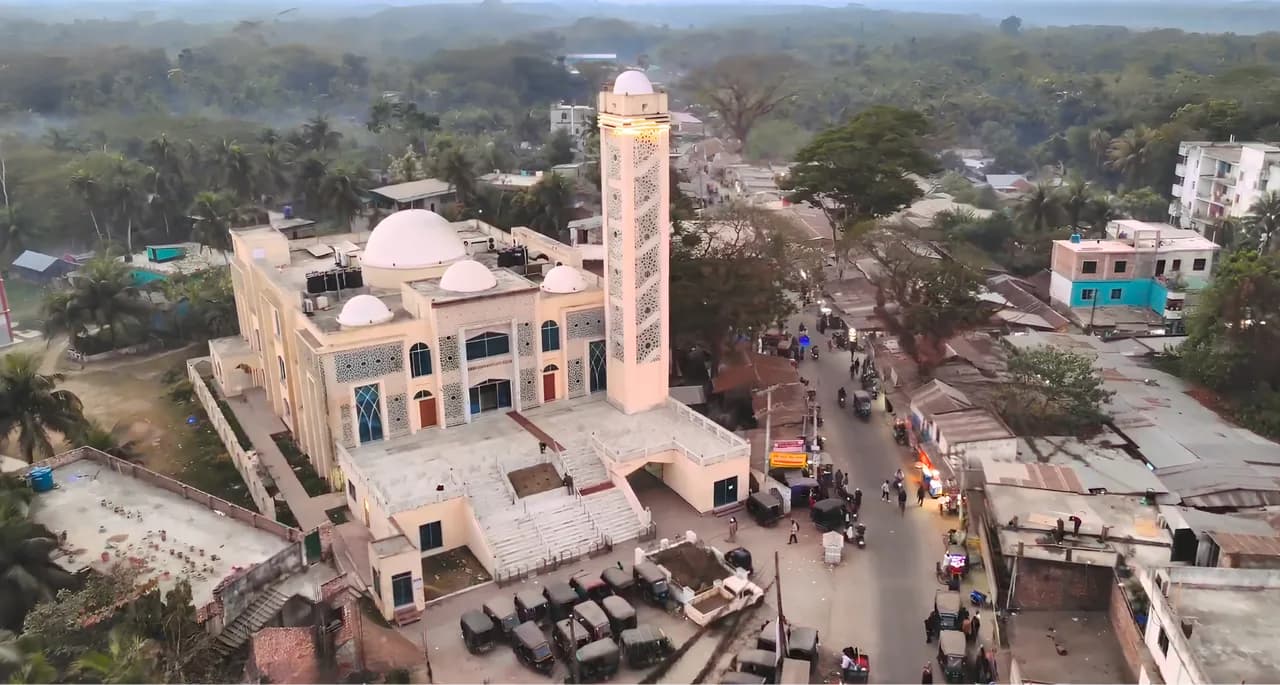
Discover Fakirhat, Bagerhat. Plan your trip to explore its strategic transit routes, massive shrimp farms, local culture, and verified accommodations nearby. Image credit: Hurairah's Epic Escapes
Fakirhat Upazila, positioned in the Bagerhat District of southwestern Bangladesh, offers travelers a refined blend of tranquil countryside, winding river systems, and direct access to medieval architectural treasures. Situated strategically on the N7 highway connecting the commercial city of Khulna to the historic town of Bagerhat, Fakirhat serves as an indispensable anchor for regional heritage tourism in Bangladesh. Visitors stepping into this sub-district encounter expansive freshwater shrimp enclosures, ancient brick monuments hidden among palm groves, and a slow-paced deltaic lifestyle that has remained steadfast for generations.
Whether you are planning a weekend trip from Khulna, organizing a cultural pilgrimage to the UNESCO World Heritage sites of Bagerhat, or setting out toward the Sundarbans mangrove wilderness, Fakirhat provides a serene base surrounded by natural beauty. With modern highway connectivity and comfortable verified accommodation options located nearby, exploring this historical sub-district has never been more seamless or rewarding.
Where is Fakirhat
Fakirhat is an upazila (sub-district) situated in the western part of Bagerhat District within the Khulna Division of southwestern Bangladesh. It spans an area of approximately 160.68 square kilometers and sits centrally within the Ganges-Brahmaputra Delta.
Geographically, Fakirhat shares administrative boundaries with Rupsa and Mollahat Upazilas to the north, Rampal Upazila to the south, Bagerhat Sadar and Chitalmari Upazilas to the east, and Batiaghata and Rupsa Upazilas to the west. Its central position makes Katakhali—a major road junction inside Fakirhat—the primary transit gateway linking Khulna City with Bagerhat Sadar and Mongla Port.
Overview
Fakirhat Upazila functions as a vital agricultural, aquaculture, and transit hub in the Khulna region. Renowned across Bangladesh for its sprawling white gold shrimp enclosures, locally known as ghers, the sub-district generates a significant share of the country's export-grade tiger shrimp and freshwater prawns.
Beyond its economic vitality, Fakirhat is defined by its quiet beauty. Shaded village roads, historic brick temples, winding tidal rivers, and hospitable local communities create an inviting setting for slow travel. Because Fakirhat is located less than 20 kilometers from both Khulna City and the Historic Mosque City of Bagerhat, it offers travelers an ideal combination of peaceful rural exploration and convenient access to premium hotels and urban amenities.
History and Background
The origins of Fakirhat are tied to the spiritual and trade history of the Bengal Delta. Local oral traditions and historical records indicate that during the medieval period, a respected Sufi saint named Fakir Mangal Shah established a spiritual hermitage along the southern bank of the Bhairab River. Over time, a vibrant weekly marketplace (hat) grew around his residence. The confluence of spiritual devotion and commercial exchange eventually led to the name Fakirhat, meaning the marketplace of the mendicant saint.
During British colonial rule, administrative structures were established to manage the region's river trade and agricultural revenue, leading to the creation of Fakirhat Thana as a police post on June 7, 1869. Decades later, on August 1, 1983, the administrative unit was officially upgraded to an upazila. During the Bangladesh Liberation War in 1971, Fakirhat was an active center of resistance under Sector 9, where local freedom fighters engaged in strategic operations across the riverine terrain to protect rural communities. Today, several war memorials across the upazila honor the memory of those who sacrificed their lives for national independence.
Why Visit Fakirhat
Fakirhat holds a distinct appeal for travelers seeking authentic cultural experiences away from crowded tourist centers.
Strategic Central Location: Fakirhat is uniquely positioned halfway between Khulna City and Bagerhat Sadar, allowing travelers to visit medieval mosques, ancient temples, and urban cultural hubs while returning to quiet countryside surroundings.
Authentic Rural Scenery: The sub-district features vast water-filled shrimp ghers, coconut orchards, betel nut gardens, and peaceful riverfronts that showcase the true essence of deltaic Bangladesh.
Architectural Heritage: Fakirhat houses remarkable medieval and colonial-era structures, including the Sikhara-style Ajoddha Math (Kodla Math), which stands as a masterpiece of ancient brick temple architecture.
Culinary Delights: Being at the center of the region's shrimp farming belt, Fakirhat offers access to exceptionally fresh freshwater prawns, tiger shrimp, and regional Bengali cuisine.
Gateway to Eco Tourism: Proximity to the mangrove channels leading toward the Sundarbans makes Fakirhat a convenient starting point for nature enthusiasts and eco-tourists.
Best Time to Visit
The ideal period to visit Fakirhat and the surrounding Bagerhat region is during the winter season, which spans from November to February.
During these months, the weather is dry, sunny, and pleasantly cool, with daytime temperatures ranging between 18°C and 26°C. The comfortable climate makes outdoor sightseeing, temple visits, and river boat rides effortless. Winter also brings migrating waterfowl to local wetlands and creates ideal conditions for exploring open-air heritage monuments.
Late autumn (October) and early spring (March) are also suitable for travel, featuring lush green post-monsoon landscapes and pleasant morning breezes. The summer months from April to June bring high heat and humidity, while the monsoon season from July to September brings heavy rainfall, which rejuvenates the local rivers and ghers but can occasionally disrupt road excursions.
Weather and Climate
Fakirhat experiences a tropical wet and dry climate characteristic of coastal southwestern Bangladesh.
Winter (November – February): Mild and dry with low humidity. Daytime temperatures average 20°C to 25°C, while night temperatures can drop to 12°C.
Summer (March – May): Warm to hot with occasional pre-monsoon squalls (Kalbaishakhi). Temperatures range between 28°C and 35°C.
Monsoon (June – October): Heavy rainfall driven by the South Asian monsoon. The region receives substantial annual precipitation, filling local rivers, canals, and agricultural reservoirs.
How to Reach
Fakirhat is exceptionally well-connected by road, making it one of the most accessible rural sub-districts in southwestern Bangladesh.
Road
Traveling by road is the fastest and most convenient method to reach Fakirhat. The National Highway N7 passes directly through the upazila, connecting it to major metropolitan hubs.
From Dhaka: Following the opening of the Padma Bridge, direct long-distance express buses run continuously from Dhaka's Sayedabad, Gabtoli, and Abdullahpur bus terminals to Khulna and Bagerhat, passing through or stopping at Katakhali Junction in Fakirhat. The journey takes approximately 3.5 to 4.5 hours.
From Khulna: Local and intercity buses depart every 15 minutes from Khulna's Sonadanga Bus Terminal to Fakirhat and Bagerhat Sadar. The drive takes around 25 to 35 minutes across a distance of roughly 15 to 20 kilometers.
From Bagerhat Sadar: Regular auto-rickshaws, minibuses, and private cars connect Bagerhat Sadar to Fakirhat via the highway, taking about 20 minutes.
Rail
While Fakirhat Upazila does not have a functional passenger railway station directly inside its administrative boundary, it is easily reached via the rail network serving Khulna City.
Nearest Station: Khulna Railway Station, located approximately 18 kilometers away, is the primary rail terminal. It connects to Dhaka (via the Benapole Express and Sundarban Express services), Rajshahi, Jessore, and northern Bangladesh.
Connecting Transport: From Khulna Railway Station, travelers can hire private cars, CNG auto-rickshaws, or take a short taxi ride to Sonadanga Bus Terminal to catch a direct vehicle to Fakirhat.
Waterway
Historically, the Bhairab and Rupsa rivers served as the main highways into Fakirhat. Today, while long-distance passenger launches primarily dock at Khulna or Mongla, local country engine boats (trawler) operate along the Bhairab River, offering scenic riverine transit between local riverside markets and neighboring villages.
Local Transportation
Navigating inside Fakirhat Upazila is straightforward and affordable thanks to a reliable network of rural transport options:
Battery-Powered Auto-Rickshaws (Tomtom): The most common mode of local travel, ideal for moving between Katakhali Junction, Fakirhat Bazar, and nearby union villages.
CNG Auto-Rickshaws: Widely available for point-to-point transfers, especially when traveling from Fakirhat to Bagerhat Sadar or Khulna City.
Motorcycle Taxis: Local ride-sharing motorbikes operate at major road intersections, offering quick transport along narrow rural paths and village embankments.
Engine Boats (Trawlers): Available for hire at river ghats along the Bhairab River for custom sightseeing trips along local water channels.
Natural Landscape
The landscape of Fakirhat Upazila is a vibrant mosaic of deltaic waterbodies and fertile agricultural fields. Flat, low-lying alluvial plains are intersected by a dense network of tidal rivers, khals (canals), and freshwater ponds.
A defining feature of Fakirhat's environment is its extensive shrimp aquaculture enclosures (ghers). These shallow, reflective bodies of water stretch across hundreds of acres, flanked by raised earth dykes planted with papaya, banana, coconut, and seasonal vegetables. Shady rural roads are lined with tall betel nut trees, mahogany groves, and sprawling banyan trees, creating a cool, green canopy that shields travelers from the midday sun.
Rivers and Wetlands
Water dictates the pulse of life in Fakirhat. The principal river traversing the sub-district is the Bhairab River, which flows along the northern and eastern reaches, acting as a lifeline for local commerce, fishing, and agricultural irrigation. The Rupsa River touches the western boundary, while the Chitra River meanders through nearby union tracts.
In addition to tidal rivers, Fakirhat contains historic low-lying wetland basins, known locally as beels. Prominent among them are Kalkolia Beel and Foltita Beel. During the monsoon season, these wetlands merge into wide sheets of freshwater covered with wild water lilies and lotus flowers, attracting resident aquatic birds, kingfishers, and wintering migratory ducks.
Heritage Connection
Fakirhat plays an essential role as a geographical and cultural bridge to the 15th-century kingdom of Khan Jahan Ali. In the middle of the 15th century, the Sufi general Khan Jahan Ali established the historic city of Khalifatabad (present-day Bagerhat), constructing dozens of brick mosques, public water reservoirs, roads, and administrative structures across the region.
Because Fakirhat immediately borders Bagerhat Sadar, its historical timeline is deeply intertwined with this medieval golden age. Ancient roads engineered by Khan Jahan Ali once crisscrossed through present-day Fakirhat, connecting his administrative center to inland trade hubs. Staying in or traveling through Fakirhat provides visitors with an authentic contextual understanding of how medieval engineering transformed the wilderness of the delta into a thriving center of Islamic civilization and trade.
Rural Lifestyle
Life in Fakirhat moves in harmony with the changing seasons and tidal flows. The local population is primarily engaged in aquaculture, agriculture, freshwater fishing, and trade. Early mornings across the upazila see farmers tending to their shrimp ghers, casting nets for prawns, and transporting fresh produce to local markets.
Villages inside Fakirhat retain a warm, traditional atmosphere. Clay-plastered corrugated iron homes sit nestled inside lush fruit orchards, where courtyard activities such as grain drying, net repairing, and livestock care continue daily. Visitors walking through village pathways are routinely greeted with polite curiosity and genuine Bengali hospitality, often receiving invitations for hot tea at roadside stalls.
Local Culture
The culture of Fakirhat reflects a rich synthesis of Sufi spiritual traditions, Hindu folk customs, and deltaic agrarian lifestyle. Religious harmony is a defining characteristic of the community, where major festivals including Eid-ul-Fitr, Eid-ul-Adha, Durga Puja, and Rash Mela are celebrated with shared enthusiasm.
Folk music, particularly Baul, Bhatiali (river boatmen songs), and Jarigan, remains an integral part of cultural gatherings and rural fairs (mela). Community life centers heavily around village bazaars, where residents gather in the evenings over tea to discuss local affairs, politics, and agricultural news.
Religious Heritage
Fakirhat's religious landscape features historical Islamic shrines, medieval Hindu math structures, and historic village mosques. The memory of Sufi saints who settled along the Bhairab River continues to inspire local reverence, with spiritual complexes such as the Sha-Awolia Bag Mazar drawing devotees seeking peace and blessings.
Alongside Islamic heritage, Fakirhat has a significant Hindu population, contributing to the preservation of ancient temple sites, ashrams, and traditional artisan crafts. The co-existence of red-brick temples, white-domed mosques, and peaceful spiritual ashrams across the sub-district underscores its centuries-old tradition of religious tolerance.
Shopping and Local Markets
Shopping in Fakirhat is an immersive local experience focused on fresh produce, regional delicacies, and rural handicrafts.
Katakhali Bazar: Located at the strategic highway intersection, Katakhali is a bustling commercial market where travelers can purchase fresh fruits, traditional snacks, and everyday travel essentials.
Fakirhat Main Market: The administrative heart of the upazila hosts a lively morning market known for its impressive displays of freshly harvested tiger shrimp, prawns, and freshwater fish brought directly from local ghers and the Bhairab River.
Handicrafts & Local Goods: Visitors can find hand-woven bamboo baskets, traditional grass mats (pati), hand-loom cotton garments, and locally crafted terracotta items in village markets across the upazila.
Traditional Food
The culinary heritage of Fakirhat is rooted in fresh riverine ingredients, seasonal vegetables, and authentic home-style Bengali cooking techniques.
Galda & Bagda Chingri: Fresh giant freshwater prawns (Galda) and tiger shrimp (Bagda) cooked in rich coconut milk gravies (Chingri Malai Curry) or spiced with mustard paste and green chillies.
Bhairab River Fish Curry: Fresh catches of Rui, Katla, Boal, and Pabda fish prepared in light ginger-cumin gravies or cooked with local seasonal vegetables.
Village-Style Date Palm Molasses (Khejur Gur): Harvested during the winter months, this aromatic, amber-colored palm sap syrup is used to prepare traditional winter rice cakes (pitha) and sweetmeats.
Regional Sweets: Local sweet shops in Fakirhat and Katakhali offer fresh Chhanar Sandesh, Mishti Doi (sweet yogurt), and syrup-steeped Rosogolla prepared from fresh cow's milk sourced from nearby village farms.
Tourist Attractions
Fakirhat Upazila and its immediate surroundings offer a compelling selection of historical, architectural, and natural attractions. To help travelers plan their itinerary effectively, destinations are categorized into attractions located inside Fakirhat Upazila and major heritage sites situated nearby.
Attractions Inside Fakirhat
Ajoddha Math (Kodla Math)
Overview: Ajoddha Math, also widely known as Kodla Math, is an exceptionally well-preserved 17th-century Hindu temple constructed in the traditional Sikhara style. Located in the village of Kodla in Baruipara Union under Fakirhat Upazila, this monument features a tall, slender brick spire that tapers gracefully toward the sky.
Why Visit: It is one of the finest surviving examples of tall monument-style brick architecture in southwestern Bangladesh, featuring intricate horizontal brick carved ridges along its exterior wall.
Historical Significance: Built during the late medieval period (attributed to an officer of the Mughal administration or a local Brahmin noble), the structure showcases the architectural transition of Bengali temple design before the European colonial era.
Visitor Experience: The temple stands peacefully amidst surrounding green farmland and ancient trees. Visitors can admire the terracotta workmanship, walk around the peaceful sanctuary, and photograph its unique towering silhouette.
Photography Opportunities: Outstanding angles are available from the surrounding lawn, where the reddish-brown brick structure contrasts dramatically against the green rural background and blue sky.
Best Season: November to February for comfortable weather and clear lighting.
Approximate Visit Duration: 45 minutes to 1 hour.
Nearby Accommodation: Excellent staying options are available nearby in Khulna City (e.g., Hotel City Inn, Tiger Garden International) or Bagerhat Sadar (e.g., Parjatan Motel Bagerhat), located 20 to 30 minutes away by car.
Katakhali Roundabout & Transit Market
Overview: Katakhali is the central transportation roundabout and market square of Fakirhat Upazila, positioned at the junction connecting Khulna, Bagerhat, and Dhaka.
Why Visit: It serves as the lively pulse of local commerce, offering street food stalls, fresh fruit vendors, transport hubs, and a vibrant glimpse into everyday rural travel culture.
Visitor Experience: Perfect for a brief pause during a road trip to sample fresh coconut water, hot Bengali tea, and regional snacks while arranging local auto-rickshaw transport to nearby village attractions.
Best Season: Year-round.
Approximate Visit Duration: 30 minutes.
Bhairab River Banks
Overview: The Bhairab River flows gracefully through Fakirhat, defining its northern and eastern landscape with wide water channels and tranquil riverside villages.
Why Visit: Ideal for travelers seeking quiet natural beauty, country boat rides, and picturesque rural sunset views over the water.
Visitor Experience: Renting a local wooden engine boat at a river ghat allows visitors to drift along calm waters, observing river fishermen at work, kingfishers diving for fish, and lush greenery along the banks.
Photography Opportunities: Sunset reflections over the Bhairab River with traditional wooden boats in the foreground.
Best Season: October to March.
Approximate Visit Duration: 1 to 2 hours.
Sha-Awolia Bag Mazar & Historical Shrines
Overview: Spiritual complexes and historic tombs dedicated to Sufi saints who settled along the riverbanks during medieval times.
Why Visit: Offers insight into the spiritual traditions and religious history that gave Fakirhat its name.
Visitor Experience: Peaceful spiritual atmosphere, ancient shade trees, and respectful interaction with local shrine caretakers.
Best Season: Year-round.
Approximate Visit Duration: 30 to 45 minutes.
Nearby Attractions
Historic Mosque City of Bagerhat (UNESCO World Heritage)
Overview: Founded in the 15th century by the saint-general Khan Jahan Ali, the Historic Mosque City of Bagerhat is a world-renowned UNESCO World Heritage site located in Bagerhat Sadar, approximately 12 kilometers east of Fakirhat.
Why Visit: It represents one of the most remarkable concentrations of Islamic brick architecture in South Asia, preserved in an extraordinary state of authenticity.
Historical Significance: Built during the Bengal Sultanate period, the city was established as an urban Islamic outpost featuring sophisticated drainage, water storage reservoirs, roads, and dozens of brick mosques.
Visitor Experience: Travelers can spend hours exploring historic red-brick mosques, visiting the regional archaeological museum, and walking along tree-lined heritage pathways.
Photography Opportunities: Panoramic brick archways, historic terracotta prayer niches (mihrab), and serene ancient water tanks reflecting medieval domes.
Best Season: November to February.
Approximate Visit Duration: 3 to 5 hours (covering multiple monuments).
Nearby Accommodation: Parjatan Motel Bagerhat, located right near the heritage site, as well as star-category hotels in Khulna City.
Sixty Dome Mosque (Shat Gombuj Masjid)
Overview: The crown jewel of Bangladesh's Islamic architecture, the Sixty Dome Mosque is a massive 15th-century brick structure featuring 77 low-lying domes, 60 interior stone pillars, and four corner minarets.
Why Visit: It is the largest medieval mosque in Bangladesh and an iconic masterpiece of Tughlaq-influenced Bengali brick masonry.
Visitor Experience: Inside, cool stone pillars form grand aisles illuminated by soft natural light filtering through arched openings. The surrounding landscaped gardens and adjacent Bagerhat Museum provide deep context on the region's medieval history.
Best Season: November to February.
Approximate Visit Duration: 1.5 to 2 hours.
Khan Jahan Ali Mausoleum & Dighi
Overview: The shrine complex housing the tomb of Khan Jahan Ali sits on a raised embankment overlooking a massive historic water reservoir known as Khan Jahan Ali Dighi (or Thakur Dighi), located about 10 kilometers from Fakirhat.
Why Visit: A major spiritual and cultural pilgrimage destination where visitors pay respects at the saint's tomb and observe the famous sacred marsh crocodiles that reside inside the dighi.
Visitor Experience: Devotees and tourists gather along the wide stone steps leading down to the water. The tranquil environment, shaded by ancient banyan trees, offers a deeply moving spiritual atmosphere.
Best Season: Year-round.
Approximate Visit Duration: 1 to 1.5 hours.
Ghora Dighi
Overview: Ghora Dighi is a vast, historic freshwater lake located immediately adjacent to the Sixty Dome Mosque in Bagerhat Sadar.
Why Visit: Excavated under the direction of Khan Jahan Ali in the 15th century to provide clean drinking water to the medieval city, the lake stretches over a kilometer in length.
Visitor Experience: A wide paved walking path circles the lake, offering cool breezes, water lily displays, and stunning views of the Sixty Dome Mosque reflecting off the water during sunset.
Best Season: November to February.
Approximate Visit Duration: 45 minutes to 1 hour.
Singair Mosque & Chunakhola Mosque
Overview: Single-domed medieval brick mosques situated within walking distance of the Sixty Dome Mosque.
Why Visit: These compact architectural gems feature massive brick walls, elegant curved cornices, and terracotta relief decorations typical of 15th-century Bengali mosque architecture.
Visitor Experience: Peaceful, uncrowded settings nestled inside quiet village agricultural fields, perfect for architecture enthusiasts and photographers.
Best Season: November to February.
Approximate Visit Duration: 30 minutes per site.
Sundarbans Mangrove Reserve (Mongla / Harbaria Entry)
Overview: The UNESCO World Heritage Sundarbans mangrove forest begins approximately 35 to 45 kilometers south of Fakirhat, accessed via Mongla Port and Harbaria Eco Tourism Center.