

All ArticlesDestination Guide
Faridpur Pabna Travel Guide: Attractions, Travel Tips & Stay
N
Nasir Khan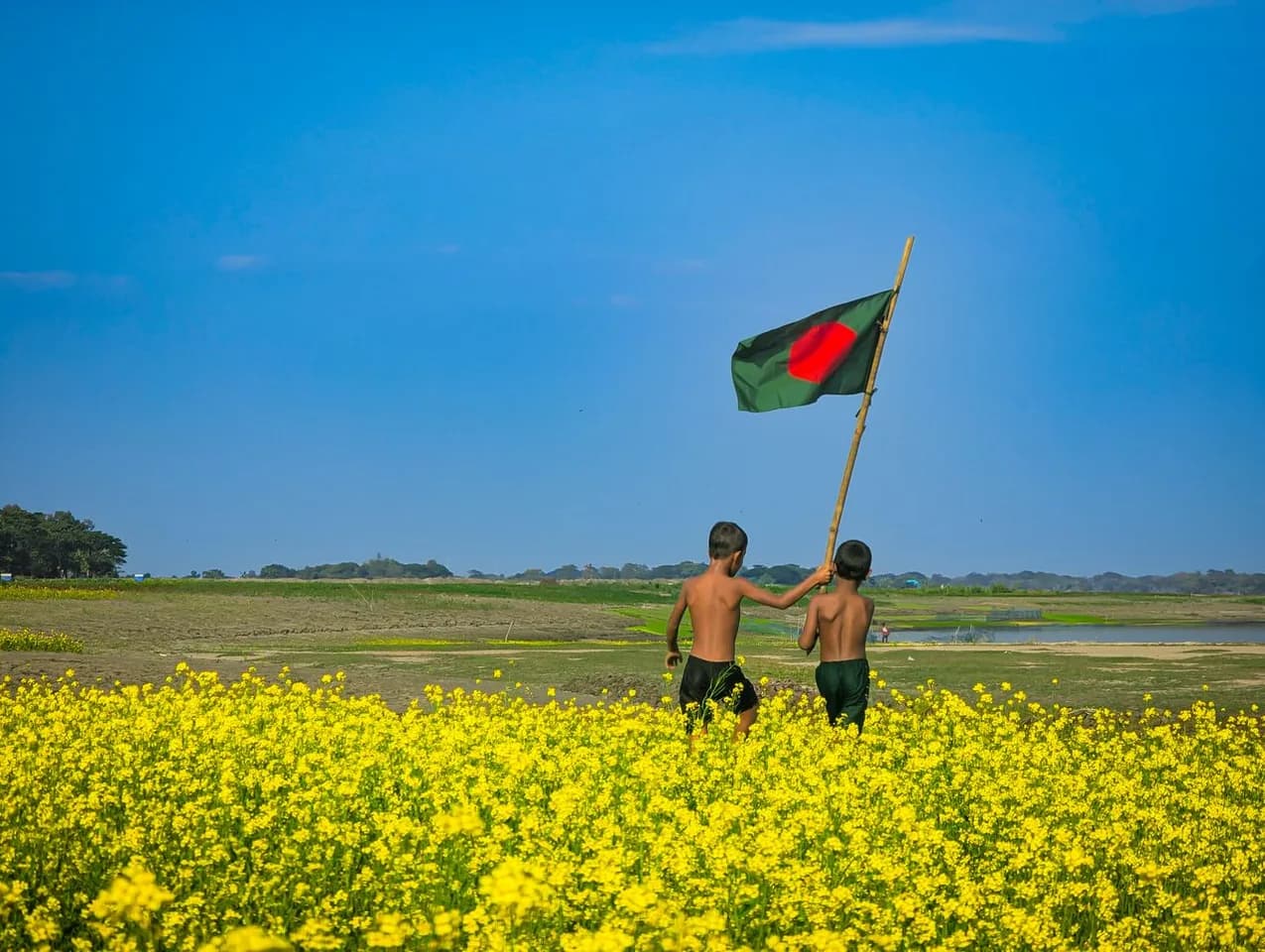
Complete guide to Faridpur Upazila, Pabna. Explore Banwarinagar, Bilchandok wetlands, local heritage, transport routes, and accommodation tips. Photo: Mohammad Sayem
Faridpur Upazila is an administrative and agricultural sub-district situated in the northern part of Pabna District within Rajshahi Division, Bangladesh. Positioned approximately 50 to 52 kilometers north of Pabna district headquarters, Faridpur is bounded by Bhangura Upazila to the north, Atgharia Upazila to the south, Santhia Upazila to the east, and Chatmohar Upazila to the west, with portions of Sirajganj District (Ullapara and Tarash upazilas) bordering its northeastern perimeter. The administrative headquarters and primary commercial hub of the upazila is centered at Banwarinagar (frequently spelled Bonwarinagar).
It is essential for travelers to distinguish Faridpur Upazila in Pabna District from the entirely separate Faridpur District located south of the Padma River in Dhaka Division.
Faridpur Upazila in Pabna is defined by its position within the broader Chalan Beel basin, its agricultural output, its longstanding dairy and milk collection industry, and its quiet village landscapes along the Baral and Ichamati river channels. While not a commercialized tourist center, the upazila offers modest cultural, historical, and seasonal wetland sites for researchers, day-trippers, and travelers exploring regional North Bengal.
Faridpur at a Glance
Administrative Identity: Upazila (Sub-district) under Pabna District, Rajshahi Division
Administrative Center: Banwarinagar (Banwarinagar Pourashava / Faridpur Sadar)
Administrative Unions: Hadal, Pungli, Faridpur, Demra, Sahapur, and Khanpura
Geographic Setting: Low-lying alluvial plains, riverbanks along the Baral and Ichamati rivers, and seasonal floodplains belonging to the Chalan Beel hydrological network
Primary Industries: Dairy farming, milk processing, ghee production, rice cultivation, and local retail commerce
Key Access Corridors: Regional highway links via Chatmohar, Bhangura, Baghabari, and Pabna Sadar; rail connections via nearby Chatmohar Railway Station
Why Visit Faridpur
Travelers visit Faridpur Upazila in Pabna primarily for regional heritage, rural exploration, and seasonal nature:
Dairy Farming Heritage: Experiencing one of North Bengal's primary milk-producing sub-districts, where thousands of small-scale dairy farms supply fresh milk and traditional ghee across Bangladesh.
Seasonal Wetland Vistas: Observing the dramatic landscape shifts in low-lying unions like Pungli and Hadal, where summer crop fields transform into wide sheets of open water during the monsoon.
Local Heritage Sites: Visiting local historical and spiritual landmarks, including the Par Faridpur Shah Farid (R.) Shrine, the Chithulia Thakur Shambhuchand Samadhi, and the architectural remnants of the Banwarinagar Zamindar estate.
Rural Countryside Walking: Exploring quiet, unhurried village paths along the Baral River and visiting traditional rural markets such as Banwarinagar Bazar.
Places to Visit in Faridpur
Banwarinagar Zamindar Bari
Located in Banwarinagar town, the Banwarinagar Zamindar Bari represents the historical residence of the local landholding estate. The history of the estate is closely connected to the Tarash Zamindar family, particularly Raja Banamali Ray Bahadur (the 9th descendant of the Tarash lineage), who founded the historic Coronation Banamali High School in 1912 (now Banwarinagar Government C.B. Pilot High School).
Historical Context: Built during the 19th century under British colonial rule, the estate served as the administrative seat for local revenue collection and land management.
Visitor Experience: The surviving estate structures are in an aged and partially ruined condition, with portions integrated into local community use or surrounded by private homesteads. Visitors can view the brick masonry, classical arches, and structural outlines from adjacent public paths in Banwarinagar.
Par Faridpur Shah Farid (R.) Shrine
Situated in Par Faridpur village on the northern embankment of the Baral River, directly across from the main Banwarinagar upazila center, this shrine and adjacent old mosque form an important cultural site.
Historical Significance: According to local oral tradition, the upazila takes its name from Sufi saint Hazrat Shah Farid (R.), who arrived in the region during the 16th century via river routes. He established a small hermitage in what was then dense woodland along the Baral River.
Visitor Experience: The complex contains the saint's mazar (shrine) and a simple village mosque surrounded by mature trees. It remains an active place of religious visitation and quiet reflection for local residents.
Bilchandok
Bilchandok is an extensive seasonal wetland area located in Bilchandok village within Pungli Union.
Natural Characteristics: During the monsoon months (July to October), rising floodwaters submerge the low-lying agricultural basin surrounding the village, creating a vast, lake-like expanse that locals compare to a haor environment. In the dry winter months, the water recedes completely, revealing fertile silt fields used for intensive rice and mustard farming.
Visitor Experience: During the flooded season, visitors can view open water vistas from elevated village road embankments or hire basic wooden fishing boats from local boatmen to travel across the flooded plain.
Kenai Pathar
Situated in Pungli Union, Kenai Pathar is a wide, open floodplain and agricultural landscape (pathar) known for its rural views.
Visitor Experience: The area offers unobstructed views of the countryside, seasonal crop rotation, and traditional agricultural practices. It is a quiet location for photography, particularly during the late monsoon when water levels fill the fields or in winter when bright yellow mustard crops cover the terrain.
Hadal-Hatgram Picnic Spot
Located in Hadal Union in the northern section of the upazila, the Hadal-Hatgram area is a rural open space accessible via routes running through Berhaulia Bazar and Bheramara Bazar toward Kalikadah.
Visitor Experience: The site consists of open riverbank fields, tree groves, and agricultural land along local water channels. Local student groups and family parties occasionally use the open grounds for informal day picnics during the dry winter season. There are no commercial amusement rides or built tourist facilities; visitors must bring their own food and supplies.
Chithulia Thakur Shambhuchand Samadhi
Located in Chithulia village within Faridpur Union (accessed via Berhaulia Bazar), this samadhi shrine is dedicated to Thakur Shambhuchand, a respected 18th-century regional spiritual figure.
Cultural Importance: The shrine serves as a devotional site for local followers and individuals interested in regional religious history.
Visitor Experience: The small brick shrine structure sits in a quiet village setting. Visitors should maintain a respectful demeanor and observe local customs when visiting the site.
Dighir Bhita
Situated near the Chithulia and Berhaulia areas in Faridpur Union, Dighir Bhita is a traditional rural locality featuring elevated earth mounds (bhita) and large historical water reservoirs (dighi).
Visitor Experience: It offers a calm, shade-covered rural environment suitable for short walks while traveling between Chithulia and Banwarinagar.
History and Heritage
The documented history of Faridpur Upazila in Pabna is connected to the riverine trade routes of the Baral River basin and the expansion of zamindari estates during the British colonial period.
The naming of the upazila is traditionally attributed to Hazrat Shah Farid (R.), a Sufi preacher whose shrine at Par Faridpur remains a point of local heritage. During the 19th and early 20th centuries, the development of Banwarinagar as a commercial center was fostered by the Tarash zamindar family, who invested in local education and market infrastructure.
During the Bangladesh Liberation War in 1971, local freedom fighters operated throughout the surrounding Chalan Beel terrain, using the river networks and seasonal floodplains for movement and resistance operations against occupying forces.
Nature, Rivers and Wetlands
Faridpur Upazila's physical setting is defined by its low-lying alluvial topography and water networks:
River Networks: The Baral River and Ichamati River flow through portions of the upazila, supplying water for agriculture and fisheries while connecting local villages to neighboring Chatmohar and Bhangura upazilas.
Seasonal Hydrology: As part of the Chalan Beel ecosystem, low-lying unions such as Pungli and Hadal undergo significant seasonal changes. High monsoon rainfall transforms dry farmlands into wide, navigable water bodies between July and October.
Agricultural Cycles: From November onward, the receding water leaves behind fertile soil that supports extensive winter cultivation, including Boro rice, wheat, pulses, and oilseeds.
Local Culture and Food
Local culture in Faridpur Upazila reflects traditional North Bengal rural life, agrarian routines, and a strong dairy farming economy.
Dairy Culture and Sweetmeats
Faridpur Upazila is widely recognized in Pabna District for its intensive dairy production. With thousands of small family farms and extensive grazing pastures (bathan), the upazila produces large quantities of fresh milk daily, serving national dairy cooperatives such as Milk Vita alongside private processors.
Fresh Ghee: Local markets in Banwarinagar produce high-quality clarified butter (ghee), renowned across the district for its aroma and purity.
Sweets: Sweetshops in Banwarinagar Bazar prepare classic regional milk sweets, including chhanar sandesh, mishti doi (sweet yogurt), and rasgulla.
Daily Food
Standard local meals at eateries in Banwarinagar consist of steamed white rice served with freshwater fish from the Baral River or local beels (such as rui, katla, tengra, and shol), thick lentil soup (dal), and spicy vegetable mashes (bhorta).
Things to Do in Faridpur
Explore Banwarinagar Town: Walk through Banwarinagar Bazar, observe the active morning market, and view the old architecture of the Banwarinagar Zamindar estate.
Visit Par Faridpur Shrine: Cross the local river bridge or embankment to visit the quiet shrine compound of Shah Farid (R.) in Par Faridpur village.
Monsoon Boat Ride at Bilchandok: Hire a basic wooden boat at Bilchandok village during August or September to travel across the flooded plain.
Sample Local Dairy Products: Visit sweetshops in Banwarinagar to sample fresh regional ghee, sweet curd, and milk-based desserts.
Countryside Photography: Capture images of seasonal crop fields, mustard blossoms in winter, and riverbank life along the Baral River.
Where to Stay in Faridpur
Commercial hotel infrastructure physically operating inside Faridpur Upazila is extremely limited. There are no private commercial hotels, luxury resorts, or star-rated lodgings within the upazila boundaries. Public accommodation inside the upazila consists of a single government facility.
District Council Dak Bungalow (Zila Parishad Dak Bungalow)
Location: Upazila Parishad Administrative Complex, Banwarinagar, Faridpur Upazila, Pabna District.
Facility Type: Government rest house operated by the Pabna District Council (Zila Parishad).
Target Guests: Primarily serves visiting government officials, administrative representatives, and official project workers.
Accommodations & Facilities: Basic furnished guest rooms, attached bathrooms, fan/utility services, and a secure compound environment.
Access & Booking: Public travelers cannot make walk-in commercial bookings. Access requires advance formal permission and reservation approval through the Pabna Zila Parishad office or the office of the Upazila Nirbahi Officer (UNO) in Faridpur.
Map Search Tips for Travelers
Navigating digital maps in small rural sub-districts requires accurate landmark reference points:
Government Accommodation: The District Council Dak Bungalow does not maintain an independent commercial business listing on Google Maps. Travelers should search for "Faridpur Upazila Parishad" or "Banwarinagar" on digital maps to locate the main administrative compound where the bungalow is situated.
Navigating to Banwarinagar: Search for "Banwarinagar Bazar" or "Banwarinagar Bus Stand" as primary navigation markers when entering the upazila headquarters.
Local Inquiries: For small unbranded boarding rooms near the main bazaar, navigate to Banwarinagar Bazar and ask local shopkeepers or CNG auto-rickshaw drivers for direct local guidance.
How to Choose Where to Stay
When planning an overnight visit to explore Faridpur Upazila, evaluate your lodging options based on your specific travel profile:
For Official or Research Visitors: Secure prior administrative approval for a room at the District Council Dak Bungalow in Banwarinagar to remain directly within the upazila center.
For Leisure Tourists and General Travelers (Recommended): Base your stay in nearby Pabna Sadar (located approximately 50 km south) or Chatmohar Upazila (located approximately 15 km west). Pabna Sadar offers multiple commercial residential hotels, air-conditioned rooms, full dining facilities, and 24-hour urban conveniences, allowing travelers to visit Faridpur easily on a day trip.
Getting to Faridpur
By Road
Road transport provides the primary direct access to Banwarinagar and Faridpur Upazila.
From Dhaka: Intercity buses departing from Gabtoli or Kalyanpur bus terminals in Dhaka bound for Pabna, Chatmohar, or Sirajganj travel via the Bangabandhu (Jamuna) Bridge. Passengers can travel via Ullapara or Baghabari/Demra toward Banwarinagar. Direct long-distance bus options or connecting local buses drop passengers at Banwarinagar Bus Stand.
From Pabna Sadar: Regular local buses, shared legunas, and CNG auto-rickshaws operate from Pabna town north through Chatmohar or Atgharia to Banwarinagar (travel time is approximately 1.5 to 2 hours).
From Chatmohar: Local CNG auto-rickshaws and easy-bikes travel frequently between Chatmohar town and Banwarinagar along the paved regional road (approx. 15 km, taking 25 to 35 minutes).
By Train
Faridpur Upazila does not contain an active railway station within its own boundary.
Nearest Railway Stations: Travelers taking the train from Dhaka, Rajshahi, or Sirajganj should book tickets to Chatmohar Railway Station (approx. 15 km west) or Baral Bridge Railway Station in Bhangura (approx. 18-20 km northwest).
Onward Transport: Upon disembarking at Chatmohar Railway Station, travelers can hire a private CNG auto-rickshaw or take local shared transport directly to Banwarinagar.
Getting Around Faridpur
Local transit inside Faridpur Upazila relies on small regional vehicles:
CNG Auto-Rickshaws: The most convenient option for traveling between Banwarinagar, Hadal, Pungli, and Chithulia. They can be hired on a shared-seat basis or for private day hire.
Battery Easy-Bikes (Tomtoms): Operating inside Banwarinagar town and connecting nearby village bazaars along paved secondary roads.
Motorcycle Taxis: Available at Banwarinagar Bus Stand for reaching interior rural paths off the main paved highways.
Engine Boats: Essential during the monsoon season for crossing flooded fields in Bilchandok or traveling along the Baral River.
Best Time to Visit Faridpur
Winter Season (November to February): The recommended time for land-based travel, sightseeing, and village exploration. Temperatures range between 12°C and 25°C, humidity is low, roads are dry, and bright yellow mustard crops fill the agricultural fields.
Monsoon Season (July to September): Ideal for visitors specifically interested in seeing the flooded Chalan Beel wetland scenery at Bilchandok and enjoying boat trips across open water. Expect high humidity and heavy rainfall.
Suggested Trip Duration
Half-Day Excursion (3 to 4 Hours): Suitable for travelers based in Chatmohar or Pabna Sadar. Allows sufficient time to visit Banwarinagar, view the Zamindar estate remnants, stop at the Par Faridpur Shrine, and sample local sweetmeats before returning.
Full-Day Itinerary (6 to 8 Hours): Ideal for exploring the upazila thoroughly. A full day allows you to visit Banwarinagar, travel out to Bilchandok or Kenai Pathar, visit the Chithulia Thakur Shambhuchand Samadhi, and tour rural dairy farms in Hadal Union.
Practical Travel Tips
Carry BDT Cash: Automated Teller Machines (ATMs) operate in Banwarinagar town, but small village shops, local transport drivers, and food stalls deal exclusively in cash (Bangladeshi Taka). Carry sufficient small denominations.
Respect Local Etiquette: Dress modestly when visiting rural villages and active religious locations such as the Par Faridpur Shrine or the Chithulia Samadhi. Always ask permission before taking portraits of village residents or photographing private homesteads.
Plan Return Travel Early: If relying on shared CNG auto-rickshaws to return to Chatmohar or Pabna Sadar, plan to start your return journey before dark (around 5:30 PM to 6:00 PM), as public transport availability decreases significantly in the evening.
Monsoon Precautions: If visiting Bilchandok during the flooded monsoon season, exercise caution around open water, hire experienced local boatmen, and carry waterproof bags for electronic equipment.
Frequently Asked Questions
Is Faridpur Upazila in Pabna the same as Faridpur District?
No. Faridpur Upazila is an administrative sub-district located in Pabna District (Rajshahi Division). Faridpur District is a separate administrative district located in Dhaka Division, south of the Padma River.
What is Banwarinagar?
Banwarinagar is the administrative headquarters, primary municipality, and central market town of Faridpur Upazila in Pabna District.
What is Faridpur Upazila famous for?
Faridpur Upazila is widely known in Pabna District for its extensive dairy farming, high-volume milk collection, pure ghee production, and seasonal Chalan Beel wetlands at Bilchandok.
Are there commercial hotels inside Faridpur Upazila?
No. There are no private commercial hotels operating inside Faridpur Upazila. Official visitors can request accommodation at the District Council Dak Bungalow in Banwarinagar with prior permission, while general tourists stay in nearby Chatmohar or Pabna Sadar.
How far is Faridpur Upazila from Pabna town?
Banwarinagar (Faridpur Upazila HQ) is situated approximately 50 to 52 kilometers north of Pabna Sadar town, taking about 1.5 to 2 hours by road.
Does Faridpur Upazila have a railway station?
No. Faridpur Upazila does not have its own railway station. The nearest railway access point is Chatmohar Railway Station, located about 15 kilometers west.
What is the best season to visit Bilchandok in Faridpur?
The monsoon season (July to September) is the best time to see Bilchandok filled with water, while winter (December to February) is best for comfortable dry-land travel across crop fields.
Conclusion
Faridpur Upazila in Pabna District presents a calm, authentic view of rural North Bengal. From the heritage of the Banwarinagar Zamindar estate and the spiritual site at Par Faridpur to the seasonal waters of Bilchandok and the dairy farming traditions across its unions, the upazila offers a meaningful destination for travelers looking to explore the Chalan Beel region beyond standard commercial routes. By using nearby Chatmohar or Pabna Sadar as a base and arranging local road or boat transport, visitors can easily experience the landscape and cultural traditions of Faridpur Upazila.
Until your next adventure.
— Resortian
▶Watch Video
About the Author
Nasir Khan
Travel Editor
I’m Nasir Khan, sharing travel stories and destinations around Bangladesh. My blog covers places to visit, experiences, and travel inspiration. Explore Bangladesh one journey at a time with me.