

All ArticlesDestination Guide
Gomastapur, Chapai Nawabganj: Mango Hub Heritage & Travel Guide
N
Nasir Khan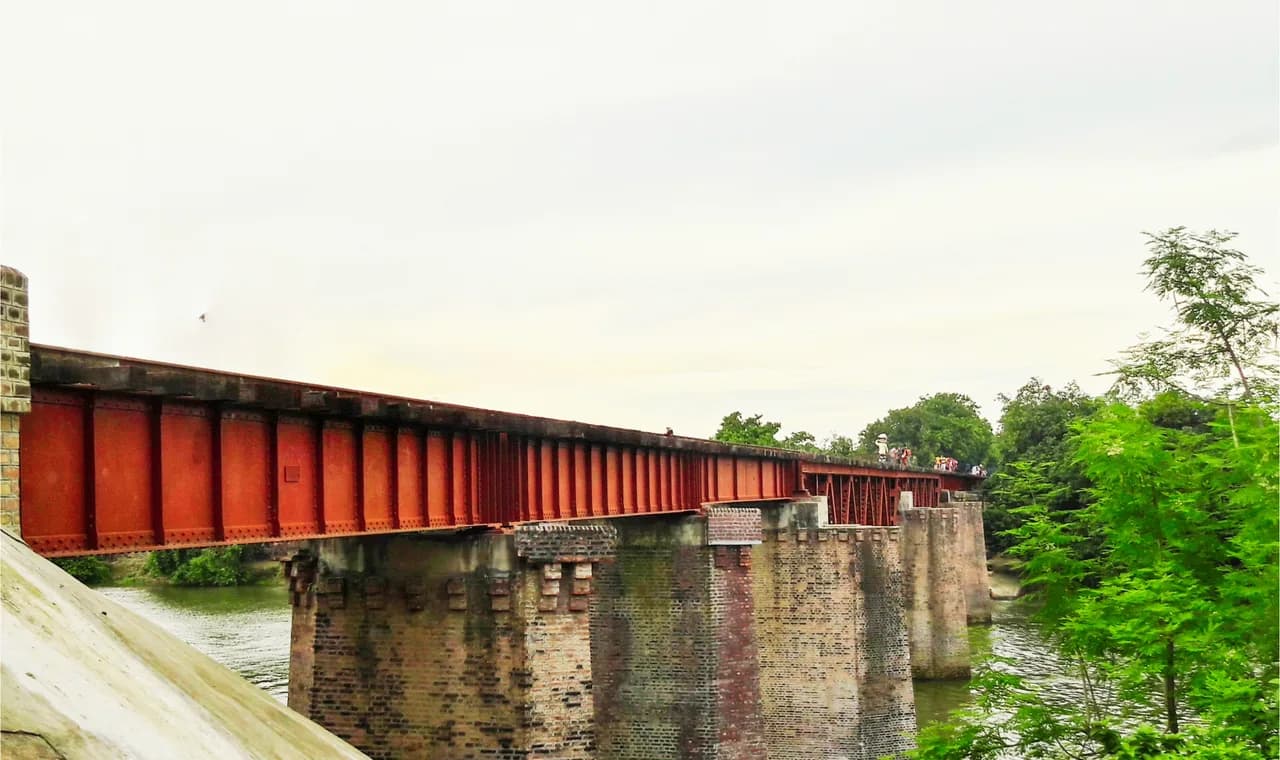
Discover Gomastapur, Chapai Nawabganj. Plan your journey to explore its premier mango markets, historical Rohanpur rail terminals. Image credit: Nahid.rajbd
Tucked away in the northern reaches of Chapai Nawabganj District in Rajshahi Division, Gomastapur Upazila is a region shaped by ancient river systems, fertile Barind terraces, and centuries of cross-border trade. While neighboring areas are famous for grand Sultanate architecture, Gomastapur offers something equally compelling: a serene landscape of ancient Buddhist stupas, Mughal-era observation towers, sprawling mango orchards, and vibrant rural markets along the Mahananda and Punarbhaba rivers.
For travelers looking to venture beyond Bangladesh's typical tourist corridors, a journey to Gomastapur brings authentic experiences. You can walk through quiet archaeological sites, watch traditional Gambhira folk performances, taste rustic regional specialties like Kalai Roti, and explore the bustling border hub of Rohonpur. Whether you are planning a weekend trip from Rajshahi or a heritage tour across Chapai Nawabganj, this comprehensive travel guide covers everything you need to know, including verified hotels, resorts, and rest houses to make your stay comfortable and rewarding.
Where is Gomastapur
Gomastapur Upazila is situated in the northern part of Chapai Nawabganj District, approximately 35 kilometers north of Chapai Nawabganj town and roughly 80 kilometers northwest of Rajshahi city. It covers an area of 318.13 square kilometers and shares an international border with Malda District in West Bengal, India, to the north and west.
To the east lie Niamatpur and Nachole upazilas, to the north Porsha Upazila of Naogaon District, and to the south and west lie Shibganj and Bholahat upazilas. Its geographical position along the Mahananda and Punarbhaba rivers has made it a crucial transit point for regional agriculture and cross-border railway transport.
Overview
Although the upazila takes its name from Gomastapur, its commercial and administrative heartbeat centers around Rohonpur (also spelled Rohanpur). Rohonpur is a thriving municipal town known across Bangladesh as a major railway junction and inland transit point for freight trains operating between Bangladesh and India.
The area forms an integral part of the Barind Tract, a high undulating landscape characterized by reddish-yellow clay soil, seasonal wetlands (beels), and deep alluvial floodplains. The economy relies heavily on agriculture, with mango cultivation, paddy farming, and pulse production driving local commerce. In addition to its economic importance, Gomastapur is home to diverse communities, including Bengali farmers and indigenous Oraon and Santal ethnic groups who have preserved their distinct cultural traditions for generations.
History and Background
Gomastapur has a long history tied to the early dynasties of Bengal. Archaeological evidence, including the ancient Naoda Stupa mound in Rohonpur, suggests that human settlement and Buddhist monastic culture flourished here during the Gupta and Pala empire periods (6th to 12th century AD).
During the Mughal era, Rohonpur served as a strategic river outpost along the Mahananda River. Historical accounts note that Mughal commanders and governors used the region as an observation point and trading stop along the river routes connecting Bengal with northern India.
During British colonial rule, Gomastapur was established as a police station (Thana) in 1836. It grew as a vital rail transit hub with the construction of the railway line through Rohonpur. In 1983, under administrative decentralization, Gomastapur was officially upgraded to an upazila. Today, it retains its historic character while serving as a gateway for agriculture and trade in northern Bangladesh.
Why Visit Gomastapur
Gomastapur offers an authentic slice of rural and historical Bangladesh away from crowded tourist circuits. Here is why it deserves a spot on your travel itinerary:
Ancient Archaeological Relics: Discover sites like Naoda Stupa, one of the few surviving Buddhist structural mounds in northern Rajshahi Division.
Agri-Tourism and Mango Groves: Walk through vast, shady mango orchards that fill the air with sweet blossom fragrances in spring and heavy fruit in summer.
Rail and Border Heritage: Experience Rohonpur Railway Station, an active international freight transit point with rich railway history.
Riverine Scenery: Take peaceful boat rides along the confluence of the Mahananda and Punarbhaba rivers during golden hour.
Cultural Diversity: Experience the living traditions of local indigenous villages and authentic Gambhira folk performances.
Convenient Access: Enjoy smooth highway and direct railway connections from Dhaka, Rajshahi, and Chapai Nawabganj Sadar.
Best Time to Visit
Winter (November to February)
Winter is the most comfortable time for sightseeing, heritage walks, and outdoor explorations. Temperatures range between 15°C and 25°C, providing clear skies, pleasant breezes, and cool mornings. The low water levels also make riverbanks and archaeological sites easy to navigate.
Summer and Mango Season (May to July)
If your primary reason for visiting Chapai Nawabganj travel is to experience the famous mango season, plan your trip between late May and July. Although daytime temperatures can reach 35°C to 38°C, the orchards are laden with ripe Fazli, Langra, and Khirsapat mangoes, and local markets in Rohonpur hum with seasonal trade.
Monsoon (August to October)
The monsoon rains revitalize the region's rivers and wetlands (beels). The countryside turns vibrant green, and the Mahananda River swells, offering beautiful views for nature lovers and photographers.
Weather and Climate
Gomastapur features a tropical wet and dry climate characteristic of the Barind region. Winters are dry and mild, while summers are warm with occasional thunder showers (Kalbaishakhi). The average annual rainfall ranges between 1,400 mm and 1,600 mm, concentrated mostly between June and September. Humidity peaks during the monsoon months, while late autumn and winter offer dry, crisp air ideal for travel.
How to Reach
By Road
Gomastapur is well-connected by paved highways to Chapai Nawabganj Sadar, Rajshahi, and Dhaka. Long-distance buses run daily from major Dhaka bus terminals (Gabtoli, Kalyanpur, Shyamoli) to Chapai Nawabganj Sadar and direct to Rohonpur. Prominent bus services include Hanif Enterprise, Shyamoli Paribahan, National Travels, and Desh Travels. The highway drive from Dhaka takes approximately 6 to 8 hours via the Jamuna Bridge route.
From Rajshahi city, direct local and direct regional buses run frequently to Rohonpur via Chapai Nawabganj, taking about 1.5 to 2 hours.
By Rail
Rohonpur Railway Station is one of the most important rail destinations in the district. Bangladesh Railway operates intercity rail services connecting Dhaka's Kamalapur Railway Station and Rajshahi directly to Rohonpur. Traveling by train offers a comfortable journey through countryside landscapes.
Nearby Transport Hubs
Rohonpur Railway Station: Located in the center of Rohonpur town.
Chapai Nawabganj Bus Terminal: Located 35 km south in Chapai Nawabganj Sadar.
Rajshahi Railway Station & Shah Makhdum Airport: Located approximately 80 km southeast in Rajshahi.
Local Transportation
Getting around Gomastapur and Rohonpur municipality is simple and affordable:
Battery Auto-Rickshaws (Easy Bikes): The primary mode of transport within Rohonpur town and nearby unions. They can be hired for single trips or rented for a half-day.
CNG Auto-Rickshaws: Ideal for travel between Rohonpur, Chapai Nawabganj Sadar, and neighboring upazilas like Shibganj or Nachole.
Motorcycle Taxis (Pathao/Local Riders): Common at railway stations and bus stops for quick travel along narrow village roads.
Wooden Boats: Available at river ghats along the Mahananda and Punarbhaba rivers for short water excursions.
Geography and Landscape
Gomastapur's geography is defined by two contrasting landforms: the elevated, hard reddish clay terrace lands of the Barind region in the eastern and northern unions, and the flat, fertile river floodplains in the central and western parts.
The Mahananda River flows south through the upazila, joined by the Punarbhaba River near Rohonpur. Numerous natural depressions (beels) like Kolar Beel, Kuaria Beel, and Bara Beel dot the rural landscape, serving as breeding grounds for native freshwater fish and temporary habitats for migratory birds in winter.
Mango Orchards and Agriculture
Chapai Nawabganj is widely known as the mango capital of Bangladesh, and Gomastapur plays an important role in the district's fruit production. Thousands of hectares across the upazila are covered by dense mango orchards.
Key cultivated varieties include:
Khirsapat (Himsagar): Early-season mango known for its fiberless texture and rich sweetness.
Langra: Highly aromatic mid-season variety prized for its distinct flavor.
Fazli: Late-season large mango known for its juicy flesh.
Ashwina: Very late-season variety extending harvest into late summer.
Beyond mangoes, Gomastapur produces high-quality Paddy, Wheat, Black Gram (Mashkalai), Mustard, and seasonal vegetables.
Local Culture and Traditions
The cultural landscape of Gomastapur reflects a harmony between Bengali agricultural traditions and indigenous heritage.
Gambhira Folk Music
Gambhira is the defining folk art form of Chapai Nawabganj. Featuring two characters—Nana (grandfather) and Nati (grandson)—it combines rhythmic songs, dhol drumbeats, and comic dialogue to critique social issues and celebrate community life.
Indigenous Heritage
Villages in unions like Radhanagar and Parbatipur are home to ethnic Oraon and Santal communities. Visitors can admire neatly maintained mud houses adorned with natural wall paintings, experience traditional harvest festivals like Sohrai, and see hand-woven textile and bamboo crafts.
Religious Heritage
Gomastapur reflects a peaceful co-existence of different faiths. Historical Islamic architecture, ancient Hindu temples, and traditional indigenous places of worship (Majihi Than) coexist across the upazila. The area features century-old village mosques alongside modern prayer centers, emphasizing community harmony.
Local Markets and Shopping
Rohonpur Bazar is the primary commercial center in Gomastapur Upazila. Key shopping highlights include:
Seasonal Mango Markets: During summer, Rohonpur market becomes a busy trading floor where farmers sell fresh-picked mangoes in bulk.
Handmade Bamboo Products: Traditional winnowing fans (kula), baskets, and fishing traps handcrafted by local artisans.
Regional Sweets: Freshly prepared sweetmeats available in town sweet shops.
Traditional Food
Gomastapur offers rustic culinary specialties unique to the Chapai Nawabganj region:
Kalai Roti with Begun Bharta: A rustic flatbread made from ground black gram (mashkalai) and rice flour, baked over clay stoves. It is served with smoky mashed eggplant, raw chili-garlic paste, or spicy duck curry.
Fresh River Fish: Locally caught Tengra, Boal, Carp, and Prawns cooked in fragrant mustard oil curries.
Kansat Chamcham: Golden caramelized milk sweets famous throughout the district.
Fresh Mango Specialties: Sweet mango juice, green mango chutneys (Aam Chatni), and sun-dried mango bars (Aamsotto).
Family Travel
Gomastapur is a safe, relaxed destination for families traveling with children. Kids will enjoy open spaces in the mango orchards, simple river boat rides, and learning about railway history at Rohonpur station. For family stays, choosing hotels in Chapai Nawabganj city with modern amenities like AC rooms and room service ensures a smooth experience.
Couples Travel
Couples seeking a peaceful getaway will appreciate the calm countryside, romantic river sunsets along the Mahananda, and quiet walks through green orchards. Staying at a quality hotel in Chapai Nawabganj Sadar allows couples to combine daytime rural exploration with comfortable evening dining.
Solo Travel
Solo travelers, photographers, and heritage enthusiasts will find Gomastapur welcoming and budget-friendly. Navigating local transport by auto-rickshaw is straightforward, and local residents are known for their hospitality and willingness to offer directions.
Budget Travel
Gomastapur is an exceptionally affordable destination. Transport by local auto-rickshaw costs very little, authentic local meals like Kalai Roti are inexpensive, and budget rest houses or residential hotels offer simple rooms at low daily rates.
Responsible Tourism
Respect Local Privacy: Always ask permission before photographing local residents, especially in indigenous villages.
Support Local Businesses: Purchase fresh fruits, handicrafts, and meals directly from village vendors and local market stalls.
Protect the Environment: Keep orchard paths and riverbanks free of plastic waste.
Safety Tips
Gomastapur is a peaceful upazila with low crime rates. Standard travel precautions apply:
Keep personal belongings secure in crowded market areas.
Carry a flashlight when walking along rural village paths at night.
Wear life jackets when taking wooden boat rides on the rivers.
Keep your national ID or passport accessible, as border areas nearby may have routine security checkpoints.
Suggested One-Day Itinerary
08:30 AM: Arrive at Rohonpur town via train or bus. Enjoy a traditional breakfast of hot parathas or Kalai Roti.
09:30 AM: Visit the historical Naoda Stupa archaeological site in Rohonpur and explore its surrounding green fields.
11:30 AM: Tour Rohonpur Railway Station to observe the historic junction and border freight infrastructure.
01:00 PM: Enjoy a traditional lunch featuring fresh Mahananda river fish and Kalai Roti at a town eatery.
02:30 PM: Take a short auto-rickshaw ride to a local mango orchard in Gomastapur and walk through the shaded groves.
04:30 PM: Head to the Mahananda-Punarbhaba river confluence for a scenic 1-hour sunset boat ride.
06:30 PM: Return to Rohonpur market for evening tea and snacks before departing for your hotel.
Suggested Two-Day Itinerary
Day 1: Gomastapur Heritage, Rivers & Local Life
Morning: Arrive in Rohonpur. Visit Naoda Stupa and the octagonal Mughal observation tower structure.
Afternoon: Lunch in Rohonpur. Visit an indigenous Oraon village near Radhanagar to see traditional rural mud house architecture.
Late Afternoon: Enjoy a sunset boat trip along the Mahananda River.
Evening: Transfer to Chapai Nawabganj Sadar (35 km) and check into Hotel Sky View Inn. Enjoy dinner at the hotel.
Day 2: Heritage Circuit of Nearby Shibganj & Nachole
08:30 AM: Drive to nearby Shibganj (approx. 35 km from Rohonpur).