

All ArticlesDestination Guide
Ishwardi, Pabna Travel Guide: Rooppur, Bridges & Key Stays
N
Nasir Khan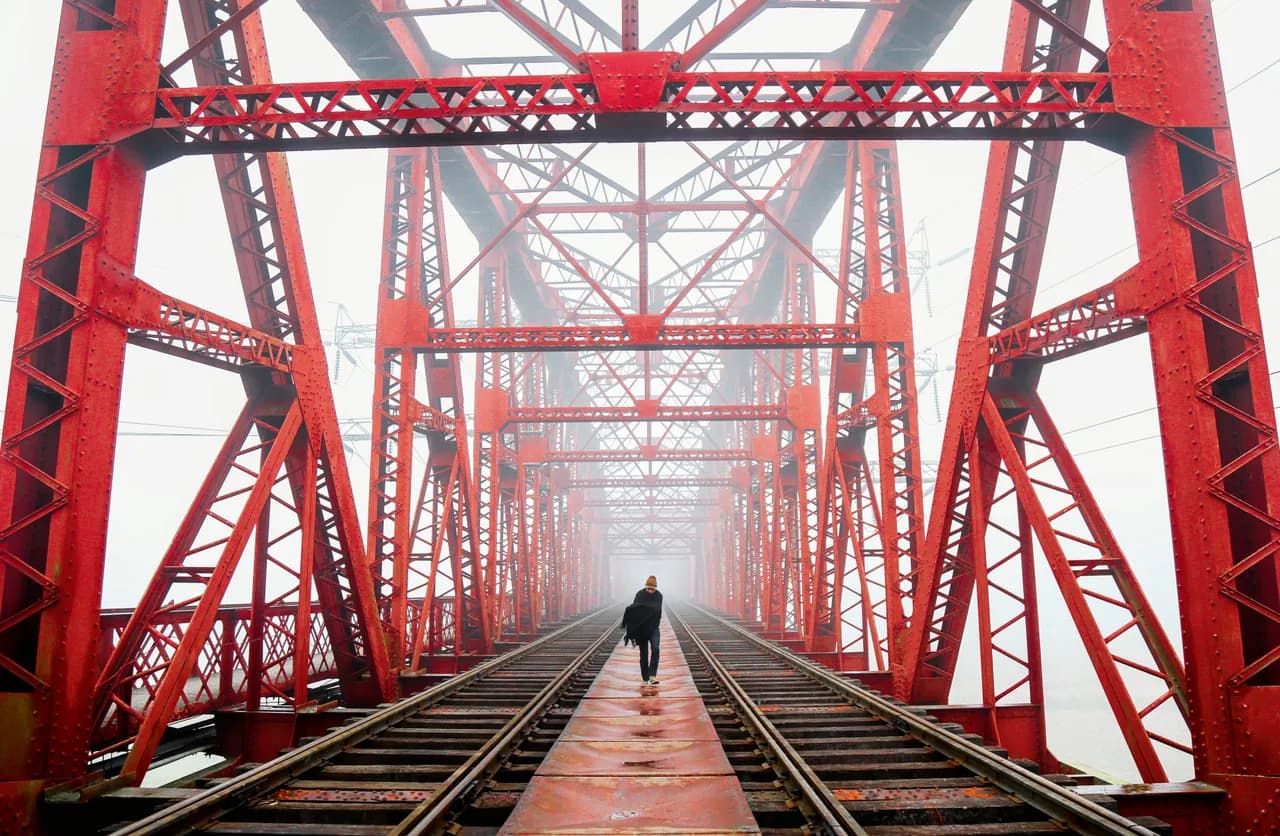
Discover Ishwardi, Pabna. Plan your journey to explore the historic Hardinge Bridge, industrial hubs, and verified corporate hotels in town. Image credit: Shahriar Amin Fahim247
Ishwardi Upazila in Pabna District serves as one of western Bangladesh's most vital travel, industrial, and transportation hubs. Famous for its century-old railway infrastructure, sprawling agricultural fields, and the grand confluence of human engineering over the mighty Padma River, Ishwardi occupies a distinct place on the country's cultural and economic map. Whether you are traveling for a weekend getaway, exploring colonial-era railway heritage, visiting industrial developments near Rooppur, or embarking on a broader tour of Rajshahi Division, Ishwardi offers a unique blend of historical gravitas and peaceful riverside charm.
As a primary transit node connecting northern and western Bangladesh to the capital, Ishwardi is exceptionally well-connected by rail and road. For travelers planning a visit, understanding the layout of the region and securing the right accommodation—whether a peaceful riverside resort near Paksey or a commercial hotel in Pabna town—is key to a smooth journey.
Where is Ishwardi
Ishwardi is an upazila (sub-district) situated in the western part of Pabna District, within the Rajshahi Division of Bangladesh. Geographically positioned along the northern bank of the Padma River, it borders Lalpur Upazila of Natore District to the north, Kushtia Sadar and Bheramara Upazilas to the south across the river, Pabna Sadar to the east, and Badaigram Upazila to the northwest. Its position along major railway corridors makes it a strategic gateway between the southwestern region and the northern districts of Bangladesh.
Overview
Ishwardi is widely recognized as a major railway junction and an industrial powerhouse in North Bengal. It encompasses Paksey, a historic railway township designed during the British colonial period, which remains one of the greenest and most architecturally distinct railway colonies in the country. The area is also famous for hosting Bangladesh's longest-standing steel truss railway structure, the Hardinge Bridge, running parallel to the modern Lalon Shah Bridge. Beyond heritage, Ishwardi is a crucial agricultural research center housing national institutes for sugarcane and pulses, and it is home to the Rooppur Nuclear Power Plant project, making it a bustling center for both leisure and business travelers.
History and Background
The history of Ishwardi is deeply intertwined with the expansion of the Eastern Bengal Railway during the late 19th and early 20th centuries. Before the construction of the railway network, the area consisted primarily of agricultural settlements along the Padma River banks. The decision by British railway engineers to construct a massive bridge over the Padma River at Paksey transformed Ishwardi into a major administrative and operational center for railway logistics.
Constructed between 1909 and 1915 under Chief Engineer Sir Robert William Gales, the Hardinge Bridge established a direct rail link between Kolkata and the northern districts of Bengal and Assam. The creation of Paksey as a dedicated railway headquarters brought European-style bungalows, organized street grids, tree-lined avenues, and executive rest houses to the region. Following the 1971 Liberation War, during which railway infrastructure played a strategic role, Ishwardi continued its development as an industrial and agricultural research hub.
Why Visit Ishwardi
Architectural Heritage: Marvel at the riveting steel structure of Hardinge Bridge, an engineering feat that has withstood over a century of river currents.
Riverside Scenery: Enjoy serene sunsets along the banks of the Padma River at Paksey and surrounding embankments.
Colonial Railway Ambience: Walk through the peaceful, shaded avenues of the Paksey Railway Colony and inspect vintage railway installations.
Convenient Transport Access: Easy rail connectivity from Dhaka, Rajshahi, Khulna, and Rangpur makes Ishwardi ideal for a quick weekend trip.
Gateway to Pabna Heritage: Serve as an easy base to explore regional attractions across Pabna District, including historic zamindar estates and spiritual ashrams.
Best Time to Visit
The ideal period to visit Ishwardi is during the cool, dry winter months from November to February. During this time, temperatures range between 12°C and 25°C, providing comfortable weather for outdoor sightseeing along the Padma River and walking around Paksey's heritage sites. Late autumn (October) and early spring (March) are also pleasant, though midday temperatures begin to rise. Monsoon season (June to September) brings high humidity and heavy rainfall, which swells the Padma River into an impressive spectacle, though outdoor movement can be limited.
Weather and Climate
Ishwardi experiences a humid subtropical climate characterized by three main seasons:
Winter (November – February): Mild, clear, and dry with pleasant breezes near the river. Highs average 22°C to 26°C; nights can drop to 10°C–13°C.
Summer (March – May): Hot and dry, transitioning to humid conditions. Temperatures frequently reach 35°C to 38°C, with occasional pre-monsoon squalls (Kalbaishakhi).
Monsoon (June – October): Warm and rainy, receiving the majority of the region's annual rainfall. Humidity remains above 80%.
How to Reach
By Train
Ishwardi Junction and Ishwardi Bypass are two of the busiest railway stations in Bangladesh. Numerous intercity trains connect Ishwardi directly with Dhaka (Kamalapur and Airport stations), Rajshahi, Khulna, Benapole, Rangpur, and Chilmari. Prominent trains like the Silk City Express, Padma Express, Chitra Express, and Sundarban Express make scheduled stops here. Travel time from Dhaka by train is approximately 4 to 5 hours.
By Road
Ishwardi is well-connected via the N704 highway network. Highway buses run frequently from major Dhaka bus terminals (Gabtoli, Kalyanpur, Shyamoli) directly to Ishwardi or Pabna via the Bangabandhu Bridge route or Nabinagar-Manikganj route. Bus journeys typically take between 5 to 6 hours depending on highway traffic.
By Air
The nearest commercial airport is Shah Makhdum Airport in Rajshahi, located roughly 75 kilometers northwest of Ishwardi. Domestic flights connect Rajshahi with Dhaka. From Rajshahi airport, visitors can hire a private car or take a train from Rajshahi Railway Station down to Ishwardi.
Local Transportation
Getting around Ishwardi and Paksey is straightforward:
Auto-Rickshaws & CNGs: Three-wheeled battery-operated auto-rickshaws and CNGs are the most common mode of local travel between Ishwardi town, Paksey, Rooppur, and nearby villages.
Cycle Rickshaws: Ideal for short, relaxed rides within the shaded streets of Paksey Railway Colony or downtown Ishwardi.
Private Cars & Microbuses: Can be rented from vehicle rental services in Ishwardi town or Pabna Sadar for full-day excursions across the district.
Padma River and Natural Landscape
The landscape of Ishwardi is dominated by the expansive channels of the Padma River. Over generations, the river has shaped local agriculture, trade, and culture. Near Paksey, the river channel narrows slightly between stable geological banks, which is why British engineers selected this spot for bridging the river. The riverside embankments provide wide open vistas of sandbars (chars), seasonal farmlands, and dramatic water horizons that draw nature lovers and photography enthusiasts alike.
Railway Heritage
Ishwardi stands as a living museum of Bengal's railway expansion. Beyond the operational junctions, the administrative infrastructure built by Eastern Bengal Railway remains intact in Paksey. Historic officers' bungalows set amidst mahogany and teak groves, old railway turntables, vintage mechanical signaling equipment, and structural workshops offer a fascinating glimpse into early 20th-century civil engineering and urban planning.
Agriculture and Local Economy
Agriculture forms the backbone of Ishwardi's rural economy. The upazila is renowned across Bangladesh for its high-yield production of sugarcane, litchis (especially the local China-3 and Mozaffarpuri varieties), papayas, guavas, and winter vegetables. The Bangladesh Sugarcrop Research Institute (BSRI) and regional agricultural research stations are based in Ishwardi, driving innovation in crop resistance and yield enhancement. In addition to farming, small-scale manufacturing, commercial trading, and industrial development around the EPZ (Export Processing Zone) contribute significantly to the local economy.
Photography Opportunities
Steel Truss Architecture: Capture the geometric patterns of Hardinge Bridge, especially during morning fog or golden hour light.
Sunset over the Padma: Shoot sweeping panoramas from the banks near Lalon Shah Bridge as fishing boats cross the glowing water.
Vintage Railway Aesthetics: Photograph the colonial-era bungalows, shaded avenues, and classic station signs around Paksey.
Orchard Blossoms: Visit litchi and guava orchards during spring (February–March) when trees are in full bloom or fruiting stage.
Local Culture
Life in Ishwardi reflects the warm, hospitable culture of North Bengal. Rural traditions are closely tied to agricultural seasons—particularly the sugarcane harvest and spring fruit picking. The regional dialect carries gentle western Bengali intonations, and local life moves at an unhurried pace, particularly along the riverside villages and shaded railway residential blocks.
Festivals
Pahela Baishakh (Bengali New Year): Celebrated with traditional fairs (Baishakhi Mela), cultural programs, and community gatherings along the Padma riverbanks.
Litchi Season Fairs (May–June): During peak harvest, seasonal markets burst into activity, attracting fruit traders and visitors from across the country.
Eid & Durga Puja: Both major religious festivals are observed with festive lighting, family reunions, and vibrant public gatherings across towns and villages.
Shopping and Local Markets
Ishwardi Station Bazar: The main commercial market in town, ideal for purchasing everyday goods, regional textiles, fresh fruits, and local snacks.
Seasonal Fruit Hubs: During May and June, temporary roadside markets near Paksey and Ishwardi bypass sell freshly harvested litchis directly from local growers.
Pabna Town Markets: Located 25 km east, Pabna town markets offer famous Pabna handloom sarees (tant) and traditional handicrafts.
Traditional Food
Food in Ishwardi centers around fresh freshwater catches and traditional Bengali staples:
Padma Ilish (Hilsa): Sourced directly from the river, served fried or cooked in mustard gravel (Sorshe Ilish).
Freshwater Fish Curries: Local preparations of Rui, Katla, Chital, and Boal using regional spices.
Roshogolla & Sweets: Traditional dairy sweets from local sweet shops in Ishwardi and Pabna town.
Seasonal Fruits: Freshly picked Ishwardi litchis, guavas, and green coconuts during harvest months.
Travel Styles & Recommendations
Family Travel
Ishwardi provides an easy-going environment for families. Children enjoy seeing trains cross the historic bridge, boat rides on calm river stretches, and spacious green parks around Paksey.
Couples Travel
The quiet riverside points near Paksey and sunset views over Lalon Shah Bridge offer a romantic, restful backdrop for couples looking for a peaceful weekend retreat away from metropolitan noise.
Solo Travel
Solo travelers will find Ishwardi safe, affordable, and easy to navigate via local auto-rickshaws. Railway enthusiasts will particularly enjoy exploring station heritage and talking with local railway staff.
Budget Travel
With low-cost train fares, inexpensive local food joints, and budget guest houses in Ishwardi and Pabna town, a 2-day visit can easily fit modest travel budgets.
Business Travel
Due to the Rooppur project and the Ishwardi Export Processing Zone (EPZ), many business professionals visit the area. Executive guest houses and mid-range commercial hotels in Paksey and Pabna Sadar cater well to corporate needs.
Responsible Tourism
Respect Heritage Structures: Do not climb on structural trusses or deface historic railway installations and bridge footings.
Keep Riverbanks Clean: Carry out trash and plastic containers when picnicking along the Padma River shores.
Support Local Growers: Buy seasonal fruits directly from local farmers and vendors at fair prices.
Respect Local Privacy: Ask permission before photographing residents, agricultural workers, or private residences in rural areas.
Safety Tips
Bridge Safety Restrictions: Walking directly on train tracks on Hardinge Bridge is illegal and extremely dangerous. Always observe the bridges from designated public viewing areas or boat vantage points.
River Boating: If hiring small engine boats for river sightseeing, ensure the boatman provides life jackets and avoids navigating during sudden stormy weather or strong monsoon currents.
Traffic Precautions: Be mindful when crossing busy roadways near the approach roads of Lalon Shah Bridge where heavy transport vehicles operate.
Suggested Itineraries
Suggested One-Day Itinerary
Morning: Arrive at Ishwardi Junction or drive from Pabna Sadar. Breakfast at a local eatery in Ishwardi town. Head directly to Paksey Railway Colony to explore shaded avenues and colonial bungalow architecture.
Midday: Visit the Bangladesh Sugarcrop Research Institute grounds or local orchards. Enjoy a traditional lunch featuring fresh Padma fish at a nearby local restaurant.
Afternoon: Head to the Padma riverfront near Paksey. Take a guided boat ride to view the steel framework of Hardinge Bridge and Lalon Shah Bridge from the water.
Evening: Watch the sunset over the river from the embankment. Return to Ishwardi station or drive back to your hotel.
Suggested Two-Day Itinerary
Day 1: Follow the One-Day Itinerary covering Paksey, Hardinge Bridge, and river boating. Overnight stay at a resort in Paksey or hotel in Pabna town.
Day 2: Morning drive toward Pabna Sadar (approx. 30–45 minutes). Visit Sree Sree Thakur Anukulchandra Satsang Ashram and historic landmarks in Pabna town. Have lunch at a traditional restaurant in Pabna Sadar. Afternoon shopping for famous local handloom products before departing for your onward journey.
Tourist Attractions in and near Ishwardi
Hardinge Bridge (Paksey)
Overview: A magnificent steel truss railway bridge spanning the Padma River between Paksey (Ishwardi) and Bheramara (Kushtia).
Why Visit: It is one of Bangladesh's most celebrated engineering monuments, offering a powerful visual reminder of early 20th-century construction capability.
Significance: Named after Lord Hardinge, Governor-General of India, the bridge was opened in 1915 and spans over 1.8 kilometers with 15 main steel truss spans.
Visitor Experience: Standing on the riverbank near Paksey offers sweeping views of the massive red steel trusses as passenger and freight trains cross high above the water.
Photography Opportunities: Outstanding for architectural details, long-exposure rail shots, and wide landscape photography from the shore.
Best Season: October to March for clear skies and comfortable walking temperatures.
Approximate Duration: 1 to 2 hours.
Nearby Accommodation: Resorts and guest houses in Paksey, or commercial hotels in Pabna town.
Lalon Shah Bridge
Overview: A modern concrete road bridge running parallel to Hardinge Bridge over the Padma River.