

All ArticlesDestination Guide
Jhikargacha, Jashore: Flower Capital Heritage & Travel Guide
N
Nasir Khan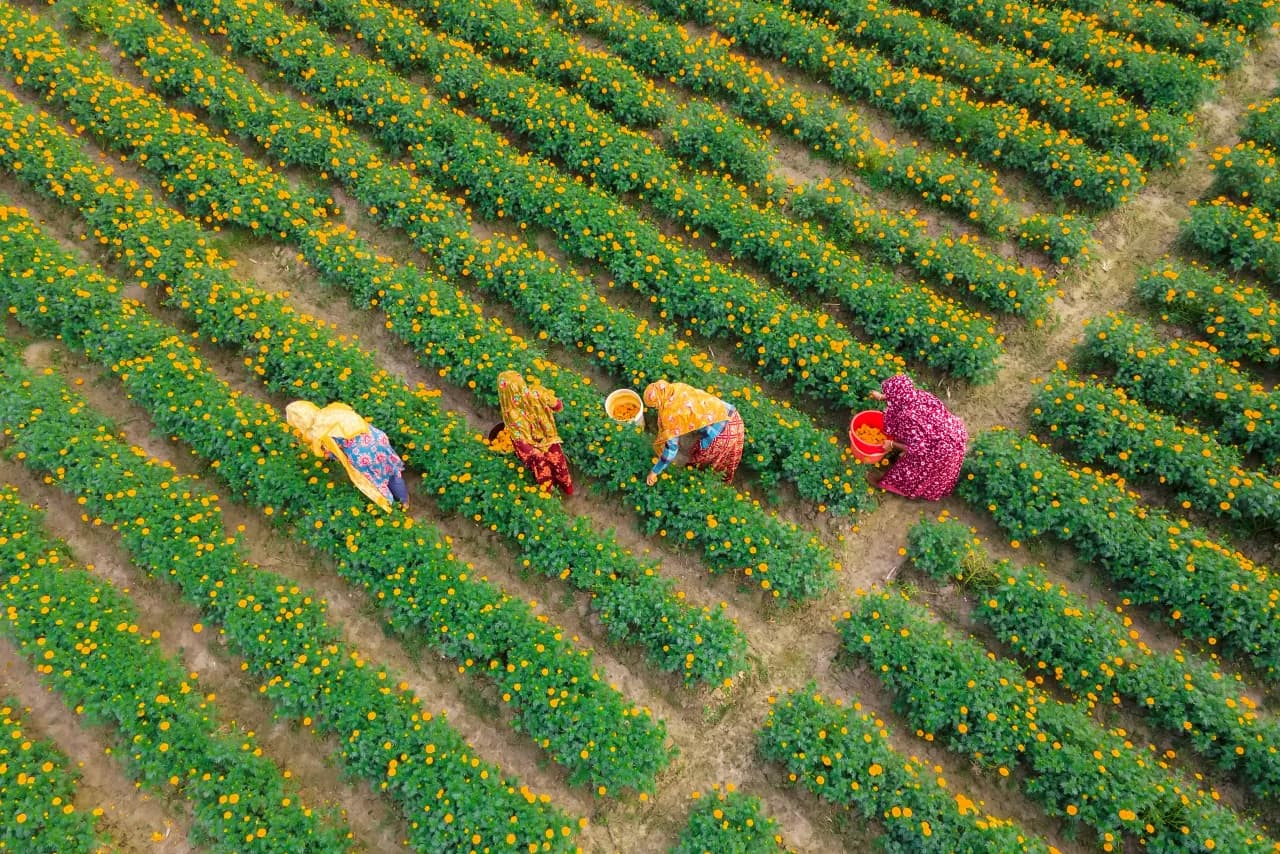
Discover Jhikargacha, Jashore. Plan your journey to explore the stunning flower fields of Godkhali, local culture, and verified accommodations nearby. Image credit: Muhammad Amdad Hossain
Stepping into Jhikargacha Upazila feels like entering a living canvas painted with vibrant hues of crimson, gold, and violet. Situated in the southwestern district of Jashore, Bangladesh, this serene rural region is widely recognized as the flower capital of the nation. Beyond its famous sprawling floral fields, Jhikargacha offers travelers an authentic glimpse into Bengal's tranquil countryside—where the historic Kopotakkho River winds through fertile farmlands, traditional village markets buzz with morning energy, and colonial-era heritage echoes through quiet lanes.
For travelers seeking a refreshing weekend trip near Jashore, Jhikargacha presents a captivating blend of rural tourism Bangladesh, cultural heritage, and warm village hospitality. Positioned just 18 kilometers west of Jashore town along the historic Jashore-Benapole highway, this sub-district is easily accessible for a day trip or an extended getaway. Whether you are exploring the vast floral landscapes of Godkhali and Panisara or immersing yourself in regional heritage, this comprehensive Jhikargacha travel guide provides everything you need to know, including verified hotels in Jashore and nearby accommodation options to make your journey seamless and comfortable.
Where is Jhikargacha
Jhikargacha is an upazila (sub-district) located in the western portion of the Jashore District within the Khulna Division of southwestern Bangladesh. It is bounded by Chaugachha Upazila to the north, Kalaroa Upazila of Satkhira District to the south, Jashore Sadar Upazila to the east, and Sharsha Upazila to the west.
Geographically positioned along the banks of the Kopotakkho River, Jhikargacha benefits from rich alluvial soil that supports extensive agricultural activities. Its strategic location on the N706 highway connects Jashore city directly to the Benapole land port at the Indian border, making Jhikargacha an effortlessly connected destination for both domestic visitors and international transit travelers exploring cultural tourism Bangladesh.
Overview of Jhikargacha
Covering an area of approximately 308 square kilometers, Jhikargacha is celebrated nationwide as the primary hub of commercial floriculture in Bangladesh. Over 80 percent of the country’s commercial flower supply originates from the fields surrounding Godkhali and Panisara unions within this upazila. Thousands of local farming families cultivate a striking variety of blooms year-round, transforming entire countryside horizons into multi-colored tapestries.
Beyond its floral economy, Jhikargacha embodies the essence of authentic rural life in southern Bangladesh. The upazila is characterized by lush green paddy fields, date palm groves, freshwater wetlands, and peaceful riverbanks. The local population is predominantly involved in agriculture, flower cultivation, and traditional trade, welcoming travelers with effortless warmth and traditional rural etiquette.
History and Background
The history of Jhikargacha Jashore is deeply intertwined with the ancient deltaic trade routes and administrative development of the greater Jashore region. Historically part of the ancient Samatata region and later governed under the Bengal Sultanate and Mughal Empire, the area prospered due to riverine commerce along the Kopotakkho River.
During the British colonial era, Jhikargacha developed as an important transit station between Kolkata and Eastern Bengal. Indigo cultivation was once practiced in the surrounding plains, and remnants of colonial influence can still be observed in local administrative structures, old indigo godowns, and Christian missionary establishments such as the historical Shimulia Catholic Mission. During the 1971 Liberation War of Bangladesh, Jhikargacha played a significant strategic role along the frontline due to its proximity to the border, leaving behind a legacy of resilience preserved in local community memory.
Why Visit Jhikargacha
Jhikargacha stands out as one of the most rewarding destinations for rural tourism Bangladesh due to its distinct agricultural heritage and natural charm. Unlike conventional urban tourist hubs, Jhikargacha offers an unhurried, immersive travel experience centered on natural beauty and community life.
The Flower Kingdom: Experience Bangladesh's largest flower cultivation zone in Godkhali and Panisara, where endless fields of roses, gerberas, gladioli, and marigolds bloom under open skies.
Serene Riverine Settings: Relax along the peaceful banks of the Kopotakkho River, ideal for quiet morning walks, boat rides, and landscape photography.
Authentic Village Life: Observe traditional farming techniques, seasonal date palm juice extraction, and daily village routines far removed from city noise.
Proximity to Jashore Town: Combine your rural exploration with visits to historical sites, heritage landmarks, and top-rated hotels in Jashore within a short 30-minute drive.
Best Time to Visit
The ideal time to plan a travel experience in Jhikargacha is during the cooler months between November and February. During winter, temperature levels are pleasant, ranging from 12°C to 25°C, making outdoor exploration across open fields comfortable.
Winter is also the peak flowering season in Godkhali and Panisara. Fields are in full bloom, and local flower markets operate at maximum capacity in preparation for major national winter celebrations, National Days, and Valentine's Day. Additionally, winter allows travelers to taste fresh date palm sap (Khejur Ras) and traditional winter sweetmeats (Pitha) prepared in local villages.
Weather and Climate
Jhikargacha experiences a tropical monsoon climate characterized by three main seasons:
Winter (November to February): Mild, dry, and pleasant with clear blue skies and cool morning breezes. Ideal for walking through flower gardens and visiting countryside attractions.
Summer (March to May): Warm to hot, with temperatures ranging between 28°C and 38°C. Early mornings remain suitable for flower field visits before midday heat builds up.
Monsoon (June to October): Heavy rainfall refreshes the rural landscape, turning the countryside intensely green. While flower harvesting continues, farm tracks can become muddy, so carrying rain gear and wearing suitable footwear is advised.
How to Reach Jhikargacha
Jhikargacha is well-connected to major cities across Bangladesh through road, rail, and air routes via Jashore Sadar.
Road Connectivity
Long-distance AC and non-AC intercity buses operate regularly from major terminals in Dhaka (such as Gabtoli, Kalyanpur, and Kalabagan) to Jashore town and Benapole. The highway travel time from Dhaka to Jashore via the Padma Bridge is approximately 4 to 5 hours. From Jashore town’s Chachra or Palbari bus stands, local buses, shared CNG auto-rickshaws, and private cars take about 30 minutes (18 km) along the Jashore-Benapole highway to reach Jhikargacha Bazaar or Godkhali.
Railway Access
Regular intercity trains operate between Dhaka’s Kamalapur Railway Station and Jashore Junction (including the Sundarban Express and Chitra Express), as well as direct connections from Khulna and Benapole. Upon arrival at Jashore Junction railway station, travelers can hire private vehicles or take local transport directly to Jhikargacha.
Air Travel
Jashore Airport (JSR) receives daily domestic flights from Dhaka operated by domestic airlines. The flight duration is approximately 45 minutes. From the airport, visitors can reserve a taxi or private vehicle to reach Jhikargacha within 35 to 45 minutes.
Local Transportation
Navigating within Jhikargacha Upazila is straightforward and budget-friendly:
CNG Auto-Rickshaws & Easy Bikes: Battery-operated three-wheelers (Easy Bikes) and CNG auto-rickshaws are the primary modes of transport between Jhikargacha town, Godkhali Bazaar, and nearby farming villages.
Cycle Rickshaws: Ideal for short, leisurely rides within Jhikargacha town or between adjacent village spots.
Private Cars & Motorbike Rentals: Hiring a private car or local motorbike driver from Jashore town provides maximum flexibility for photography stops across multiple flower villages.
Natural Landscape and Rural Beauty
The geographical charm of Jhikargacha lies in its expansive open horizon and fertile flatlands. Rows of rain trees line the highways, while interior village roads pass beneath canopies of coconut palms, mango orchards, and date trees. During the early morning hours, mist settles over green paddies and vibrant floral patches, creating serene countryside views that attract nature lovers and visual storytellers alike.
Rivers, Wetlands, and Countryside Environment
The Kopotakkho River forms the lifeblood of Jhikargacha's ecosystem. Flowing gently through the upazila, the river nourishes surrounding agricultural lands and provides local fishing communities with seasonal catches. Small canals and seasonal wetlands (beels) dot the countryside, providing habitat for native bird species, freshwater fish, and aquatic plants like lotus and water lilies.
Historical and Cultural Heritage
Jhikargacha's heritage tourism Bangladesh appeal centers on its blend of colonial administrative history, rural folklore, and community traditions. The region reflects the historical synthesis of Southern Bengal, where old landowning zamindari estates, traditional trading posts, and spiritual centers coexisted along river channels.
Religious and Community Landmarks
Jhikargacha hosts several notable places of worship and historic community sites:
Shimulia Catholic Church & Mission: Located in Shimulia village, this peaceful Christian mission complex was established in the mid-19th century. The compound features historic brick architecture, a quiet church, educational institutions, and manicured gardens.
Gazir Dargah & Kayem Kola: A local historical shrine associated with Sufi traditions and folk legends of Gazi Pir, situated in a quiet village environment in Jhikargacha.
Jhikargacha Central Jame Masjid: A prominent landmark in the upazila town center where local community life converges during Friday prayers and religious festivals.
Local Lifestyle and Village Experience
Life in Jhikargacha moves at a calm, deliberate pace dictated by agricultural cycles. Farmers head out to fields at sunrise, flower harvesters carefully bundle fresh stems in morning dew, and artisans craft bamboo baskets for floral transport. Visiting local villages allows travelers to witness authentic rural lifestyle practices, including traditional rice husking, date palm syrup boiling, and home gardening.
Festivals and Cultural Events
Cultural life in Jhikargacha is vibrant and deeply tied to seasonal harvests and national holidays:
Flower Festivals & Spring Celebrations: During Pohela Falgun (Spring Arrival) and Valentine's Day in mid-February, Godkhali witnesses an influx of thousands of visitors. Local flower growers decorate stalls, and cultural gatherings celebrate the seasonal bloom.
Nobanno (Harvest Festival): Celebrated across rural villages after the autumn paddy harvest with traditional home-cooked delicacies.
Pohela Boishakh (Bengali New Year): Marked by colorfully decorated village fairs (Boishakhi Mela), traditional sweet distribution, and folk musical performances.
Local Markets and Shopping
Shopping in Jhikargacha centers on agricultural products and handcrafted goods:
Godkhali Wholesale Flower Market: The most famous market in the upazila. Arrive between 6:00 AM and 8:30 AM to watch farmers auction tons of fresh roses, gerberas, marigolds, and gladioli.
Jhikargacha Station Bazaar: A lively town market offering local handicrafts, bamboo flower baskets, seasonal fruits, and fresh produce.
Jashore Date Molasses (Khejur Gur): During winter, local village markets sell pure date palm jaggery (Patali Gur and Nolen Gur), famous throughout Bangladesh for its rich flavor.
Traditional Food and Local Cuisine
The culinary landscape of Jhikargacha highlights southern Bengali flavors:
Freshwater River Fish: Curries prepared with fresh Rui, Katla, Tengra, and Pabda caught from the Kopotakkho River and nearby wetlands.
Jashore Date Palm Sweets: Sweet delicacies prepared using local date molasses, including Khejur Gurer Payesh (rice pudding) and Patali Gur Sandesh.
Authentic Bengali Thali: Steamed rice served with mustard-infused fish curry, lentils (dal), fried eggplant (begun bhaja), and mashed vegetable preparations (vorta).
Family Travel Experience
Jhikargacha is an excellent, educational destination for family trips. Children and adults alike enjoy walking through open flower fields, learning how flowers are grown and harvested, and experiencing countryside river views without urban crowds. Safe, flat walking paths and friendly local communities make day excursions pleasant for multi-generational families.
Couples Travel Experience
For couples, the vast floral fields of Panisara offer a romantic backdrop reminiscent of classic landscape paintings. Strolling along colorful flower aisles during golden hour, taking private boat rides on the quiet Kopotakkho River, and staying at boutique or luxury hotels in nearby Jashore town create a peaceful weekend trip near Jashore.
Solo Travel Experience
Solo travelers and photography enthusiasts will find Jhikargacha exceptionally welcoming and safe. Navigating local markets, interacting with welcoming flower farmers, and capturing candid rural life photography offer rewarding experiences. Reliable mobile networks and straightforward transport connections ensure solo travelers can explore with confidence.
Budget Travel Guide
Jhikargacha is an exceptionally affordable destination:
Transport: Public buses from Jashore to Godkhali cost around BDT 30–50. Easy bike rides between village points range from BDT 20–100.
Food: Fresh local meals at authentic village eateries cost between BDT 120 and BDT 250 per person.
Attractions: Entry to flower fields and village landscapes is generally free, though offering a small courtesy token or buying flowers directly from farmers is appreciated.
Responsible Tourism
To protect Jhikargacha's natural environment and agricultural livelihood:
Do Not Trample Flowers: Walk strictly along designated dirt paths inside flower farms; never step on growing plants or break stems without permission.
Support Local Farmers: Purchase flowers, fresh juice, or local sweetmeats directly from village growers and local market stalls.
Dispose of Trash Properly: Carry your plastic bottles and snack wrappers back to town bins to prevent littering in agricultural soils and riverbanks.
Respect Local Privacy: Always ask politely before taking close-up photographs of local villagers or private homesteads.
Safety Tips
Jhikargacha is a peaceful, low-crime rural area. Standard travel precautions apply:
Carry cash in local currency (BDT), as mobile banking and ATM outlets are concentrated mostly in Jhikargacha town and Jashore Sadar.
Carry sunscreen, sun hats, and drinking water when walking through open fields during sunny hours.
Wear comfortable flat walking shoes or boots suitable for unpaved farm tracks.
Keep emergency contact numbers saved on your phone.
Suggested One-Day Itinerary
07:00 AM – 08:30 AM: Depart from Jashore town and arrive early at Godkhali Wholesale Flower Market to witness the morning flower trade.
09:00 AM – 11:30 AM: Explore the flowering fields of Panisara and Gadkhali; take photos among gerbera, gladiolus, and rose plantations.
12:00 PM – 01:30 PM: Enjoy a traditional Bengali lunch featuring freshwater fish curry at a local restaurant in Jhikargacha town.
02:00 PM – 03:30 PM: Visit the historic Shimulia Catholic Church complex and explore nearby rural village lanes.
04:00 PM – 05:30 PM: Relax along the banks of the Kopotakkho River as the sun sets over the water.
06:00 PM: Return to your hotel in Jashore town.
Suggested Two-Day Itinerary
Day 1: Jhikargacha Rural & Floral Immersion
Follow the One-Day Itinerary above focusing on Godkhali flower fields, Kopotakkho River, and Shimulia Church. Spend the evening dining in Jashore city center and overnight at a top-rated hotel in Jashore.
Day 2: Jashore Heritage & Cultural Circuit
09:00 AM – 11:30 AM: Visit the historic colonial Jashore Collectorate Building and Jashore Municipal Park in Jashore Sadar.
12:00 PM – 01:30 PM: Explore the ruins of Chanchra Rajbari and the adjacent ancient Shiva Temple complex.
02:30 PM – 05:00 PM: Excursion to Sagardari in Keshabpur (nearby Jhikargacha border) to visit the birthplace and memorial complex of renowned Bengali poet Michael Madhusudan Dutt along the Kopotakkho River.
06:00 PM: Return for departure or evening stay.
Tourist Attractions
When planning your journey through Jhikargacha tourism, exploring both the core attractions within the upazila and verified nearby heritage destinations creates a well-rounded travel experience.
Attractions Inside Jhikargacha Upazila
Godkhali & Panisara Flower Fields
Overview: Sprawling commercial flower plantations spread across multiple villages in Godkhali and Panisara unions.
Why Visitors Should Explore It: It is the premier center of floriculture in Bangladesh, offering vibrant landscapes rarely seen elsewhere in the country.
Historical or Cultural Importance: Pioneered in the 1980s by local innovative farmers, flower cultivation here transformed the local agrarian economy and established Jashore as the floral capital of Bangladesh.
Visitor Experience: Walk between long rows of colorful blooms, interact with local floriculturists, and purchase fresh flowers directly from the fields.
Photography Opportunities: Exceptional opportunities for landscape photography, macro flower shots, and portraiture during golden hour light.
Best Season to Visit: Late November to mid-February.
Approximate Visit Duration: 2 to 3 hours.
Nearby Verified Accommodation Options: Local guest lodgings in Jhikargacha town or luxury and business hotels in Jashore town (18 km away).
Godkhali Wholesale Flower Market
Overview: The central trading depot located right on the Jashore-Benapole highway in Jhikargacha.
Why Visitors Should Explore It: To observe the energetic commercial heart of Bangladesh's floral industry in full operation.
Historical or Cultural Importance: Acts as the economic backbone for over 10,000 flower growing and trading families in the region.
Visitor Experience: Experience the vibrant morning atmosphere as hundreds of farmers bring flower-laden bicycles, vans, and carts to trade.