

All ArticlesDestination Guide
Joypurhat Sadar, Joypurhat Travel Guide: Attractions & Stays
N
Nasir Khan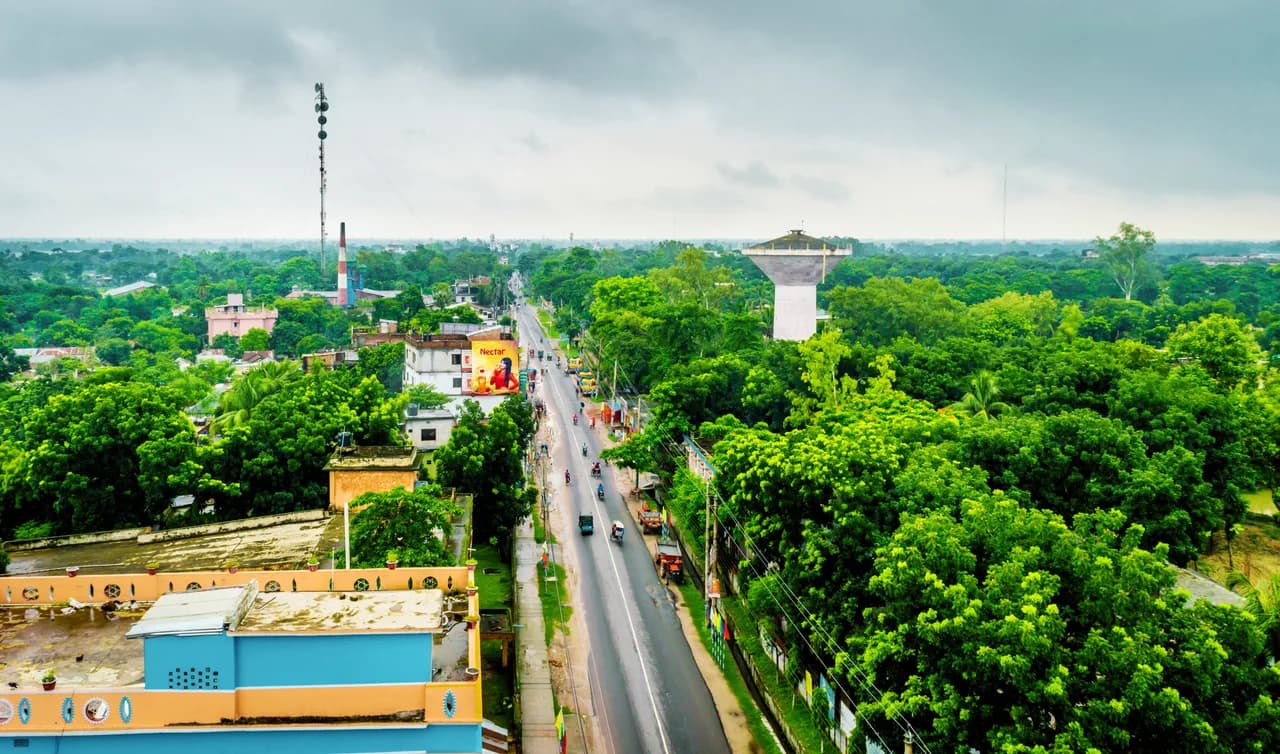
Discover Joypurhat Sadar, Joypurhat. Plan your trip to explore the massive historic sugar mills, pristine Barind tract farm landscapes, and local culture. Image credit: Md. Nabial Haramian
Situated in the serene northern plains of Rajshahi Division, Joypurhat Sadar Upazila serves as the vibrant administrative, economic, and cultural heart of Joypurhat District. Steeped in centuries of history, this charming sub-district blends ancient Hindu temple architecture, poignant Liberation War history, industrial milestones, and tranquil riverine landscapes. Whether you are seeking a quiet weekend trip in Joypurhat, exploring Bengal's architectural roots, or embarking on a broader heritage tour across northern Bangladesh, Joypurhat Sadar offers a deeply rewarding journey into authentic regional life.
For travelers planning a trip, selecting comfortable and verified accommodation in Joypurhat is essential. From modern business hotels and quiet guest houses in the town center to serene eco-stays in surrounding suburban hubs, Joypurhat Sadar provides reliable lodging options for every style of traveler. This comprehensive Joypurhat Sadar travel guide covers everything you need to know about places to visit in Joypurhat Sadar, local transportation, culinary specialties, practical travel advice, and detailed hotel recommendations to ensure a memorable stay.
Where is Joypurhat Sadar
Joypurhat Sadar is the central upazila of Joypurhat District in northwestern Bangladesh. It lies approximately 260 kilometers northwest of the capital city, Dhaka, and about 100 kilometers north of Rajshahi.
Geographically, Joypurhat Sadar is bordered by Panchbibi Upazila to the north, Akkelpur and Khetlal Upazilas to the south and east, and Dhamoirhat and Badalgachhi Upazilas of Naogaon District to the west. A small portion of its northwestern border touches the international boundary with West Bengal, India. Sitting along the primary broad-gauge railway line connecting Dhaka and Rajshahi to northern Bangladesh, Joypurhat Sadar acts as the primary gateway for regional transport.
Overview
Covering an area of roughly 250 square kilometers, Joypurhat Sadar is anchored by Joypurhat Pourashava, a bustling municipal center. The upazila encompasses nine administrative unions: Amdai, Bhadsa, Bambu, Dogachhi, Dhalahar, Jamalpur, Mohammadabad, Puranapail, and Tebharia.
The area is characterized by fertile alluvial plains nourished by the Choto Jamuna, Tulshiganga, and Harabati rivers. Broad stretches of paddy fields, sugarcane plantations, and banana groves surround the urban core. While Joypurhat Sadar functions as a thriving market town and industrial center—famous for sugar refining and poultry production—it maintains a peaceful rural rhythm, friendly local communities, and a wealth of tourist attractions in Joypurhat.
History and Background
The land comprising Joypurhat Sadar has a rich, multi-layered history dating back to ancient and medieval Bengal. In early documents, the main market area was known as "Baghabari Hat" and later "Gopandraganj Hat." During the British colonial era, when the broad-gauge railway was laid through northern Bengal, the station and post office were renamed "Joypurhat" to distinguish the locality from Jaipur in India.
Archaeological findings suggest human settlement in the area prospered during the Sena Dynasty (11th–12th century CE) and the Mughal period. Local landholders and zamindars constructed elaborate temples, residential estates, and large water reservoirs (dighis). During the 1971 Liberation War of Bangladesh, Joypurhat Sadar witnessed critical historical events, leaving behind notable memorial grounds that honor the martyrs of the independence movement.
Why Visit Joypurhat Sadar
Joypurhat Sadar stands out as an attractive travel destination for several compelling reasons:
Remarkable Temple Architecture: Visit Bel Amla Baro Shibaloy, an extraordinary complex of 12 centuries-old Shiva temples standing side-by-side along the Choto Jamuna River.
Poignant Historical Sites: Pay homage at the Pagla Dewan Mass Graveyard, one of the region's most significant Liberation War memorial grounds.
Industrial and Cultural Landmarks: Experience the historic Joypurhat Sugar Mill, one of the largest state-owned sugar processing plants in Bangladesh.
Proximity to UNESCO World Heritage: Positioned just 17 kilometers from the world-renowned Somapura Mahavihara at Paharpur, Joypurhat Sadar serves as the most convenient urban base with quality hotels for exploring northern Bangladesh heritage.
Authentic Local Lifestyle: Experience traditional rural haats, seasonal agricultural festivals, and genuine Bengali hospitality away from heavy tourist crowds.
Best Time to Visit
The best time to visit Joypurhat Sadar is during the winter season, extending from November to February. During these months, the weather is dry, crisp, and pleasantly cool, with daytime temperatures hovering between 18°C and 25°C. Low humidity creates comfortable conditions for exploring temple sites, outdoor memorials, and countryside lakes.
Late autumn (October) and early spring (March) are also agreeable times for Joypurhat travel. The monsoon months (June through September) bring lush greenery and full rivers, but heavy rainfall can occasionally disrupt rural travel.
Weather and Climate
Joypurhat Sadar features a tropical monsoon climate with three distinct seasonal phases:
Winter (November – February): Mild and dry with sunny skies. Nighttime temperatures can drop to 10°C, making light jackets or sweaters necessary.
Summer (March – May): Warm and humid, with temperatures reaching 30°C to 36°C. Pre-monsoon thunderstorms (Kalbaishakhi) bring occasional heavy evening rain and cool relief.
Monsoon (June – October): Warm with high humidity and abundant rainfall. The surrounding rivers and wetlands fill to capacity, transforming the agrarian countryside into vibrant green landscapes.
How to Reach
By Train
Train travel is the most comfortable and convenient way to reach Joypurhat Sadar. Joypurhat Railway Station is a major stop on the broad-gauge main line connecting Dhaka and western Bangladesh to the northern districts. Intercity express trains such as the Ekota Express, Drutojan Express, Nilsagar Express, and Kurigram Express depart daily from Dhaka's Kamalapur Railway Station. The train journey takes approximately 6 hours.
By Bus
Direct intercity AC and non-AC buses depart frequently from Dhaka's Gabtoli, Uttara, and Kalyanpur bus terminals. Reliable operators including Hanif Enterprise, Nabil Paribahan, Shyamoli Paribahan, and SR Travels connect Dhaka to Joypurhat Sadar via Bogura. The highway journey takes roughly 6.5 to 7.5 hours.
By Car or Private Vehicle
Travelers driving private vehicles from Dhaka take the N5 highway through Tangail, cross the Bangabandhu Jamuna Bridge, proceed north past Bogura town, and take the Joypurhat highway directly into Joypurhat Sadar town center.
Local Transportation
Getting around Joypurhat Sadar and visiting nearby tourist spots is straightforward and budget-friendly:
Battery Auto-Rickshaws (Easybikes): The primary mode of point-to-point transit inside Joypurhat town and to nearby places like Bel Amla or the Sugar Mill.
CNG Auto-Rickshaws: Excellent for longer rides to suburban attractions, neighboring upazilas, or Paharpur.
Cycle Rickshaws: Perfect for short, unhurried rides through town markets and residential neighborhoods.
Rental Cars & Microbuses: Private cars with drivers can be hired near the railway station or through hotel front desks for full-day sightseeing tours.
Rivers and Natural Landscape
The geographic charm of Joypurhat Sadar is intimately linked with its rivers and water bodies. The Choto Jamuna River flows along the western edge of the upazila, while the Tulshiganga and Harabati rivers curve through its eastern union territories.
The surrounding landscape is defined by flat, fertile floodplains, dense groves of mango and jackfruit trees, and sweeping sugarcane fields. Expansive historical water bodies like Nandail Dighi provide tranquil natural retreats where migratory birds gather during winter months, offering scenic spots for countryside walks and photography.
Cultural Heritage
Joypurhat heritage is rooted in the harmonious coexistence of diverse religious and ethnic communities. Alongside Bengali Muslim and Hindu populations, Joypurhat Sadar is home to indigenous ethnic groups including the Santhal and Oraon communities. This cultural richness is reflected in traditional music, seasonal harvest rituals, indigenous village crafts, and vibrant temple festivals celebrated throughout the year.
Historical Landmarks
Bel Amla Baro Shibaloy Temple Complex
Located in Bel Amla village, just 4 kilometers west of Joypurhat town center on the banks of the Choto Jamuna River, the Baro Shibaloy (12 Shiva Temples) complex is the most famous historical landmark in Joypurhat Sadar.
Overview: A rare architectural ensemble featuring twelve interconnected Shiva shrines arranged systematically around a central courtyard containing a sacred Nandi bull sculpture.
Why Visit: To admire the intricate brickwork, carved terracotta plaques, and serene riverfront setting.
Historical Significance: Believed to have been founded around 1700 CE by Rajib Lochan Mondal, a wealthy local landholder, though local lore also links its roots to Sena Dynasty ruler King Ballal Sena.
Visitor Experience: Walk through the peaceful courtyard, observe traditional devotional rituals, and stroll along the riverbank path.
Photography Opportunities: Excellent for capturing symmetrical temple spires, terracotta details, and river reflections.
Best Season: November to March.
Approximate Visit Duration: 1 to 2 hours.
Nearby Verified Accommodation Options: Hotel Prithibi International (4 km away in Joypurhat town) or JAKAS Resource Center Guest House (5 km away).
Pagla Dewan Mass Graveyard Memorial
Situated in Bambu Union, approximately 8 kilometers electric-auto ride from Joypurhat Sadar town center, Pagla Dewan is a sacred site of historic memory from Bangladesh's 1971 Liberation War.
Pagla Dewan Mass Graveyard Memorial. Source: VromonGuide
Overview: A solemn memorial complex dedicated to over 100 innocent villagers martyred during the 1971 war, featuring a red-brick monument and black granite memorial wall.
Why Visit: To honor the brave freedom fighters and innocent victims who sacrificed their lives during the struggle for independence.
Historical Significance: Represents one of the largest mass grave sites in Joypurhat District.
Visitor Experience: A quiet, reflective environment set among manicured green lawns and shade trees.
Photography Opportunities: Respectful architectural photography of the memorial structure and surrounding gardens.
Best Season: October to March.
Approximate Visit Duration: 1 hour.
Nearby Verified Accommodation Options: Hotel Saad (8 km in Joypurhat town center) or Promee Hotel (8.5 km).
Joypurhat Sugar Mill Complex
Located in the eastern part of Joypurhat town, approximately 3 kilometers from the main railway station, the Joypurhat Sugar Mill is an iconic industrial heritage landmark.
Overview: Established in 1954, this massive state-owned enterprise remains one of the largest cane-sugar refining facilities in Bangladesh.
Why Visit: To observe traditional industrial processing and learn about the region's agricultural economy.
Historical Significance: Played a foundational role in modern industrial development across northern Bengal.
Visitor Experience: During crushing season (November to February), visitors can view bustling sugarcane drop-offs, historic machinery, and taste fresh sugarcane juice.
Photography Opportunities: Industrial architecture, sugarcane haulers, and vibrant worker activity.
Best Season: November to February (active crushing season).
Approximate Visit Duration: 1 to 1.5 hours.
Nearby Verified Accommodation Options: Hotels situated in central Joypurhat Sadar town (2–3 km away).
Museums
While Joypurhat Sadar does not host a standalone government museum building, local historical artifacts, ancient terracotta tiles, and stone sculptures found across the district are preserved in regional collections. Visitors interested in archaeological exhibits can travel 17 kilometers west to the Paharpur Archaeological Museum at Somapura Mahavihara, which displays rare Pala-era copper plates, terracotta plaques, and stone deities excavated from northern Bengal.
Religious and Spiritual Sites
Baro Shibaloy Temple: The primary Hindu pilgrimage destination in Joypurhat Sadar, attracting thousands of devotees during the annual Shivaratri festival.
Sabujnagar Durga Mandir: Located in central Joypurhat Sadar town, this well-maintained temple serves as a major focal point for community worship and annual Durga Puja festivities.
Joypurhat Central Jame Mosque: An influential spiritual center in town featuring modern Islamic architecture and spacious prayer halls.
Rivers, Lakes, and Natural Attractions
Nandail Dighi
Located near the border of Joypurhat Sadar and neighboring upazilas, Nandail Dighi is a sprawling historical lake surrounded by emerald greenery.
Overview: An expansive rectangular reservoir built by ancient rulers to provide irrigation and clean water to local settlements.
Why Visit: Ideal for peaceful afternoon strolls, picnics, and observing winter migratory birds.
Visitor Experience: Gentle walking paths along the embankment under shaded timber trees.
Photography Opportunities: Panoramic waterscapes, birdlife, and sunset reflections.
Best Season: Winter (November to February).
Approximate Visit Duration: 1.5 to 2 hours.
Nearby Verified Accommodation Options: Hotels in Joypurhat Sadar town center.
Local Lifestyle
Life in Joypurhat Sadar is defined by a friendly, community-oriented rhythm. Early mornings in town begin with vibrant commercial activity at local markets, while rural union villages center on agricultural tasks. In the evenings, local residents gather at town tea stalls near Station Road and Pachu's Mor to converse over spiced milk tea, discussing trade, sports, and regional affairs.
Art, Music and Cultural Traditions
Cultural tourism in Bangladesh highlights rich folk traditions, and Joypurhat Sadar is no exception. Local Baul musicians regularly perform spiritual folk songs accompanied by the ektara and dotara. During post-harvest seasons, rural villages host traditional open-air folk theatre (Jatra Pala) and puppet shows (Putul Nach). Indigenous Santhal communities preserve traditional group dances accompanied by native percussion instruments during seasonal festivals.
Festivals and Events
Shivaratri Mela at Bel Amla: Held annually in the month of Falgun (February/March) at the Baro Shibaloy Temple, this two-day festival brings thousands of devotees for ritual bathing in the Choto Jamuna River, accompanied by a lively folk mela (fair) selling handicrafts, toys, and sweets.
Durga Puja: Celebrated with colorful pandals, traditional music, and evening rituals across town temples.
Eid-ul-Fitr & Eid-ul-Adha: Observed with joyful community prayers at open-air Eidgah grounds, family feasts, and cultural gatherings.
Pohela Boishakh: The Bengali New Year (April 14) brings vibrant street processions, traditional Boishakhi fairs, and folk performances across town.
Shopping and Local Markets
Joypurhat Railway Station Bazaar: A bustling central market area for traditional Bengali clothing, regional handicrafts, household goods, and local snacks.
Pouro Market Joypurhat: The main hub for fresh agricultural produce, regional fruits, and authentic sugarcane jaggery (gur).
Pachu's Mor Commercial Hub: The vibrant urban center featuring modern shops, sweet confectioneries, and electronic stores.
Traditional Food
Culinary experiences in Joypurhat Sadar reflect wholesome northern Bengali flavors:
Freshwater Fish Curries: Carp, Tengra, and Katla prepared with mustard paste, green chilies, and turmeric.
Khoshi & Beef Bhuna: Tender mutton or beef slow-cooked in mustard oil with aromatic spices.
Sugarcane Delicacies & Gur: Due to extensive local sugarcane farming, Joypurhat produces pure, high-quality date and sugarcane molasses used in winter desserts.
Local Sweets: Indulge in fresh Rasgulla, Rasmalai, Sandesh, and traditional winter rice cakes like Bhapa Pitha and Pati Sapta.
Hotels and Accommodation Options
When mapping where to stay while exploring the region, travelers will find that Joypurhat Sadar serves as the definitive hospitality base for the entire district. Because it functions as the central urban, administrative, and transportation hub, all verified commercial hotels, private lodging options, and government guest houses are concentrated right inside the Sadar upazila municipal borders. Unlike remote upazilas where travelers are forced to seek accommodation in separate districts, visitors exploring Joypurhat can comfortably base themselves right inside the city center. The local hotel industry features a collection of clean, budget-friendly residential buildings, modern air-conditioned executive rooms, and high-security institutional compounds situated close to the main highway bus stands and railway hubs, ensuring safe transit access to all surrounding regional attractions, including the landmark Joypurhat Sugar Mills and nearby archaeological sites.
Hotel Red Rock (Bus Stand Sadar Road)
Location: Situated inside the Mondol Tower structure right at the main Bus Stand along Sadar Road in Joypurhat Sadar.