

All ArticlesDestination Guide
Kalai, Joypurhat: Regional Culture, Attractions & Travel Guide
N
Nasir Khan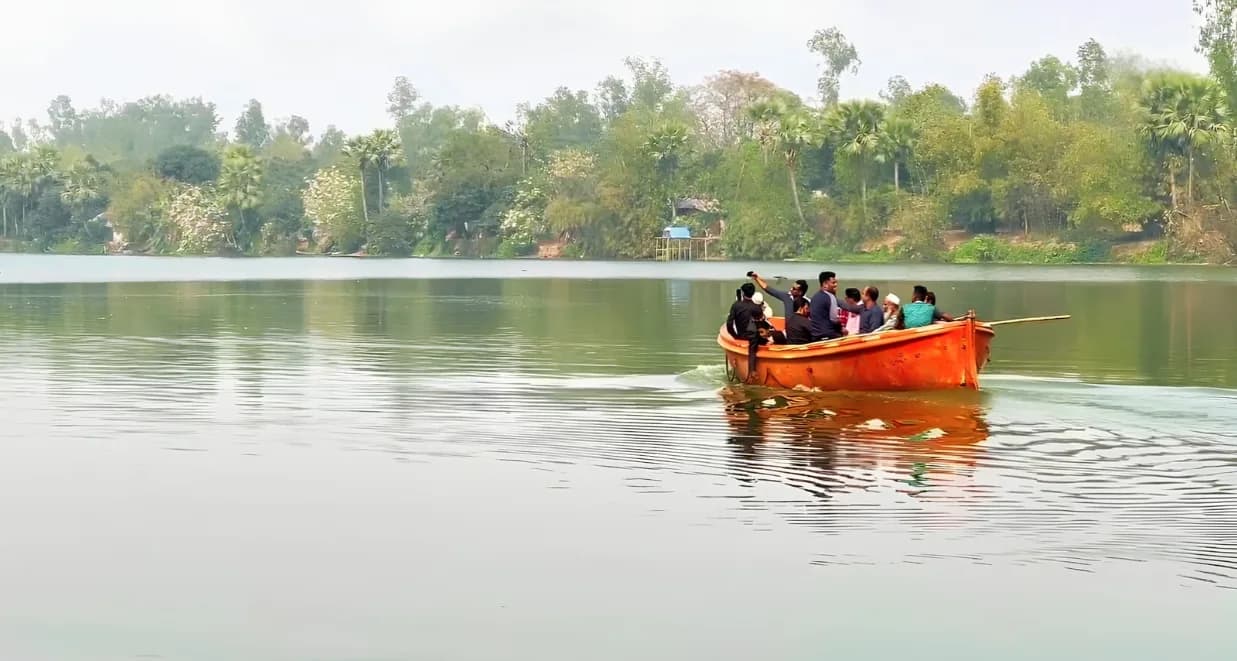
Discover Kalai, Joypurhat. Plan your trip to explore its historic water bodies, agro-industries, local culture, and verified accommodations nearby. Image credit: Village Rider
Nestled in the lush agricultural heartland of northern Bangladesh, Kalai Upazila in Joypurhat District offers travelers a quiet retreat into Bengal’s rural heritage and ancient history. While major tourist routes often direct travelers to high-profile urban hubs, Kalai stands out as an authentic destination where vast historic reservoirs, winding river tributaries, and centuries-old lore meet the gentle rhythm of village life. Whether you are seeking a serene weekend trip in Joypurhat, exploring archaeological wonders across the Rajshahi Division, or immersing yourself in heritage tourism in Bangladesh, Kalai provides an ideal off-the-beaten-path experience.
This comprehensive Kalai travel guide provides everything you need to plan a seamless journey, from historical landmarks and natural landscapes to practical transportation details and verified accommodations in and around Kalai Joypurhat.
Where is Kalai
Kalai is an administrative upazila located in the eastern portion of Joypurhat District within the Rajshahi Division of northern Bangladesh. Geographically situated between the major urban centers of Joypurhat Sadar and Bogura District, Kalai acts as a crucial inland bridge across the northern plains.
It is bounded by Panchbibi and Joypurhat Sadar Upazilas to the west and northwest, Khetlal Upazila to the west, Shibganj Upazila of Bogura District to the east and southeast, and Gobindaganj Upazila of Gaibandha District to the northeast. Its strategic placement along the regional highway network makes Kalai easily accessible while keeping its peaceful rural character intact.
Overview
Kalai Upazila encompasses an area of approximately 166.29 square kilometers, characterized by rich alluvial plains, expansive paddy fields, seasonal wetlands, and historic water bodies. Agrarian life dominates the region, with rice, potatoes, sugarcane, and seasonal vegetables forming the backbone of the local economy.
For travelers interested in cultural tourism in Bangladesh, Kalai offers a relaxed pace of life paired with significant historical depth. The area is best known for Nandail Dighi, a massive 17th-century man-made lake, along with proximity to world-renowned archaeological sites across Joypurhat and Bogura.
History and Background
The history of Kalai is deeply connected to the broader geopolitical evolution of ancient Varendra (Barendra), a historic geographic region that spanned parts of present-day northern Bangladesh and West Bengal. During the Pala and Sena dynasties, this fertile plain hosted thriving agrarian settlements and Buddhist monastic networks.
In the early 17th century, during the Mughal era, local rulers and zamindars undertook major infrastructure projects, including the excavation of massive reservoirs (dighis) to support irrigation, supply clean water, and prevent drought. The most famous of these, Nandail Dighi, was excavated around 1610 CE under the reign of King Nandalal. Over the centuries, Kalai evolved from an administrative village center into an upazila, retaining its heritage sites and traditional rural identity.
Why Visit Kalai
Historic Water Bodies: Home to Nandail Dighi, one of the largest and most historic man-made lakes in northern Bangladesh.
Proximity to UNESCO World Heritage: Situated within a short drive of Sompur Mahavihara (Paharpur) and the ancient city ruins of Mahasthangarh.
Authentic Rural Lifestyle: Experience genuine Bengali village culture, traditional weekly bazaars (hats), and farm-to-table culinary traditions.
Birdwatching and Nature: Seasonal winter migrations bring thousands of migratory birds to Kalai’s lakes and river basins.
Uncrowded Destinations: Enjoy heritage tourism without the heavy foot traffic found in commercialized tourist hubs.
Best Time to Visit
The ideal time to visit Kalai and the surrounding Joypurhat District is during the winter season, spanning from November to February. During these months, the weather is pleasantly cool and dry, with daytime temperatures ranging between 18°C and 25°C. Winter is also the peak season for birdwatching at Nandail Dighi, as migratory species arrive from northern latitudes.
Spring (March to April) brings bright sunny days and lush greenery across the countryside, though daytime temperatures begin to rise. Monsoon (June to September) transforms the landscape into a deep green canvas with full rivers and lotus-filled wetlands, though rainy days may require flexible outdoor travel plans.
Weather and Climate
Kalai experiences a tropical wet and dry climate typical of northern Bangladesh.
Winter (November – February): Mild, dry, and fog-touched mornings with pleasant afternoons. Cool nights require a light sweater or jacket.
Summer (March – May): Warm to hot, with temperatures reaching 32°C to 38°C. Occasional pre-monsoon rain squalls (Kalbaishakhi) bring brief cooling relief.
Monsoon (June – October): Heavy seasonal rainfall feeds the Harabati and Tulsiganga river systems, filling local lakes and agricultural fields.
How to Reach
By Road
Kalai is well connected by paved regional highways. Direct long-distance intercity buses run daily from Dhaka’s Gabtoli, Mohakhali, and Kalyanpur bus terminals to Joypurhat Sadar and Bogura. From Dhaka, travelers can take a direct bus toward Joypurhat or Bogura (approximately 5 to 6 hours travel time). From Joypurhat Sadar bus terminal, frequent local buses, CNG auto-rickshaws, and private cars reach Kalai town center in approximately 20 to 30 minutes.
By Train
While Kalai Upazila does not have its own railway station, Joypurhat Railway Station is a major stop on the Western Zone network of Bangladesh Railway. Intercity trains—including the Ekota Express, Drutojan Express, and Nilsagar Express—connect Dhaka’s Kamalapur Railway Station directly to Joypurhat. From Joypurhat station, local motor transport takes travelers straight into Kalai within half an hour.
Local Transportation
Navigating Kalai Upazila is straightforward and budget-friendly:
CNG Auto-Rickshaws & Easy Bikes: The most popular modes of transport for short hops between Kalai bus stand, village markets, and Nandail Dighi.
Motorcycle Taxis: Convenient for reaching deep rural roads or riverbank tracks.
Private Cars & Microbuses: Can be rented in Joypurhat Sadar or Bogura town for full-day sightseeing excursions across Kalai attractions and neighbouring archaeological sites.
Rivers and Natural Landscape
The landscape of Kalai is shaped by small river streams and floodplains, notably the Harabati River and branches connected to the Tulsiganga River. These waterways supply nutrients to the surrounding farmland and sustain local freshwater fisheries.
The flat topography is broken by historic dighis (large earthen lakes) and seasonal wetlands (beels), where lotus blossoms, water lilies, and tall bamboo groves frame traditional village homesteads.
Cultural Heritage
Kalai heritage reflects the enduring traditions of northern Bengal’s agrarian society. Folk art, oral stories surrounding Mughal-era kings, traditional pottery, and communal harvesting celebrations form the cornerstone of local identity. Ethnic minority communities, including indigenous Santal and Oraon families in neighboring upazilas, contribute to the rich tapestry of Joypurhat tourism.
Historical Landmarks
The primary historical landmark within Kalai Upazila is Nandail Dighi, an architectural and engineering testament to 17th-century water management. Beyond the upazila boundary, the immediate region contains remarkable early medieval forts, monastic complexes, and colonial-era zamindari estates that make Kalai an ideal base for heritage exploration.
Museums
While Kalai Upazila does not house an independent museum building, two of northern Bangladesh’s most significant archaeological museums are located just a short drive away:
Paharpur Site Museum: Located at the Sompur Mahavihara complex (~23 km west), housing stone sculptures, terracotta plaques, coins, and pottery recovered from Pala-era excavations.
Mahasthan Archaeological Museum: Located at Mahasthangarh (~20 km east in Shibganj, Bogura), showcasing artifacts dating from the 3rd century BCE through the Gupta, Pala, and Muslim periods.
Religious and Spiritual Sites
Kalai and its surrounding unions host historical Jame Mosques, quiet village shrines, and traditional Hindu temples. Local spiritual life is centered around community mosques in Kalai town and rural bazaar centers. Nearby, the renowned Hinda Kasba Shahi Mosque in Joypurhat Sadar stands as a major architectural masterpiece of Islamic heritage in the region.
Local Lifestyle
Life in Kalai revolves around the agricultural calendar. Dawn brings farmers to the paddy and potato fields, while evenings center around bustling rural village bazaars. Visitors will experience exceptional warmth and hospitality, with locals often eager to share stories, point out historic spots, or offer fresh coconut water and local tea.
Art, Music and Cultural Traditions
Traditional music, including Baul, Bhatiali, and Bhawaiya folk songs, can be heard during village gatherings, seasonal festivals, and cultural events. Craftsmanship is visible in handmade bamboo baskets, traditional fishing nets, and localized pottery crafted by village artisans.
Festivals and Events
Eid-ul-Fitr & Eid-ul-Adha: Celebrated with religious fervor, new clothing, village fairs, and elaborate family feasts.
Nabanna (Harvest Festival): Celebrated in late autumn following the Aman rice harvest, featuring traditional rice cakes (pitha), folk music, and community gatherings.
Pohela Boishakh (Bengali New Year): Marked by colorful rural fairs (Boishakhi Mela), traditional snacks, and local games.
Shopping and Local Markets
Molamgari Hat and Kalai Central Bazaar are the core commercial hubs in the upazila. Visiting these traditional weekly markets offers a vibrant look into local commerce, where farmers bring fresh produce, regional jaggery (gur), handcrafted items, and fresh river fish.
Traditional Food
The culinary traditions of Kalai focus on authentic rural Bengali dishes:
Freshwater Fish Curries: Rui, Katla, Tengra, and Sol cooked with mustard paste or green chilies.
Beef and Mutton Bhuna: Richly spiced meat dishes slow-cooked over wood fires.
Vortas & Shak: A wide assortment of mashed vegetables (potato, eggplant, lentils) paired with steaming hot aromatic rice.
Local Sweets: Traditional Doi (yogurt), Rosogolla, Chamcham, and seasonal date-palm jaggery sweets.
Family Travel
Kalai offers a safe, peaceful environment for family trips. Children and adults alike enjoy pedal boating on Nandail Dighi, open-air picnics along the shaded banks, and simple educational trips to nearby historical ruins where kids can learn about ancient architecture firsthand.
Couples Travel
For couples looking for a quiet getaway from busy city life, Kalai offers romantic countryside scenery, sunset views over calm lake waters, and peaceful drives through green country roads shaded by mahogany and rain trees.
Solo Travel
Solo travelers seeking authentic cultural immersion will find Kalai welcoming and budget-friendly. Navigating local transportation is simple, and interaction with friendly locals makes solo exploration safe and rewarding.
Budget Travel
Kalai is one of the most affordable travel destinations in Bangladesh. Transportation via local buses and CNGs costs minimal fares, delicious local meals are inexpensive, and entrance to local natural attractions like Nandail Dighi is free of charge.
Responsible Tourism
Respect Local Customs: Dress modestly when visiting rural villages and religious sites.
Environmental Care: Avoid littering near water bodies like Nandail Dighi to protect fish habitats and migratory birds.
Support Local Businesses: Purchase snacks, fruit, and handicrafts directly from local market vendors.
Safety Tips
Kalai is a peaceful upazila with low crime rates. Standard travel precautions apply:
Keep cash on hand, as rural vendors do not accept digital cards.
Carry a basic flashlight if walking through village paths after dark.
Use bottled or filtered drinking water while traveling.
Suggested One-Day Itinerary
Morning (8:00 AM – 11:30 AM): Depart Joypurhat town for Kalai Upazila. Head straight to Nandail Dighi. Enjoy a relaxed morning stroll along the shaded perimeter, photograph migratory birds (in winter), or take a quiet boat ride on the water.
Lunch (12:30 PM – 1:30 PM): Enjoy an authentic Bengali lunch featuring fresh river fish and spiced curries at a local restaurant near Kalai Bus Stand or Molamgari.
Afternoon (2:00 PM – 5:00 PM): Drive 20 minutes east toward the border of Shibganj to visit Vasu Bihar or Mahasthangarh archaeological site museum.
Evening (5:30 PM Onward): Return to Joypurhat town for evening tea, local sweets, and a comfortable overnight stay at a verified hotel.
Suggested Two-Day Itinerary
Day 1: Kalai Heritage & Natural Lakes
Morning: Arrive in Joypurhat, check into your chosen hotel, and travel to Kalai Upazila.
Midday: Explore Nandail Dighi and nearby rural villages in Harunjor.
Lunch: Savor regional delicacies in Kalai.
Afternoon: Visit the historic Achranga Dighi in nearby Khetlal.
Evening: Return to Joypurhat Sadar, visit the beautifully illuminated Hinda Kasba Shahi Mosque, and relax.
Day 2: Archaeological Treasures of the Region
Morning: Travel to Sompur Mahavihara (Paharpur), a UNESCO World Heritage Site located just 23 km west. Explore the vast Buddhist stupa, monastic cells, and site museum.
Lunch: Enjoy a meal at a nearby garden restaurant or return toward Joypurhat.
Afternoon: Spend time at DC Park Joypurhat for recreational family relaxation before departing for your onward journey.
Tourist Attractions
When planning your journey, it is helpful to distinguish between primary attractions located directly inside Kalai Upazila and major regional landmarks located just outside its borders that are routinely visited on the same itinerary.
Verified Attractions Inside Kalai Upazila
1. Nandail Dighi
Overview: A historic man-made reservoir covering 59.4 acres with a length of nearly 1 kilometer. Excavated in 1610 CE by King Nandalal, it is the most prominent landmark in Kalai Upazila.
Why Visit: Ideal for pedal boating, scenic photography, picnicking, and winter birdwatching.
Historical Significance: Represents 17th-century water conservation and civil engineering during the Mughal period.
Visitor Experience: Tranquil environment lined with tall trees, lotus blooms in summer, and flocks of migratory cranes and ducks in winter.
Photography Opportunities: Excellent wide-angle landscape shots, reflections on calm water, and wildlife photography.
Best Season to Visit: November to February (winter bird migration).
Approximate Visit Duration: 2 to 3 hours.
Nearby Verified Accommodation: Hotels in Joypurhat Sadar (approx. 15 km west).
2. Harabati River Basin & Rural Countryside
Overview: The scenic riverbanks and paddy floodplains along the Harabati river stream in Kalai.
Why Visit: Experience pristine, peaceful Bengali village scenery away from urban noise.
Visitor Experience: Gentle walks along earthen embankments, observing seasonal farming and traditional fishing.
Photography Opportunities: Golden hour sunset photography over open fields and river channels.
Best Season to Visit: July to October (post-monsoon high water) or Winter.
Approximate Visit Duration: 1 to 2 hours.
Nearby Verified Accommodation: Joypurhat Sadar hotels.
3. Molamgari Hat (Traditional Rural Market)
Overview: A traditional weekly village bazaar serving local agricultural communities in Kalai.
Why Visit: Authentic cultural exposure to local trade, regional produce, and traditional snacks.
Best Season to Visit: Year-round.
Approximate Visit Duration: 1 hour.
Verified Nearby Attractions Outside Kalai Upazila
1. Sompur Mahavihara (Paharpur Buddhist Vihara)
Overview: A UNESCO World Heritage Site located at Paharpur (Naogaon/Joypurhat border), roughly 23 km west of Kalai.
Why Visit: One of the most famous archaeological monuments in South Asia, featuring a towering 8th-century central shrine and 177 monastic cells.
Best Season to Visit: Winter months.
Approximate Visit Duration: 3 to 4 hours.
2. Hinda Kasba Shahi Mosque
Overview: Located in Joypurhat Sadar (~15 km from Kalai), this striking multi-domed white mosque features intricate Islamic calligraphy, tall minarets, and geometric tilework.
Why Visit: Outstanding architectural beauty and spiritual serenity.
Best Season to Visit: Year-round.
Approximate Visit Duration: 1 hour.
3. Mahasthangarh & Vasu Bihar
Overview: Ancient Pundranagar fort city ruins and monastic mounds located in Shibganj, Bogura (~20 km east of Kalai).
Why Visit: Walk through Bangladesh's oldest excavated urban citadel, dating back to the 3rd century BCE.
Best Season to Visit: November to March.
Approximate Visit Duration: 3 hours.
Hotels & Accommodation (Highest Priority)
When coordinating travel logistics for Kalai, Joypurhat, visitors should be aware that formal commercial hotels and upscale private resorts do not operate within the upazila boundaries. Kalai Upazila is primarily an intensive agricultural sub-district—noted nationally as a massive cold-storage and cultivation hub for potatoes—meaning its local infrastructure is structured around farming unions and local trading marketplaces. Aside from basic government inspection bungalows used strictly for official administrative personnel, formal overnight lodging options are unavailable inside the upazila itself.