

All ArticlesDestination Guide
Kalaroa, Satkhira Travel Guide: Key Attractions & Stays
N
Nasir Khan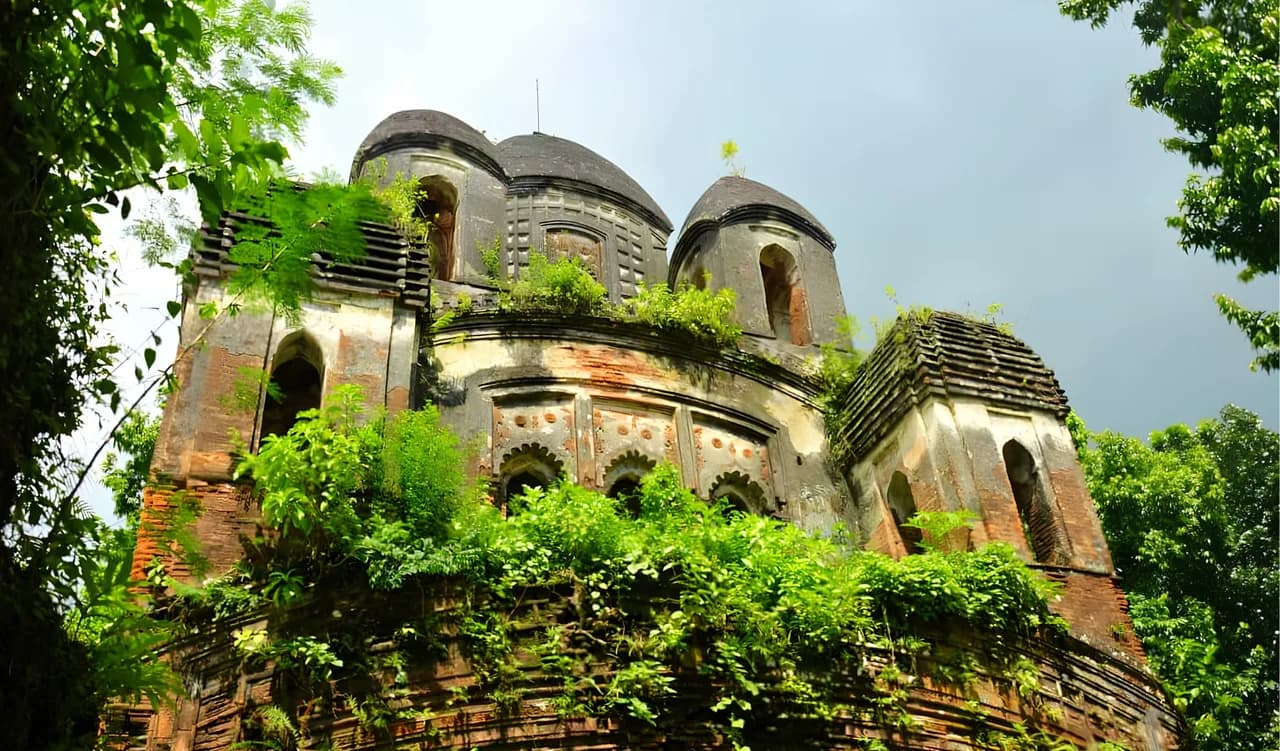
Discover Kalaroa, Satkhira. Plan your trip to explore its historic heritage architecture, fruit trading hubs, and verified accommodations nearby. Image credit: Emmy Chakma
The southwestern district of Satkhira is widely celebrated for its rich ecology and proximity to the Sundarbans, but its northern interior holds a quieter, equally captivating charm. Kalaroa Upazila, positioned along the meandering paths of the Betna and Sonai rivers, represents the classic, peaceful soul of rural Bangladesh. Characterized by fertile green fields, centuries-old terracotta craft traditions, and picturesque riverbanks, Kalaroa offers a refreshing getaway for travelers seeking authentic cultural encounters away from crowded tourist hubs. Whether you are planning a weekend trip in Satkhira or taking an extended journey through Khulna Division, this comprehensive Kalaroa travel guide will help you navigate the region’s scenery, cultural landmarks, and neighboring accommodation options.
Where is Kalaroa
Kalaroa is an administrative upazila located in the northernmost section of Satkhira District under Khulna Division in southwestern Bangladesh. It is bounded by Sharsha Upazila and Jhikargachha Upazila of Jessore District to the north, Satkhira Sadar Upazila to the south, Tala Upazila to the east, and the North 24 Parganas district of West Bengal, India, to the west. The Sonai River forms a natural international border along parts of its western perimeter.
Overview
Covering an area dominated by rich alluvial plains and river basins, Kalaroa Satkhira serves as a major agricultural and trade hub for the district. While it maintains a calm, small-town atmosphere, its geographical location makes it an important transit point connecting Jessore, Satkhira Sadar, and the border entry zones. Visitors to Kalaroa encounter vast stretches of paddy fields, dense date palm groves, traditional pottery villages, and tranquil riverfronts. It offers a authentic glimpse into rural life while remaining easily accessible from major urban centers.
History and Background
The history of Kalaroa is deeply tied to the ancient administrative structures of the Jessore and Khulna regions. Historically part of the ancient Vanga and Samatata kingdoms, the area saw significant development during the Mughal and British periods due to its strategic riverways and fertile soil. Kalaroa played a notable role during the 1971 Bangladesh Liberation War, witnessing crucial resistance movements due to its border proximity. Over time, Kalaroa evolved from a riverine trade outpost into an agricultural upazila famous for its pottery, date sugar molasses (jhola gur), and freshwater fish production.
Why Visit Kalaroa
Travelers choose Kalaroa to experience unhurried rural tourism Bangladesh is renowned for. Unlike commercial tourist destinations, Kalaroa provides an untouched environment where visitors can observe age-old agrarian routines, wander through fruit orchards, and explore riverside trails along the Betna River. Additionally, its position between Jessore and Satkhira Sadar allows travelers to use it as a peaceful base for exploring historical sites in Tala and the broader natural attractions of Satkhira District.
Best Time to Visit
The ideal period to visit Kalaroa is during the winter months, from November to February. During this season, temperatures range between a comfortable 12°C and 25°C, making outdoor walks, boat rides, and village tours very pleasant. Winter is also the famous season for collecting date palm sap, allowing travelers to taste fresh date juice and traditional molasses. The late monsoon season (August to September) is also visually appealing, as the rivers fill up and the agricultural fields turn remarkably lush.
Weather and Climate
Kalaroa experiences a tropical climate characterized by three distinct seasons: winter, summer, and monsoon. Summer spans from March to May, bringing warm temperatures that occasionally exceed 35°C along with occasional pre-monsoon thunderstorms. The monsoon season lasts from June to September, bringing heavy rainfall that nourishes the local flora and river systems. Winter brings cool breezes and dry, sunny days that are ideal for sightseers.
How to Reach
Reaching Kalaroa is straightforward, thanks to well-connected regional highways linking Satkhira District with Jessore and Dhaka.
By Bus: Direct long-distance AC and non-AC buses operate daily from Dhaka (leaving from Gabtoli, Kalyanpur, and Sayedabad) to Satkhira via Jessore, stopping directly at the Kalaroa Bus Stand. The road journey takes approximately 5 to 6 hours via the Padma Bridge corridor.
By Train: The nearest major railway station is in Jessore. Travelers can take intercity express trains from Dhaka or Khulna to Jessore Railway Station, and then take a 45-minute bus ride or private car southward to Kalaroa.
By Air: The closest domestic airport is Jessore Airport (JSR). Regular daily flights operate between Dhaka and Jessore. From the airport, Kalaroa is approximately 40 kilometers away and can be reached in under an hour by taxi or private vehicle.
Local Transportation
Navigating Kalaroa is convenient and budget-friendly. Battery-powered auto-rickshaws (locally called Easy Bikes) are the main mode of transportation connecting Kalaroa town with surrounding villages and markets. Motor-rickshaws and rental motorcycles are also widely available for short trips. For travelers interested in exploring interior village roads, riverside tracks, or nearby upazilas like Tala and Satkhira Sadar comfortably, hiring a private car or microbus for the day from Satkhira town or Jessore is recommended.
Rivers and Natural Landscape
The geography of Kalaroa is defined by two primary river systems: the Betna River and the Sonai River. The Betna River meanders through the central and eastern sections of the upazila, shaping the local ecosystem and providing water for surrounding farmland.
The Sonai River winds along the western edge, serving as a tranquil border river. The surrounding landscape features low-lying floodplains, freshwater canals (khals), green bamboo groves, and expansive palm lines that create a timeless countryside scenery.
Agriculture
Agriculture is the economic backbone of Kalaroa. The fertile soil supports multi-crop farming, including high-yield rice varieties, jute, mustard, and seasonal vegetables. During the winter, mustard fields blanket the landscape in vivid yellow. Kalaroa is also celebrated for its fruit orchards—particularly mangoes, plum (boroi), and coconut trees—as well as extensive date palm cultivation used for producing regional sweets.
Rural Villages
The rural villages of Kalaroa, such as Murarikati, Keragachi, and Langaljhara, offer an authentic view of traditional Bangladeshi life. Murarikati, in particular, is renowned for its traditional Kumorpara (potters' neighborhood), where generations of artisans have crafted clay cooking pots, decorative tiles, and terracotta artifacts. Walking through these hamlets gives visitors a chance to see artisanal crafts in action and experience true rural hospitality.
Photography Opportunities
Kalaroa provides exceptional visual material for travel and documentary photographers. The morning light filtering through date palm groves in winter, traditional potters shaping clay on manual wheels, fishermen casting nets on the Betna River, and golden mustard fields in full bloom offer rich composition possibilities. The rustic village paths and scenic river reflections during golden hour provide endless opportunities for captivating imagery.
Local Culture
The culture of Kalaroa is rooted in southwestern Bengali folk traditions. The region shares historical connections with regional music, storytelling, and artisan crafts. Traditional pottery remains one of the strongest cultural expressions in the upazila. The local dialect reflects the soft tone typical of the Jessore-Satkhira belt, and village life revolves around communal gatherings at local tea stalls (cha-er dokan) and weekly rural markets.
Festivals
Festivals in Kalaroa are celebrated with great enthusiasm across communities. Eid-ul-Fitr and Eid-ul-Adha bring vibrant family reunions, special prayers, and village fairs. Durga Puja is marked by elaborate decorations and visits to historic temples across Satkhira District. Pahela Baishakh (Bengali New Year) brings colorful processions, traditional music, and rural fairs (boishakhi mela) featuring clay toys, sweets, and local handlooms.
Shopping and Local Markets
Shopping in Kalaroa centers around the town's vibrant weekly haats (rural markets) and artisan workshops. Key items to purchase include:
Handmade Terracotta and Pottery: Clay cookware, garden pots, and decorative wall pieces direct from artisan homes in Murarikati.
Date Palm Molasses (Jhola Gur & Khejur Gur): Fresh, unadulterated winter molasses produced locally.
Fresh Seasonal Fruits: Local varieties of mangoes, plums, and guavas sold directly by local farmers.
Pure Honey: Sourced from regional collectors and nearby forest suppliers.
Traditional Food
The culinary culture of Kalaroa features rich, authentic southwestern Bengali flavors. Because of its river networks and coastal proximity, fish and shrimp play a major role in everyday meals.
Must-try culinary specialties include:
Chingri Malai Curry: Fresh freshwater prawns cooked in a spiced coconut milk gravy.
Shorshe Ilish & Rui Curry: River fish prepared with freshly ground mustard paste and green chilies.
Khejur Gur Sweets: Traditional winter sweets, including Patishapta Pitha and milk-based desserts sweetened with date palm molasses.
Village-Style Duck Curry: Richly spiced duck curry served hot with steamed rice or hand-rolled flatbreads during winter.
Family Travel
Kalaroa is an excellent destination for family travel, offering open space and educational cultural experiences. Children can learn about traditional pottery making, observe farming firsthand, and enjoy peaceful boat rides along calm rivers. The peaceful environment provides a safe, healthy break from screen time and busy city routines.
Couples Travel
For couples looking for a quiet, off-the-beaten-path weekend trip in Satkhira, Kalaroa offers peaceful surroundings and uncrowded nature spots. Taking a late afternoon boat ride along the Sonai or Betna rivers, enjoying quiet walks along tree-lined rural roads, and staying at a comfortable resort nearby make for a relaxed weekend away.
Solo Travel
Solo travelers will find Kalaroa welcoming and easy to navigate. The locals are known for their hospitality, and the low crime rate makes rural exploration worry-free. Solo adventurers can rent an auto-rickshaw for the day, visit potter villages, chat with local shopkeepers at market stalls, and document the landscape at their own pace.
Budget Travel
Kalaroa is an exceptionally budget-friendly destination. Transportation costs via Easy Bikes are minimal, street food and traditional meals at local eateries are very inexpensive, and entry to natural riverfronts and pottery villages is completely free. Budget travelers can easily combine a trip to Kalaroa with affordable accommodation options in Satkhira town.
Eco Tourism
Eco tourism Bangladesh initiatives are growing in importance throughout Satkhira District. Kalaroa's natural ecosystem—comprising riverways, bamboo groves, and native bird habitats—makes it suitable for low-impact nature travel. Visitors are encouraged to explore on foot or by rowboat, support local organic produce, and respect the quiet environment of rural villages.
Responsible Tourism
To ensure that tourism remains beneficial to local communities in Kalaroa, travelers should follow responsible travel practices:
Support Local Artisans: Purchase pottery directly from the crafts families in Murarikati at fair prices.
Reduce Plastic Waste: Carry reusable water bottles and cloth bags, making sure not to leave litter in rivers or fields.
Respect Village Privacy: Always ask for permission before taking photographs of local residents, especially inside private home courtyards.
Preserve Nature: Avoid disturbing bird nesting areas along riverbanks and marshlands.
Safety Tips
Kalaroa is a safe, peaceful upazila, but basic travel precautions help ensure a smooth trip:
Wear approved life jackets during boat trips on the Betna or Sonai rivers.
Carry necessary prescription medications, sun protection, and insect repellent.
Keep sufficient cash on hand, as rural village vendors do not accept digital payments or credit cards.
Keep contact details for your accommodation in Satkhira town readily accessible.
Suggested One-Day Itinerary
Morning: Arrive in Kalaroa from Satkhira town or Jessore. Start with a traditional Bengali breakfast at a local diner. Head to Murarikati village to explore the traditional potteries and watch clay artisans at work.
Afternoon: Enjoy a traditional freshwater fish lunch. Afterward, head to the banks of the Betna River for a peaceful walks along the water and a short boat trip.
Late Afternoon: Drive toward the Sonai River border zone to catch the sunset across the river.
Evening: Visit Kalaroa's main market for tea and local sweets before returning to your hotel in Satkhira town.
Suggested Two-Day Itinerary
Day 1: Follow the One-Day Itinerary above to explore Kalaroa's pottery heritage, rural fields, and riverfronts. Return to Satkhira town in the evening to check into your resort or hotel.
Day 2: Spend the morning visiting nearby historical attractions in Satkhira District, such as the historic Tetulia Jame Mosque in Tala or the expansive Mozaffar Garden & Resort. In the afternoon, enjoy local dining and shop for regional sweets and handicrafts in Satkhira town before heading home.
Tourist Attractions
Betna River (Kalaroa Section)
The Betna River winds gracefully through Kalaroa Upazila, shaping the landscape and supporting local agriculture and fishing communities.
Why Visit: It offers an authentic, serene riverine environment free from crowds, perfect for nature walks and scenic boat trips.
Significance: A vital ecological lifeline for Satkhira District that supports farming, freshwater fish habitats, and local transport.
Visitor Experience: Renting a small wooden rowboat for an hour gives you a peaceful view of green village banks, bamboo groves, and grazing cattle.
Photography: Excellent for reflections on calm water, river landscapes at sunrise or sunset, and shots of local fishermen casting nets.
Best Season: October to February for calm weather; August to September for full river views.
Duration: 1 to 2 hours.
Nearby Accommodation: Easily reachable from eco-resorts like Mozaffar Garden & Resort and various central hotels in Satkhira town.
Murarikati Pottery Village (Kumorpara)
Located in Kalaroa, Murarikati is a historic pottery settlement where families have practiced traditional clay art for generations.
Why Visit: To witness traditional artisans crafting clay pottery, tiles, and decorative pieces on traditional spinning wheels.
Significance: It is one of the most notable traditional pottery clusters in southwestern Bangladesh, preserving age-old terracotta techniques.
Visitor Experience: Walk through village courtyards lined with drying clay vessels, watch potters shape raw earth, and buy handmade pottery items directly from the artists.
Photography: Fascinating documentary photography opportunities focusing on hands at work, raw clay patterns, and rustic village life.
Best Season: November to March (production is highest during dry winter months).
Duration: 1.5 to 2 hours.
Nearby Accommodation: Best visited while staying at accommodations in Satkhira town, located just a short drive to the south.
Sonai River Border Landscape
The Sonai River serves as a natural boundary separating Kalaroa Upazila from West Bengal, India.
Why Visit: To enjoy broad river vistas and experience the quiet, peaceful atmosphere of the border countryside.
Significance: Holds geographical and historical importance as a natural border river between Bangladesh and India.
Visitor Experience: Enjoy peaceful walks along the embankment, watch sunsets over the water, and observe peaceful rural life along the river.
Photography: Open horizon landscapes, river sunsets, and rural border scenery.
Best Season: November to February.
Duration: 1 hour.
Nearby Accommodation: Accommodations in Satkhira town or Jessore city provide convenient access.
Tetulia Jame Mosque (Nearby in Tala Upazila)
Situated in neighboring Tala Upazila, just a short drive from Kalaroa, Tetulia Jame Mosque (also known as Khan Bahadur Salamatullah Mosque) is a striking 19th-century Mughal-style brick mosque.
Why Visit: To admire impressive historical brick architecture featuring multiple domes, arched entrances, and a scenic pond reflection.
Significance: Built in 1858 by Zemindar Khan Bahadur Salamatullah, it stands as a premier architectural site in heritage tourism Bangladesh.
Visitor Experience: Explore the detailed brickwork, walk around the peaceful pond, and learn about the region's zemindari history.
Photography: Outstanding architectural photography, especially capturing the mosque reflection on the pond surface under clear blue skies.
Best Season: Year-round.
Duration: 1 hour.
Nearby Accommodation: Located conveniently near Satkhira town hotels and regional resorts.
Mozaffar Garden & Resort (Khari Dhobi, Satkhira)
Located near Satkhira town, Mozaffar Garden & Resort is one of the largest private eco-resorts in the district, making it a popular leisure destination for families and weekend travelers.
Why Visit: Offers extensive landscaped gardens, large ponds, swimming pools, cottage stays, mini-zoo exhibits, and family recreational facilities.
Significance: Serves as a major tourism hub in Satkhira District, providing modern recreational amenities in a natural setting.
Visitor Experience: Stroll through landscaped gardens, enjoy paddle boating on the lake, visit the mini-zoo, and dine at the on-site restaurant.
Photography: Colorful garden landscapes, water cottages, and family vacation photos.
Best Season: October to March.
Duration: Half-day visit or overnight stay.
Nearby Accommodation: Offers on-site resort cottage rooms, or can be visited while staying in nearby Satkhira town hotels.
Gateway to the Sundarbans (Satkhira Range)
Satkhira District serves as one of the primary western gateways to the UNESCO World Heritage-listed Sundarbans mangrove forest, reachable by heading south from Satkhira town toward Munshiganj and Shyamnagar.
Why Visit: To experience the world's largest mangrove forest, observe wild royal Bengal tigers, spotted deer, estuarine crocodiles, and dense canal networks.
Significance: A globally famous biodiversity hotspot and world heritage forest area.
Visitor Experience: Board boat safaris from Munshiganj, walk along forest canopy trails, and explore wild mangrove creeks.
Photography: Wildlife photography, dense mangrove forest paths, and dramatic estuarine river landscapes.
Best Season: November to February.
Duration: Full-day excursion or multi-day boat tour.
Nearby Accommodation: Eco-resorts in Shyamnagar/Munshiganj or central hotels in Satkhira town.
Hotels & Accommodation Options
When coordinating travel logistics for Kalaroa, Satkhira, visitors should note that formal commercial hotels and multi-story private tourist resorts do not operate within the upazila boundaries. Kalaroa Upazila is a prominent border territory and agricultural hub—nationally recognized for its intensive fruit cultivation and historic pottery heritage—meaning its local infrastructure is configured almost exclusively around trade markets, farming unions, and border customs pathways. Aside from basic government inspection bungalows used strictly for official administrative personnel, formal commercial overnight options are unavailable inside the upazila itself.
Consequently, the most practical and secure choice for travelers exploring Kalaroa is to utilize the expanded hospitality network situated just a short distance south in central Satkhira Sadar (Town) or north in central Jashore Sadar. Central Satkhira town functions as the primary transport, retail, and accommodation hub for the entire district. It sits roughly 15 to 18 kilometers away and offers a direct, well-paved roadway corridor running straight down via the Satkhira-Kalaroa-Jessore Highway (R760). Basing yourself in central Satkhira allows you to smoothly commute to Kalaroa's landmarks—such as the historic 18th-century Hamman Khana (ancient bathhouse), local terracotta structures, or busy fruit market yards—while enjoying dependable urban utilities, standby power generators, secure parking spaces, and varied dining facilities.
Recommended Hotels in Nearby Central Hubs (Serving Kalaroa)
Mozaffar Garden & Resort (Satkhira Sadar)
Location: Conveniently situated in the Kharikhaia area of Satkhira Sadar, providing an expansive, green resort environment connected to the highway transit loops heading straight north toward Kalaroa.
Nearby Attractions: Central town markets, local boundary parks, and regional transport networks. It functions as the premier self-contained leisure base for the entire district.
Best Suited For: Families, leisure groups, corporate teams, and travelers seeking recreational amenities and peaceful nature surroundings.
Verified Room Categories: Super Deluxe AC Rooms, Deluxe Twin Rooms, and Executive Family Suites.
Dining Facilities: Features an in-house multi-cuisine restaurant serving traditional功 Bangladeshi platters, fresh local fish curries, and selected subcontinental cuisines.
Parking: Expansive, highly secure, dedicated surface parking compounds managed safely within the resort gates.
Family Friendliness: Exceptionally family-friendly, featuring outdoor playgrounds, a small zoo, paddle boating lakes, open picnic spots, and expansive walking lawns.
Reasons Travelers Choose the Property: Uniquely chosen because it is the largest private resort infrastructure in the district, combining comfortable lodging with extensive family recreation.
Hotel Sultan (Satkhira Sadar)
Location: Positioned right along the primary highway corridor in the Polashpole area of Satkhira Sadar, providing a highly accessible municipal launchpad to catch transport heading to Kalaroa.
Nearby Attractions: Local public transport bus stands, retail markets, corporate banking branches, and city administrative offices.
Best Suited For: Corporate officials, solo business travelers, family groups, and short-stay visitors seeking standard urban comforts.
Verified Room Categories: Executive AC Rooms, Standard AC Rooms, and budget-friendly Non-AC Double/Single Rooms.
Dining Facilities: Provides an active room service desk delivering traditional subcontinental dishes and Bangladeshi set menus, with immediate walkability to popular local town diners.
Parking: Dedicated, secure vehicle parking spaces managed efficiently for resident guests within the property parameters.
Family Friendliness: Highly family-friendly, offering clean indoor climates, dependable security protocols, and spacious room configurations suitable for children.
Reasons Travelers Choose the Property: Widely preferred in regional traveler logs for its excellent cleanliness, central placement in the town, helpful staff behavior, and highly reliable standby power generator systems.
Hotel Hasan International (Jashore Sadar)
Location: Positioned right along the primary Station Road corridor inside the central municipal grid of Jashore town, offering alternative transit road links heading south down to Kalaroa.
Nearby Attractions: Jashore Central Railway Station, corporate banking offices, local handicraft boutiques, and central retail clothing bazaars.
Best Suited For: Corporate field officers, independent traders, middle-class family groups, and short-stay visitors seeking reliable town-center lodgings.
Verified Room Categories: Standard Air-Conditioned (AC) Double Rooms, Standard AC Rooms, and budget-friendly Non-AC Single/Double Rooms.
Dining Facilities: Provides an active room service desk delivering traditional subcontinental dishes and Bangladeshi set menus, with immediate walkability to popular local town diners.
Parking: Dedicated, secure vehicle parking spaces managed efficiently for resident guests within the property parameters.
Family Friendliness: Genuinely family-friendly, offering a clean, quiet indoor environment, solid security boundaries, and spacious room configurations.
Reasons Travelers Choose the Property: Selected for its strategic position at the city's commercial core, highly reliable utility backup systems, consistent room cleanliness, and helpful staff behavior.
Satkhira Circuit House (Satkhira Sadar)
Location: Positioned in a protected, lush green administrative enclave along the main municipal roads near the Deputy Commissioner's Office in central Satkhira Sadar.
Nearby Attractions: Central municipal park spaces, collectorate grounds, and the main District Administrative Complex.
Best Suited For: Government officers, state guests, development organization personnel, and authorized institutional visitors exploring the district's upazilas.
Verified Room Categories: VIP AC Suites and General Non-AC Guest Rooms (managed under official district administrative jurisdiction).
Dining Facilities: Features an in-house institutional dining hall serving freshly prepared traditional Bengali meals cooked to order for resident guests by dedicated staff.
Parking: Secure, walled compound parking with extensive space for official vehicles and private passenger cars.
Family Friendliness: Highly appropriate for families of eligible officials, featuring quiet landscaped garden lawns, strict security checkpoints, and immaculate room maintenance.
Reasons Travelers Choose the Property: Chosen for its high security standards, completely calm environment, pristine grounds, official administrative oversight, and immediate proximity to government offices.
Government Accommodation Inside Kalaroa Upazila
Kalaroa Dak Bungalow
Location: Situated right within the central administrative compound near the Upazila Parishad offices inside Kalaroa Upazila boundaries.
Nearby Attractions: Kalaroa Upazila Parishad complexes, regional fruit collection markets, local pottery artisan blocks, and adjacent municipal avenues.
Best Suited For: Government officers, NGO field representatives, rural research scholars, and travelers requiring basic, localized rest house amenities directly inside the upazila boundaries.
Verified Room Categories: Standard Non-AC Rest Rooms (operated under official district administrative jurisdiction).
Dining Facilities: Access to a shared local kitchen layout where basic Bengali meals can be custom-arranged on demand by coordinating directly with the resident caretaker.
Parking: Small open-air perimeter courtyard parking spaces available inside the gated complex.
Family Friendliness: Intended for basic utility-driven lodging, lacking commercial family recreation, child-centric play setups, or hotel room service.
Reasons Travelers Choose the Property: It is uniquely chosen because it is one of the few official government administrative rest houses operating directly inside Kalaroa Upazila, offering a secure base for localized field work.
Local Food
The food in Kalaroa and Satkhira District reflects fresh, local ingredients from nearby farms and rivers.
Key dishes and food spots include:
Freshwater Fish Dishes: Local eateries serve delicious curries made with Rui, Katla, Pabda, and Tengra fish caught daily in the Betna and Sonai rivers.
Satkhira Golda & Bagda Shrimp: Regional restaurants prepare large freshwater prawns cooked in coconut milk or spicy mustard sauces.
Sandesh & Milk Sweets: Satkhira is famous for high-quality dairy sweets. Be sure to try fresh Pera Sandesh, Chomchom, and sweet curd (Mishti Doi) at sweet shops in Satkhira town and Kalaroa market.
Khejur Gur Specialties (Winter): During the winter, taste fresh date palm sap in the morning or enjoy home-style rice cakes cooked with fresh molasses.
Practical Travel Information
Road Conditions: Highway N707 connecting Jessore, Kalaroa, and Satkhira town is paved and smooth. Secondary roads leading to rural pottery villages like Murarikati are brick-paved or narrow asphalt roads, best navigated using Easy Bikes or small vehicles.
Mobile Coverage: Excellent 4G mobile signal is available across Kalaroa from major operators including Grameenphone, Robi, Banglalink, and Teletalk.
Banking & ATMs: Kalaroa town has branches of major commercial banks (such as Sonali Bank and Dutch-Bangla Bank) along with 24-hour ATM booths. Carrying cash is recommended when visiting rural villages.
Healthcare Facilities: Kalaroa Upazila Health Complex provides basic and emergency medical care. Specialized care and larger hospitals are available in Satkhira town, located 20 minutes away.
Packing Essentials: Comfortable walking shoes, breathable cotton clothing, sun hat, insect repellent, a camera, and a reusable water bottle. Add a light jacket or sweater if traveling between November and February.
Frequently Asked Questions
1. Where is Kalaroa located?
Kalaroa is an upazila located in the northern section of Satkhira District under Khulna Division in southwestern Bangladesh.
2. How far is Kalaroa from Satkhira Town?
Kalaroa is situated approximately 20 to 25 kilometers north of Satkhira town, reachable in about 30 minutes by road.
3. What are the main places to visit in Kalaroa?
Key attractions include the scenic Betna River, the Sonai River border landscape, traditional potteries in Murarikati village, and green rural farmlands.
4. Are there good hotels directly inside Kalaroa Upazila?
Commercial lodging directly in Kalaroa town is limited to basic local guest boarding options. Most visitors stay in comfortable hotels or eco-resorts in nearby Satkhira town.
5. What is the best time of year to visit Kalaroa?
The winter season from November to February offers the best weather, mild temperatures, date palm sap harvesting, and ideal conditions for sightseeing.
6. How can I reach Kalaroa from Dhaka?
You can take direct highway buses from Dhaka to Satkhira via Jessore (stopping at Kalaroa), or fly/train to Jessore and travel south by road.
7. What is Murarikati village famous for?
Murarikati is renowned for its traditional pottery community (Kumorpara), where generations of artisans craft traditional clay pots, tiles, and terracotta artwork.
8. Is Kalaroa suitable for a family trip?
Yes, Kalaroa offers a safe, peaceful environment with open countryside, educational pottery workshops, and family-friendly resort options nearby in Satkhira.
9. What local food should I try in Kalaroa?
Be sure to sample fresh freshwater fish curries, Satkhira prawn preparations, regional milk sweets like Sandesh, and date palm molasses during winter.
10. Can I visit the Sundarbans from Kalaroa?
Yes, you can use Kalaroa and Satkhira town as a starting point to travel south toward Munshiganj or Shyamnagar to access the Satkhira range of the Sundarbans.
11. Is mobile network signal reliable in Kalaroa?
Yes, major telecom operators provide strong 4G coverage across Kalaroa town and surrounding rural areas.
12. What transportation is best for getting around Kalaroa locally?
Battery-powered auto-rickshaws (Easy Bikes) are ideal for short local trips, while hiring a private car or microbus works best for exploring full-day itineraries across Satkhira District.
Conclusion
Kalaroa Upazila offers a peaceful look into the quiet beauty and rich traditions of southwestern Bangladesh. With its calm waters along the Betna and Sonai rivers, green farmlands, and the living heritage of Murarikati's clay artisans, Kalaroa is a rewarding stop for nature lovers and cultural travelers alike. Its convenient location between Jessore and Satkhira town makes it easy to add to any travel plan. By reserving comfortable accommodations in Satkhira town or at a nearby eco-resort through a reliable booking platform, you can enjoy a smooth, memorable journey through the countryside of Satkhira District.
Until your next adventure.
— Resortian
▶Watch Video
About the Author
Nasir Khan
Travel Editor
I’m Nasir Khan, sharing travel stories and destinations around Bangladesh. My blog covers places to visit, experiences, and travel inspiration. Explore Bangladesh one journey at a time with me.