

All ArticlesDestination Guide
Kalia, Narail Travel Guide: River Networks & Regional Stays
N
Nasir Khan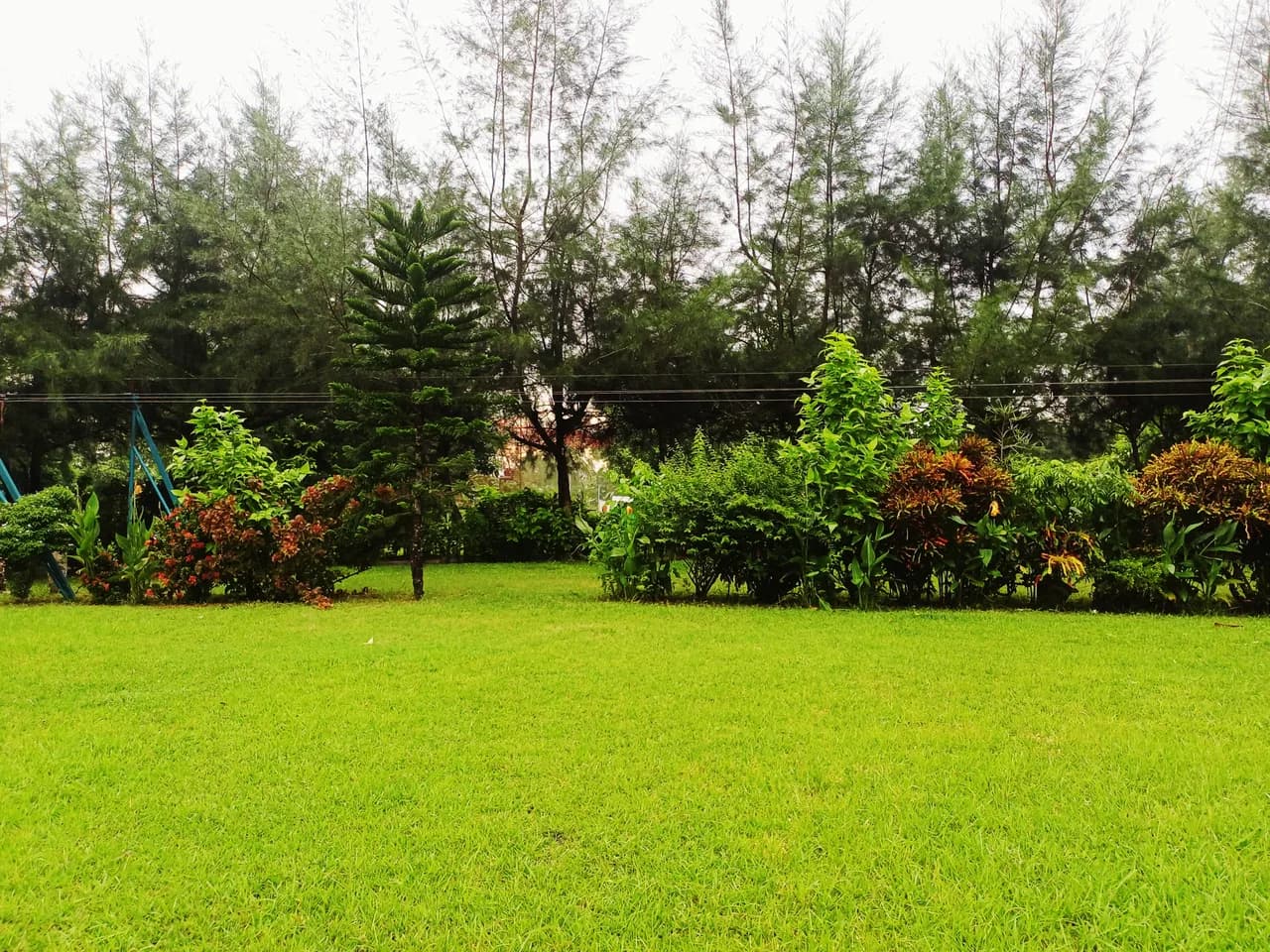
Discover Kalia, Narail. Plan your journey to explore its prominent riverine landscapes, local culture, and verified accommodations nearby. Photo: Alphaa Noman
The southwestern region of Bangladesh holds some of the country’s most captivating rural landscapes, far away from the standard tourist circuits. Among these tranquil destinations, Kalia Upazila in the Narail District stands out as an exceptional destination for authentic rural tourism Bangladesh. Defined by its sweeping rivers, fertile agricultural plains, and deep-rooted cultural heritage, Kalia offers travelers an immersive look into traditional deltaic life. Whether you are seeking a peaceful weekend trip in Narail or exploring the vast river tourism Bangladesh networks, this comprehensive Kalia travel guide provides everything you need to plan a seamless journey, complete with detailed insights on accommodation in Kalia and surrounding areas.
Where is Kalia
Kalia is an administrative sub-district, or upazila, located in the southern part of the Narail District within the Khulna Division of southwestern Bangladesh. Geographically, it sits between 22°57' and 23°07' north latitudes and 89°30' and 89°48' east longitudes. It is bordered by Narail Sadar and Lohagara upazilas to the north, Abhaynagar Upazila of Jessore District to the west, Gopalganj Sadar Upazila to the east, and the Terokhada, Mollahat, and Dighalia upazilas of Khulna District to the south. This unique positioning makes Kalia a crucial geographic transition zone between the plains of Jessore and the deltaic marshlands leading towards the Sundarbans.
Overview
Covering an area of just over 301 square kilometers, Kalia is an idyllic landscape dominated by water and greenery. The upazila functions as a vital agricultural and fishing hub for the district, with a population that maintains a close relationship with the seasons and the local rivers. For modern travelers, Kalia serves as a living museum of rural Bengal. Its lack of industrial commercialization has preserved pristine environments where traditional farming, artisanal fishing, and historic architecture remain intact, establishing it as an emerging center for eco tourism Bangladesh.
History and Background
The institutional history of Kalia dates back to the mid-nineteenth century when the Kalia Thana was originally established in 1866 under British colonial administration. Over a century later, in December 1984, it was officially upgraded to an upazila as part of a nationwide administrative decentralization. Long before its modern layout, the region was an important trading outpost along the southwestern river networks. Local history records the presence of Portuguese traders who sailed inland via the complex river deltas to trade in spices, timber, and agricultural goods. The region also played a proud role during the 1971 Bangladesh War of Liberation, notably during intense three-day encounters between local freedom fighters and occupying forces at the Kalia High School and Dakbangalow bases, an event that remains deeply etched in the local cultural identity.
Why Visit Kalia
Travelers venture to Kalia Narail to experience a slower pace of life that is increasingly rare to find. Unlike typical commercialized destinations, the primary tourist attractions in Kalia are its natural rhythm and undisturbed landscapes. It is a place where you can watch traditional wooden country boats navigate wide rivers, walk through villages unchanged for decades, and observe the intricate agro-fishing practices of the delta. Kalia is highly prized by birdwatchers, landscape photographers, and cultural travelers looking for an authentic connection with the people and heritage of southwestern Bangladesh.
Best Time to Visit
The absolute best time to plan a trip to Kalia is during the cooler dry season, which spans from November to February. During these months, the weather is pleasant, daytime temperatures are mild, and the humidity drops significantly. This period is also perfect for birdwatching, as migratory birds occupy the local wetlands and eco-resorts. Alternatively, visiting during the early monsoon season (June to July) offers a completely different, vibrant experience when the rivers are full and the agricultural fields turn a brilliant, lush green, though travelers must be prepared for rain and boat-dependent transportation.
Weather and Climate
Kalia experiences a tropical monsoon climate typical of southern Bangladesh. The year is generally divided into three main seasons: the mild winter (November to February), the hot and dry summer (March to May), and the wet monsoon season (June to October). Annual average maximum temperatures reach around 37°C during the peak of summer, while winter minimums drop to a comfortable 11°C. The region receives substantial rainfall, averaging roughly 1,467 millimeters annually, which feeds its vast network of rivers, canals, and agricultural wetlands.
How to Reach
Reaching Kalia has become significantly more convenient in recent years due to major improvements in regional highway infrastructure:
By Road: Direct long-distance bus services operate daily from Dhaka (leaving from major terminals like Sayedabad or Gabtoli) to Narail town or Jessore. The journey takes approximately 4 to 5 hours via the Padma Bridge route. From Narail Sadar, regular local buses, mini-buses, and shared auto-rickshaws connect directly south to Kalia town over well-paved regional roads.
By Air: The closest domestic airport is Jessore Airport, located roughly 36 kilometers northwest of Narail town. Daily flights connect Dhaka to Jessore via domestic carriers. From Jessore Airport, travelers can hire private vehicles or take local transport to Narail town, and subsequently head to Kalia.
By Water: Given its location, adventurers can also access parts of Kalia via launch or trawler services operating through the neighboring Khulna or Gopalganj river routes, though road transport remains the faster option.
Local Transportation
Once inside Kalia, the primary modes of short-distance land transport are battery-operated auto-rickshaws (locally called "Easy Bikes") and motorized three-wheelers. These are highly affordable and readily available at the main upazila intersections and local marketplaces. For exploring the rural interior and traditional villages in Narail, hiring a local cycle-rickshaw or walking is best. For any travel involving the vast water bodies, renting a traditional wooden engine boat (trawler) from the local ghats (docks) is the standard and most scenic way to get around.
Rivers and Natural Landscape
The natural landscape of Kalia is shaped extensively by its complex hydrology. The upazila is bordered and intersected by massive river systems that define the daily lives of its residents. These water systems provide not only livelihoods through fishing and agriculture but also some of the finest examples of river tourism Bangladesh has to offer. Beyond the rivers, the interior landscape is punctuated by large natural depressions and wetlands known as beels, including the notable Baranal, Boalia, Chanchari, and Pateshwari beels, which transform into vast inland seas during the monsoons and productive farming plains during the winter.
Chitra River
Though the main course of the Chitra River flows predominantly through Narail Sadar, its meandering tributaries and connected canals feed directly into the northern boundary of Kalia. The Chitra is legendary in Bengali literature and art, characterized by its calm, clear waters and tree-lined banks. A boat ride along the Chitra offers travelers views of traditional riverside lifestyles, where fishermen cast hand-woven nets and children play along the steps of historic concrete ghats.
Nabaganga River
The Nabaganga River is the dominant water channel flowing directly through Kalia Upazila. It is a wide, powerful river that acts as a primary commercial artery for transport boats moving goods across southwestern Bangladesh. The riverbanks of the Nabaganga in Kalia are incredibly scenic, featuring wide open skies, dramatic erosion patterns, and traditional ferry crossing points where locals gather at sunset.
Agriculture
Agriculture is the economic backbone of Kalia, employing over 62% of the local workforce. The fertile alluvial soil deposited by the Nabaganga and Madhumati rivers creates exceptionally productive farmland. The landscape changes colors dramatically throughout the year based on crop cycles. The region is famous for its extensive paddy fields, wheat cultivation, and large-scale seasonal vegetables. Kalia is also well-known for producing high-quality date molasses (khejur gur) during the winter months and maintaining expansive betel leaf (paan) plantations, which are exported to other districts.
Rural Villages
The traditional villages in Narail, particularly within Kalia, are absolute highlights for cultural explorers. Local settlements like Purulia, Kalabaria, and Panipara consist of beautifully organized homesteads surrounded by dense orchards of mango, jackfruit, coconut, and date palms. Walking through these villages reveals classic deltaic architecture, where traditional mud-walled houses stand alongside corrugated iron cottages. The villages are highly pedestrian-friendly, and the local community is exceptionally welcoming to outsiders, frequently inviting travelers into their courtyards for fresh coconut water.
Local Lifestyle
Life in Kalia is slow, predictable, and deeply tied to the natural world. The daily routine begins at dawn with farmers heading to the fields and fishermen hitting the rivers. The local economy revolves around the weekly or bi-weekly haat (open-air village market), where communities gather to trade everything from fresh river fish to handmade bamboo baskets. The absence of rapid urban rush has fostered a community identity rooted in hospitality, storytelling, and mutual support, making a visit here an excellent lesson in slow travel.
Photography Opportunities
For visual creators, Kalia is a paradise of raw, authentic imagery. The combination of water, expansive agricultural plains, and rustic village life offers endless compositions. Key photography opportunities include capturing the early morning fog lifting off the Nabaganga River, the brilliant yellow hue of seasonal mustard or sunflower fields, the expressive faces of local craftsmen at village markets, and the silhouettes of traditional wooden country boats cutting through golden water at sunset.
Local Culture
The culture of Kalia is deeply intertwined with the broader heritage of Narail District, which is historically renowned as a major center for art, music, and sports in Bangladesh. The region has a rich tradition of folk music, particularly Baul and Bhatiali (traditional boatman songs), which are natively performed during community gatherings. The lifestyle also reflects a harmonious coexistence between the majority Muslim and significant minority Hindu populations, creating a blended cultural fabric seen nowhere better than in local craftsmanship, language patterns, and shared public spaces.
Festivals
Festivals in Kalia are celebrated with immense community enthusiasm. Alongside major religious events like Eid-ul-Fitr, Eid-ul-Adha, and Durga Puja, the region host several secular folk celebrations. Traditional fairs (mela), such as the Kalia Bazar Mela, the Naraganti Bazar Fair, and annual winter festivals, bring together folk performers, potters, and sweet makers. Boat racing festivals (Nouka Baich) are occasionally organized on the Nabaganga River during the late monsoon months, drawing thousands of cheering spectators to the riverbanks for highly competitive, rhythmic rowing spectacles.
Shopping and Local Markets
Shopping in Kalia is an authentic rural marketplace experience centered around its historic bazaars. The main trading centers include Kalia Bazar, Baradia Bazar, and Kalabaria Bazar. Travelers can purchase genuine local products directly from the creators. Highly sought-after items include freshly produced pure date molasses (gur), organic betel leaves, handmade bamboo and cane baskets, traditional hand-loomed textiles, and beautiful earthenware pots crafted by generational village potters.
Traditional Food
The culinary profile of Kalia highlights fresh, hyper-local ingredients sourced straight from the surrounding rivers and farms:
Freshwater Fish: Due to the abundance of rivers and beels, meals feature exceptional preparations of local fish like Rui, Katla, Chital, Pabda, and the prized Ilish (Hilsa), often cooked in rich mustard gravies or simple village-style broths.
Chui Jhal Dishes: Influenced by its proximity to Khulna, local eateries prepare meat and fish using Chui Jhal (Piper chaba), a fragrant, spicy wood stem that imparts a distinct pungent heat and deep aroma to stews.
Local Sweets: Narail is famous for its milk-based traditional sweets. Visitors must try authentic Sandesh, Manda, and various types of Rasgulla available at generational sweet shops in the local bazaars.
Family Travel
Kalia offers a safe, educational, and deeply enriching environment for family vacations. Away from screen time and city noise, children can learn firsthand about agriculture, watch how food is grown, and experience boat travel safely. The local eco-resorts provide large, secure open green spaces, manicured gardens, and mild recreational facilities like cycling and paddle boating, ensuring comfort for both children and elderly family members.
Couples Travel
For couples looking for a quiet, romantic escape close to nature, Kalia provides an ideal setting. The tranquil atmosphere of a riverside cottage, morning walks along quiet village paths, and private sunset boat cruises down the Chitra or Nabaganga rivers create a highly intimate and relaxing experience. Booking a stay at one of the region’s premier eco-lodges allows couples to enjoy absolute privacy surrounded by beautiful natural views without sacrificing modern comforts.
Solo Travel
Solo travelers will find Kalia exceptionally rewarding due to the genuine warmth of the local community. It is a highly safe destination where solo adventurers can easily navigate using local auto-rickshaws or walking. The local markets and ferry ghats provide easy opportunities to converse with residents, learn local history, and experience authentic hospitality. Solo travelers face minimal hassle, though English fluency is limited, making basic Bengali phrases highly useful.
Budget Travel
Kalia is incredibly gentle on the wallet. Transportation via shared auto-rickshaws costs mere fractions of a dollar, and exceptionally authentic, hearty meals at local town eateries are highly affordable. For budget-conscious travelers, choosing basic guesthouses or government dak-bungalows in Kalia town, or staying in budget hotels in nearby Narail Sadar, allows for an extensive exploration of the countryside at minimal cost.
Responsible Tourism
As an emerging eco tourism Bangladesh destination, preserving Kalia’s pristine environment is paramount. Travelers are strongly urged to minimize plastic waste, especially when taking boat tours on the rivers and wetlands. Respect local village privacy by asking permission before filming individuals or entering home courtyards. Support the local economy directly by buying produce, sweets, and handicrafts directly from village artisans and small market vendors rather than large corporate distributors.
Safety Tips
Kalia is generally a very safe and low-crime destination for both domestic and international tourists. However, practical travel precautions apply:
Water Safety: Always wear a life jacket when renting small country boats or trawlers on deep, wide rivers like the Nabaganga, particularly during the turbulent monsoon months.
Insect Protection: Carry effective mosquito repellent, as rural and wetland areas can have high mosquito activity during the evenings.
Health: Drink only bottled or verified purified water during your stay, and carry a basic first-aid kit with standard medications, as specialized pharmacies are limited to the main town centers.
Suggested One-Day Itinerary
08:00 AM: Arrive in Narail town from Jessore or via the highway, grab a traditional breakfast of paratha, fresh eggs, and local sweets.
09:30 AM: Take a local transport south to Kalia Upazila, taking in the scenic agricultural fields along the way.
11:00 AM: Visit a traditional village such as Purulia to observe the historic local lifestyle and unique regional architecture.
01:00 PM: Enjoy a traditional lunch featuring fresh river fish and Chui Jhal curry at a local eatery in Kalia Bazar.
02:30 PM: Head to the main ferry ghat and hire a traditional wooden country boat for a relaxed 2-hour cruise along the Nabaganga River.
05:00 PM: Watch the sunset from a riverside viewpoint, sample fresh street food at the market, and return to Narail town or Jessore for your departure.
Suggested Two-Day Itinerary
Day 1: River and Village Immersion
Morning: Check into your resort near Kalia. Start your morning exploring the expansive grounds and observing the native bird populations.
Afternoon: Travel to Kalia town, visit the bustling local haat (market), and purchase authentic local date molasses or handicrafts. Have a rustic village-style lunch.
Evening: Embark on a private afternoon boat trip down the scenic Chitra River canals, capturing photographs of the riverside life. Return to the resort for a quiet dinner by the water.
Day 2: Agro-Eco Exploration and Heritage
Morning: Take an early morning walking safari through the traditional villages of Kalia, interacting with local farmers and checking out the betel leaf plantations.
Afternoon: Relish a specialized lunch at your eco-lodge. Spend the afternoon enjoying low-key recreation like cycling through countryside trails or paddle-boating on the resort lakes.
Evening: Enjoy a final sunset view over the river delta, check out of your accommodation, and begin your journey back to Dhaka or Jessore Airport.
Places to Visit in Kalia
When mapping out your tourist attractions in Kalia, it is important to focus on verified geographic points of interest. Because Kalia focuses heavily on eco-tourism and heritage, the attractions combine natural landscapes with a few historic cultural landmarks located inside the upazila and immediate surrounding areas.
The Nabaganga Riverfront
Overview: The sprawling banks of the wide Nabaganga River serve as the visual center of Kalia.
Why Visit: It offers an unedited look at Bangladesh’s active riverine trade and magnificent water vistas.
Visitor Experience: Travelers can rent small engine boats for long river excursions, observe large cargo boats passing by, and interact with the local boatmen community.