

All ArticlesDestination Guide
Keshabpur, Jashore Travel Guide: Sagardari, Wildlife & Stays
N
Nasir Khan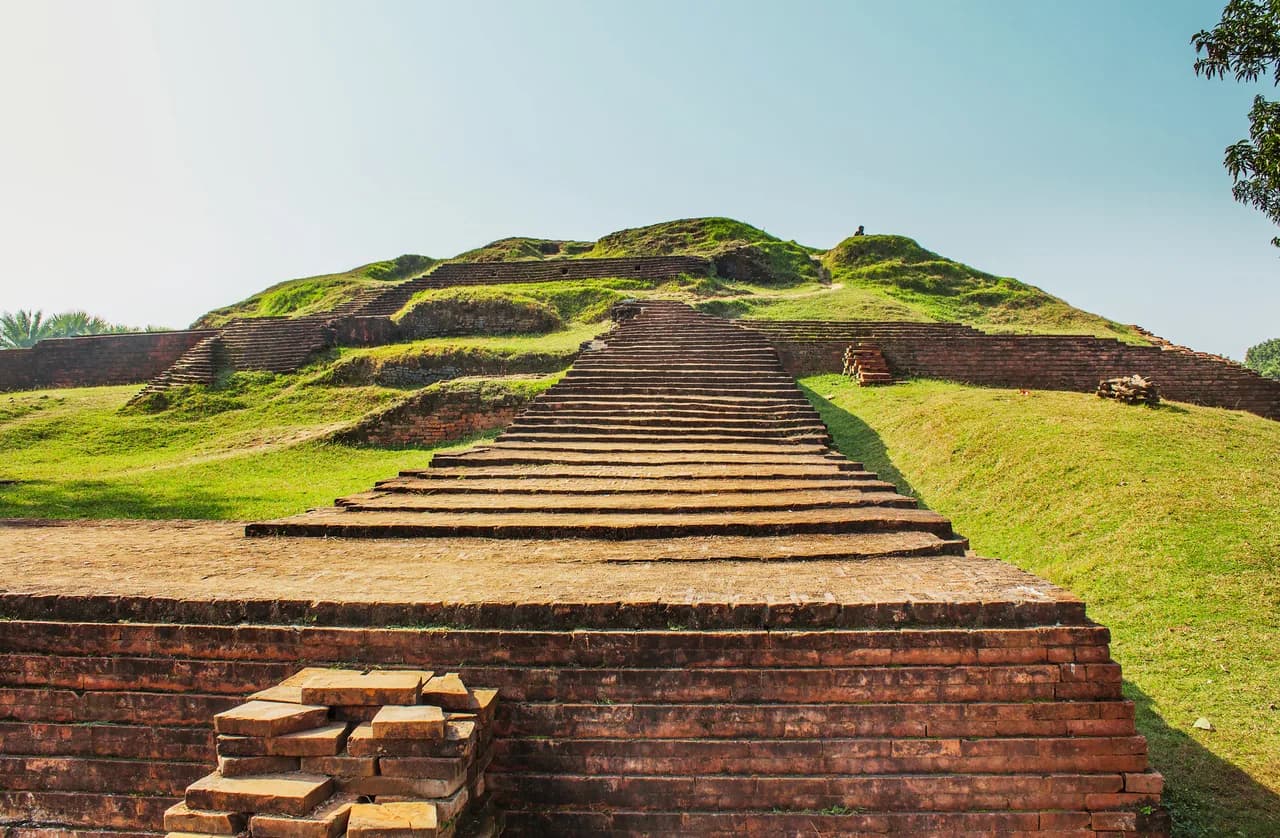
Discover Keshabpur, Jashore. Plan your trip to explore Madhusudan Dutt's birthplace, langur sanctuaries, and verified accommodations nearby. Photo: N Islam Photography
The southwestern plains of Bangladesh hold a quiet magic, far removed from the bustling industrial corridors and standard tourist paths. Among the region's hidden cultural and ecological treasures, Keshabpur Upazila in the Jashore District shines as an exceptional destination for travelers seeking a slower, deeper journey. Defined by its sweeping rivers, ancient legacy, traditional village lifestyles, and profound literary associations, Keshabpur offers an inspiring look into rural Bengal. Whether you are chasing the phantom steps of 19th-century poets along historic rivers or setting out on an insightful weekend trip in Jashore, this comprehensive Keshabpur travel guide provides all the necessary details to plan your adventure, alongside expert advice on choosing the best accommodation in Keshabpur and surrounding areas.
Where is Keshabpur
Keshabpur is a prominent administrative sub-district, or upazila, situated in the southern part of the Jashore District within the Khulna Division of southwestern Bangladesh. Geographically, it is bordered by Manirampur Upazila to the north and east, Tala Upazila of Satkhira District and Dumuria Upazila of Khulna District to the south, and Kalaroa Upazila of Satkhira District to the west. Its unique location positions it right along the classic transit pathways linking the historic plains of Jashore with the coastal deltas of Khulna and Satkhira, making it a critical geographic corridor in southwestern Jashore tourism.
Overview
Covering an administrative footprint of roughly 258 square kilometers, Keshabpur represents an idyllic low-lying landscape shaped extensively by natural waterways and rich alluvial soils. The upazila is widely celebrated across Bangladesh for two distinct treasures: it is the birthplace of Michael Madhusudan Dutt, the epic poet who revolutionized Bengali literature, and it is one of the final remaining structural habitats for the endangered black-faced Hanuman langurs, who live in close, peaceful proximity with the local human population. This rare combination of literary pilgrimage sites and wildlife conservation renders it a top choice for eco tourism Bangladesh and heritage travel enthusiasts.
History and Background
The deep-rooted historical legacy of Keshabpur reflects the broader socio-political evolution of ancient and medieval Bengal. Originally emerging as an important cluster of agrarian settlements, Keshabpur grew under the administration of regional zamindars and colonial rulers. The establishment of Keshabpur Thana dates back to the British colonial administration, which was later upgraded to an upazila in 1983. The region is dotted with ancient archaeological mounds, such as the enigmatic Bharat Bhayna mound nearby, indicating ancient Buddhist or Hindu monastic foundations dating back over a thousand years. During the 1971 Liberation War, local resistance groups operated actively throughout the upazila's dense orchards and complex canal systems, cementing Keshabpur's place in the modern history of independent Bangladesh.
Why Visit Keshabpur
Travelers make the journey to Keshabpur Jashore to explore a rare intersection where wilderness meets classic literature. It is a place where you can wander through centuries-old mango orchards while watching rare wild langurs leap across the tree canopies, then spend your afternoon sitting by the legendary waters that inspired foundational Bengali epic poetry. For those seeking authentic rural tourism Bangladesh experiences, Keshabpur offers undisturbed village structures, vibrant agricultural landscapes, and a profound sense of peace that stands out vividly against the rapid urbanization found elsewhere.
Best Time to Visit
The absolute best window to plan your trip to Keshabpur is between November and February. During these cooler winter months, the weather remains incredibly comfortable for long outdoor walking tours through the heritage sites and villages. Humidity levels drop significantly, and the morning mist creates a highly atmospheric backdrop across the rivers and farmlands. Additionally, winter aligns with the harvest season for date palm sap, allowing travelers to taste authentic regional delicacies fresh from the farms. The early monsoon season between June and July also offers visual appeal as the local rivers fill completely, though the heavy rains can restrict local walking paths.
Weather and Climate
Keshabpur features a tropical monsoon climate characteristic of southwestern Bangladesh. The year is marked by a hot and dry summer season from March to May, a heavy rainfall monsoon period from June to October, and a pleasant, dry winter from November to February. Average summer temperatures frequently hover around 36°C, requiring protective clothing and hydration, while winter drops down to a highly comfortable 11°C to 15°C. The generous annual rainfall ensures the sub-district's wetlands, marshes, and riverbanks remain biologically diverse and highly productive throughout the agricultural cycles.
How to Reach
Reaching Keshabpur has become highly efficient, thanks to major advancements in national road infrastructure across southern Bangladesh:
By Road: Daily long-distance luxury and express bus services run from Dhaka's primary terminals (such as Gabtoli, Sayedabad, or Kalyanpur) directly to Jashore city via the Padma Bridge route. The road journey spans approximately 4 to 5 hours. From Jashore city center, local buses, mini-buses, and private rental cars travel south over well-maintained regional roads directly to Keshabpur town, located roughly 32 kilometers away.
By Air: Travelers can catch daily domestic flights from Dhaka's Hazrat Shahjalal International Airport to Jashore Airport. The flight takes approximately 40 minutes. Upon landing at Jashore Airport, you can easily hire a private air-conditioned taxi or take a local shuttle bus down to Keshabpur town.
By Rail: Several direct intercity trains operate regularly between Dhaka's Kamalapur Railway Station and the Jashore Railway Station, providing a scenic and comfortable overland alternative for heritage tourism Bangladesh travelers.
Local Transportation
Navigating within Keshabpur Upazila is remarkably simple and eco-friendly. The main intersections and town markets host fleets of battery-operated three-wheelers, widely known as "Easy Bikes." These vehicles run on shared or private hire models and are perfect for hopping between local destinations. For traveling down narrow village pathways or reaching secluded spots along the riverbanks, hiring a traditional cycle-rickshaw or renting a local motorcycle driver provides the highest flexibility. For aquatic journeys along the historical waterways, traditional wooden engine boats can be hired at regional docks.
Rivers and Natural Landscape
The natural landscape of Keshabpur is heavily shaped by its historic river paths and flat alluvial plains. The entire sub-district is woven together by a network of canals, wide marshlands, and slow-moving rivers that have sustained generations of fishermen and farmers. The natural environment retains a remarkably high forest cover for the region, characterized by ancient groves of mango, jackfruit, tamarind, and rain trees. This extensive canopy provides a safe shelter for a wide array of native avian species, making the upazila an excellent destination for low-impact nature excursions.
Kapotaksha River
The Kapotaksha River, also known historically as the Kopotaksho Nad, is the undisputed lifeblood of Keshabpur's cultural identity. Flowing gracefully along the borders of the upazila, the river is legendary across South Asia due to its deep association with the romantic sonnets of Michael Madhusudan Dutt. While parts of the river have experienced siltation over the decades, the sections running through Keshabpur remain beautifully scenic, showcasing traditional country boats, riverside markets, and gentle curves that look spectacular during the early morning hours.
Rural Villages
The traditional villages scattered throughout Keshabpur Upazila offer a masterclass in classic deltaic living. Settlements such as Sagardari, Trimohini, and Panjia are laid out around central freshwater ponds, beautifully surrounded by lush fruit orchards and neatly maintained vegetable patches. The village paths are remarkably quiet, framed by a mix of classic mud-walled granaries and modern brick homes. Walking through these communities allows visitors to witness traditional domestic arts, from hand-weaving bamboo mats to the intricate preparation of clay cooking stoves, reflecting the welcoming nature of Jashore travel experiences.
Agriculture
Agriculture serves as the main livelihood for the vast majority of Keshabpur's residents. The region's rich soil yields abundant crops of aman and boro rice, alongside massive fields of wheat, jute, and seasonal pulses. Keshabpur is also highly recognized within Jashore tourism for its massive output of fresh vegetables, which supply major wholesale markets across the country. In the winter months, the landscape shifts into a major center for date palm cultivation, where skilled local collectors climb tall palm trees to gather sweet sap used to make regional jaggery.
Literary and Cultural Heritage
Few sub-districts in Bangladesh can boast the immense cultural weight that Keshabpur carries. As the direct cradle that nurtured the childhood of Michael Madhusudan Dutt, the area is regarded as holy ground for Bengali literature. The local language, folklore, and public architecture reflect this deep literary pride. The upazila has consistently maintained an active community of writers, folk theater artists, and musicians who keep classical traditions alive, ensuring that a simple walk through the town square offers an engagement with regional arts.
Photography Opportunities
For professional and amateur photographers alike, Keshabpur offers a brilliant palette of subjects that change dynamically with the seasons. The key visual highlights include the rare black-faced Hanuman langurs interacting playfully along village rooftops, the striking brick architecture of colonial-era estates, the soft textures of the Kapotaksha River at sunrise, and the geometric patterns of local farmers tending to massive green betel leaf plantations. The contrast of rich green foliage against the worn red brick of historical monuments provides exceptional compositions.
Local Culture
The local culture of Keshabpur is a beautiful blend of deep literary appreciation, historic folk arts, and a long tradition of peaceful communal harmony. The community takes immense pride in its historical identity, which is reflected in the preservation of local libraries, open-air discussion circles, and classical music schools. Folk performance styles such as Jatra (traditional open-air theatre) and Kabi Gaan (rhythmic poetic debates between folk bards) are frequently staged during major secular and religious gatherings throughout the year.
Festivals
Festivals in Keshabpur are marked by massive public participation and a joyful celebration of regional heritage. Beyond the widely celebrated religious observations of Eid-ul-Fitr, Eid-ul-Adha, and Durga Puja, the upazila hosts the famous Madhu Mela. This week-long cultural grand fair takes place annually in January to celebrate the birth anniversary of Michael Madhusudan Dutt. The festival draws hundreds of thousands of visitors from across the country to Sagardari, featuring massive handicraft exhibitions, poetry recitals, dramatic plays, and stalls selling authentic regional sweetmeats.
Shopping and Local Markets
Shopping in Keshabpur provides an authentic dive into rural commerce through its traditional weekly haats (open markets). The main commercial centers include Keshabpur Bazar and Sagardari Bazar. Visitors can purchase high-quality handmade goods directly from the artisans who craft them. Excellent items to look out for include hand-woven cane and bamboo furniture, functional terracotta pottery, beautifully embroidered quilts (Nakshi Kantha), and fresh, unadulterated date palm molasses during the winter season.
Traditional Food
The culinary traditions of Keshabpur focus on utilizing fresh, locally sourced ingredients derived from the surrounding rivers and rich agricultural soils:
Freshwater Catch: Excellent preparations of native river fish such as Pabda, Tengra, Chital, and local prawns, typically prepared in light ginger-cumin broths or rich mustard seed pastes.
Chui Jhal Delicacies: A highly celebrated regional specialty where beef, mutton, or dense fish is slow-cooked with Chui Jhal (spicy pepper leopard wood), infusing the meat with a sharp, aromatic, and comforting heat.
Date Palm Sweets: During winter, the region excels in creating milk-based desserts sweetened exclusively with fresh date tree sap, including Patishapta Pitha, Payesh, and solid discs of premium Patali Gur.
Family Travel
Keshabpur is an excellent, safe, and deeply educational destination for multi-generational family vacations. Children will be absolutely thrilled by the unique opportunity to view wild langurs roaming freely in designated conservation pockets, while adults will appreciate the deep historical and literary narratives built into the regional monuments. The wide open spaces, minimal pollution, and peaceful walking pathways allow families to explore the outdoors at a highly relaxed and safe pace.
Couples Travel
For couples seeking an intimate, quiet retreat away from the noise of major urban centers, Keshabpur provides a beautiful, romantic backdrop. The calm riverbanks of the Kapotaksha, the historic charm of old zamindari architecture, and the privacy offered by high-quality regional resorts create an ideal setting for long conversations, evening boat rides, and relaxing morning walks along beautifully shaded rural roads.
Solo Travel
Solo adventurers will find Keshabpur to be exceptionally rewarding due to the welcoming and safe nature of the local community. The compact layout of the upazila makes it very easy to navigate independently using shared local three-wheelers. Because the area is accustomed to hosting literary pilgrims, solo travelers are greeted with genuine hospitality and helpful directions, though possessing a basic command of foundational Bengali phrases will greatly enrich your interactions.
Budget Travel
Keshabpur is remarkably gentle on a traveler's budget, making it a perfect spot for backpackers and students. Local transportation costs are minimal, and authentic, home-style Bengali meals at local bazaars are highly affordable. By opting to stay in well-maintained budget guesthouses within the upazila town or capitalizing on highly competitive rates at mid-range hotels in Jashore city, budget conscious travelers can experience a comprehensive holiday for a low total cost.
Responsible Tourism
Preserving the delicate ecological and cultural equilibrium of Keshabpur is a key responsibility for every visiting traveler. When viewing or photographing the endangered black-faced Hanuman langurs, always maintain a respectful distance and avoid feeding them processed junk food, which alters their natural foraging habits. Avoid littering plastic items along the pristine banks of the Kapotaksha River. Always seek permission before entering private village homesteads or photographing residents, and support the community by buying directly from local craftsmen.
Safety Tips
Keshabpur enjoys an excellent reputation as a peaceful and secure sub-district. However, standard travel precautions will ensure a completely hassle-free journey:
Animal Interaction: While the local langurs are accustomed to humans, they remain wild animals; avoid making sudden aggressive movements or cornering them.
Sun and Hydration: The open agricultural plains can get very warm during midday; always carry sufficient bottled drinking water and wear protective sun gear.
Night Travel: Street lighting in distant village interiors can be minimal; conclude your rural explorations by early evening and return to the main town centers or your chosen resort base.
Suggested One-Day Itinerary
08:00 AM: Arrive in Jashore city via early flight or bus, and enjoy a traditional breakfast of warm luchi, dal, and local sweets.
09:30 AM: Hire a private car or board a regional shuttle heading south to central Keshabpur Upazila.
10:30 AM: Visit the designated langur viewing areas near the Upazila headquarters to watch the unique black-faced monkeys.
12:00 PM: Head directly to the historic Sagardari village and explore the Michael Madhusudan Dutt Memorial Museum complex.
01:30 PM: Savor an authentic lunch featuring traditional Chui Jhal beef or fresh river fish curry at a verified local eatery near the bazaar.
03:00 PM: Take a relaxing wooden boat ride along the Kapotaksha River, enjoying the exact views that inspired classic sonnets.
05:00 PM: Watch the sunset over the riverside fields, sample hot street snacks at the market, and head back to Jashore city for your evening departure.
Suggested Two-Day Itinerary
Day 1: Literary Roots and River Life
Morning: Travel from Jashore city to Keshabpur, checking directly into your chosen resort or boutique guest accommodation. Start your exploration at the pristine Sagardari heritage complex.
Afternoon: Wander through the inner rooms of the poet's ancestral home, studying rare manuscripts. Enjoy a peaceful lunch nearby, followed by a long, exploratory boat trip on the Kapotaksha River.
Evening: Walk along the quiet village trails of Sagardari as the oil lamps are lit. Return to your resort base for an authentic dinner featuring regional seasonal specialties.
Day 2: Wildlife Trails and Ancient Ruins
Morning: Head out early to catch the langurs during their active morning foraging period near the forest pockets of Keshabpur. Take an insightful walking tour of a date-palm harvesting farm.
Afternoon: Travel north to visit the ancient archaeological site of Bharat Bhayna mound to witness early architectural engineering. Enjoy a classic lunch at a traditional market bazaar.
Evening: Spend your final hours shopping for authentic cane work and date jaggery at the local Keshabpur market before checking out of your accommodation to head home.
Places to Visit in Keshabpur
When mapping out your tourist attractions in Keshabpur, it is highly useful to organize your travel around verified geographic locations. Keshabpur offers an inspiring mix of literary monuments and natural sanctuaries located directly inside the upazila boundaries, alongside significant ancient ruins easily visited within the same day trip.
Michael Madhusudan Dutt Memorial Museum (Sagardari)
Overview: Situated in the picturesque village of Sagardari within Keshabpur Upazila, this beautifully restored 19th-century residential estate was the ancestral home of the premier epic poet.
Why Visit: It stands as the crown jewel of heritage tourism Bangladesh, honoring the pioneer who introduced blank verse to Bengali literature.
Significance: The compound features grand colonial-style brick architecture, wide courtyards, and classical gateways that reflect the wealthy lifestyle of the Dutt family zamindars.