

All ArticlesDestination Guide
Koyra, Khulna: Sundarbans Gateway Travel Guide & Stays
N
Nasir Khan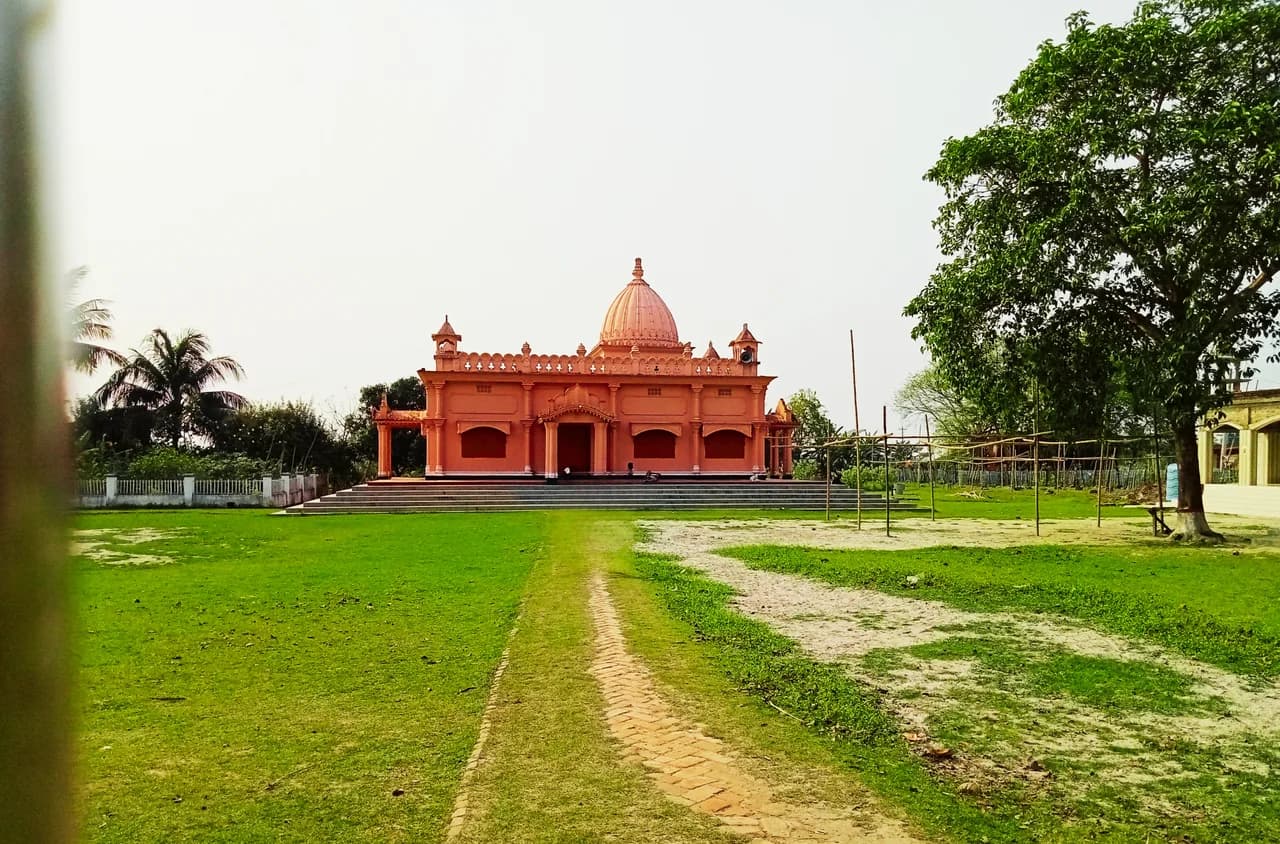
Discover Koyra, Khulna. Plan your journey to explore the southern mangrove forest tracks, coastal river landscapes, and verified eco-lodges in town. Image credit: RuddraNill.BD
Nestled at the southernmost edge of Khulna District, Koyra Upazila represents one of Bangladesh's most captivating frontiers where human settlements gently meet the untamed mangrove wilderness of the Sundarbans World Heritage Site. Defined by intricate tidal river networks, mudflats, dense mangrove vegetation, and traditional coastal livelihoods, Koyra offers travelers an authentic, off-the-beaten-path glimpse into southern Bengal. Away from commercialized tourist circuits, visiting Koyra is an immersive journey through rural riverine culture, rich biodiversity, and breathtaking estuarine ecosystems.
Where is Koyra
Koyra Upazila is located in the southernmost region of Khulna District within the Division of Khulna, Bangladesh. Geographically positioned between 22.10° and 22.31° North latitudes and 89.15° and 89.30° East longitudes, it is bounded by Paikgachha Upazila to the north, Dacope Upazila to the east, Shyamnagar Upazila of Satkhira District to the west, and the sprawling Sundarbans Reserve Forest stretching towards the Bay of Bengal to the south.
Overview
Spanning over 1,775 square kilometers—a significant portion of which comprises reserve mangrove forest—Koyra serves as a vital ecological buffer zone for southern Bangladesh. The upazila consists of seven administrative unions, including Koyra Sadar, Bedkashi, Gobra, and Maheshwaripur. Life in Koyra is intimately intertwined with the ebb and flow of tidal rivers. The local economy relies heavily on agriculture, coastal aquaculture, fishing, and honey collection from the forest. For eco-tourists and nature enthusiasts, Koyra provides a peaceful, raw entrance into the mangrove forests of the Sundarbans.
History and Background
Historically, the land encompassing Koyra was part of the ancient Sundarbans forest tract and the broader deltaic kingdom of southern Bengal. During the 15th century, the region fell under the influence of Saint Khan Jahan Ali, who developed infrastructure, roads, and freshwater reservoirs across Khulna and Bagerhat. Over centuries, agrarian settlers, traditional fishermen (known locally as Jele), and forest harvesters (Bawali) established resilient communities along the river embankments. Today, Koyra stands as a symbol of human resilience, maintaining its cultural heritage while adapting to coastal climate dynamics.
Why Visit Koyra
Travelers seek out Koyra to experience the untouched beauty of Bangladesh's coastal wetlands. Unlike heavily visited tourist spots, Koyra offers unfiltered serenity. It presents rare opportunities to navigate quiet mangrove creeks, observe estuarine wildlife, interact with traditional fishing communities, and witness stunning river sunsets over the Passur and Shibsa rivers.
Best Time to Visit
The ideal period to visit Koyra is during the winter season, extending from November to February. During these months, temperatures are pleasant, rainfall is minimal, and river navigation is exceptionally calm. Winter is also the prime season for birdwatching, as migratory species flock to the tidal flats. The post-monsoon period from late September to October offers vibrant green scenery, though river conditions require checking local weather forecasts.
Weather and Climate
Koyra experiences a tropical monsoon climate characterized by three distinct seasons: mild winter (November to February), warm summer (March to May), and heavy monsoon (June to September). Summer temperatures typically range between 28°C and 35°C, accompanied by high humidity. Monsoon brings heavy rainfall and strong tidal currents. Winter brings daytime temperatures around 18°C to 26°C with crisp morning breezes, making it comfortable for outdoor exploration.
How to Reach
Road Transport
Travelers generally reach Koyra via Khulna City, which is well-connected to Dhaka by direct highway buses, trains, and domestic flights landing at Jessore Airport (followed by a short drive to Khulna). From Khulna City’s Sonadanga Bus Terminal, direct regional buses and hired private microbuses travel south through Chuknagar and Paikgachha directly to Koyra Sadar. The road distance from Khulna City to Koyra Sadar is approximately 95 kilometers, taking around 3 to 3.5 hours depending on road conditions.
Waterway Transport
Water transport plays an essential role in reaching remote unions and forest border stations. Travelers can charter motorized wooden boats (trawlers) or small passenger launches from river ghats in Khulna, Paikgachha, or Mongla to sail along the Shibsa and Passur rivers directly into Koyra's coastal channels.
Local Transportation
Within Koyra, local transit consists mainly of battery-operated auto-rickshaws (Tomtoms), motorbikes, and non-motorized cycle rickshaws for land travel along embankment roads. For crossing rivers or reaching forest border villages like Kashiabad and Bedkashi, local wooden ferry boats and engine boats are the standard mode of transport.
Sundarbans Gateway
Koyra is recognized as one of the primary terrestrial and river gateways to the Western Range of the Sundarbans. Through the Kashiabad Forest Range station, authorized tour operators and forest guides arrange entry permits required to venture into the mangrove waterways. The proximity to the forest allows visitors to launch day cruises directly into deep mangrove canals without needing multi-day vessel charters.
Rivers and Mangrove Landscape
The landscape of Koyra is carved by major tidal rivers, notably the Shibsa, Passur, Shakbaria, and Arpangachhia. These waterways rise and fall dramatically with daily tides, exposing complex mudflats lined with pneumatophores (respiratory roots) of Sundari, Gewa, Keora, and Golpatta trees. The interaction between freshwater inflow and saline sea tides creates a unique brackish environment that sustains both aquatic life and dense estuarine flora.
Wildlife and Biodiversity
Koyra’s surrounding ecosystems harbor remarkable biodiversity. The mangrove forest and river channels are home to the Royal Bengal Tiger, spotted deer (Chital), saltwater crocodiles, wild boars, and rhesus macaques. Aquatic species include Irrawaddy dolphins, Ganges river dolphins, mudskippers, and various species of estuarine crabs and shrimp. Avian species such as kingfishers, white-bellied sea eagles, egrets, and migratory waterfowl are frequently spotted along the riverbanks.
Fishing Communities and Rural Life
Life in Koyra moves to the rhythmic pattern of the tides. Local fishing villages along the earthen embankments practice age-old fishing techniques using traditional nets and wooden boats. Observing the daily routines of fishermen returning with their catch, net weavers repairing gear, and families tending to coastal agriculture provides visitors with a rare human connection to Bangladesh's estuarine culture.
Local Culture
The culture of Koyra is deeply connected to forest folklore and maritime traditions. Rural communities share profound respect for the forest ecosystem, often honoring folklore figures such as Bonbibi (the guardian deity of the forest) who is believed to protect woodcutters, honey collectors, and fishermen from wild hazards. Folk music, regional dialect nuances, and seasonal river festivals enrich the local cultural fabric.
Religious and Cultural Heritage
In addition to its ecological beauty, Koyra features historic Islamic architecture dating back to the Khan Jahan Ali era. Places of historic interest include the ancient Amadi Mosque in Amadi Union, which reflects the classic brick-built architectural style of 15th-century southern Bengal, featuring thick walls and traditional domes.
Shopping and Local Markets
Local bazaars in Koyra Sadar, Amadi, and Bedkashi offer an authentic rural shopping experience. Visitors can purchase pure Sundarbans honey harvested by local Mouyals, fresh coastal sea fish, hand-woven fishing artifacts, and traditional Bengali sweets.
Traditional Food
Food in Koyra emphasizes fresh, locally sourced ingredients prepared in traditional coastal style. Meals feature fresh river fish like Parshe, Golda Chingri (giant river prawn), Bagda Chingri (black tiger shrimp), and mud crab cooked in mustard and coconut-infused gravies. Seasonal vegetables, freshly harvested rice, and traditional sweetmeats complete the regional culinary profile.
Family Travel
Koyra is a serene destination for families seeking an educational nature retreat. Children and adults alike gain firsthand appreciation for ecology, wildlife conservation, and traditional riverine living. Gentle boat rides along calm creeks and visits to forest stations offer safe, memorable experiences for family groups.
Couples Travel
For couples searching for quietude and natural beauty, Koyra provides an intimate escape away from noisy tourist crowds. Watching the golden sunset across wide tidal rivers from quiet riverbanks or private wooden boats creates unforgettable memories.
Solo Travel
Solo travelers and backpackers will find Koyra welcoming and visually captivating. The peaceful countryside, friendly locals, and accessible forest stations make it an rewarding destination for solo photography, cultural immersion, and eco-exploration.
Budget Travel
Koyra is exceptionally budget-friendly. Local transportation, boat rentals, traditional meals, and basic government or private guest house accommodations are available at very modest costs, making it an accessible adventure for value-conscious travelers.
Responsible Tourism
Preserving Koyra’s delicate coastal ecosystem requires thoughtful travel practices. Visitors are urged to practice leave-no-trace principles, avoid single-use plastics, refrain from throwing litter into rivers, respect forest regulations, and support the local economy by hiring local guides and purchasing local produce.
Safety Tips
Travelers should observe standard safety measures when exploring Koyra and the Sundarbans border. Always wear life jackets during boat trips, strictly follow forest officer instructions when near reserve boundaries, carry necessary personal medications, and keep hydration supplies handy.
Suggested One-Day Itinerary
Morning: Depart Khulna City early by private vehicle or regional bus, arriving in Koyra Sadar by mid-morning.
Midday: Enjoy a traditional coastal lunch featuring fresh river fish or prawns at a local eatery in Koyra Sadar.
Afternoon: Head to Kashiabad Forest Station, hire a local engine boat for a 2-hour gentle cruise along the Shakbaria and Shibsa rivers, taking in the forest fringe views.
Evening: Watch the sunset over the river from the embankment before returning to Khulna City by road.
Suggested Two-Day Itinerary
Day 1: Drive from Khulna City to Koyra, check into your accommodation in Koyra Sadar or a nearby eco-lodge. Explore Koyra Sadar, local bazaars, and the historical Amadi Mosque. Enjoy a quiet riverside dinner.
Day 2: Early morning boat trip from Kashiabad or Bedkashi along the Shibsa and Passur rivers into the Sundarbans forest channels for wildlife observation and birdwatching. Return to Koyra for lunch and travel back to Khulna City by late afternoon.
Suggested Three-Day Itinerary
Day 1: Journey from Khulna City to Koyra with a stop at Paikgachha. Arrive in Koyra Sadar, explore rural fishing villages, and relax along the river embankments. Overnight stay in Koyra.
Day 2: Dedicated day trip into the Sundarbans mangrove channels starting from Kashiabad Range. Visit nearby eco-tourism spots like Harbaria, observe wildlife from watchtowers, and photograph mangrove flora. Return to base for an evening cultural exchange with local villagers.
Day 3: Morning visit to local markets to purchase authentic Sundarbans honey and local crafts. Enjoy a final seafood lunch before embarking on your return journey to Khulna City.
Tourist Attractions
Koyra Upazila and its immediate surrounding river corridors offer a rich selection of natural and cultural landmarks. To help travelers plan effectively, attractions are categorized below into options located inside Koyra Upazila and nearby regional highlights.
Attractions Inside Koyra
Koyra Forest Range and Kashiabad Station
The administrative forest center located at Kashiabad serves as the primary entry point for forest permits and river cruises into the Western Sundarbans. It offers a safe, accessible introduction to the mangrove reserve with forest staff guidance and official vessel docks.
As a frontline protection and research outpost for forest conservation in Khulna District, the station allows visitors to walk along raised wooden walkways, observe forest department activities, and board local boats for river patrols. Outstanding photography opportunities include forest office docks, river confluences, and dense tree cover across the water.
Best Season: November to February
Approximate Visit Duration: 2 to 3 hours
Nearby Accommodation Options: Bangladesh Forest Department Rest House (Kashiabad), Upazila Parishad Rest House (Koyra Sadar)
Shibsa River Corridor
A prominent tidal river flowing along the western boundaries of Koyra, the Shibsa connects internal river systems directly to the Bay of Bengal. It offers magnificent wide-river vistas, breezy boat cruises, and ideal spots for sunset viewing.
Servicing as a major estuarine nursery for fish and dolphins, the river provides visitors with serene boat rides, opportunities to watch local fishermen operate large traditional nets, and dramatic views of daily tidal variations. Photography highlights include panoramic water views, wooden fishing trawlers, and scenic sunrises.
Best Season: October to March
Approximate Visit Duration: 2 to 4 hours (boat cruise)
Nearby Accommodation Options: Local guest houses in Koyra Sadar, hotels in Khulna City
Amadi Historic Mosque Site
An ancient brick-built mosque located in Amadi Union, this site is linked historically to 15th-century Islamic heritage in southern Bengal. It is a peaceful historical stop for heritage lovers interested in Khan Jahan Ali era architecture.
Representing early agrarian settlement and Islamic architectural history in coastal Khulna, visitors can enjoy quiet reflection, photograph vintage terracotta and brick structure details, and chat with local residents.
Best Season: Year-round
Approximate Visit Duration: 1 hour
Nearby Accommodation Options: Upazila Parishad Rest House (Koyra Sadar)
Bedkashi and Shakbaria River Confluence
Positioned at the southernmost populated point of Koyra where the Shakbaria River meets major forest channels, Bedkashi offers dramatic views of the Sundarbans forest wall across the narrow river barrier.