

All ArticlesDestination Guide
Kumarkhali, Kushtia: Cultural Heritage & Travel Guide
N
Nasir Khan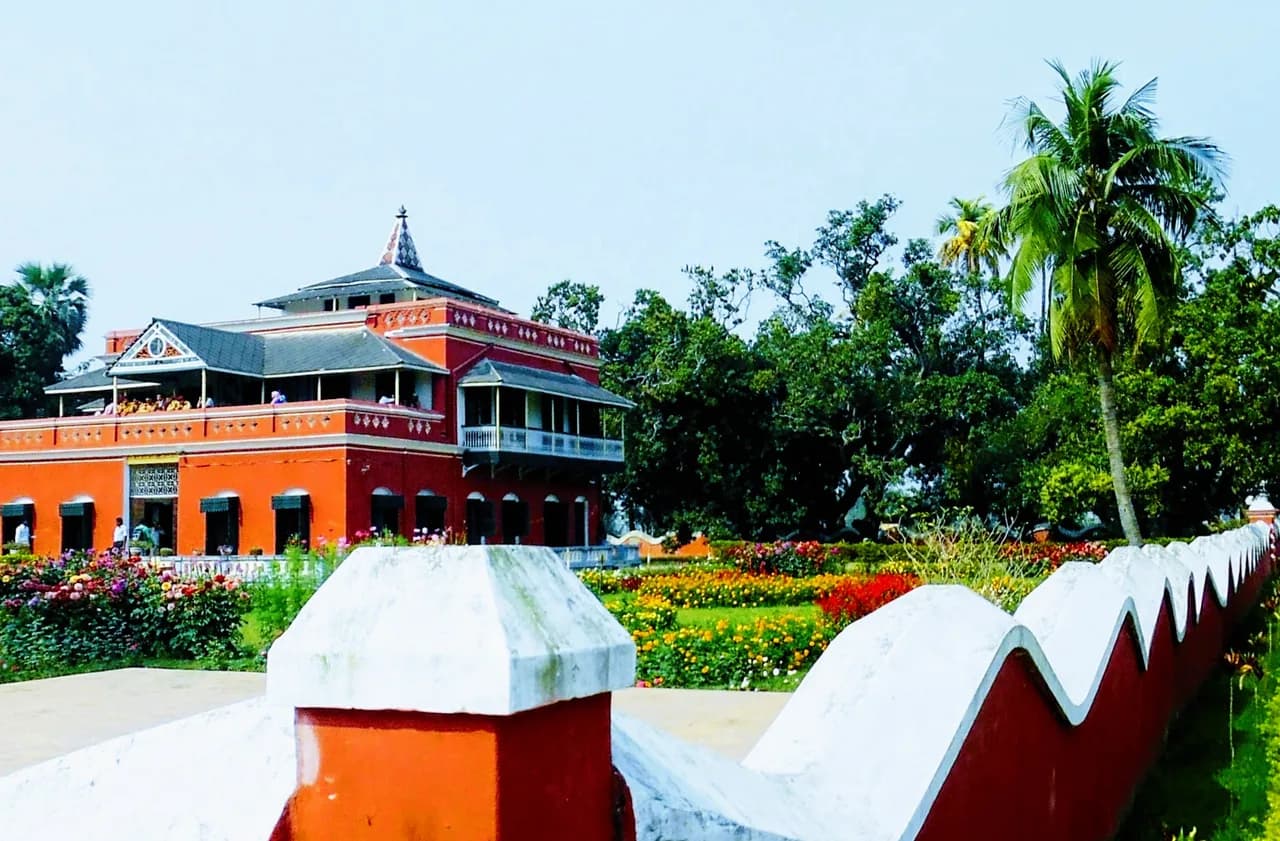
Explore Kumarkhali, Kushtia. Discover the historic Shilaidaha Rabindra Kuthibari, the sacred Lalon Shah shrine, and traditional handloom weaving villages. Image credit: Salim Khandoker, Armanaziz
Nestled along the serene banks of the Padma and Gorai rivers in Kushtia District, Kumarkhali Upazila stands as one of Bangladesh’s most influential cultural and literary heartlands. Long celebrated as the realm of Nobel Laureate Rabindranath Tagore, the spiritual home of Baul emperor Fakir Lalon Shah, and the birthplace of pioneering figures like Kangal Harinath Majumdar and Mir Mosharraf Hossain, this region offers travelers a rare, deep dive into Bengal’s intellectual and artistic soul. Beyond its storied monuments, Kumarkhali welcomes visitors with peaceful rural landscapes, timeless handloom traditions, warm riverside hospitality, and convenient access to comfortable hotels and guest houses across the Kushtia region.
Whether you are planning a weekend trip in Kushtia, immersing yourself in Bangladesh’s cultural tourism, or seeking a reflective heritage journey away from urban bustle, this comprehensive guide will walk you through the top attractions, practical travel logistics, regional delicacies, and verified accommodation options for every budget.
Where is Kumarkhali
Kumarkhali is an administrative upazila located in the central-eastern part of Kushtia District within the Khulna Division of southwestern Bangladesh. It lies on the southern bank of the Padma River and is bisected by the meandering Gorai River. Kumarkhali town sits roughly 15 kilometers east of Kushtia district headquarters and approximately 200 kilometers west of the capital city, Dhaka.
Overview
Kumarkhali occupies a unique position in Bangladesh tourism. It is not merely a geographic sub-district; it is an open-air museum of Bengali renaissance heritage. Within its borders and immediate surroundings, legendary poets composed timeless verses, early investigative journalists challenged colonial oppression, mystic philosophers sang of universal humanity, and literary masters penned classic novels.
For modern travelers, Kumarkhali Kushtia represents a harmonious blend of historical depth and rural tranquility. Visitors can explore grand colonial-era country houses, inspect historic hand-operated printing presses, listen to soulful Baul music under ancient banyan trees, and take soothing evening boat rides along wide river channels.
History and Background
The history of Kumarkhali is deeply intertwined with the agrarian, commercial, and intellectual evolution of Bengal during the 19th and early 20th centuries. Originally a prominent trading post and handloom weaving hub during British rule, Kumarkhali developed into a vital center for education, journalism, and social reform.
In the mid-19th century, the Tagore family of Jorasanko, Kolkata, acquired the Birahimpur zamindari (estate), making Shelaidaha in Kumarkhali the administrative focal point of their landholdings. Rabindranath Tagore spent extended periods here between 1891 and 1901, managing the estate while producing some of his greatest literary works. Concurrently, local figures such as Harinath Majumdar (Kangal Harinath) revolutionized rural journalism by establishing the M.N. Press in Kumarkhali to publish Gram Barta Prokashika, a journal that fearlessly exposed the oppression of British indigo planters and local landlords.
Throughout this period, the spiritual teachings of Fakir Lalon Shah flourished in nearby Cheuria, creating a cultural sanctuary where literature, folk music, philosophy, and social justice intersected.
Why Visit Kumarkhali
Unmatched Literary Legacy: Stand in the very rooms where Rabindranath Tagore translated Gitanjali, earning Asia its first Nobel Prize in Literature.
Spiritual Folk Traditions: Experience the living heritage of Baul philosophy at the shrine of Fakir Lalon Shah.
Pioneering Journalism History: Inspect one of the Indian subcontinent's oldest surviving hand-operated treadle printing presses at the Kangal Harinath Museum.
Picturesque River Landscapes: Enjoy tranquil views and scenic boat trips along the Padma and Gorai rivers.
Authentic Local Lifestyle: Observe age-old handloom weaving traditions and rural village life unaffected by mass tourism.
Easy Regional Access: Benefit from straightforward road and rail connectivity from Dhaka, Rajshahi, and Khulna, backed by quality hotels in Kushtia.
Best Time to Visit
The ideal period to plan a trip to Kumarkhali is during the cooler, drier months from October to March. During autumn, winter, and early spring, temperatures range between 15°C and 28°C, creating perfect conditions for sightseeing, walking through historic grounds, and attending open-air cultural gatherings.
Visiting during winter (December to February) allows travelers to experience vibrant local harvest festivals, traditional winter sweet delicacies, and pleasant misty morning views along the Gorai River.
Weather and Climate
Kumarkhali experiences a tropical monsoon climate characterized by three main seasons:
Winter (November to February): Mild, dry, and highly comfortable with clear skies and cool breezes. Highs average 22°C to 26°C, while night temperatures can dip to 10°C–14°C.
Summer (March to May): Warm to hot, with temperatures reaching 32°C to 38°C. Afternoon thunderstorms (Kalbaishakhi) are common toward late spring.
Monsoon (June to October): Heavy rainfall, high humidity, and lush green countryside. While the rivers swell dramatically and present stunning water views, outdoor sightseeing can occasionally be disrupted by rain.
How to Reach
By Road
Kumarkhali is well connected to major cities across Bangladesh via paved national highways. Long-distance non-AC and AC bus services depart regularly from Dhaka's Gabtoli and Kalyanpur bus terminals, traveling via the Padma Bridge or Nabinagar-Paturia route through Faridpur and Magura directly to Kushtia and Kumarkhali. Travel time from Dhaka by bus typically ranges between 4.5 and 6 hours.
By Train
Train travel offers a comfortable and scenic route. Direct intercity trains run from Dhaka's Kamalapur Railway Station to Porabaha Junction or Kushtia Court Railway Station. From Porabaha or Kushtia, local auto-rickshaws, easy bikes, or taxis reach Kumarkhali town within 20 to 30 minutes. Alternatively, local trains stop directly at Kumarkhali Railway Station and Charaikole Railway Station.
Local Connectivity from Kushtia Sadar
Travelers staying in Kushtia town can easily reach all major tourist attractions in Kumarkhali via CNG auto-rickshaws, motorbikes, or private microbuses operating along the Kushtia-Rajbari Highway.
Local Transportation
Navigating within Kumarkhali Upazila is straightforward and affordable:
CNG Auto-Rickshaws: Excellent for travel between Kushtia town, Kumarkhali bazaar, Shelaidaha, and Cheuria.
Battery-Operated Easy Bikes: Perfect for short-distance travel within Kumarkhali town and nearby villages.
Traditional Cycle Rickshaws: Ideal for slow-paced, atmospheric rides through narrow village paths and market areas.
Rental Taxis / Microbuses: Recommended for families or group travelers seeking private, air-conditioned transport for full-day sightseeing tours.
Rivers and Natural Landscape
The natural landscape of Kumarkhali is defined by its waterways. The majestic Padma River forms the northern boundary of the upazila, while the serene Gorai River meanders through the heart of the region. Broad floodplains, lush mango orchards, fertile agricultural fields, and shade-bearing banyan trees create an inviting countryside backdrop.
A late afternoon walk along the Gorai riverbank or a wooden boat trip on the Padma offers travelers sweeping sunset views, gentle river breezes, and glimpses of local riverine livelihoods.
Cultural Heritage
Kumarkhali's cultural identity is rooted in intellectual freedom, artistic creation, and social harmony. It served as a crucible for the 19th-century Bengal Renaissance outside Kolkata. Here, elitist literary elegance coexisted with grassroots folk philosophy. The region's handloom weavers, Baul musicians, folk artisans, and literary figures contributed to a culture that values hospitality, musical expression, and philosophical inquiry.
Historical Landmarks
Shelaidaha Kuthibari (Rabindranath Tagore's Estate)
Overview
Shelaidaha Kuthibari is a picturesque three-storied heritage mansion surrounded by 11 acres of manicured gardens, mango orchards, and twin ponds. Located in Shelaidaha village on the southern bank of the Padma River, this estate served as Rabindranath Tagore's residential headquarters during his periodic visits to manage the family's zamindari estate between 1891 and 1901.
Why Visit
It is one of the most important Tagore pilgrimage sites in the world. Visitors can stand in the third-floor roof terrace studio where Tagore wrote iconic poems, view his preserved speed boat (Chapala), and admire personal artifacts, original furniture, and historical photographs.
Historical or Cultural Significance
During his decade of creative residency here, Tagore authored masterworks such as Sonar Tari, Chitra, Chaitali, Katha O Kahini, and Kshanika. Crucially, in 1912, he began translating his Bengali poems into English for Gitanjali at Kuthibari, leading to his 1913 Nobel Prize in Literature.
Visitor Experience
The complex is maintained as a national monument and memorial museum under the Department of Archaeology. Visitors enter through an arched gate into shaded pathways, explore 15 spacious rooms filled with period furniture and Tagore's artwork, and rest under ancient trees.
Photography Opportunities
Exceptional opportunities abound: the brick red and white pyramid-crested architectural facade, flower gardens, wooden staircases, Tagore's vintage horse-drawn carriage, and the peaceful estate grounds.
Best Season to Visit
October to March, especially during Tagore's birth anniversary celebrations in May (25 Baishakh) when a three-day national cultural festival is hosted on the grounds.
Approximate Visit Duration
2 to 3 hours.
Nearby Verified Accommodation Options
Accommodation directly adjacent to Kuthibari is limited to government-run rest facilities. For comfortable stays, visitors can choose the Shelaidaha Kuthibari Rest House / Dak Bungalow (prior administrative booking required) or stay at established hotels in nearby Kushtia town (20 km away) such as DESHA TARC, Hotel Kheya, or Hotel River View.
Museums
Kangal Harinath Memorial Museum
Overview
Situated in Kundupara in Kumarkhali town, the Kangal Harinath Memorial Museum honors Harinath Majumdar (1833–1896), an iconic 19th-century journalist, poet, and Baul singer known affectionately as "Kangal Harinath."
Why Visit
The museum houses the original, historical M.N. Press—a hand-operated treadle printing press shipped from Kolkata in the 1860s. It stands as a powerful symbol of early independent rural journalism in Bengal.
Historical or Cultural Significance
Through his periodical Gram Barta Prokashika (first published in 1863), Kangal Harinath exposed social corruption, British exploitation, and the plight of rural farmers. He also founded a popular Baul troupe that inspired regional folk musicians.
Visitor Experience
Managed under the Bangladesh National Museum, the modern memorial facility displays original printed copies of Gram Barta Prokashika, handwritten manuscripts, historic press equipment, personal belongings, and informative educational panels detailing 19th-century social history.
Photography Opportunities
Interior display cases, the historic heavy iron printing press, restored manuscript pages, and the exterior memorial architecture.
Best Season to Visit
Year-round; winter offers the most pleasant walking conditions through Kumarkhali town center.
Approximate Visit Duration
1 to 2 hours.
Nearby Verified Accommodation Options
Travelers visiting the museum can stay at local guest facilities in Kumarkhali town, such as the Kumarkhali Zila Parishad Dak Bungalow, or opt for full-service business and boutique hotels in nearby Kushtia city (15 km away), including Hotel Kheya and Hotel Sunmoon.
Mir Mosharraf Hossain Memorial Center
Overview
Located at Lahinipara village in Kumarkhali Upazila, this memorial complex celebrates Mir Mosharraf Hossain (1847–1911), one of Bengali literature's greatest novelists, essayists, and playwrights.
Why Visit
The two-acre complex features a peaceful memorial monument, a library, an auditorium, a seminar room, and a museum dedicated to the pioneer who authored Bishad Sindhu, a masterpiece of Bengali epic prose.
Historical or Cultural Significance
Mir Mosharraf Hossain is recognized as the first major Muslim novelist in Bengali literature. His works bridged cultural communities and established modern prose style in 19th-century Bengal.
Visitor Experience
Visitors can explore literary exhibits, read rare editions of his works in the peaceful library, view historical portraits, and walk through landscaped gardens maintained in his ancestral village.
Photography Opportunities
The central memorial bust, the modernist open-frame monument wall, quiet garden pathways, and display galleries.
Best Season to Visit
October to March.
Approximate Visit Duration
1 to 1.5 hours.
Nearby Verified Accommodation Options
Located just off the Kushtia-Rajbari Highway, Lahinipara is convenient to reach from hotels in Kushtia town center, including Hotel Noor International, Hotel Kheya, and Hotel River View.
Religious and Spiritual Sites
Lalon Shah Shrine (Lalon Akhra)
Overview
The Mausoleum of Fakir Lalon Shah (Lalon Akhra) is located in Cheuria village, situated in Kumarkhali Upazila adjacent to the eastern border of Kushtia town. It is the spiritual epicenter for followers of Lalon Shah (1774–1890), the legendary saint, humanist philosopher, and king of Baul music.
Why Visit
The shrine complex features Lalon Shah's white-domed mausoleum, graves of his immediate disciples, a research academy, an auditorium, and a museum displaying his ektara (single-stringed instrument) and personal relics. It is a living sanctuary where Baul singers gather daily to perform acoustic devotional music.
Historical or Cultural Significance
Lalon Shah rejected caste, religious dogma, and social division, preaching universal love, human equality, and spiritual self-discovery through his timeless songs. His philosophy profoundly influenced Rabindranath Tagore, Kazi Nazrul Islam, and Allen Ginsberg. UNESCO recognized the Baul songs of Bangladesh as an Intangible Cultural Heritage of Humanity.
Visitor Experience
The atmosphere inside the shrine compound is deeply serene and welcoming. Visitors walk barefoot across clean white marble courtyards, pay respects at the mausoleum, sit quietly in shaded corridors listening to Baul singers strumming ektaras and dotaras, and browse the museum.
Photography Opportunities
The brilliant white dome of the mausoleum against blue skies, traditional Baul musicians performing in devotional attire, and the central courtyard.
Best Season to Visit
While rewarding year-round, the shrine is at its most vibrant during its two major bi-annual festivals: Dol Purnima Lalon Mela (spring, March/April) and Lalon's Death Anniversary festival (mid-October).
Approximate Visit Duration
2 to 3 hours.
Nearby Verified Accommodation Options
Cheuria lies just 2 kilometers from central Kushtia city. Travelers have excellent accommodation choices nearby, including Hotel Kheya, Hotel Noor International, DESHA TARC, and Hotel River View.
Local Lifestyle
The everyday lifestyle in Kumarkhali reflects traditional Bengali village harmony and artisanal craftsmanship. Kumarkhali has been celebrated for generations for its handloom weaving industry. In weaving villages like Khas Mathurapur and Charaikole, visitors can hear the rhythmic clatter of traditional wooden handlooms where artisans craft high-quality cotton bedsheets, lungis, sarees, and towels (gamchhas).
Village life moves at an unhurried pace. Morning markets bustle with fresh river fish and seasonal produce, while evenings are spent sipping hot tea at local crossroads shops while discussing literature, politics, and local affairs.
Art, Music and Cultural Traditions
Kumarkhali is synonymous with Baul music and oral folk traditions. The acoustic notes of the ektara, dotara, dhol, and flute are integral to daily life. Local cultural academies and informal music circles regularly organize evening Baul Gaan sessions where singers perform verses composed by Lalon Shah, Kangal Harinath, and Duddu Shah.
Additionally, local theatre groups, literary clubs, and Tagore music enthusiasts hold seasonal recitals, drama performances, and poetry readings, keeping the region's intellectual heritage vibrant across generations.
Festivals and Events
Lalon Smriti Utsav (Lalon Mela): Held twice annually in Cheuria (October and March/April). Thousands of Bauls, ascetics, scholars, and international tourists converge for three days of night-long music, philosophy symposiums, and a massive rural craft fair.
Tagore Birth Anniversary (25 Baishakh): Celebrated in May at Shelaidaha Kuthibari with a three-day national festival organized by the Ministry of Cultural Affairs, featuring Tagore songs, dance dramas, and discussions.
Kangal Harinath Birth & Death Anniversaries: Observed in Kumarkhali town with seminars, media gatherings, and folk music performances.
Nabanna & Pahela Baishakh: Traditional Bengali harvest and New Year celebrations featuring village fairs, puppet shows, and traditional foods.
Shopping and Local Markets
Shopping in Kumarkhali centers on authentic regional handloom products and traditional delicacies:
Kumarkhali Handloom Items: High-quality cotton bedspreads, woven lungis, cotton sarees, and traditional gamchhas purchased directly from weaving hubs or Kumarkhali Bazaar.
Tiler Khaja: Kushtia's legendary sesame seed and caramelized sugar candy, crisp and hollow inside.
Local Handicrafts: Bamboo crafts, wooden toys, terracotta ornaments, and traditional musical instruments (miniature ektaras).
Traditional Food
The culinary heritage of Kumarkhali and greater Kushtia highlights fresh river fish, rich Bengali curries, and unique sweets:
Freshwater Fish Curry: Freshly caught Hilsa, Rui, Katla, and Chital from the Padma and Gorai rivers cooked with mustard paste or light spices.
Kushtia Tiler Khaja: A famous sesame-coated sweet snack with a crunchy texture, crafted using century-old traditional methods.
Kushtia Kulfi Malai: Thick, aromatic, ice-cream-like sweet dairy dessert flavored with cardamom, saffron, and pistachios.
Traditional Bengali Thali: Steaming rice served with shukto, dal, fresh vegetable bhorta (mashed vegetables), fried eggplant, and spicy fish or mutton curry.
Chhana-based Sweets: Fresh rasgulla, chamcham, and sandesh prepared by traditional milk confectioners in Kumarkhali town.
Family Travel
Kumarkhali is a safe, educational, and enriching destination for family travel. Children and seniors alike will appreciate the open green spaces and manicured lawns at Shelaidaha Kuthibari, interactive historical exhibits at the museums, and gentle river views along the Gorai. Families are recommended to hire a private vehicle for the day to travel comfortably between attractions with young children.
Couples Travel
For couples, Kumarkhali offers quiet romance grounded in literature, nature, and rustic charm. Strolling hand-in-hand through the shaded orchards of Kuthibari, enjoying a private sunset boat trip on the Padma River, and listening to live acoustic Baul music under starry skies in Cheuria create memorable, peaceful experiences away from noisy urban destinations.
Solo Travel
Solo travelers, backpackers, and culture enthusiasts will find Kumarkhali exceptionally welcoming and easy to navigate. Local residents are warm, helpful, and eager to share stories about local history. Budget-friendly public transport like easy bikes and CNG auto-rickshaws makes exploring independent sites low-cost and secure.
Budget Travel
Kumarkhali is an exceptionally affordable destination. Entrance fees to protected national monuments like Shelaidaha Kuthibari and Kangal Harinath Museum are minimal. Local transport fares, authentic Bengali meals, fresh snacks, and budget guest house rates allow travelers to enjoy a rich two-day cultural itinerary on a modest budget.
Responsible Tourism
To preserve Kumarkhali’s heritage and natural beauty, travelers are encouraged to practice mindful tourism:
Respect Sacred Spaces: Remove footwear where required at Lalon Shah's mausoleum and maintain quiet decorum during musical recitals.
Support Local Craftsmen: Purchase handloom fabrics, handicrafts, and local sweets directly from weavers and local shopkeepers.
Minimize Plastic Waste: Carry reusable water bottles and refrain from littering on museum grounds, heritage sites, and riverbanks.
Preserve Monuments: Refrain from touching delicate museum artifacts, writing on historic walls, or climbing restricted heritage structures.
Safety Tips
Kumarkhali and Kushtia are peaceful and welcoming regions with low crime rates against tourists.
When taking river boat rides on the Padma or Gorai rivers, ensure the boat operator provides safety life jackets.
Carry sufficient local cash (Bangladeshi Taka), as small vendors and auto-rickshaw drivers do not accept digital payments or cards.
Keep hydrated and use sun protection (hats, sunscreen) when exploring open historical compounds during midday.
Suggested One-Day Itinerary
08:30 AM – 11:30 AM: Morning visit to Shelaidaha Kuthibari. Explore Tagore’s mansion, memorial museum, speed boat exhibit, and gardens.
11:45 AM – 01:00 PM: Visit the Kangal Harinath Memorial Museum in Kumarkhali town to inspect the historic M.N. Press.
01:15 PM – 02:30 PM: Authentic Bengali lunch in Kumarkhali town or central Kushtia featuring fresh river fish curry and bhorta.
03:00 PM – 04:00 PM: Brief stop at the Mir Mosharraf Hossain Memorial Center in Lahinipara.
04:30 PM – 06:30 PM: Late afternoon and evening at Lalon Shah Shrine in Cheuria. Experience the peaceful mausoleum complex and enjoy live acoustic Baul music as dusk falls.
Suggested Two-Day Itinerary
Day 1: Literary Masters & Countryside
Morning: Arrival in Kushtia/Kumarkhali and check-in to your selected hotel.
Late Morning: Full exploration of Shelaidaha Kuthibari and Tagore estate grounds.
Lunch: Picnic lunch or traditional meal near Shelaidaha/Kumarkhali.
Afternoon: Boat ride on the Padma River followed by a walk through a traditional handloom weaving village in Kumarkhali.
Evening: Return to hotel, enjoy local Kushtia Kulfi Malai and Tiler Khaja, and dine at an in-house restaurant.
Day 2: Journalism, Philosophy & River Views
Morning: Visit Kangal Harinath Memorial Museum and Kumarkhali town market.
Midday: Visit Mir Mosharraf Hossain Memorial Center at Lahinipara.
Lunch: Traditional thali lunch in Kushtia town.
Late Afternoon: Detailed visit to Lalon Shah Shrine in Cheuria, including the research academy museum and evening Baul music circles.
Sunset: Relaxed evening walks along the Gorai River bridge/embankment.
Hotels & Accommodation Options in and Near Kumarkhali
When coordinating where to stay while exploring Kumarkhali, Kushtia, visitors will find that formal commercial lodging options directly inside the upazila boundaries are extremely limited. While basic government rest houses or small local boarding rooms exist, they are generally intended for official personnel or local traders. Fortunately, because Kumarkhali is situated immediately adjacent to the district headquarters, the established hotel base of central Kushtia town serves as the primary and most practical lodging option. Central Kushtia town sits just 10 to 12 kilometers west of Kumarkhali town, providing a quick, straightforward commute via the regional highway network. This close relationship allows travelers to explore Kumarkhali's rich cultural monuments—such as the Shilaidaha Rabindra Kuthibari or the Lalon Shah Mausoleum—by day and return to comfortable, verified urban accommodations at night.
DESHA TARC (Kushtia Town)
Location: Located at the Upazila More intersection in central Kushtia town, providing immediate roadway access to the highway leading directly east toward Kumarkhali Upazila.
Nearby Attractions: Lalon Shah Mausoleum in Cheuriya, central town trading centers, and the Gorai River bank.
Best Suited For: Corporate officials, NGO workers, families, and travelers looking for a structured, gated guest-house setup.
Verified Room Categories: Superior Twin Rooms, Standard AC Rooms, Standard Non-AC Rooms, and Deluxe Suites.
Dining Facilities: Features an on-site institutional dining hall offering organized breakfast buffets and traditional Bengali set menus for lunch and dinner.
Parking: A large, secure, gated surface parking lot monitored continuously by on-site staff.
Family Friendliness: Highly family-friendly due to its peaceful community atmosphere, clean conditions, and solid security boundaries.
Reasons Travelers Choose the Property: Chosen for its exceptional maintenance standards, highly professional management, and convenience for visitors commuting to both Kumarkhali and central district destinations.
Hotel River View (Kushtia Town)
Location: Situated along R.A. Khan Chowdhury Road near the Gorai River in Kushtia town, well-positioned for accessing the transit routes to Kumarkhali.
Nearby Attractions: Gorai River ghats, traditional handloom textile boutique outlets, and district cultural institutions.
Best Suited For: Nature enthusiasts, independent couples, solo travelers, and cultural researchers.
Verified Room Categories: Deluxe AC River-Facing Rooms, Family Triple Suites, and Standard Non-AC Rooms.
Dining Facilities: Provides room service options focused on traditional Bangladeshi breakfasts and set lunch/dinner meals featuring local river fish.
Parking: Secure open-air vehicle parking space managed inside the hotel's defensive perimeter walls.
Family Friendliness: A calm, welcoming environment appropriate for families seeking standard, clean lodging outside of noisy terminal centers.
Reasons Travelers Choose the Property: Selected primarily for its refreshing views of the Gorai River, quiet evening atmosphere, and comfortable room setups at competitive mid-range price points.
Kheya Restaurant & Residential Hotel (Kushtia Town)
Location: Located right next to the Majampur Bus Terminal in Kushtia town, providing an immediate connection to public transport and auto-rickshaws heading to Kumarkhali.
Nearby Attractions: Majampur commercial circle, local retail markets, and the primary regional bus hubs.
Best Suited For: Budget-conscious travelers, solo traders, transit passengers, and short-stay visitors.
Verified Room Categories: Single Economic Rooms (Non-AC) and Double Rooms (available in both AC and Non-AC configurations).
Dining Facilities: Features a popular ground-floor restaurant specializing in local subcontinental dishes, including vuna khichuri, traditional fish curry, and standard breakfast items.
Parking: Limited front-area street parking spaces available for cars and motorcycles.
Family Friendliness: Provides basic, straightforward overnight accommodation suitable for families looking for an affordable, utilitarian place to stay.
Reasons Travelers Choose the Property: Favored for its highly strategic location next to the main bus terminal, low prices, and the convenience of stepping directly onto public vehicles bound for Kumarkhali.
Lalon Shah Government Guest House (Kumarkhali)
Location: Positioned directly within the Cheuriya neighborhood inside Kumarkhali Upazila, situated close to the Lalon Shah Shrine complex.
Nearby Attractions: Lalon Shah Mausoleum, local Baul musical academies, and the adjacent rural river paths.
Best Suited For: Visiting researchers, state dignitaries, cultural historians, and institutional workers needing direct, long-term focus on the shrine area.
Verified Room Categories: General VIP Rooms (AC) and Standard Guest Accommodation units (Non-AC).
Dining Facilities: Features an executive community dining area that caters on-demand Bengali set meals and light traditional teas for staying guests.
Parking: Walled perimeter compound offering secure, gated vehicle parking spaces.
Family Friendliness: Suitable for family groups traveling for cultural study, featuring high security and strict structural quietness.
Reasons Travelers Choose the Property: Unbeatable proximity right next to the Lalon Shah shrine grounds, professional administrative environment, and excellent compound security.
Hotel Rose View Residential (Kushtia Town)
Location: Situated along the main NS Road highway loop in central Kushtia Sadar, maintaining clean vehicular transport lanes crossing down into Kumarkhali.
Nearby Attractions: Central municipal markets, corporate banks, and local transport hubs.
Best Suited For: Solo traders, budget travelers, corporate field officers, and transit passengers.
Verified Room Categories: Single Non-AC Rooms, Standard Double Rooms, and Deluxe AC Rooms.
Dining Facilities: Immediate room service available for traditional breakfast items, with fast walkability to local subcontinental diners lining NS Road.
Parking: Street-front parking space for cars and motorcycles.
Family Friendliness: Offers basic, straightforward room choices suitable for quick family overnight stopovers during regional transit.
Reasons Travelers Choose the Property: Central city location, affordable nightly room tariffs, and direct highway access to hail auto-rickshaws bound for Kumarkhali.
Hotel Gandhi (Kushtia Town)
Location: Located on public highway routes near the busy Majampur intersection in central Kushtia town, providing an immediate launch point toward Kumarkhali Upazila.
Nearby Attractions: Majampur Bus Terminal commercial hub, local transit counters, and town retail markets.
Best Suited For: Budget-conscious travelers, solo business representatives, and short-stay transit commuters.
Verified Room Categories: Economy Single Rooms and Standard Double Rooms (available in budget non-air-conditioned configurations).
Dining Facilities: In-house access to traditional Bengali main courses, flanked by extensive local food stalls and tea stalls nearby.
Parking: Limited roadside or front-area parking spaces.
Family Friendliness: Provides straightforward, utilitarian overnight lodging best suited for budget-conscious families looking for immediate proximity to transit hubs.
Reasons Travelers Choose the Property: Exceptionally competitive low tariffs, decades-long local reputation, and easy access to local auto-rickshaws heading down to Kumarkhali.
Practical Travel Information
Mobile Network & Data Coverage: Excellent 4G mobile network coverage across Kumarkhali town, Shelaidaha, Cheuria, and along major highways via Grameenphone, Robi, Banglalink, and Teletalk.
ATMs & Banking Services: Numerous 24/7 ATM booths (DBBL, Islami Bank, City Bank) are available in Kumarkhali town center and Kushtia Sadar. Cash remains essential for small village vendors and transport drivers.
Emergency Services:
National Emergency Helpline: 999 (Police, Ambulance, Fire Service)
Kumarkhali Upazila Health Complex: Located in Kumarkhali town for medical emergencies.
Kumarkhali Police Station: Located in Kumarkhali town center.
Suggested Packing List: Comfortable cotton walking clothes, slip-on shoes (for easy removal at spiritual sites), sun hat, sunglasses, insect repellent, reusable water bottle, camera, and basic personal medications.
Photography Guidelines: Photography is widely permitted across outdoor estate grounds, riverbanks, and shrine courtyards. Always ask polite permission before photographing local individuals, interior museum exhibits (where restricted), or Baul musicians up close.
Frequently Asked Questions
What is Kumarkhali famous for?
Kumarkhali is world-famous for Rabindranath Tagore's Shelaidaha Kuthibari estate, Fakir Lalon Shah's spiritual shrine in Cheuria, Kangal Harinath's historical M.N. Press, Mir Mosharraf Hossain's legacy, traditional handloom weaving, and delicious Tiler Khaja sweets.
How far is Kumarkhali from Dhaka?
Kumarkhali is approximately 200 kilometers west of Dhaka. Travel time by road across the Padma Bridge or via train typically takes between 4.5 and 6 hours.
Where is Shelaidaha Kuthibari located?
Shelaidaha Kuthibari is located in Shelaidaha village within Kumarkhali Upazila, approximately 15 km east of Kushtia town along the southern bank of the Padma River.
What are the best hotels in Kumarkhali?
Top verified accommodations include DESHA TARC (a resort-style hotel on the highway), Hotel Kheya, Hotel Noor International, Hotel River View, and Hotel Sunmoon in nearby Kushtia town (12–15 km away), as well as government guest houses in Kumarkhali and Shelaidaha.
Can I stay directly near Shelaidaha Kuthibari?
Yes, limited guest house accommodation is available at the Shelaidaha Kuthibari Rest House / Dak Bungalow adjacent to the estate (advance administrative booking required). Most visitors prefer staying in nearby Kushtia town hotels where full services, dining, and AC rooms are readily available.
How do I get from Kushtia town to Kumarkhali attractions?
Local CNG auto-rickshaws, easy bikes, and private rental cars operate continuously between central Kushtia and all major Kumarkhali destinations (Shelaidaha, Cheuria, Kumarkhali bazaar) with travel times between 15 and 30 minutes.
When is the Lalon Mela festival held in Cheuria?
The major Lalon Mela festivals occur twice annually: during Dol Purnima in spring (March/April) and during Lalon Shah's death anniversary in mid-October.
What local foods should I try in Kumarkhali and Kushtia?
Be sure to try fresh Padma/Gorai river fish curries, traditional Kushtia Tiler Khaja (sesame candy), Kushtia Kulfi Malai ice cream, and authentic Bengali thali meals.
Is Kumarkhali safe for solo travelers and families?
Yes, Kumarkhali and Kushtia are exceptionally safe, peaceful, and welcoming destinations for solo travelers, couples, backpackers, and family groups.
How much time is needed to explore Kumarkhali?
A well-planned 1-day or 2-day itinerary is ideal to comfortably explore Shelaidaha Kuthibari, Kangal Harinath Museum, Mir Mosharraf Hossain Memorial, Lalon Shah Shrine, and enjoy a river boat ride.
Conclusion
Kumarkhali Upazila is far more than a travel destination; it is a profound journey through the artistic, literary, and spiritual heritage of Bangladesh. From standing on the breezy terraces of Shelaidaha Kuthibari where Rabindranath Tagore penned immortal verses, to feeling the acoustic vibration of Baul music at Fakir Lalon Shah’s shrine, every corner of Kumarkhali tells a story of creative freedom and human warmth.
Whether you are planning a quiet weekend escape, a cultural family holiday, or an inspiring solo exploration, Kumarkhali offers an unforgettable experience. Plan your journey today, explore centuries of Bengali heritage, and book verified hotels and resorts seamlessly through our accommodation platform to ensure a comfortable, relaxing, and memorable stay in Kushtia.
Until your next adventure.
— Resortian
▶Watch Video
About the Author
Nasir Khan
Travel Editor
I’m Nasir Khan, sharing travel stories and destinations around Bangladesh. My blog covers places to visit, experiences, and travel inspiration. Explore Bangladesh one journey at a time with me.
#Kumarkhali Kushtia#Kumarkhali Upazila#travel Kumarkhali Kushtia#places to visit in Kumarkhali#Kumarkhali attractions#Shilaidaha Rabindra Kuthibari#Rabindra Kuthibari Kumarkhali#Lalon Shah Shrine#Gorai River Kumarkhali#hotels in Kumarkhali Kushtia#accommodation in Kumarkhali#where to stay in Kumarkhali#hotels near Kumarkhali#Kumarkhali tourism#Kushtia travel guide