

All ArticlesDestination Guide
Lohagara Travel Guide: Explore Heritage, River Beauty, and Stays in Narail
N
Nasir Khan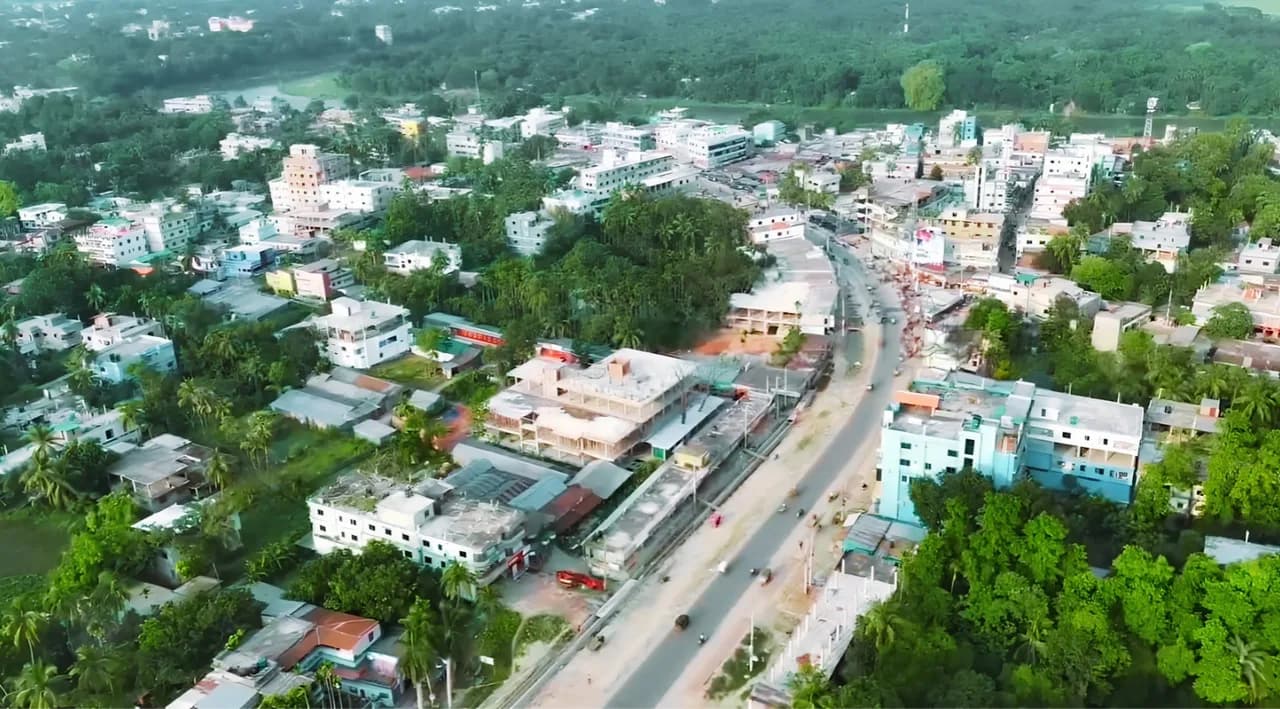
Plan your Travel to Lohagara, Narail. Explore top Hotels, eco-resorts, and nearby stays to find comfortable accommodation for your trip. Image credit: Its Story Facts
Situated along the eastern boundary of Narail District in southwestern Bangladesh, Lohagara Upazila is a captivating destination where winding riverways, fertile agricultural plains, and deep-rooted cultural traditions meet. Defined by the expansive waters of the Madhumati River to the east and the gentle meanders of the Nabaganga and Ichamati rivers across its interior, Lohagara Narail offers travelers an authentic, serene encounter with rural Bengal. From modern architectural milestones like the Kalna Bridge to peaceful recreational parks like Niribili Picnic Spot and ancient terracotta temples, Lohagara provides a rich blend of history, leisure, and natural beauty. As an essential stop on any Narail travel route, this upazila serves as a peaceful retreat for those interested in heritage tourism Bangladesh, scenic river cruises, and relaxed rural exploration. Positioned conveniently near Narail town and well connected to major urban hubs via national highway corridors, Lohagara is an ideal base for a weekend trip in Narail.
Where is Lohagara
Lohagara is an administrative upazila located in the eastern part of Narail District within the Khulna Division of southwestern Bangladesh. Geographically situated between 23°05' and 23°19' north latitudes and 89°29' and 89°46' east longitudes, Lohagara covers an area of approximately 284.91 square kilometers. It is bounded by Mohammadpur Upazila of Magura District to the north, Kalia Upazila of Narail District to the south, Alfadanga, Kashiani, and Gopalganj Sadar upazilas of Gopalganj District to the east (separated by the Madhumati River), and Narail Sadar and Shalikha upazilas to the west.
Overview
Lohagara Upazila is characteristically defined by flat alluvial deltaic plains, broad riverways, and lush agricultural settlements. Comprising one municipality (Lakshmipasha) and twelve union parishads, Lohagara hosts a population engaged largely in farming, freshwater fisheries, local commerce, and traditional crafts. The fertile soil yields abundant crops of rice, jute, wheat, sugarcane, and seasonal fruits like mangoes and jackfruits. The upazila serves as an important commercial and transit hub for Narail tourism, connecting the district directly with neighboring Gopalganj and Faridpur via the landmark Kalna Bridge over the Madhumati River.
History and Background
The history of Lohagara is closely linked with the historic Naldi Pargana and regional zamindari estates that flourished under British colonial rule. Originally established as an administrative thana in 1861, Lohagara was upgraded to an upazila in 1984. Over centuries, the area developed a harmonious socio-cultural landscape shaped by both Islamic and Hindu traditions, preserved in ancient dargahs, terracotta temples, and historic village homesteads.
During the 1971 War of Independence, freedom fighters in Lohagara organized strong local resistance movements against occupation forces. Key encounters occurred across the upazila, and solemn mass grave memorials in villages like Itna stand today as tributes to local heroes and civilian sacrifices.
Why Visit Lohagara
Visiting Lohagara provides travelers with an unhurried, authentic alternative to conventional tourist hubs. Key reasons to explore Lohagara attractions include:
Majestic River Scenery: Experience panoramic views and gentle breezes along the Madhumati and Nabaganga rivers.
Architectural & Heritage Sites: Discover ancient terracotta architecture at Jora Bangla temples and historic shrines across Naldi Union.
Recreational Family Parks: Enjoy landscaped gardens, lake boating, and family picnic facilities at Niribili Picnic Spot.
Kalna Bridge Landmark: Marvel at Bangladesh's first six-lane arch bridge over the Madhumati River.
Proximity to Narail Town: Access art galleries, eco-resorts, and cultural landmarks across Narail Sadar within a short drive.
Best Time to Visit
The ideal season for discovering places to visit in Lohagara is during the dry, cool winter months from November to February. During this period, daytime temperatures range comfortably between 15°C and 26°C, offering pleasant conditions for outdoor sightseeing, park walks, and river cruises. Winter also brings clear skies and cool breezes along the riverbanks. Late autumn (October) and early spring (March) are also fine times to travel, while the monsoon season (June to September) turns the rural landscape intensely green and fills the river channels, creating scenic water vistas for nature lovers.
Weather and Climate
Lohagara experiences a tropical monsoon climate characterized by three distinct seasons:
Winter (November – February): Mild, dry, and sunny weather with low humidity and comfortable temperatures.
Summer (March – May): Warm to hot conditions with temperatures rising between 32°C and 37°C. Pre-monsoon thunderstorms (Kalbaishakhi) occur periodically in late afternoons.
Monsoon (June – October): Heavy rain showers nourish the agricultural fields and swell the river networks. Average annual rainfall exceeds 1,450 millimeters.
How to Reach
Lohagara is well connected by paved national highways to major transportation corridors:
From Dhaka: Following the opening of the Padma Bridge and the Kalna Bridge (Madhumati Bridge), road travel from Dhaka to Lohagara has become remarkably quick and convenient. Direct intercity AC and non-AC buses depart daily from Dhaka's Sayedabad, Gabtoli, and Kalyanpur terminals (operated by Eagle Paribahan, Hanif Enterprise, and local express lines), reaching Lakshmipasha/Lohagara in approximately 3.5 to 4 hours.
From Narail Sadar: Lohagara town (Lakshmipasha) is located roughly 18 kilometers east of Narail Sadar town center. Regular local buses, CNG auto-rickshaws, and private cars connect the two hubs in about 25 to 35 minutes along the paved Narail-Lohagara highway.
From Jessore or Khulna: Direct highway buses run frequently from Jessore (via Narail town) and Khulna, providing smooth regional access to Lohagara.
Railway Access: Travelers using train services can arrive at Narail Railway Station (on the Padma Bridge rail link corridor) or Jessore Railway Station, transferring to local buses or private hired vehicles for the short remaining drive to Lohagara.
Local Transportation
Navigating within Lohagara Upazila is simple and inexpensive:
Battery-Powered Easy Bikes: The most common mode of transport for short journeys inside Lakshmipasha town, connecting bus stands, markets, and nearby villages.
CNG Auto-Rickshaws & Motorbike Taxis: Convenient for travel between Lohagara town and outlying attractions such as Niribili Picnic Spot, Kalna Bridge, or Itna village.
Local River Boats: Traditional wooden motorboats are available for hire at riverside ghats for scenic excursions along the Madhumati and Nabaganga rivers.
Rivers and Natural Landscape
The physical landscape of Lohagara is defined by its pristine river systems. The Madhumati River forms the eastern boundary of the upazila, while the Nabaganga River and Ichamati River wind through the interior countryside. These rivers nourish extensive freshwater wetland basins (beels), including Naldi Beel and Kumri Beel, which serve as habitats for native fish and seasonal waterbirds. Dense groves of coconut palms, date palms, bamboo thickets, and wide green paddy fields frame the water channels, creating a quintessentially Bengali rural environment.
Cultural Heritage
Lohagara heritage reflects centuries of agrarian life, artistic expression, and interfaith harmony. The upazila has nurtured a rich tradition of Bengali folk theater, spiritual music, and literary talent. Local communities celebrate regional customs with warmth, maintaining close ties to ancestral crafts, traditional folk songs, and seasonal harvest fairs.
Historical Landmarks
Lohagara houses several historic structural sites that reflect its colonial and feudal past:
Historic Zamindar Remains: Weathered brick arches, old ponds, and structural fragments scattered across villages like Naldi and Itna reflect the colonial-era landlord estates of the region.
Itna Liberation War Memorial: A preserved historical site and mass grave in Itna village commemorating the sacrifices of local freedom fighters during the 1971 Liberation War.
Museums
While Lohagara Upazila does not have a standalone indoor municipal museum, regional historical artifacts, wartime photographs, and artistic displays are preserved at the nearby SM Sultan Memorial Gallery inside the SM Sultan Complex in Narail Sadar town (a short 25-minute drive from Lohagara).
Religious and Spiritual Sites
Lohagara features several historic places of worship that highlight the area's diverse spiritual history:
Jora Bangla Radha Govinda Mandir (Naldi): An ancient terracotta brick temple located in Naldi Union, celebrated for its historic double-hut structural architecture and devotional craftsmanship.
Naldi Gazir Dargah: A venerated historic shrine in Naldi, drawing spiritual seekers and local residents during annual observances.
Lakshmipasha Kalibari: A centuries-old Hindu temple complex in Lakshmipasha town that serves as a central devotional site during traditional Durga Puja and Kali Puja festivals.
Lohagara Model Mosque: A modern architectural landmark in Lohagara town serving as a primary Islamic spiritual and community center.
Local Lifestyle
Life in Lohagara moves at an unhurried, welcoming pace dictated by nature and village markets. Farmers tend crop fields early in the morning, while river fishermen return with fresh daily catches to town markets like Lakshmipasha Bazaar. In the late afternoon, locals gather at roadside tea stalls along riverbanks and market crossroads to converse, welcoming visitors with genuine Bengali warmth and hospitality.
Art, Music and Cultural Traditions
Folk arts hold a special place in cultural tourism Bangladesh. Traditional folk songs, including Jarigan, Kavigan, and Palagan, are performed during village melas and cultural gatherings across Lohagara. Local artisans continue ancestral traditions of bamboo basketry, clay pottery, and intricate Nakshi Kantha embroidery.
Festivals and Events
Cultural life peaks during regional celebrations:
Annual Boat Race (Nouka Baich): Held during the late monsoon season along the Madhumati and Nabaganga rivers, where longboats decorated with vibrant colors compete amidst cheering crowds on both riverbanks.
Pahela Baishakh (Bengali New Year): Celebrated with traditional Baisakhi fairs, folk music programs, local crafts, and traditional foods across Lakshmipasha town.
Independence Day & Victory Day: Marked by solemn memorial services at the Itna mass grave monument and patriotic gatherings organized by local schools and civic groups.
Shopping and Local Markets
Lakshmipasha Main Bazaar: The central commercial market in Lohagara town for purchasing daily goods, handloom garments, fresh river fish, and local snacks.
Village Hats: Traditional weekly hats held in union centers like Naldi Hat and Itna Hat offer fresh farm produce, seasonal fruits, handmade bamboo goods, and local pottery directly from artisans.
Traditional Food
Dining in Lohagara highlights rich, home-style Bengali cuisine cooked with fresh regional produce:
Freshwater River Fish: Curries made from freshly caught Rui, Katla, Boal, Tengra, and Chingri (prawns) harvested from the Madhumati and Nabaganga rivers, prepared in mustard gravy or spicy chili paste.
Narail Date Palm Jaggery (Khejur Gur): Harvested during the winter months, this rich, aromatic jaggery is used in local sweetshops to prepare traditional Bengali rice cakes (pitha) and sweet payesh.
Fresh Milk Sweets: Local sweetshops in Lakshmipasha serve fresh Rasagolla, Sandesh, and sweet yogurt prepared daily from village milk.
Beef & Mutton Bhuna: Slow-cooked, heavily spiced meat dishes served at local town eateries alongside warm rice or parathas.
Family Travel
Lohagara is a peaceful, family-friendly destination. Parents and children can spend an enjoyable day out at Niribili Picnic Spot, enjoying pedal boating on the lake, playing on green garden lawns, and taking sunset walks along the Madhumati River at Kalna Bridge. The calm rural environment makes traveling with family relaxed and safe.
Couples Travel
For couples seeking a quiet weekend getaway away from city crowds, Lohagara offers serene river scenery, romantic sunset vistas along the Kalna Bridge, and private boat rides down the Nabaganga River. Couples can combine a day of countryside exploration with comfortable stays at nearby riverfront eco-resorts.
Solo Travel
Solo travelers and photography enthusiasts will find Lohagara welcoming, budget-friendly, and easy to navigate. Local transport via easy bikes makes hopping between historical sites, riverbanks, and market squares straightforward and safe.
Budget Travel
Lohagara offers exceptional value for budget-conscious travelers. Local transportation fares are minimal, entrance fees to recreation parks are very low, local meals are inexpensive, and budget accommodation in Lohagara provides comfortable overnight stays without high costs.
Responsible Tourism
Protect Riverways: Avoid tossing plastic bottles or food wrappers into the Madhumati or Nabaganga rivers.
Respect Historical Sites: Maintain respectful behavior and quiet decorum when visiting ancient shrines, temples, and war memorials.
Support Local Artisans: Buy fresh fruits, traditional sweets, and handmade bamboo crafts directly from local market vendors and village craftsmen.
Safety Tips
Lohagara is a peaceful upazila with low crime rates. Standard travel awareness applies when exploring late at night.
Carry cash in Bangladeshi Taka for local transport, market purchases, and dining, as digital card readers are limited outside major resort properties.
Wear life jackets when hiring small wooden boats for extended river rides on the Madhumati River.
Suggested One-Day Itinerary
08:30 AM – 10:00 AM: Arrive in Lakshmipasha (Lohagara town), check into your local hotel or guest house, and enjoy a traditional breakfast of warm parathas, fresh sweets, and tea near the main bazaar.
10:30 AM – 01:00 PM: Head to Niribili Picnic Spot in Rampur. Spend the morning walking through landscaped gardens, riding pedalboats on the lake, and taking photos.
01:30 PM – 02:30 PM: Enjoy an authentic local lunch featuring fresh Madhumati River fish curry and steamed rice at a town restaurant.
03:00 PM – 04:30 PM: Visit the historic village of Naldi to explore the Jora Bangla Radha Govinda Mandir and Naldi Gazir Dargah.
05:00 PM – 06:30 PM: Travel to the Kalna Bridge (Madhumati Bridge) to take in sunset views over the river, watch passing rivercraft, and enjoy evening street snacks.
07:00 PM: Return to town for dinner and tea along the main road.
Suggested Two-Day Itinerary
Day 1: Lohagara Highlights & River Scenery
Morning: Explore Niribili Picnic Spot in Rampur and visit historical sites in Naldi Union.