

All ArticlesDestination Guide
Meherpur Sadar Travel Guide: Places to Visit & Stays
N
Nasir Khan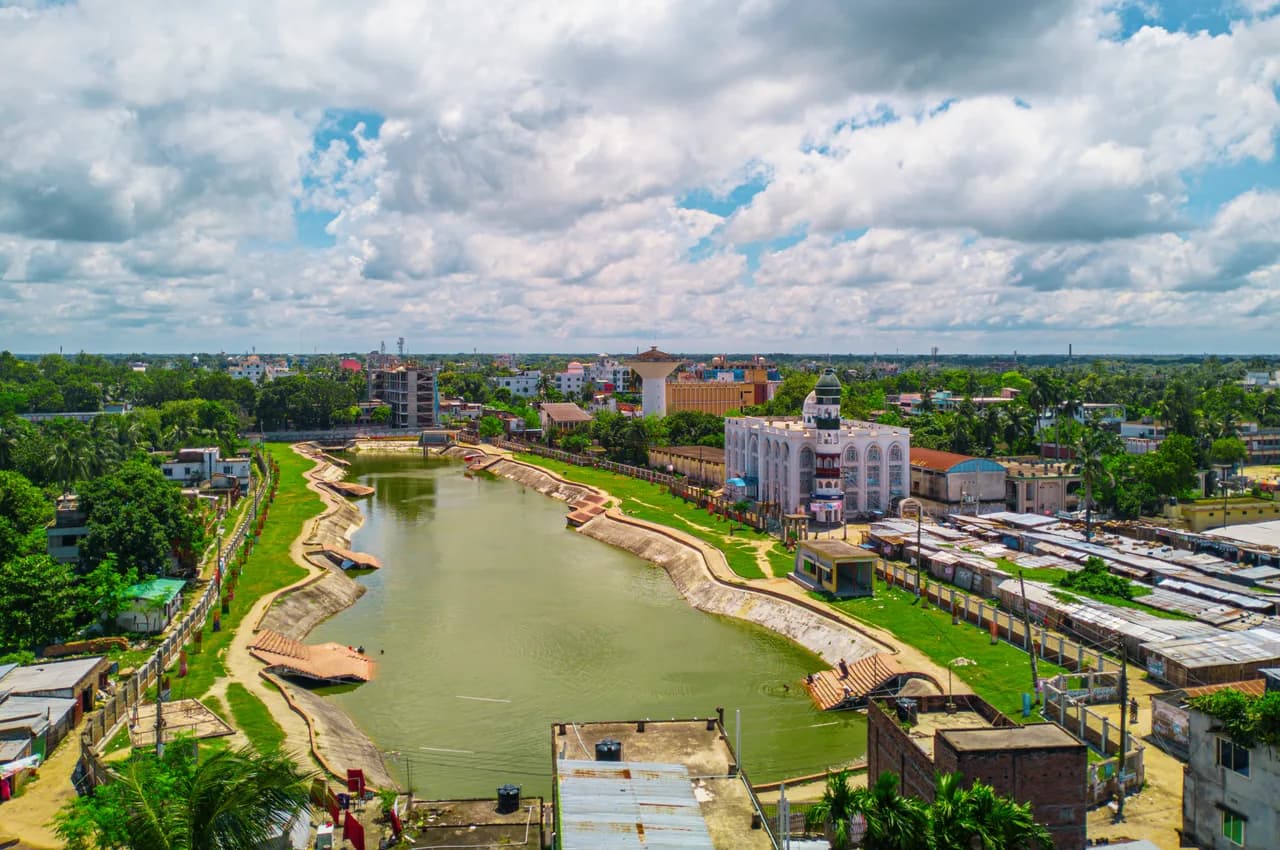
Discover Meherpur Sadar: top historic sites, local attractions, transport info, and practical hotels and accommodations for a complete visit to Meherpur. Image credit: by Ashikul Islam Anik, via Wikimedia Commons
Meherpur Sadar Upazila, the administrative heart of Meherpur District in southwestern Bangladesh, is a destination where modern national identity intersects with colonial history and riverine beauty. As the headquarters of the district, Meherpur Sadar offers travelers an authentic entry point into the historic land where Bangladesh’s first provisional government took its solemn oath in 1971.
Beyond its patriotic pride, Meherpur Sadar features British-era indigo plantation estates along the Kajla River, ancient spiritual sites, mango groves, and vibrant traditional sweet shops famous for historic treats like Sabitri and Rasakadamba. Whether you are embarking on a weekend trip in Meherpur, researching cultural tourism in Bangladesh, or seeking a memorable historical excursion, this travel guide provides verified insights into attractions, local cuisine, transport routes, and top accommodation options in Meherpur Sadar.
Where is Meherpur Sadar
Meherpur Sadar Upazila is located in the western portion of Meherpur District within the Khulna Division of Bangladesh. Positioned along the international border with West Bengal, India, it covers an area of roughly 261 square kilometers.
The upazila is bordered by Gangni Upazila to the north and east, Mujibnagar Upazila to the south, Chuadanga Sadar and Damurhuda Upazilas to the southeast, and Tehatta CD Block in Nadia District, West Bengal (India) to the west across the border. Positioned approximately 240 kilometers west of Dhaka and 28 kilometers northwest of Chuadanga, Meherpur Sadar serves as the principal central hub for commerce and transport across the district.
Overview
Meherpur Sadar comprises the Meherpur Municipality along with nine rural union parishads: Amjhupi, Kutubpur, Buripota, Amdah, Pirojpur, Chhataikola, Baradi, Radhakantapur, and Monakhali. The region lies within the lower Gangetic delta plain, characterized by flat alluvial soils, productive mango and banana orchards, sugarcane fields, and gentle river basins.
The upazila acts as the central urban and cultural core of the district. While agriculture and district commerce form the backbone of the local economy, heritage tourism in Bangladesh brings thousands of national and international visitors to Meherpur annually to explore its colonial indigo mansions, historic temples, and nearby Liberation War monuments.
History and Background
The recorded history of Meherpur dates back to medieval Bengal. Local historical accounts link the naming of Meherpur to Meher Ali Shah, a renowned 16th-century Sufi saint who settled along the banks of the Bhairab River. During Mughal rule and the subahship of Nawab Alivardi Khan, the region prospered as a river trading post.
In the late 18th and 19th centuries under British colonial rule, the East India Company and European planters converted vast tracts of agricultural land in Meherpur into forced indigo cultivation. European planters built fortified administrative estates—known locally as Nilkuthis—at Amjhupi and Bhatpara. Amjhupi Nilkuthi became a central headquarters for indigo trade along the Kajla River and remains an enduring monument to local resistance against colonial oppression.
Meherpur achieved global historical prominence during the 1971 War of Liberation. On April 17, 1971, at Baidyanathtala (renamed Mujibnagar, located just 16 kilometers south of Meherpur Sadar town), the Provisional Government of the People's Republic of Bangladesh was formally sworn in, making Meherpur the symbolic birthplace of independent Bangladesh.
Why Visit Meherpur Sadar
Colonial Heritage Architecture: Walk through the preserved grounds and grand colonial halls of Amjhupi Nilkuthi along the Kajla River.
Proximity to Mujibnagar: Stay at comfortable hotels in Meherpur Sadar while taking short 20-minute day trips to the Mujibnagar Memorial Monument Complex.
Ancient Spiritual Landmarks: Visit historic places of worship including the Siddheswari Kali Temple and Gosaidubi Mosque.
Culinary Delicacies: Taste the famous, century-old Sabitri and Rasakadamba sweetmeats prepared using secret traditional methods unique to Meherpur town.
Peaceful Riverine Scenery: Unwind along the shaded embankments of the Bhairab and Kajla rivers.
Best Time to Visit
The best time to visit Meherpur Sadar and explore Meherpur tourism is during the winter season, from November to February. Daytime temperatures range between 14°C and 26°C, providing cool and comfortable weather for touring historical sites, walking through mango orchards, and taking riverfront trips.
Visiting during mid-April is also deeply meaningful for history enthusiasts, as April 17 marks the annual Mujibnagar Day celebrations, featuring national civic ceremonies, parades, and cultural exhibitions.
Weather and Climate
Meherpur Sadar experiences a tropical wet and dry climate:
Winter (November – February): Cool, dry, and pleasant with clear sunny days and cool evening breezes.
Summer (March – May): Hot and dry, with daytime temperatures rising between 32°C and 38°C. Pre-monsoon showers (Kalbaishakhi) occur periodically.
Monsoon (June – October): Warm with moderate to heavy rainfall that restores surrounding wetlands and river ecosystems.
How to Reach
By Road
Meherpur Sadar is well connected by direct long-distance bus routes via the N704 and regional highway networks. Intercity coaches operated by premium operators (including Shyamoli Paribahan, Purbasha Paribahan, and SB Super Delux) depart daily from Dhaka’s Technical, Gabtoli, and Kalyanpur terminals. Following the opening of the Padma Bridge, road travel time from Dhaka to Meherpur town takes roughly 5.5 to 7 hours.
By Rail
While Meherpur Sadar does not have a direct railway station inside the upazila, the nearest major railhead is Chuadanga Railway Station, located approximately 28 kilometers southeast. Intercity trains (such as the Sundarban Express, Chitra Express, and Maitree Express routes) connect Dhaka, Khulna, and Rajshahi to Chuadanga. From Chuadanga station, local buses, shared microbuses, or private cars reach Meherpur Sadar in 40 minutes.
Local Transportation
Battery-Powered Easy Bikes: The primary and most convenient mode of transit across Meherpur town, connecting the Old Bus Stand, College Mor, and Court area.
CNG Auto-Rickshaws & Motorbike Taxis: Ideal for quick travel between Meherpur Sadar and rural attractions like Amjhupi (6 km) or Mujibnagar (16 km).
Local Tempo & Bus Services: Inexpensive public vehicles operating along the primary Chuadanga-Meherpur-Mujibnagar highway routes.
Rivers and Natural Landscape
The physical environment of Meherpur Sadar is defined by two primary river systems: the Bhairab River and the Kajla River. The Bhairab River flows gently along the edge of Meherpur town, bordered by palm trees and green banks.
The surrounding rural landscape features extensive mango groves (Ambagan), lush banana plantations, and fertile agricultural fields that produce jute, sugarcane, and tobacco.
Cultural Heritage
Culture in Meherpur Sadar reflects the intellectual, agrarian, and patriotic traditions of western Bengal. Local heritage is expressed through traditional folk music, Baul devotional songs, agricultural harvest festivals, and civic honor paid to the martyrs of the 1971 Liberation War.
Historical Landmarks
Amjhupi Nilkuthi
Located just 6 kilometers east of Meherpur town in Amjhupi village, this British-era indigo plantation bungalow stands on a 77-acre estate along the Kajla River. Built in the early 1800s, the mansion features colonial European architecture, high arched doorways, shuttered verandahs, and manicured flower gardens.
Preserved by the Department of Archaeology, Bangladesh, local oral tradition holds that European indigo planters and regional conspirators met in these halls during the late colonial period. Today, it serves as a heritage park and historical site detailing the history of Bengal's indigo revolts.
Meherpur Historic Court & Rajbari Building
Situated in the heart of Meherpur town, this late 19th-century British colonial administrative building features classical white facade pillars, grand staircases, and historic courtrooms.
The compound continues to serve administrative functions while attracting architecture enthusiasts visiting Meherpur heritage sites.
Museums
While visiting the Amjhupi Nilkuthi complex, visitors can view curated historical artifacts, colonial records, and informational boards detailing the 19th-century indigo trade.
For broader war history, the Mujibnagar Liberation War Museum (located 16 km south in Mujibnagar) houses an extensive collection of photographs, diplomatic documents, military uniforms, weapons, and life-size dioramas illustrating the 1971 Independence War.
Religious and Spiritual Sites
Siddheswari Kali Temple: A centuries-old Hindu temple located in Meherpur town, attracting devotees during annual Kali Puja celebrations.
Gosaidubi Mosque: An ancient rural mosque noted for traditional Bengali Islamic brickwork.
Swami Nigamananda Ashram: A spiritual retreat center in Meherpur Sadar dedicated to Hindu monastic and philosophical traditions.
Sheikh Sadi Dargah: A historical shrine located near the town center, visited by local spiritual seekers.
Liberation War Heritage
Meherpur Sadar holds a central place in national memory. During the 1971 war, freedom fighters operated throughout the border corridors of Buripota and Amjhupi. The Meherpur Shahid Memorial in town honors local martyrs who laid down their lives during the liberation movement.
Local Lifestyle
Life in Meherpur Sadar is calm, welcoming, and relaxed. Mornings begin early as vendors set up fresh seasonal fruits at College Mor and Court Market. In the late afternoon, locals assemble at roadside tea stalls along the Bhairab riverbank to converse over hot tea and puffed rice.
Art, Music and Cultural Traditions
Meherpur Sadar is home to the Zila Shilpokala Academy, which organizes seasonal performances of Rabindra Sangeet, Nazrul Geeti, Baul folk music, and traditional stage drama. Handloom weaving and traditional bamboo crafting are preserved in surrounding rural unions.
Festivals and Events
Mujibnagar Day (April 17): The most prominent national event in the district, marked by state honors, parades, and cultural gatherings.
Pohela Boishakh (April 14): Bengali New Year observed with rural fairs, folk music, and traditional foods across Meherpur town.
Durga Puja & Eid Celebrations: Celebrated with festive lighting, community feasts, and public gatherings.
Shopping and Local Markets
Court Market & Public Market: The primary commercial markets in Meherpur town, ideal for buying fresh produce, handloom garments, and regional crafts.
Giyas Mistanno Vandar: The legendary sweet shop in Meherpur Sadar famous for authentic Sabitri and Rasakadamba sweets.
Traditional Food
Sabitri & Rasakadamba: Meherpur's signature sweetmeats. Sabitri is a dry, golden milk-based sweet crafted without oil or ghee that stays fresh for weeks, while Rasakadamba features a soft sweet core wrapped in tiny milk pearls.
Freshwater River Fish: Curries prepared with fresh Rui, Katla, and Tengra caught from the Bhairab and Padma river systems.
Meherpur Mangoes & Bananas: During summer (May to July), fresh local Himsagar and Langra mangoes are available across markets.
Family Travel
Meherpur Sadar is a peaceful and safe destination for family trips. Children can learn about Bangladesh’s history at the nearby Mujibnagar Complex, run along the lawns of Amjhupi Nilkuthi, and taste legendary regional sweetmeats.
Couples Travel
Couples seeking a quiet, off-the-beaten-path weekend can enjoy scenic afternoon walks along the Bhairab River, explore colonial architecture, and sample authentic regional cuisine.
Solo Travel
Solo backpackers will find Meherpur Sadar welcoming, safe, and extremely affordable. Local Easy Bikes make getting around simple, and residents are eager to assist visitors with directions and history.
Budget Travel
Meherpur is one of the most cost-effective travel destinations in Bangladesh. Entry tickets to historical parks cost nominal amounts, public transport across town costs very little, and quality hotel rooms in Meherpur Sadar are available at budget-friendly rates.
Responsible Tourism
Preserve Heritage Sites: Do not write on or deface historical brickwork at Amjhupi Nilkuthi or court monuments.
Keep Grounds Clean: Use trash bins when visiting riverbanks, parks, and memorial complexes.
Support Local Craftsmen: Purchase traditional sweets and agricultural produce directly from local market vendors.
Safety Tips
Meherpur Sadar is a safe, peaceful town with low crime rates. Standard precautions apply when traveling late at night.
Carry cash in Bangladeshi Taka, as small market vendors do not accept digital cards.
Keep bottled water and sunscreen handy during summer excursions.
Suggested One-Day Itinerary
08:30 AM – 10:00 AM: Arrive in Meherpur town, check into your hotel, and enjoy a breakfast of fresh parathas and sweets at College Mor.
10:30 AM – 12:30 PM: Take an Easy Bike to Amjhupi Nilkuthi (6 km away). Explore the colonial bungalow, museum displays, and Kajla river gardens.
01:00 PM – 02:00 PM: Return to town for a traditional Bengali lunch featuring fresh river fish curry at a local restaurant.
02:30 PM – 05:00 PM: Travel 16 km south to the Mujibnagar Memorial Monument & Complex. Tour the historic Oath Plaza, 3D map gallery, and Liberation War museum.