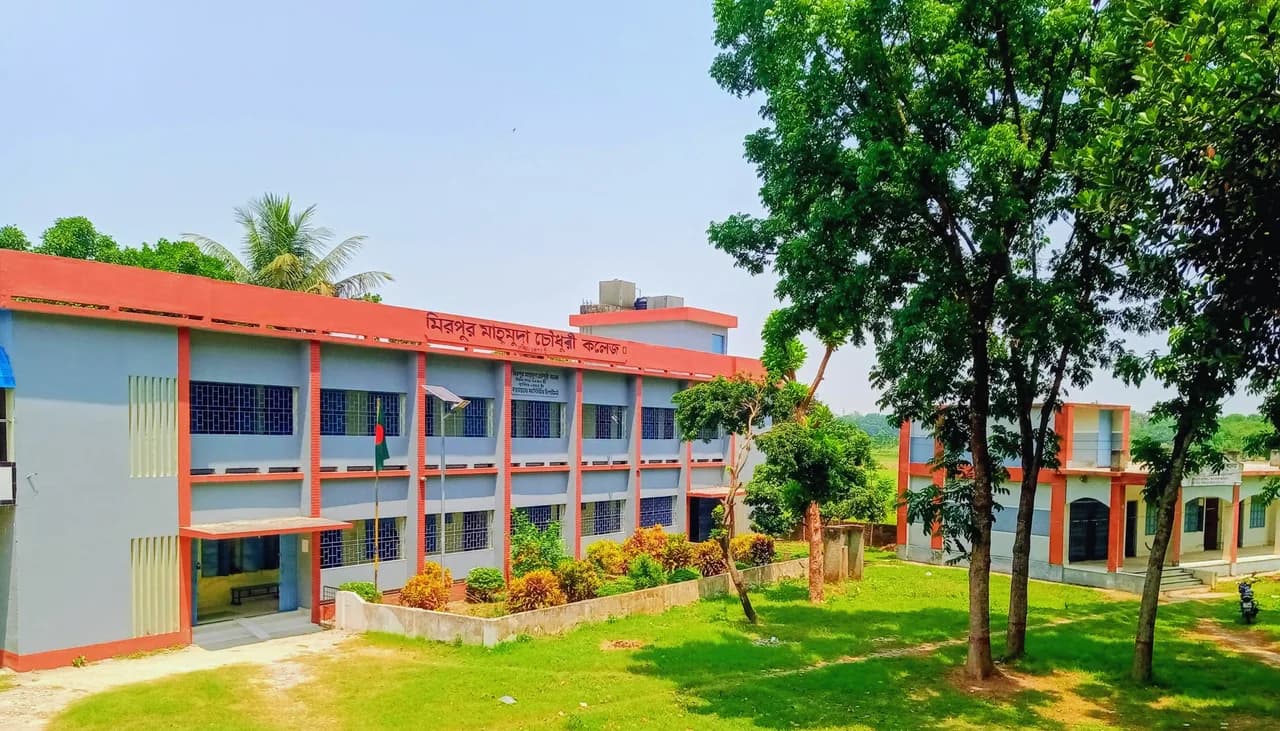
Situated along the fertile alluvial plains of southwestern Bangladesh, Mirpur Upazila in Kushtia District offers travelers an authentic combination of railway heritage, expansive irrigation canals, quiet riverbanks, and rural charm. While often overshadowed by the major cultural monuments of neighboring upazilas, Mirpur serves as a vital strategic, agricultural, and transportation heartland for the region. Home to the historic Poradaha Railway Junction—one of the country's oldest rail hubs—and key infrastructure of the Ganges-Kobadak (G-K) Irrigation Project, Mirpur provides a distinct look into the engineering, trade, and agrarian life of Kushtia.
Whether you are planning a relaxed weekend trip in Kushtia, embarking on a deep cultural journey through western Bangladesh, or seeking a comfortable base to explore nearby literary landmarks like Tagore's Shilaidaha Kuthibari and Lalon Shah's shrine, Mirpur Upazila presents an engaging destination. This comprehensive travel guide covers everything from top attractions and regional history to practical itineraries and verified hotel accommodations to help you plan a seamless trip.
Where is Mirpur
Mirpur Upazila is located in the western portion of Kushtia District within the Khulna Division of Bangladesh. Geographically, it sits between 23°45' and 24°00' North latitudes and 88°50' and 89°06' East longitudes. It is bounded by Bheramara and Daulatpur Upazilas to the north, Kushtia Sadar Upazila to the east, Gangni and Alamdanga Upazilas to the west, and Alamdanga Upazila to the south.
The upazila center sits approximately 12 to 15 kilometers west of Kushtia Sadar town and around 200 kilometers west of the capital city, Dhaka. Its position along major regional highways and railway lines makes Mirpur a convenient transit point for travelers moving across Khulna and Rajshahi divisions.
Overview
Mirpur Upazila encompasses a total area of approximately 317 square kilometers, characteristically defined by flat agrarian terrain, winding freshwater rivers, and an intricate network of artificial irrigation canals. It functions as both a vital agricultural power hub—producing high yields of rice, sugarcane, wheat, and seasonal vegetables—and a central trade point driven by the commercial activity surrounding Poradaha.
For international and domestic tourists, Mirpur presents an unhurried, authentic rural Bangladeshi setting. Free from commercialized tourist crowds, visitors can observe age-old farming traditions, explore colonial-era railway architecture, sample unique regional street delicacies, and take scenic walks along canal embankments shaded by mahogany and coconut trees.
History and Background
The history of Mirpur Upazila is closely linked with the historical expansion of British Indian railways and the modernization of Bengal's agriculture. Prior to the mid-19th century, the region comprised small agrarian settlements governed under regional zamindari estates within the Bengal Presidency.
A major transformation occurred in 1862 with the opening of the Eastern Bengal Railway line, connecting Kolkata to Jagotee and establishing Poradaha as a prominent railway junction. Poradaha quickly evolved into a critical transit point for passengers, agricultural produce, and raw cotton heading toward major ports and industrial hubs.
In the post-colonial era, Mirpur again gained national prominence during the mid-1950s with the initiation of the Ganges-Kobadak (G-K) Irrigation Project. Conceived to lift water from the Padma River to irrigate vast swathes of southwestern Bangladesh, the project turned Mirpur into a lush green belt served by massive gravity canals and pumping stations. Today, this blending of 19th-century railway legacy with mid-20th-century water engineering defines the cultural and physical landscape of Mirpur.
Why Visit Mirpur
Railway Heritage: Experience the historic atmosphere of Poradaha Junction, a bustling terminal with over 160 years of continuous rail service.
Engineering and Waterscapes: Walk along the wide, tree-lined main canals of the G-K Irrigation Project that stretch gracefully through Swastipur and Amla.
Authentic Local Markets: Browse the vibrant traditional textile market at Poradaha Haat, renowned throughout southwestern Bangladesh for quality fabrics and lungis.
Serene Rural Landscapes: Enjoy quiet countryside strolls along the banks of the Kumar River and Kaliganga River.
Strategic Location: Stay in comfortable verified accommodations along the Kushtia-Mirpur axis while remaining within easy reach of every major tourist attraction in Kushtia District.
Best Time to Visit
The ideal period to visit Mirpur and the broader Kushtia District is during the late autumn, winter, and early spring months, spanning from October to March.
During these months, temperatures remain comfortable, rainfall is minimal, and humidity levels drop significantly. Winter mornings (December to February) bring gentle mist over the canal networks and paddy fields, creating atmospheric conditions for rural photography and outdoor exploration. Furthermore, the winter season coincides with the harvesting of date palm sap, allowing visitors to sample fresh khajur gur (date molasses) and traditional winter sweets prepared across local villages.
Weather and Climate
Mirpur experiences a tropical monsoon climate characterized by three distinct seasons:
Winter (November to February): Mild, dry, and highly pleasant. Average temperatures range between 12°C at night to 26°C during midday.
Summer (March to June): Warm and humid, with temperatures occasionally reaching 36°C to 38°C in April and May. Pre-monsoon thunderstorms (Nor'westers) frequently bring evening relief.
Monsoon (July to October): Heavy rainfall transforms the countryside into a brilliant emerald landscape. River and canal water levels rise significantly, making it a picturesque time for river views, though travel logistics require flexibility due to muddy rural tracks.
How to Reach
By Road
Mirpur is well connected by road to major cities across Bangladesh. From Dhaka, direct intercity AC and non-AC buses (including Hanif Enterprise, SB Super Deluxe, Shyamoli Paribahan, and Eagle Paribahan) depart regularly from Gabtoli and Kalyanpur bus terminals. The route travels via the Padma Bridge and N7/R745 highway network, reaching Kushtia town or Mirpur in approximately 4.5 to 5.5 hours.
By Train
Train travel is one of the most convenient ways to reach Mirpur Upazila, thanks to Poradaha Railway Junction. Several daily intercity trains connect Dhaka (Kamalapur Railway Station) with Poradaha, including the Benapole Express, Chitra Express, and Sundarban Express. Direct intercity trains also operate frequently from Khulna, Rajshahi, and Parbatipur.
Local Access from Kushtia Sadar
Travelers staying in central Kushtia Sadar can easily reach Mirpur town or Poradaha Junction via local CNG auto-rickshaws, shared easy-bikes, or regional feeder buses running along the Kushtia-Meherpur highway. The drive takes approximately 20 to 25 minutes.
Local Transportation
Navigating within Mirpur Upazila is straightforward and budget-friendly: