

All ArticlesDestination Guide
Nachole, Chapai Nawabganj Travel Guide: Attractions & Hotels
N
Nasir Khan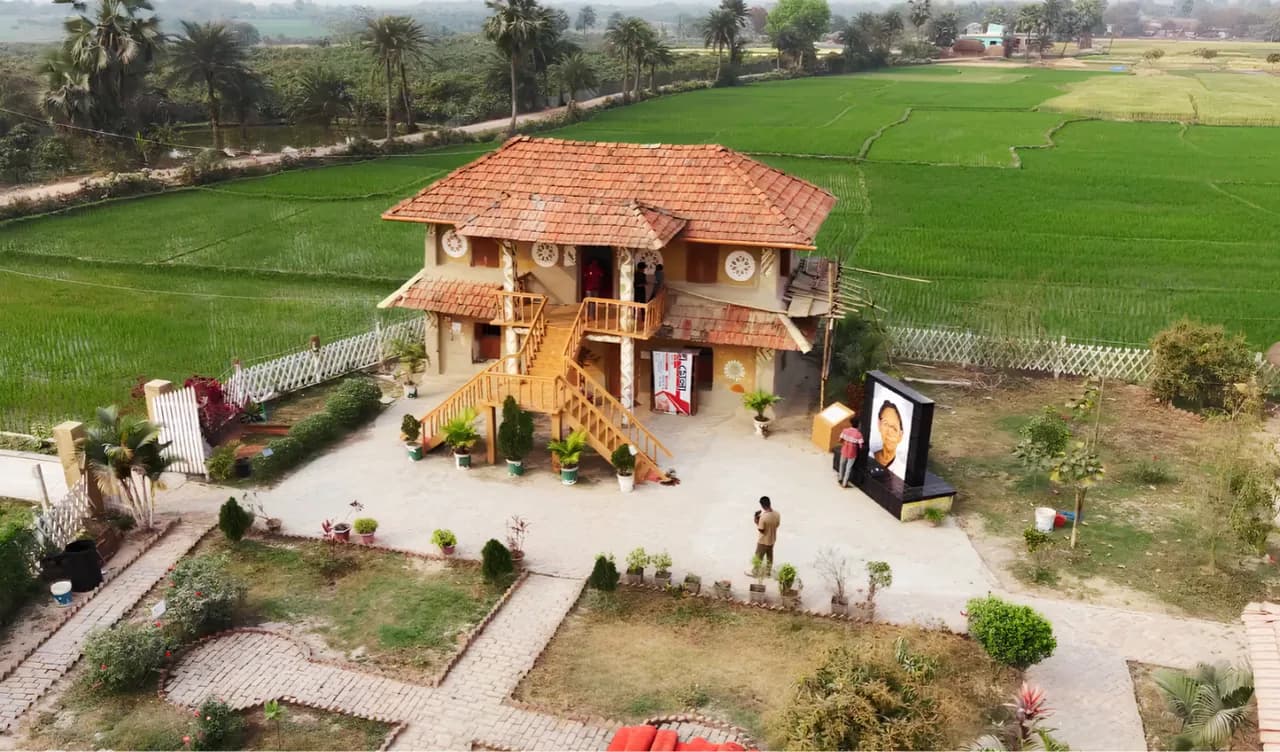
Complete travel guide to Nachole, Chapai Nawabganj. Discover Ali Shahpur Mosque, Tebhaga history, mango orchards, transport options, and verified local stays.
Nachole Upazila is an administrative subdivision located in the eastern portion of Chapai Nawabganj District in northwestern Bangladesh. Situated within the Rajshahi Division, Nachole lies in the high Barind Tract, a geographical region characterized by reddish clay soil, elevated undulating terrain, and extensive agricultural production.
Travelers visit Nachole primarily to explore its historical association with the 1949–1950 Tebhaga peasant movement led by Ila Mitra, examine ancient Sultanate-era architecture, observe the high Barind landscape, and experience seasonal agricultural activity, particularly during the summer mango and fruit harvesting seasons.
Nachole at a Glance
District: Chapai Nawabganj
Division: Rajshahi
Region: Barind Tract (Barendra Bhumi)
Administrative Headquarters: Nachole Town
Administrative Division: 1 Municipality (Nachole Municipality) and 4 Unions (Kasba, Fatehpur, Nizampur, Sonapur)
Neighboring Areas: Gomastapur Upazila to the north, Niyamatpur Upazila (Naogaon District) and Tanore Upazila (Rajshahi District) to the east, Chapai Nawabganj Sadar Upazila to the south, and Gomastapur Upazila to the west
Why Visit Nachole
Nachole offers distinct historical, cultural, and geographical attractions for travelers interested in regional heritage and rural landscapes:
Tebhaga Movement History: Nachole was the main rural stronghold of the historic Tebhaga Movement in 1949–1950, where local Santhal and indigenous farmers organized under peasant leader Ila Mitra to demand a two-thirds share of harvested crops.
Sultanate Architecture: The area houses the 15th-century Ali Shahpur Mosque, an ancient single-domed terracotta structure in Fatehpur Union.
Barind Tract Soil and Environment: Unlike the low-lying alluvial plains of the Ganges basin, Nachole features the red clay terrain characteristic of the high Barind region.
Seasonal Fruit Orchards: Nachole is a major fruit-producing hub within Chapai Nawabganj, featuring extensive orchards of Fazli, Langra, Amrapali, and Ashwina mangoes, alongside guava, dragon fruit, and plum cultivations.
Places to Visit in Nachole
Historical Ali Shahpur Mosque
Located in Ali Shahpur village within Fatehpur Union, approximately 10 to 12 kilometers west of Nachole town, the Ali Shahpur Mosque is an ancient single-domed religious structure dating back to the late Bengal Sultanate period (15th century). Built with traditional thin red bricks (Gauria bricks), the mosque features 3-foot-thick walls, four octagonal corner turrets, brick arches, and traditional terracotta merlon designs on its exterior walls. Local historical records indicate the village and mosque were named after a local holy person, Ali Shah. The structure remains an active house of worship and an example of medieval brick architecture in the Barind region.
Tebhaga Movement Heritage Sites and Kendua Village
Kendua village, located within Nachole Upazila, served as the operational center during the 1949–1950 Tebhaga peasant movement. Visitors can observe community memorials, including the Ila Mitra Smriti Stambha (memorial pillar), dedicated to peasant leader Ila Mitra (known locally as Rani Ma) and the local Santhal and peasant martyrs of the uprising. The site provides tangible context regarding Bengal's mid-20th-century agrarian struggle and indigenous land rights movements.
Nachole Railway Station
Established in 1909 under the British Indian Railway network along the Abdulpur–Old Malda railway line (Amnura–Rohanpur section), Nachole Railway Station is a century-old rural rail transit point. The station continues to operate local passenger and commuter rail services connecting Nachole to Rajshahi, Amnura, and Rohanpur.
Barind Fruit Orchards and Rural Countryside
The agricultural landscape surrounding Nachole town and its four rural unions consists of red soil fields, elevated earthen mounds (tilas), and extensive fruit plantations. During the summer months, orchards across Kasba, Fatehpur, Nizampur, and Sonapur unions produce substantial quantities of commercial mango varieties, while winter and spring bring active harvests of guava, jujube (boroi), and dragon fruit.
History and Heritage
The documented history of Nachole is tied to the socio-economic evolution of the Barind region. During the medieval period, the area fell under the geopolitical sphere of the Bengal Sultanate and Mughal Empire based in nearby Gaur (Lakhnauti). Structures such as the Ali Shahpur Mosque document medieval settlement in the area.
In the mid-20th century, Nachole gained national significance during the Tebhaga Movement. Between December 1949 and January 1950, sharecroppers (adhiars), primarily from the Santhal and indigenous Oraon communities alongside Muslim and Hindu peasants, revolted against local zamindars and jotedars. Led by Communist activist Ila Mitra and her husband Ramendra Mitra, the peasants established liberated zones. The movement faced severe military and police suppression in January 1950, leading to significant loss of life, mass arrests, and the eventual trial of Ila Mitra. Today, local heritage initiatives preserve the historical memory of this agrarian rebellion.
Nature, Agriculture and Mango Landscapes
Nachole sits elevated above the floodplains of the Mahananda and Padma rivers. Its topography consists of hard red clay soil with high iron content, which turns sticky during monsoon rains and bakes hard in the dry season.
Agricultural production in Nachole is defined by both field crops and horticultural plantations:
Paddy Cultivation: High-yield and traditional rice varieties are grown in terraced plots adapted to the hilly Barind terrain.
Mango Orchards: Large commercial mango orchards cover substantial tracts of land, bearing fruit between May and August.
Alternative Fruit Cultivation: In recent years, local farmers have converted significant agricultural land into dragon fruit, guava, and Malta orange orchards.
Local Culture and Food
The local culture of Nachole represents a mix of Bengali agrarian traditions and the heritage of indigenous ethnic groups, including the Santhal and Oraon communities.
Local Produce: Seasonal fruits such as Fazli, Langra, and Amrapali mangoes, along with regional guavas and plums, are widely available at local markets.
Traditional Dishes: Local eateries in Nachole town serve standard northern Bangladeshi regional meals, including rice served with fish from regional water bodies, beef, mutton, duck curry, and various mashed vegetable preparations (bhorta).
Kalai Ruti: Like much of Chapai Nawabganj District, flatbreads made from black gram flour (kalai ruti), served with roasted eggplant mash or chili chutney, are popular evening food items at local bazaars.
Things to Do in Nachole
Visit Medieval Architecture: Tour the single-domed Ali Shahpur Mosque in Fatehpur Union to examine its 15th-century brickwork and terracotta ornamentation.
Explore Peasant History: Visit Kendua village and the Ila Mitra memorial sites to learn about the 1949–1950 Tebhaga Movement.
Observe Seasonal Mango Harvesting: Travel through rural roads in June and July to watch mango harvesting, sorting, and packaging activities.
Explore Local Bazaars: Visit Nachole Bus Stand market and local union bazaars to experience rural trade and sample regional foods such as kalai ruti.
Photography: Capture the red clay roads, elevated Barind landscapes, old brick architecture, and rural agricultural activities.
Hotels and Accommodation
There are no commercial hotels or resorts operating within Nachole Upazila. Lodging inside the sub-district is limited to one government dak bungalow and basic bazaar boarding houses. Most visitors complete day-trips from Chapai Nawabganj Sadar (Town), which is a 30-minute drive southwest via paved roads and offers full business-class amenities.
Recommended Hotels in Nearby Central Hubs (Verified on Google Maps)
Hotel Rose Residential (Chapai Nawabganj Sadar)
Location: Station Road, near the Mahananda Bus Stand in central Chapai Nawabganj Sadar town [INDEX].
Nearby Attractions: Mahananda River banks and central municipal markets.
Best Suited For: Corporate field officers, independent researchers, and families.
Verified Room Categories: Executive AC Deluxe Rooms, Standard AC Twin Rooms, and Non-AC Standard configurations.
Dining Facilities: Active room service serving local meals, freshwater fish curries, and breakfast.
Parking & Security: Monitored vehicle parking compound with 24/7 camera tracking and guard surveillance.
Family Friendliness: Safe, well-maintained commercial building suitable for families.
Why Travelers Choose It: Best cleanliness standards in the district, reliable staff, and standby generator systems.
Nawabganj Boarding (Chapai Nawabganj Sadar)
Location: Hospital Road, inside central Chapai Nawabganj Sadar town.
Nearby Attractions: Central town markets and local administrative complexes.
Best Suited For: Budget-conscious independent travelers, solo sales representatives, and transit commuters.
Verified Room Categories: Standard Non-AC Couple Rooms, Economy Single Rooms, and standard Non-AC Double layouts.
Dining Facilities: Baseline room service with traditional Bangladeshi breakfast and local dining options downstairs.
Parking & Security: Front-area surface parking monitored under standard property observation.
Family Friendliness: Safe and disciplined indoor environment suitable for quick budget overnight stays.
Why Travelers Choose It: Strategic town position, exceptionally affordable nightly tariffs, and helpful front desk staff.
Government Accommodation Inside Nachole Upazila
Nachole Dak Bungalow
Location: Situated within the central Nachole Upazila Parishad administrative compound.
Nearby Attractions: Nachole Upazila Parishad complex and central marketplaces.
Best Suited For: Government officers, NGO representatives, and budget-conscious institutional travelers.
Verified Room Categories: Standard Non-AC Rest Rooms managed under official district administrative jurisdiction.
Access Note: Requires prior official permission or coordination with the district administration for overnight stays.
Dining Facilities: Shared local kitchen where basic meals can be custom-arranged through the resident caretaker.
Parking & Security: Small open-air perimeter courtyard parking inside the gated complex walls.
Why Travelers Choose It: Highly secure, officially protected overnight stay directly inside the town's administrative core at low rates.
Alternative Economy Boarding Options Inside Nachole Upazila
Nachole Local Boarding
Location: Main commercial bazaar road near the Nachole Railway Station tracks.
Nearby Attractions: Central bus stands and local agricultural wholesale markets.
Best Suited For: Ultra-budget independent commuters, seasonal day-traders, and cargo haulers.
Verified Room Categories: Simple non-AC single rooms and basic double layouts.
Dining Facilities: No on-site kitchen; surrounded by marketplace tea stalls and traditional diners.
Parking & Security: Basic street-side access only; lacks gated compounds or private security perimeters.
Family Friendliness: Unsuitable for families or corporate stays due to minimal infrastructure and communal washrooms.
Why Travelers Choose It: Only private commercial economy option operating directly inside the upazila lines for emergency night staging.
How to Choose Where to Stay
Stay in Chapai Nawabganj Sadar if: You want AC, elevators, diverse dining, secure parking, and a reliable power backup (choose Hotel Rose Residential for mid-range comfort or Nawabganj Boarding for absolute budget savings).
Stay in the Nachole Bungalow if: You are on an official administrative or NGO visit and need to be right next to the sub-district offices.
Stay in Nachole Local Boarding if: You only need a bare-minimum bed for the night and are on an absolute bottom-tier budget.
Map Search Tips for Travelers
Properties like Hotel Rose Residential are easily found on digital maps. However, the Nachole Dak Bungalow does not have an independent commercial map marker; travelers must search for Nachole Upazila Parishad on Google Maps to navigate directly to the gated compound. Smaller local boardings inside Nachole have zero online footprint. To find them, navigate to the Main Nachole Bus Terminal or Nachole Railway Station and seek local rickshaw puller guidance on arrival.
Getting to Nachole
By Road from Dhaka
Long-Distance Bus: Direct long-distance buses operate daily from Dhaka (Technical, Kalyanpur, and Gabtoli terminals) to Chapai Nawabganj Sadar and Rohanpur. Travelers can disembark at Chapai Nawabganj Sadar Bus Terminal or at intermediate highway stops near Nachole.
Direct Local Connections: Regular local bus services connect Chapai Nawabganj Sadar Bus Terminal directly to Nachole Bus Stand via the Rajshahi–Chapai Nawabganj highway and regional secondary roads. The drive takes approximately 45 to 60 minutes depending on road conditions.
By Train
Intercity Rail to Chapai Nawabganj or Rajshahi: Intercity services such as the Banalata Express run between Dhaka (Komlapur Railway Station) and Chapai Nawabganj Sadar / Rajshahi.
Local Rail to Nachole: Commuter and local trains (such as the Mahananda Express and Rajshahi Commuter) run on the Amnura–Rohanpur line and stop directly at Nachole Railway Station.
Getting Around Nachole
Auto-Rickshaws and CNGs: Battery-operated auto-rickshaws and CNG (compressed natural gas) three-wheelers are the primary modes of transport connecting Nachole town to union headquarters, local bazaars, and rural villages.
Motorbikes: Local motorcycle taxis (frequently hired at Nachole Bus Stand) offer efficient transport along narrow rural and orchard roads, such as the route to Ali Shahpur village.
Local Buses: Local buses ply main regional roads connecting Nachole to Chapai Nawabganj Sadar, Amnura, Rohanpur, and Niyamatpur.
Best Time to Visit Nachole
Winter (November to February): This is the most comfortable season for historical exploration and village visits. The weather is dry, cool, and clear, with temperatures ranging between 12°C and 25°C.
Summer / Mango Season (May to July): Daytime temperatures can exceed 35°C, but this period coincides with peak mango harvesting across the Barind orchards.
Monsoon (August to September): Rain revitalizes the rural landscape and agricultural fields, though red soil village roads can become muddy and slick.
Suggested Trip Duration
Half-Day Trip (3 to 4 hours): Suitable for travelers staying in Chapai Nawabganj Sadar who wish to visit the Ali Shahpur Mosque, stop by Kendua village, and see the Barind landscape before returning to Sadar or moving on to Shibganj.
Full-Day Trip (6 to 8 hours): Allows adequate time to visit historical sites, explore rural fruit orchards, tour Nachole town, visit local bazaars, and observe regional agricultural activities.
Practical Travel Tips
Book Official Rest Houses Early: If planning to stay overnight inside Nachole, secure booking permits from the Zila Parishad or Upazila administration well in advance.
Carry Cash: Automated teller machines (ATMs) are available primarily in Nachole town; carry sufficient Bangladeshi Taka in cash for local transport, village markets, and dining.
Modest Dress: Dress modestly when visiting historical village areas, rural communities, and active places of worship like Ali Shahpur Mosque.
Sun and Dust Protection: Bring a hat, sunscreen, and water during summer fruit visits, as well as a light dust mask for travel on unpaved rural roads during dry months.
Frequently Asked Questions
Where is Nachole located?
Nachole is an upazila located in the eastern part of Chapai Nawabganj District in the Rajshahi Division of northwestern Bangladesh, set within the high Barind Tract.
What is Nachole historically known for?
Nachole is historically famous as the center of the 1949–1950 Tebhaga peasant movement, led by peasant leader Ila Mitra, where indigenous and local farmers fought for sharecropping rights.
What are the main places to visit in Nachole?
Key places to visit include the 15th-century Ali Shahpur Mosque in Fatehpur Union, the Tebhaga Movement historical sites in Kendua village, Nachole Railway Station, and the surrounding Barind fruit orchards.
Is Nachole known for mango cultivation?
Yes, Nachole is a significant mango and fruit-growing area in Chapai Nawabganj District, producing varieties such as Fazli, Langra, Amrapali, and Ashwina during the summer months.
Are there private commercial hotels inside Nachole?
No, there are currently no private commercial residential hotels operating inside Nachole Upazila. Visitors requiring commercial hotel lodging usually stay in Chapai Nawabganj Sadar town or Rajshahi city.
Where can travelers stay inside Nachole Upazila?
Travelers requiring accommodation inside Nachole can apply to stay at government facilities such as the Nachole Zila Parishod Dak Banglow or the Upazila Parishad Rest House, subject to prior administrative approval.
How can travelers reach Nachole from Chapai Nawabganj Sadar?
Nachole is accessible from Chapai Nawabganj Sadar town by local buses, CNG three-wheelers, and hired cars via regional highways, with a travel time of approximately 45 to 60 minutes.
Is Nachole suitable for a day trip?
Yes, Nachole is well-suited for a day trip from Chapai Nawabganj Sadar or Rajshahi City, allowing visitors to tour attractions and agricultural sites in a single day.
What nearby destinations can be combined with a trip to Nachole?
Travelers can combine a visit to Nachole with attractions in Chapai Nawabganj Sadar, the historic Sultanate monuments of Shibganj (such as Choto Sona Mosque and Tahkhana Complex), or Rohanpur in Gomastapur Upazila.
Conclusion
Nachole Upazila offers visitors a view of Chapai Nawabganj District's agrarian identity, high Barind red clay topography, and peasant movement history. From the medieval brickwork of the Ali Shahpur Mosque to the heritage of the Tebhaga Movement and seasonal fruit harvest, Nachole provides an authentic regional experience. While public accommodation within the upazila is limited to government rest houses, its proximity to Chapai Nawabganj Sadar and Rajshahi makes it an accessible day-trip destination for travelers exploring northwestern Bangladesh.
Until your next adventure.
— Resortian
About the Author
Nasir Khan
Travel Editor
I’m Nasir Khan, sharing travel stories and destinations around Bangladesh. My blog covers places to visit, experiences, and travel inspiration. Explore Bangladesh one journey at a time with me.