

All ArticlesDestination Guide
Narail Sadar Travel Guide: Chitra River Heritage, SM Sultan’s Legacy, and Hotel Guide
N
Nasir Khan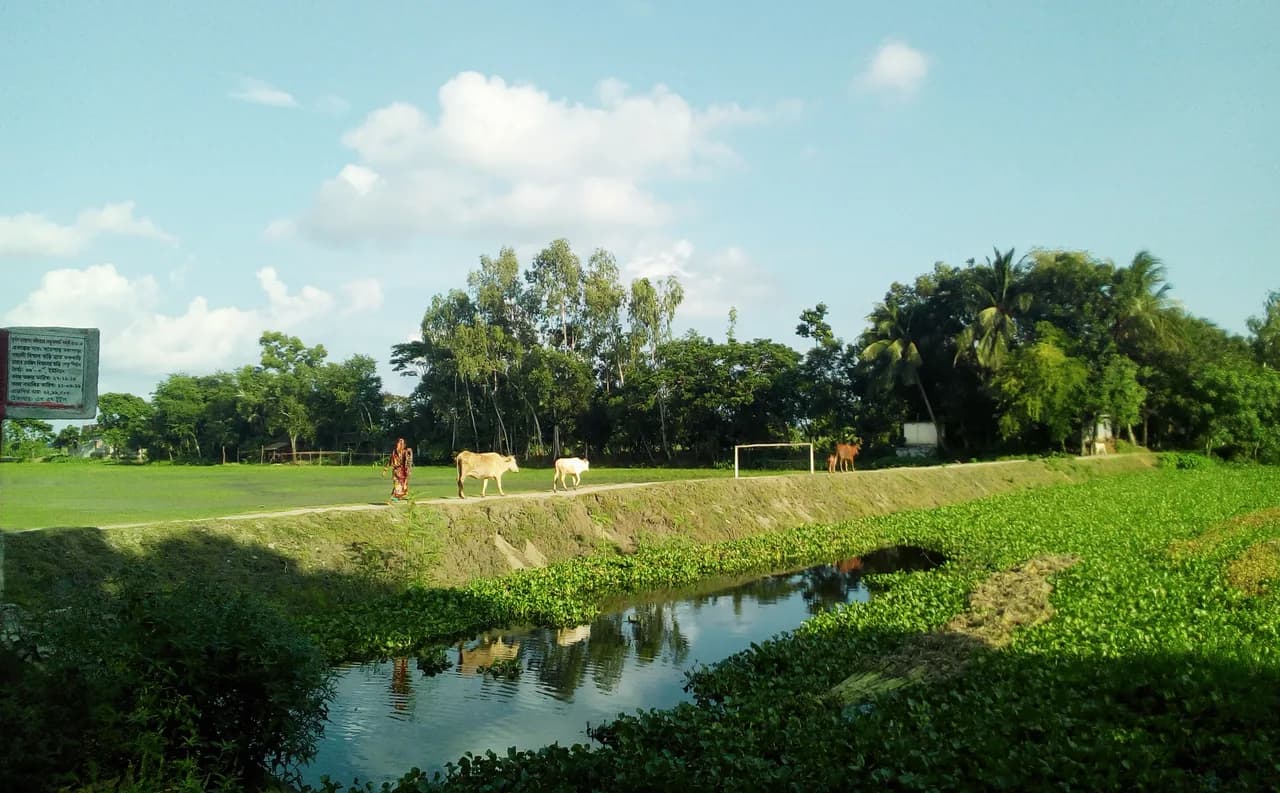
Plan your Travel to Narail Sadar, Narail. Explore top Hotels, eco-resorts, and nearby stays to find comfortable accommodation for your trip. Image credit: by Pritambala1618, via Wikimedia Commons
Narail Sadar Upazila, the administrative and cultural heart of Narail District in southwestern Bangladesh, is a land defined by winding rivers, artistic heritage, and calm rural landscapes. Situated along the banks of the serene Chitra River, Narail Sadar holds a revered position in Bangladeshi art and history as the home of world-renowned avant-garde painter SM Sultan, whose monumental canvases celebrated the strength and resilience of Bengal's agrarian peasantry.
Beyond its artistic renown, Narail Sadar features colonial-era zamindar ghats, liberation war memorials honoring national heroes like Bir Sreshtho Nur Mohammad Sheikh, vibrant riverfront promenades, and traditional folk culture. Whether you are planning a weekend trip in Narail, exploring cultural tourism in Bangladesh, or seeking a peaceful retreat along the riverways, this travel guide provides verified insights into attractions, local cuisine, transport routes, and top accommodation options in Narail Sadar.
Where is Narail Sadar
Narail Sadar Upazila is located in the central part of Narail District within the Khulna Division of southwestern Bangladesh. Positioned approximately 200 kilometers southwest of Dhaka and 35 kilometers east of Jessore, Narail Sadar serves as the principal urban and commercial gateway to the district.
The upazila is bordered by Magura Sadar and Shalikha Upazilas to the north, Lohagara Upazila to the east, Kalia and Abhaynagar Upazilas to the south, and Bagherpara and Jessore Sadar Upazilas to the west across district boundaries. The Chitra River flows directly through the heart of Narail Sadar town, dividing municipal neighborhoods and providing a picturesque riverfront backdrop.
Overview
Covering an area of approximately 381 square kilometers, Narail Sadar comprises Narail Municipality alongside 13 rural union parishads: Maijpara, Hobkhali, Chandrabag, Auria, Shahabad, Kularoa, Bhadrosila, Tularampur, Sheikhhati, Kalora, Bichali, Bhadra, and Singasolpur. The landscape forms part of the Gangetic deltaic plain, characterized by flat alluvial farmland, thick groves of coconut and date palm, seasonal wetlands (beels), and riverine ecosystems.
The upazila functions as the administrative center for district government services, judiciary, healthcare, and secondary education. While agriculture, freshwater fisheries, and local commerce form the foundation of the regional economy, heritage tourism in Bangladesh brings thousands of national visitors, art enthusiasts, and scholars to Narail Sadar each year to explore its art galleries, historic riverside ghats, and eco-resorts.
History and Background
The recorded history of Narail Sadar dates back to the late eighteenth century when local zamindars (landlords) established administrative seats along the Chitra River. Under colonial rule, Narail developed into a prosperous riverine trading post connecting Khulna, Jessore, and Dhaka via inland waterways. The local zamindar family built grand residential palaces, brick temples, and paved river ghats—such as the historic Badhaghat—that still stand along the Chitra Riverbank today.
During the nineteenth and twentieth centuries, Narail Sadar cultivated a reputation as a center for fine arts, music, and literary talent. The region produced distinguished literary figures, including novelist Nihar Ranjan Gupta, and served as the lifelong home of painter SM Sultan (1923–1994). Sultan’s artistic legacy transformed Narail into an international cultural point of reference, inspiring the establishment of fine art colleges, galleries, and annual folk festivals.
During the 1971 Bangladesh Liberation War, Narail Sadar witnessed courageous civilian resistance and military action. Local freedom fighters organized guerilla units across the upazila, while regional heroes like Bir Sreshtho Nur Mohammad Sheikh fought valiantly in frontline defense battles, leaving an enduring patriotic legacy across the district.
Why Visit Narail Sadar
SM Sultan Complex & Art Gallery: Visit the preserved home, tomb, and two-story art gallery of master painter SM Sultan in Machimdia along the Chitra River.
Chitra River Resorts & River Cruises: Stay at riverside eco-resorts, rent traditional wooden motorboats, and enjoy tranquil sunset rides along the Chitra River.
Historic River Architecture: Walk along the grand brick arches and steps of Narail Badhaghat, built by colonial-era zamindars.
Bir Sreshtho Nur Mohammad Sheikh Complex: Pay homage to one of Bangladesh's highest military war heroes at his preserved birth site in Mohammadnagar.
Lively Cultural Traditions: Experience annual folk gatherings like the 7-day Sultan Mela, traditional boat races (Nouka Baich), and the famous February 21 candlelight vigil at Victoria College ground.
Best Time to Visit
The optimal season for exploring Narail tourism and visiting Narail Sadar is during the dry winter months, from November to February. During this period, daytime temperatures range between 14°C and 26°C, offering pleasant, cool weather for walking through outdoor art galleries, riverbank promenades, and rural villages.
Visiting during early autumn (August–September) is also popular among culture enthusiasts, as SM Sultan's birth anniversary in mid-August brings colorful traditional boat racing (Nouka Baich) to the Chitra River. Visiting in mid-February allows travelers to witness the Sultan Mela art fair and the spectacle of 100,000 candles lit for International Mother Language Day.
Weather and Climate
Narail Sadar experiences a humid tropical wet and dry climate:
Winter (November – February): Cool, dry, and sunny with comfortable daytime temperatures and light evening breezes.
Summer (March – May): Hot and humid, with temperatures reaching between 32°C and 37°C. Pre-monsoon thunderstorms (Kalbaishakhi) occur periodically.
Monsoon (June – October): Warm with moderate to heavy rainfall that swells the Chitra and Nabaganga rivers and turns the surrounding countryside lush green.
How to Reach
By Road
Narail Sadar is well connected by paved national and regional highways. Following the opening of the Padma Bridge, road travel time from Dhaka to Narail town has been dramatically reduced to approximately 3.5 to 4.5 hours via the N8 highway through Bhanga and Bhatiapara. Direct intercity bus services (operated by operators including Eagle Paribahan, Hanif Enterprise, AK Travels, and local express lines) depart daily from Dhaka's Sayedabad, Gabtoli, and Kalyanpur terminals.
By Rail
Travelers can access Narail Sadar via train through the newly constructed Padma Bridge Rail Link corridor, connecting Dhaka directly to Narail Railway Station. Intercity train services provide a comfortable rail journey from Dhaka Railway Station (Kamalapur) to Narail in approximately 3 to 3.5 hours. Alternatively, travelers arriving via Jessore Railway Station (35 km west) can complete the remaining journey to Narail Sadar in 45 minutes via highway bus or private taxi.
Local Transportation
Battery-Powered Easy Bikes: The primary and most convenient mode of transport for short trips within Narail municipality, connecting the Bus Stand, Victoria College, Badhaghat, and Machimdia.
CNG Auto-Rickshaws & Motorbike Taxis: Ideal for rapid travel between Narail Sadar town and outlying villages such as Mohammadnagar (11 km) or rural resorts.
Local River Boats: Traditional wooden engine boats are available for hire at Badhaghat and Machimdia for scenic river excursions along the Chitra.
Rivers and Natural Landscape
The natural beauty of Narail Sadar is anchored by the Chitra River, which flows serenely through the town. Tree-lined embankments, aquatic flora, and traditional fishing boats characterize the riverway.
In rural unions, the landscape transitions into quiet wetland basins (beels), bamboo thickets, fruit orchards, and farmland where local fishermen continue traditional freshwater fishing practices.
Cultural Heritage
Culture in Narail Sadar is deeply rooted in visual art, classical music, theater, and folk literature. The upazila has nurtured generations of painters, sculptors, and musicians who draw inspiration from rural life along the Chitra. Traditional folk performances, including Jari Gaan, Kobi Gaan, and Pala Gaan, remain vibrant features of village life and regional cultural festivals.
Historical Landmarks
Narail Badhaghat (Zamindar Bari Ghat)
Located near Government Victoria College on the banks of the Chitra River in Narail town, Badhaghat is a nineteenth-century colonial riverlanding built by the local zamindars. The structure features a wide brick staircase leading directly into the river water, framed by classical brick archways and covered seating pavilions.
Although the main zamindar palace was largely dismantled over time, the preserved Badhaghat, adjacent dighi (pond), and twin courtyard temples offer visitors a glimpse into colonial riverfront architecture.
Museums
SM Sultan Smriti Sangrahashala (Sultan Memorial Museum)
Situated inside the SM Sultan Complex in Machimdia, this two-story red-brick memorial gallery preserves a collection of SM Sultan's original oil paintings, charcoal sketches, personal brushes, easel stands, and historical photographs.
The museum offers visitors an intimate view of the artist's creative journey, displaying his world-famous canvases depicting muscular Bengali peasants working the land.
Religious and Spiritual Sites
Pirojpur Jora Bangla Temple: A historic brick temple complex located near Narail Sadar, noted for traditional terracotta brickwork and devotional carvings.
Narail Sadar Central Jame Mosque: The primary Islamic congregation center located in the municipality, featuring modern domes and minarets.
Bhadrosila Kali Temple: A centuries-old Hindu temple site in rural Narail Sadar where annual religious rituals attract regional devotees.
Local Lifestyle
Life in Narail Sadar moves at a relaxed, welcoming pace centered around the river and community gatherings. In the early morning, fishermen bring fresh catches of carp and catfish to Court Bazar, while afternoon hours see residents gathering for casual conversations at roadside tea stalls along Badhaghat and College Road. Hospitality is warm and genuine, with locals taking pride in sharing stories of SM Sultan and regional war heroes with visitors.
Art, Music and Cultural Traditions
As the artistic capital of southwestern Bangladesh, Narail Sadar houses the SM Sultan Bengal Charukala Mahabidyalay (Fine Arts College), established to foster young painters and sculptors. Local cultural groups regularly perform folk songs along the Chitra River, and community art workshops keep SM Sultan's artistic principles alive among children.
Festivals and Events
Sultan Mela (February): A famous 7-day annual art and cultural fair held at the SM Sultan Complex, featuring art exhibitions, folk craft stalls, wrestling matches (Lathi Khela), and musical concerts.
Candlelight Vigil on Language Martyrs Day (February 21): Every year on the evening of February 21, local residents ignite 100,000 candles across the Government Victoria College grounds, illuminating the entire field with sparkling designs of the Bengali alphabet and Shahid Minar.
Annual Boat Race (August 10): Held on SM Sultan's birth anniversary, colorful longboats compete along the Chitra River amidst cheering crowds lining both banks.
Shopping and Local Markets
Court Bazar & Municipal Market: The main retail centers in Narail town for purchasing daily goods, handloom textiles, and local crafts.
Machimdia Craft Stalls: Local art shops near the Sultan Complex offering hand-painted canvases, clay sculptures, and bamboo handicrafts inspired by SM Sultan's art.
Traditional Food
Freshwater River Fish: Local dining emphasizes fresh catches from the Chitra and Nabaganga rivers, including fried Rui, Katla curry, Tengra chachchari, and smoked Chingri (prawns).
Narail Date Palm Jaggery (Khejur Gur): Available during winter, this rich, aromatic jaggery is used to prepare traditional Bengali sweet pithes and payesh.
Chhana Sweets & Curd: Local sweetshops in Narail town serve fresh Rasagolla, Sandesh, and traditional sweet yogurt prepared from village cow milk.
Family Travel
Narail Sadar is a peaceful and educational destination for family vacations. Children can enjoy boat rides on the Chitra River, explore the spacious lawns and art exhibits at the Sultan Complex, and play in riverside parks, while parents enjoy a relaxing countryside atmosphere.
Couples Travel
Couples seeking a tranquil getaway can enjoy scenic river cruises, romantic walks along the Chitra promenade, and quiet stays at riverside eco-resorts surrounded by lush greenery and calm waters.
Solo Travel
Solo backpackers and photography enthusiasts will find Narail Sadar exceptionally safe, friendly, and easy to navigate. Cheap local transport makes traveling between art galleries, historic sites, and riverbanks effortless.
Budget Travel
Narail Sadar offers outstanding value for budget travelers. Museum entry tickets are low-cost, local easy bikes provide inexpensive transport across town, and comfortable budget hotels in Narail Sadar are available at affordable night rates.
Responsible Tourism
Protect Art & Artifacts: Avoid touching oil paintings and historical artifacts inside the SM Sultan Gallery.
Keep Rivers Clean: Dispose of plastic bottles and food packaging in designated bins to keep the Chitra riverbank clean.
Support Local Artists: Purchase authentic artwork, clay crafts, and regional products directly from local craftsmen in Machimdia.
Safety Tips
Narail Sadar is a safe, friendly upazila with low crime rates. Normal travel awareness applies when exploring late at night.
Carry cash in Bangladeshi Taka for local transport, boat rentals, and market purchases, as digital card readers are limited outside major hotels.
Wear life jackets when hiring small wooden boats for extended river cruises on the Chitra.
Suggested One-Day Itinerary
08:30 AM – 10:00 AM: Arrive in Narail town, check into your hotel, and enjoy a traditional breakfast of warm parathas and sweets near Court Market.
10:30 AM – 12:30 PM: Take an Easy Bike to the SM Sultan Complex in Machimdia. Explore the two-story art gallery, Sultan’s preserved living space, tomb, and the historic "Shishu Swarg" floating boat.
01:00 PM – 02:00 PM: Enjoy a traditional Bengali lunch featuring fresh Chitra River fish curry at a town restaurant.
02:30 PM – 04:30 PM: Visit Narail Badhaghat near Victoria College. Walk down the historic zamindar steps and take photos of the river views.
05:00 PM – 06:30 PM: Hire a wooden motorboat for a relaxed sunset cruise along the Chitra River.
07:00 PM: Return to town for dinner and evening tea along College Road.
Suggested Two-Day Itinerary
Day 1: Art, Architecture & River Life
Morning: Explore the SM Sultan Complex and Fine Arts College in Machimdia.
Afternoon: Lunch in town, followed by a visit to Narail Badhaghat and Government Victoria College grounds.