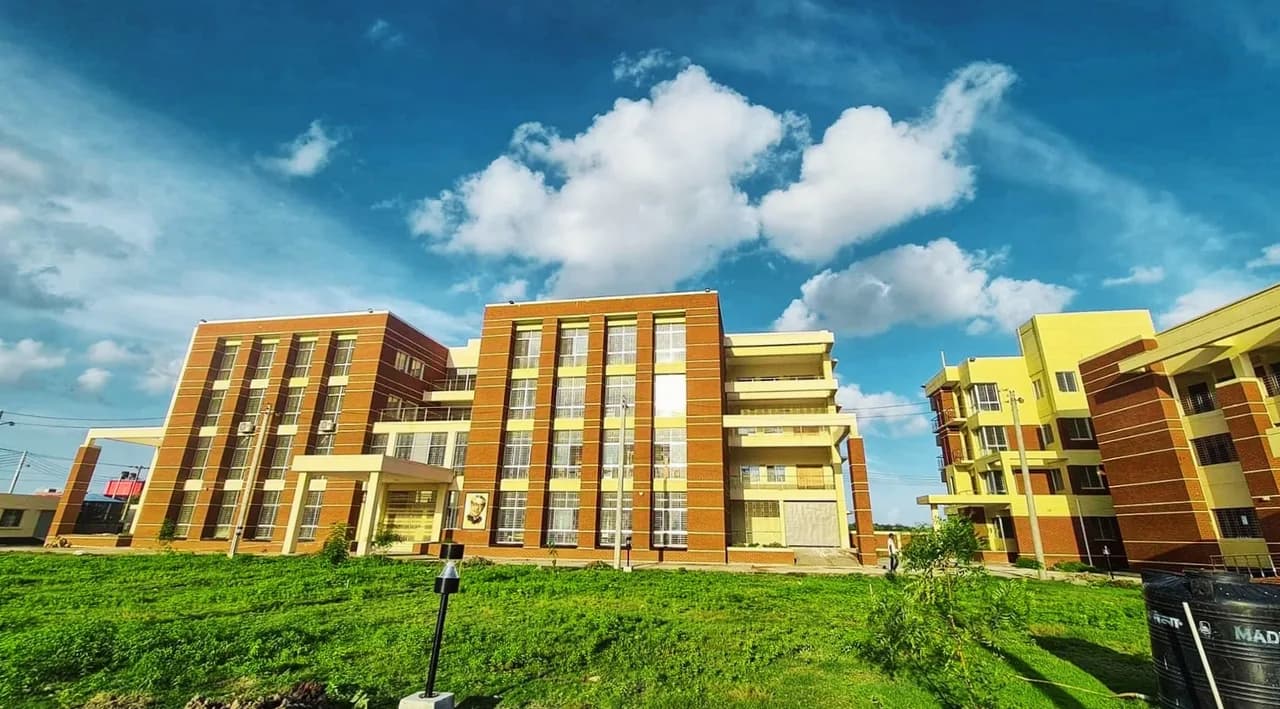
Situated along the tidal channels of the Kabadak and Shibsa rivers in southwestern Bangladesh, Paikgachha Upazila is a noteworthy destination in Khulna District. Serving as a crucial bridge between inland deltaic plains and the mangrove wilderness of the Sundarbans, Paikgachha presents a blend of scientific history, coastal aquaculture, riverine landscapes, and regional trade traditions. It is celebrated as the birthplace of Acharya Sir Prafulla Chandra Roy—the legendary chemist, industrialist, and founder of Bengal Chemicals—and home to the ancient spiritual trading center of Kapilmuni.
For travelers planning a weekend trip in Khulna or exploring cultural tourism in Bangladesh, Paikgachha offers a window into the riverine life of southwestern Bengal. Vast brackish-water shrimp farms (ghers), historic colonial-era mansions, traditional river markets, and mangrove estuaries make this upazila an engaging stop for heritage enthusiasts and nature lovers alike. This complete travel guide provides verified details on tourist attractions, regional history, local transportation, and top-rated accommodation in Paikgachha and neighboring Khulna city.
Where is Paikgachha
Paikgachha Upazila is situated in the southern portion of Khulna District within the Khulna Division of Bangladesh. Geographically located between 22°28' and 22°43' N latitudes and 89°14' and 89°28' E longitudes, the upazila covers an area of approximately 411 square kilometers.
It is bordered by Tala Upazila of Satkhira District and Dumuria Upazila of Khulna to the north, Koyra Upazila (the gateway to the Sundarbans forest) to the south, Batiaghata and Dacope Upazilas to the east, and Tala and Assasuni Upazilas to the west. Positioned roughly 60 kilometers southwest of Khulna city center, Paikgachha is easily accessible by highway and river transport.
Overview
Paikgachha functions as a vital commercial, agricultural, and aquacultural hub for southern Khulna District. Comprising ten union parishads—including Raruli, Kapilmuni, Soladana, Deluti, and Chandkhali—and one municipality, the region is characterized by low-lying alluvial land interwoven with tidal rivers, estuaries, and canals.
Economically, Paikgachha is world-renowned for brackish-water aquaculture, particularly the cultivation of Golda (freshwater giant prawn) and Bagda (black tiger shrimp). For heritage tourism in Bangladesh, the upazila attracts visitors interested in British colonial history, Liberation War battle sites, rural river life, and proximity to the coastal mangrove ecosystem.
History and Background
The history of Paikgachha reflects the historical development of the coastal Sundarbans delta. Originally established as an administrative Thana in 1872 during British rule and upgraded to an upazila in 1983, the region played an active role in socio-economic and political movements across Bengal.
In 1930, responding to Mahatma Gandhi's call during the Salt Satyagraha movement, local leaders and residents in Paikgachha defied British colonial laws by conducting a long march to Katipara near the Kabadak River to manufacture salt from tidal river water.
In the 1971 Liberation War of Bangladesh, Paikgachha was a battlefield. Freedom fighters engaged in key clashes against occupation forces and local collaborators at Boalia and Kapilmuni. Between December 6 and 9, 1971, the historic Battle of Kapilmuni resulted in the fall of the major collaborator fortress at Binod Bhaban, leading to the liberation of the area days before national victory.
Why Visit Paikgachha
Scientific & Architectural Heritage: Visit the ancestral homestead of Sir Prafulla Chandra Roy in Raruli Union along the banks of the Kabadak River.
Kapilmuni Heritage Sites: Explore the historic river trading post, ancient ashram, and Liberation War battle grounds at Kapilmuni.
Aquaculture Vistas: Witness expansive shrimp ghers and reflecting water landscapes in Soladana Union, especially during golden-hour sunsets.
Riverine Delta Ecosystem: Navigate the tidal currents of the Shibsa and Kabadak rivers on traditional wooden motorboats.
Gateway to Southern Khulna: Conveniently access the outer mangrove fringes and Sundarbans forest reserves further south in Koyra.
Best Time to Visit
The ideal period to visit Paikgachha and experience Khulna tourism is during the cool, dry winter season from November to February. Daytime temperatures typically range between 15°C and 27°C, providing comfortable conditions for exploring heritage sites, walking along river embankments, and taking boat tours.
The post-monsoon period (September and October) is also appealing, as the rivers and estuaries are full, surrounding vegetation is lush green, and the air is crisp and clear.
Weather and Climate
Paikgachha experiences a tropical coastal climate influenced by its proximity to the Bay of Bengal:
Winter (November – February): Mild, dry, and sunny with cool breezes blowing off the coastal estuaries.
Summer (March – May): Warm and humid, with temperatures reaching 30°C to 35°C. Pre-monsoon afternoon showers (Kalbaishakhi) occur periodically.
Monsoon (June – October): Heavy rainfall feeds local rivers, wetlands, and shrimp enclosures, transforming the upazila into a vast water realm.
How to Reach
By Road
Direct intercity buses operate daily from Dhaka’s Sayedabad, Gabtoli, and Technical terminals to Khulna via the Padma Bridge (taking approximately 4 to 5 hours). From Khulna’s Sonadanga Bus Terminal, direct regional buses and microbuses run directly to Paikgachha Bus Stand via the Chuknagar-Paikgachha highway (a journey of about 1.5 to 2 hours covering 60 km).
By Rail