

All ArticlesDestination Guide
Sapahar, Naogaon Travel Guide: Attractions, Hotels & Travel Tips
N
Nasir Khan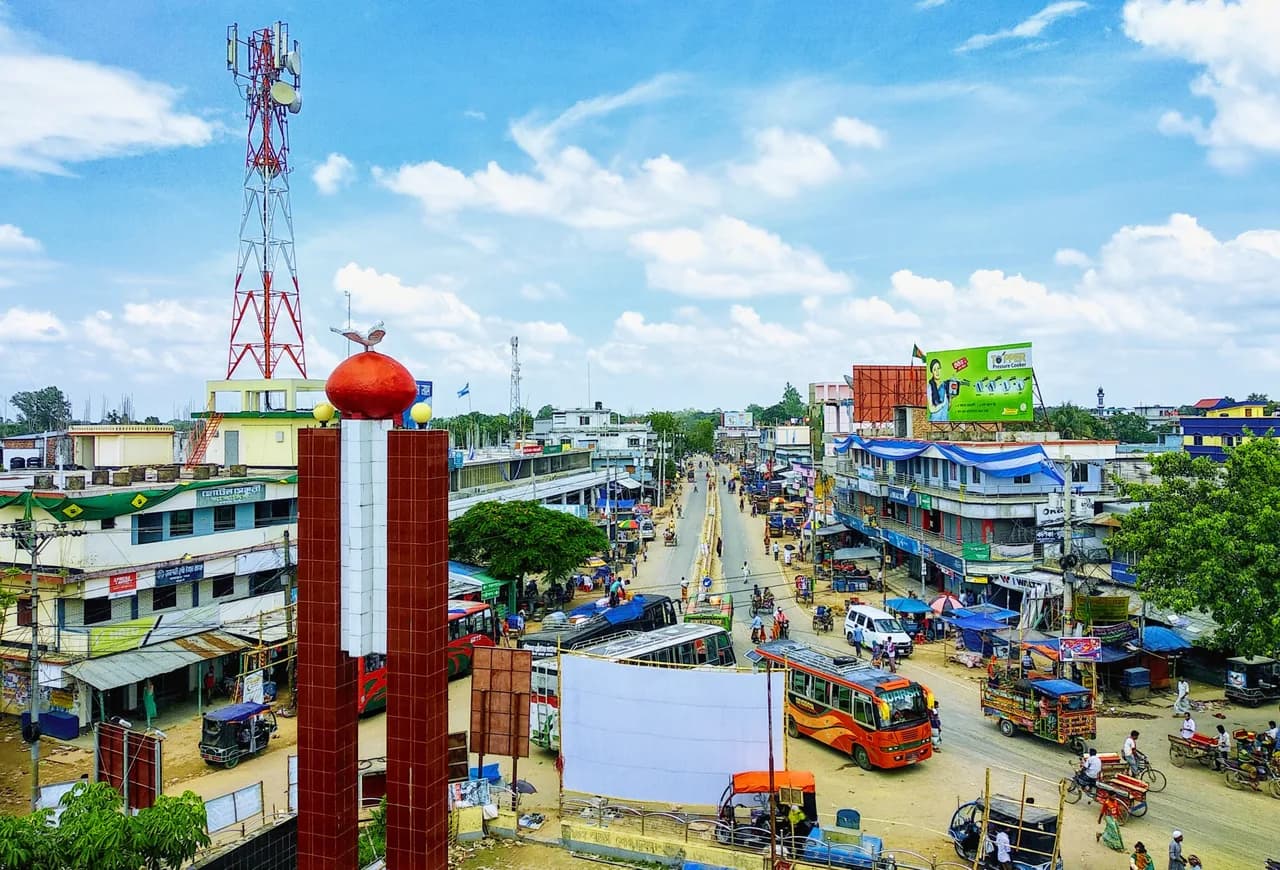
Explore Sapahar in Naogaon, Bangladesh. Discover Jabai Beel, mango orchards, travel tips, and verified hotel options in this complete visitor guide.
Sapahar is an administrative upazila located in the Naogaon District of Rajshahi Division in northwestern Bangladesh. Situated within the Barind Tract, the region is widely recognized across the country for its agricultural productivity, particularly as a major commercial center for mango cultivation.
Beyond its agrarian importance, Sapahar features significant wetland ecosystems, most notably Jabai Beel, which serves as a major habitat for native fish species and migratory waterbirds during the winter months. The upazila provides visitors with a clear view of rural North Bengal life, characterized by vast orchards, open water basins, and historic local trade centers. This guide offers factual information regarding local geography, key attractions, verified lodging options, transport links, and practical travel advice for visitors planning a trip to Sapahar.
Geographic Location and Administrative Context
Sapahar Upazila occupies the northwestern corner of Naogaon District. It is bounded by the international border with India (South Dinajpur district, West Bengal) to the north and west, Porsha Upazila to the south, and Patnitala Upazila to the east.
Administratively, Sapahar Upazila comprises Sapahar Sadar along with six rural unions: Sapahar, Goala, Tilna, Pathari, Shiranti, and Hapania. The physical terrain is part of the elevated Barind Tract, featuring hard red clay soil, undulating agricultural fields, and low-lying natural depressions (beels) that hold water seasonally or year-round. Sapahar Sadar serves as the principal urban hub, hosting local government offices, bus terminals, commercial markets, and healthcare services.
Key Attractions and Places of Interest
Jabai Beel (Jobai Beel)
Jabai Beel is the most prominent natural attraction in Sapahar Upazila, situated primarily across Shiranti and Goala unions. Spanning a vast area of natural wetland, it is one of the largest beel ecosystems in Naogaon District.
Ecological Importance: The wetland acts as a natural fish sanctuary and an essential stopping point for thousands of migratory birds from Siberia and Central Asia between November and February. Common sightings include wild ducks, egrets, herons, cormorants, and kingfishers.
Visitor Access: A raised causeway and embankment road pass through sections of the wetland, allowing visitors to walk or ride along the water's edge. Local non-mechanized and engine-driven boats can be hired at small landings along the bank for trips across the water.
Local Economy: Fishing remains the primary livelihood for surrounding communities, and visitors can observe traditional fishing techniques throughout the early morning and late afternoon hours.
Sapahar Mango Orchards and Agro-Tourism
Sapahar is nationally recognized as one of the top producers of commercial mangoes in Bangladesh. Thousands of hectares of land across the upazila have been converted into dense mango orchards.
Cultivars: The area specializes in high-yield and commercial varieties, including Amrapali, Katimon, Bari-4, Langra, and Fazli.
Harvest Season: Between late May and August, the entire upazila becomes a bustling commercial hub. Large wholesale mango markets operate in Sapahar Sadar, where hundreds of tons of fresh fruit are packed and dispatched nationwide daily. Visiting the orchards during harvest season provides direct insight into commercial fruit farming and regional commerce.
Tilna Historical Site and Local Antiquities
Located in Tilna Union in the eastern part of the upazila, Tilna features remnants of old estate structures, residential quarters, and large water tanks associated with former local zamindars (landholders). While much of the original structural architecture has deteriorated over time, the site remains a point of local historical interest within the rural landscape.
Nearby Excursions: Dibor Dighi and Dibya Pillar
Located just outside the eastern border of Sapahar Upazila, in Dibor Union under neighboring Patnitala Upazila, Dibor Dighi is a historic water tank containing a massive monolithic granite pillar (Dibya Stambha) in its center. Erected during the 11th century under the reign of the Kaivarta king Divya, the site is closely linked to the history of the region and is frequently visited by travelers staying in or passing through Sapahar due to its close geographic proximity.
Local Culture, Tradition, and Economy
The economy of Sapahar is overwhelmingly driven by agriculture. Paddy cultivation dominates the wet season, while fruit farming—specifically mangoes and guavas—dominates the drier elevated lands. Inland fisheries from Jabai Beel also form a critical component of local livelihoods.
Local culture centers around rural village life and periodic markets known as "hats." Sapahar Hat is a primary trading day where farmers, traders, and artisans gather from surrounding villages to trade produce, livestock, and household goods. Folk music traditions and rural seasonal festivals coincide largely with the agricultural calendar, particularly the rice and mango harvest periods.
Local Cuisine and Food Highlights
Dining in Sapahar revolves around regional North Bengal culinary traditions. Specialized local food highlights include:
Freshwater Fish: Dishes prepared with freshly caught fish from Jabai Beel, including rui, katla, boal, tengra, and various small indigenous fish species (choto mach), served with steamed rice at local eateries in Sapahar Sadar.
Seasonal Mangoes: During the summer months, fresh mangoes are consumed directly or processed locally into dried preserves and pickles.
North Bengal Beef and Mutton Curries: Slow-cooked meat dishes prepared with local spices, available at traditional rice hotels (bhater hotel) surrounding the central bus stand area.
Hotels and Accommodation in Sapahar
Hotels and Accommodation
If you are coordinating travel plans for Sapahar, Naogaon, it is essential to understand the local geography and unique economic profile before arriving. Located in the extreme northwestern frontier of the Rajshahi Division along the international border with India, Sapahar Upazila functions as a major agro-economic engine. It is famously celebrated across the country as the Mango Capital of Bangladesh, boasting vast rolling orchard plains that produce premium seasonal mangoes on a massive commercial scale. It is also highly regarded by eco-travelers for hosting the magnificent Jabai Beel, a sprawling freshwater wetland sanctuary famed for migratory bird populations, scenic boating trails, and local fish landing ports.
Because Sapahar operates primarily as an active seasonal trading hub and a frontier eco-tourism track rather than a heavy industrial metropolis, it does not host multi-story luxury chain hotels or high-end resorts. However, because the upazila headquarters functions as a busy trading center, it maintains private commercial residential boardings, functional local hotels, and official government administrative rest structures. These options provide practical utility grids, basic vehicle staging parameters, and clean environments for independent traders, crop consultants, and nature tourists. Every physically available local property operating within the upazila borders has been verified and organized below across its relevant tier.
Recommended Private Commercial Hotels Inside Sapahar Upazila
Hotel Garden Inn (Sapahar Town Core)
Location: Conveniently positioned right inside a multi-story commercial layout along the primary market road corridor near the central sub-district administrative lines inside Sapahar town boundaries.
Nearby Attractions: Central Sapahar mango wholesale markets, local retail bazaars, public transport counters, and neighboring corporate banking desks.
Best Suited For: Mango traders, agricultural consulting agents, solo sales representatives, independent regional researchers, and independent transit travelers.
Verified Room Categories: Standard Air-Conditioned (AC) Double Rooms, Deluxe Non-AC Double Bed configurations, and budget-friendly Single spaces.
Dining Facilities: Provides prompt baseline room service for localized Bangladeshi breakfasts and set menus, with immediate walkability to traditional marketplace tea stalls, breakfast counters, and sweet shops downstairs.
Parking & Security: Basic front surface parking alternatives available for resident guests under continuous property management observation.
Family Friendliness: Safe and adequate for brief family overnight transits, offering clean attached washrooms, secure corridor entry points, and helpful staff behavior.
Why Travelers Choose It: Highly favored by travelers because of its accessible town-center location, ease of navigation, friendly front desk assistance, and exceptionally affordable nightly tariffs.
Hotel Rose Garden (Residential)
Location: Positioned right along the key municipal highway transit routes within the core commercial trading loops of central Sapahar town.
Nearby Attractions: Main town shopping streets, local transport stands, inter-district vehicle counter tracks, and nearby approach loops leading to Jabai Beel.
Best Suited For: Independent travelers, short-stay commuters, budget-conscious crop traders, and solo passengers needing fast road connectivity.
Verified Room Categories: Economy Non-AC Double Rooms, Standard Couple Rooms, and basic Non-AC Single configurations built for absolute utility.
Dining Facilities: Sits directly surrounded by popular traditional town diners and fish markets downstairs, offering immediate access to local subcontinental meals and fresh haor fish delicacies.
Parking & Security: Limited street-side or front-area parking options monitored directly by the complex operators.
Family Friendliness: Straightforward, clean, and disciplined commercial hotel layout suitable for quick family overnight rest stops or brief transits.
Why Travelers Choose It: Selected explicitly for its strategic positioning at the town's transport core, exceptionally competitive low-cost pricing structures, and hassle-free transit access.
Recommended Private Commercial Hotels in Nearby Central Hubs
Hotel Plaza (Naogaon Sadar Core)
Location: Conveniently positioned right inside a modern multi-story layout along the primary commercial avenue near the central municipal hub of Naogaon Sadar town, a direct drive southeast of Sapahar.
Nearby Attractions: Central Naogaon marketplaces, municipal park zones, local administrative complexes, and direct transport lanes connecting out to regional highway junctions.
Best Suited For: Premium travelers, high-level corporate officials, international delegates, and family vacationers wanting a top-tier modern city base near Sapahar.
Verified Room Categories: Executive AC Deluxe Rooms, Standard AC Twin Sharing Units, and budget-friendly Non-AC Standard spaces.
Dining Facilities: Features an active on-site dining space preparing traditional local platters, fresh freshwater fish curries, and standard subcontinental breakfast setups.
Parking & Security: Monitored vehicle parking space managed safely inside the property perimeters under continuous staff observation and active guard surveillance.
Family Friendliness: Highly rated as a clean, well-maintained commercial building in town, making it exceptionally safe and comfortable for family units.
Why Travelers Choose It: It stands as a prominent private commercial hotel choice in the entire district center, praised for its excellent cleanliness standards, helpful staff behavior, and highly reliable standby power generator systems.
Government Accommodation Inside Sapahar Upazila
Sapahar Dak Bungalow
Location: Situated right within the central administrative compound near the main Upazila Parishad offices inside Sapahar Upazila boundaries.
Nearby Attractions: Sapahar Upazila Parishad complex, central administrative municipal circles, Jabai Beel approach tracks, and local commodity retail blocks.
Best Suited For: Government officers, NGO field representatives, fisheries and agricultural research scholars, and budget-conscious institutional travelers directly inside the upazila lines.
Verified Room Categories: Standard Non-AC Rest Rooms operated under the official district Zila Parishad administration.
Dining Facilities: Access to a shared local kitchen where simple, home-style Bengali meals can be custom-arranged on demand by coordinating directly with the resident caretaker.
Parking & Security: Small open-air perimeter courtyard parking spaces available inside the gated complex walls under institutional security parameters.
Family Friendliness: Intended for basic utility-driven lodging; safe and quiet, but completely lacks commercial family recreation, child-centric play setups, or hotel room service.
Why Travelers Choose It: Managed directly under official district oversight, it is uniquely chosen by field teams because it provides a reliable, secure, and highly economical overnight stay directly inside the transit and administrative core of the upazila at nominal rates.
Alternative Economy Boarding Options Inside Sapahar Upazila
Sapahar Local Boarding
Location: Located within the crowded local bazaar grids near the main town center, fruit trading lanes, and public transport stands of Sapahar.
Nearby Attractions: Wholesale mango trading complexes, bus terminal counters, and central commodity retail markets.
Best Suited For: Ultra-budget independent commuters, seasonal day-traders, local market crop haulers, and strict budget-first transit travelers.
Verified Room Categories: Simple non-AC single rooms and basic double layout configurations built for basic utility.
Dining Facilities: Lacks an active on-site kitchen or dining hall, but sits directly surrounded by traditional marketplace tea stalls, breakfast counters, and local diners.
Parking & Security: Basic street-side front access only; completely lacks dedicated gated vehicle compounds or private security perimeters.
Family Friendliness: Entirely inappropriate for family or corporate stays. It operates with minimal local infrastructure, presents persistent cleanliness issues, uses basic communal washrooms, and completely lacks standby generator networks.
Why Travelers Choose It: It represents the primary private commercial economy boarding option physically operating within the immediate upazila bazaar lines. It is chosen strictly for emergency night staging or by low-cost traders who only need a nominal place to rest.
How to Choose Where to Stay
When planning an overnight visit to Sapahar, your final choice depends heavily on your comfort requirements, budget limits, and specific travel goals.
Stay in a Local Commercial Hotel (like Hotel Garden Inn or Rose Garden) if: You want to base yourself directly inside the upazila borders near the central trading corridors. These properties provide clean, functional town frontage, proper room security parameters, and functional climates suitable for independent crop field officers, seasonal fruit traders, independent regional researchers, or eco-tourists exploring Jabai Beel early in the morning.
Stay in Naogaon Sadar (City Core) if: You require modern top-tier business amenities like central air conditioning, fast elevator access, multiple specialized dining choices, secure private parking complexes, and robust 24-hour backup generator setups. This option is ideal for travelers who prefer maximum city comfort at night and do not mind a short drive to Sapahar by day.
Stay in the Sapahar Bungalow if: You are visiting on official administrative business, working with regional development NGOs, or performing authorized institutional research directly within the upazila compound. This setup offers extreme proximity to the upazila core and excellent gated safety at highly affordable rates, but requires you to forgo commercial hotel room service.
Stay in Sapahar Local Boarding if: Your primary priority is maintaining an absolute bottom-tier ultra-budget framework. These central bazaar layouts serve as simple emergency night staging loops for independent day-traders or solo commuters who only require a nominal, baseline mattress space to stay overnight near the main transport lanes.
Map Search Tips for Travelers
When using digital map directories in Sapahar Upazila, keep in mind that while prominent local commercial hotels like Hotel Garden Inn have visible digital footprints, smaller residential properties and various lower-tier local boardings often maintain a limited online presence and may not appear accurately on standard apps. If you are trying to locate these economy options on the ground, your best strategy is to navigate directly toward major transport landmarks like the Main Sapahar Bus Terminal or the Central Bazaar core. Local rickshaw pullers and traders near these transit hubs can easily point you toward the correct entrances.
How to Reach Sapahar
By Road (Intercity Bus)
Direct intercity buses run daily from Dhaka to Sapahar.
From Dhaka: Buses depart from Gabtoli, Kalyanpur, and Shyamoli bus terminals. Key operators on this route include Hanif Enterprise, SR Travels, and local express lines. The route typically travels via the Nator-Rajshahi or Bogra-Naogaon highways before turning north toward Sapahar.
From Naogaon Sadar: Local and regional express buses run continuously throughout the day from Naogaon Baludanga Bus Terminal directly to Sapahar Bus Stand via Patnitala or Dhamoirhat.
By Train
Sapahar does not have a direct railway line. However, travelers can use rail transport to nearby railway stations and complete the journey by road:
Santahar Railway Junction: Located approximately 70 km southeast of Sapahar. Santahar is a major junction connected to Dhaka, Chittagong, Sylhet, and Khulna via intercity trains (such as the Lalmoni Express, Kurigram Express, and Nilsagar Express). From Santahar, travelers can catch a local bus or private hire vehicle through Naogaon town to Sapahar.
Joypurhat Railway Station: Located roughly 55 km east of Sapahar, providing an alternative rail access point.
Local Transportation in Sapahar
Getting around Sapahar Upazila relies on regional road vehicles:
CNG Auto-Rickshaws & Battery Easy-Bikes: The primary transportation for traveling within Sapahar Sadar town and to nearby destinations such as Jabai Beel. These can be hired privately or taken on a shared-seat basis.
Motorcycle Taxis: Commonly used to reach inner rural villages, agricultural fields, and remote mango orchards where roads are narrow.
Shared Local Buses: Provide inexpensive transport along main highways connecting Sapahar with Porsha, Patnitala, and Dhamoirhat upazilas.
Best Time to Visit
Winter Season (November to February): This is the ideal period for visiting Jabai Beel. Temperatures are mild (ranging between 12°C and 25°C), weather conditions are dry, and migratory bird populations peak across the wetlands.
Summer / Mango Season (May to July): Recommended for agro-tourism and fruit enthusiasts. During these months, the orchards are full of ripe fruit, and the wholesale fruit markets operate at full capacity. Visitors should be prepared for warm, humid weather and seasonal monsoon rainfall.
Recommended Itinerary and Travel Duration
A 1-day to 2-day trip is sufficient to cover the main highlights of Sapahar Upazila.
Sample 2-Day Itinerary
Day 1:
Arrive in Sapahar Sadar by morning or early afternoon; check into local accommodation.
Travel by local auto-rickshaw to Jabai Beel in the afternoon.
Rent a local boat for a water tour, observe winter migratory birds, and view the sunset along the Jabai Beel causeway.
Return to Sapahar Sadar for dinner at a local rice hotel featuring fresh fish from the beel.
Day 2:
Morning visit to local mango orchards (seasonal) or a walk through the Sapahar Sadar central market.
Excursion to the historic Dibor Dighi and Dibya Pillar in neighboring Patnitala Upazila (approx. 30–40 minutes from Sapahar town).
Return to Sapahar Bus Stand for departure to Naogaon, Rajshahi, or Dhaka.
Practical Travel Tips
Financial Services and Cash: Carry sufficient cash in Bangladeshi Taka (BDT). While basic ATM services exist in Sapahar Sadar town, electronic card payments are generally not accepted in small rural markets, local eateries, or transport stands.
Respect Wetland Wildlife: When visiting Jabai Beel during bird-watching season, avoid making loud noises, operating loud speakers, or throwing trash into the water, as this disturbs nesting migratory birds.
Dress and Local Customs: Sapahar is a traditional agrarian region. Travelers are advised to wear modest, comfortable clothing suitable for countryside walks and unpaved terrain.
Mosquito Protection: Due to extensive wetland areas and agricultural fields, mosquitoes are common during the evening. Carrying insect repellent is recommended.
Frequently Asked Questions
Is Sapahar safe for visitors and solo travelers?
Yes, Sapahar is a peaceful rural area with low crime rates. Local residents are generally welcoming to travelers. Standard personal safety practices apply.
What is the best time of day to visit Jabai Beel?
Early morning (6:30 AM to 9:00 AM) and late afternoon (4:00 PM to 6:00 PM) offer the best lighting and maximum bird activity, as well as scenic sunset views along the causeway.
Are luxury hotels or resorts available in Sapahar?
No, lodging in Sapahar is strictly basic budget accommodation consisting of simple residential hotels and government rest facilities.
Can tourists buy mangoes directly from local orchards?
Yes, during the harvest season (May to July), orchard owners and local market vendors in Sapahar Sadar sell fresh mangoes directly to visitors at market rates.
Conclusion
Sapahar Upazila offers an authentic look into the agricultural heartland and natural wetland environments of Naogaon District. From the expansive waters and migratory bird habitats of Jabai Beel to the vast commercial mango orchards that define its countryside, the area provides a straightforward, quiet travel experience for nature enthusiasts, researchers, and regional travelers. By utilizing local transport networks and planning stays around verified local facilities, visitors can explore this northern region of Bangladesh efficiently.
Until your next adventure.
— Resortian
▶Watch Video
About the Author
Nasir Khan
Travel Editor
I’m Nasir Khan, sharing travel stories and destinations around Bangladesh. My blog covers places to visit, experiences, and travel inspiration. Explore Bangladesh one journey at a time with me.