

All ArticlesDestination Guide
Satkhira Sadar Travel Guide: Gateway to Heritage, Waterways, and the Sundarbans Coast
N
Nasir Khan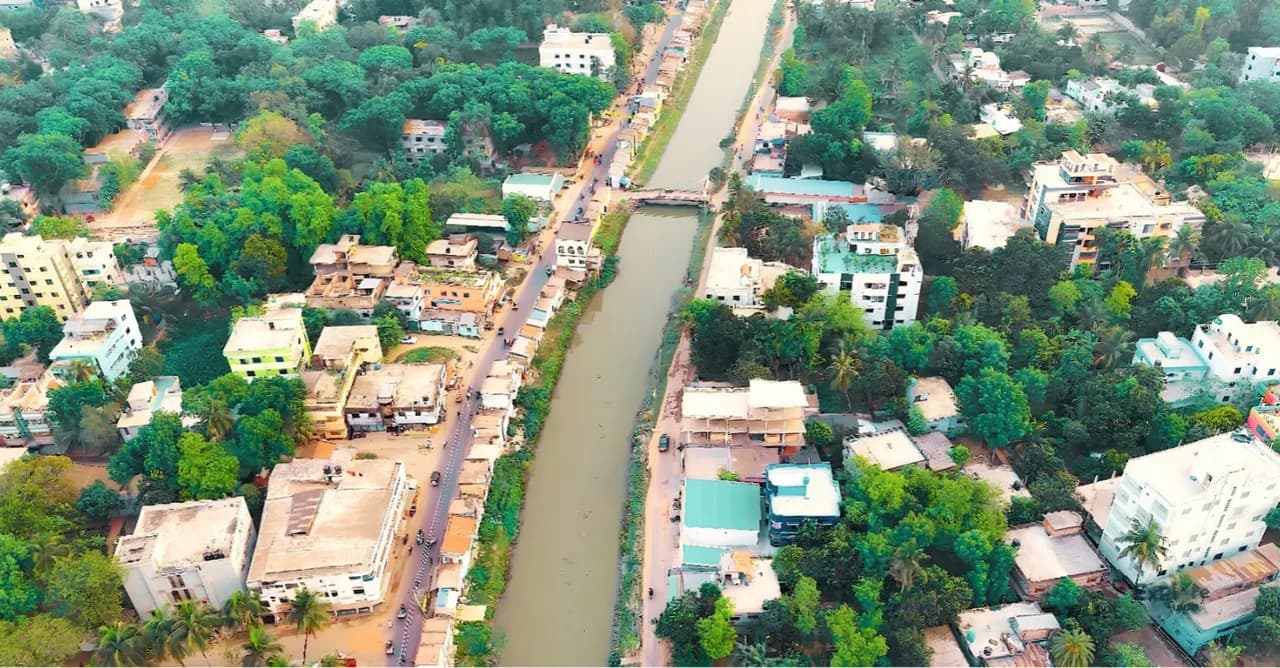
Discover comfortable hotels and accommodation in Satkhira Sadar, Satkhira. Plan your trip with our guide to local resorts, guest houses, and central stays. Image credit: Explore With Manna
Satkhira Sadar Upazila, the administrative, commercial, and cultural nucleus of Satkhira District, is one of southwestern Bangladesh’s most dynamic yet serene travel destinations. Located along the fertile Gangetic delta where freshwater river channels meet coastal brackish wetlands, Satkhira Sadar serves as both an intriguing historical hub and the primary northern gateway to the world-famous Sundarbans mangrove forest. From the historic 500-year-old Sultanpur Shahi Mosque and the quiet estate ruins of colonial zamindars to the lush 100-acre grounds of Mozaffar Garden and Resort, Satkhira Sadar offers travelers a rich blend of history, nature, and coastal hospitality. Whether you are planning a weekend trip in Satkhira, exploring heritage tourism in Bangladesh, or setting out toward the coastal estuaries, this comprehensive travel guide details the top sights, regional cuisine, transport routes, and verified accommodation in Satkhira.
Where is Satkhira Sadar
Satkhira Sadar Upazila is located in the central part of Satkhira District within the Khulna Division of southwestern Bangladesh. Positioned approximately 275 kilometers southwest of Dhaka and 60 kilometers west of Khulna city, Satkhira Sadar lies close to the international border with India.
The upazila is bordered by Kalaroa Upazila to the north, Debhata and Assasuni Upazilas to the south, Tala Upazila to the east, and North 24 Parganas district of West Bengal, India, to the west across the Ichamati River. Bhomra, situated within Satkhira Sadar, hosts one of Bangladesh’s vital international land ports, connecting the two nations via road transit.
Overview
Spanning an area of roughly 400 square kilometers, Satkhira Sadar Bangladesh encompasses Satkhira Municipality alongside 14 rural union parishads: Banshdaha, Jhau-danga, Buki-moni, Agardari, Labsa, Balli, Ghona, Shibpur, Alipur, Brahmarajpur, Dhulihar, Fingri, Kukrali, and Bhomra. The landscape is defined by flat deltaic plains, serpentine river networks, expansive freshwater aquaculture ponds, and brackish gher enclosures famous for shrimp cultivation.
As the district headquarters, Satkhira Sadar features central government offices, healthcare centers, educational institutions, vibrant shopping bazaars, and regional transport terminals. While agriculture and shrimp farming drive the local economy, expanding cultural tourism in Bangladesh attracts thousands of visitors annually who come to explore Satkhira Sadar attractions, historic religious sites, and nearby mangrove ecosystems.
History and Background
The recorded history of Satkhira Sadar is deeply tied to the historical region of Jessore and the ancient kingdom of Pratapaditya, one of the famous Baro-Bhuyan rulers of Bengal in the sixteenth century. Before colonial restructuring, the area was known as Pergana Haveli. Under British rule in 1852, Satkhira was designated a sub-divisional administrative center under Jessore District, eventually becoming an independent district in 1984.
Throughout the nineteenth and twentieth centuries, local zamindars constructed grand brick residences, temples, and administrative buildings in areas like Labsa and Puranton Satkhira (Old Satkhira). During the 1971 Bangladesh Liberation War, Satkhira Sadar witnessed crucial freedom fighting encounters, particularly along border transit corridors at Bhomra and Baikari. Today, preserved monuments and mass grave sites honor the sacrifices of local freedom fighters.
Why Visit Satkhira Sadar
Diverse Historical Architecture: Discover ancient Islamic heritage at the 500-year-old Sultanpur Shahi Mosque and colonial zamindar estate ruins in Labsa.
Family Parks & Eco-Resorts: Enjoy expansive leisure grounds, lake boating, and Bangladesh’s largest private zoo at Mozaffar Garden and Resort in Jayantiipur.
Sundarbans Gateway: Base yourself comfortably in town before making day trips down to coastal mangrove sanctuaries like Kalagachia and Munshiganj.
International Border Tourism: Visit Bhomra Land Port to observe cross-border trade activity along the international frontier.
Culinary Delights: Savor world-class golda and bagda shrimp curries, fresh estuarine fish, and authentic local milk sweetmeats like Satkhira Sandesh.
Best Time to Visit
The ideal season for exploring tourist attractions in Satkhira is during the dry winter months, from November to February. During this period, daytime temperatures range between 15°C and 26°C, offering cool, comfortable weather for outdoor sightseeing, park walks, and river boat rides. Winter is also the prime season for birdwatching in rural wetlands and taking boat excursions into the nearby Sundarbans.
Visiting during late autumn (October) or early spring (March) is also pleasant, with clear skies and moderate breezes. Monsoon season (June to September) brings heavy rainfall that rejuvenates the rivers and turns the countryside vivid green, though high humidity and occasional waterlogging can affect rural road travel.
Weather and Climate
Satkhira Sadar experiences a tropical monsoon climate influenced by its coastal proximity:
Winter (November – February): Mild, dry, and pleasant with clear skies and low humidity.
Summer (March – May): Warm and humid, with daytime temperatures rising between 32°C and 36°C. Afternoon pre-monsoon thunderstorms occur periodically.
Monsoon (June – October): Heavy rainfall, high humidity, and rising water levels across local rivers and beels. Average annual rainfall exceeds 1,600 millimeters.
How to Reach
By Road
Satkhira Sadar is connected to Dhaka and major divisional cities via national highways. Following the opening of the Padma Bridge, road travel time from Dhaka to Satkhira town has been reduced to approximately 5 to 6 hours via the Padma Bridge-Navaron-Satkhira highway corridor or the Padma Bridge-Khulna-Satkhira route. Direct intercity bus services (operated by operators including Green Line, Hanif Enterprise, Eagle Paribahan, Shohag Paribahan, and AK Travels) depart daily from Dhaka's Gabtoli, Kalyanpur, and Sayedabad terminals directly to Satkhira Sadar bus terminal.
By Rail
While Satkhira Sadar Upazila does not currently have a direct railway station inside the town, travelers can take intercity trains from Dhaka to Jessore Railway Station (60 km north) or Khulna Railway Station (60 km east). From either station, frequent regional bus services and private taxis connect to Satkhira Sadar in about 1.5 hours.
Local Transportation
Battery-Powered Easy Bikes: The primary and most convenient mode of transport within Satkhira municipality, connecting the central bus stand, markets, hospital area, and nearby neighborhoods.
CNG Auto-Rickshaws & Motorbike Taxis: Ideal for rapid travel between Satkhira Sadar town center and rural union sites such as Jayantiipur, Labsa, or Bhomra Land Port.
Local Buses: Inexpensive regional buses run frequently along primary highway routes connecting Satkhira Sadar with Kalaroa, Tala, Debhata, and Shyamnagar.
Rivers and Natural Landscape
The physical landscape of Satkhira Sadar is sculpted by several historic rivers and waterways, including the Ichamati River, Betna River, and Kholpetua River. These rivers supply water to thousands of agricultural fields and aquaculture ghers across the upazila.
In rural unions, expansive freshwater ponds and brackish water bodies mirror the sky, framed by coconut palms, date palms, and mangrove-fringe flora. The landscape offers scenic rural views, especially during sunrise and sunset over the water channels.
Cultural Heritage
Satkhira heritage reflects a rich fusion of coastal Bengali traditions, agrarian folk customs, and interfaith community life. The region has a centuries-old tradition of folk music, including Baul songs, Gazir Gaan, and rural theater (Jatra). Local artisans maintain traditional crafts such as Nakshi Kantha embroidery, bamboo basketry, and clay pottery.
Historical Landmarks
Historical landmarks in Satkhira Sadar highlight both medieval Islamic heritage and colonial-era landlord estates:
Sultanpur Shahi Mosque: A 500-year-old historic mosque located in Sultanpur village, recognized for its traditional brick arches and deep-rooted community history.
Labsa Zamindar Bari: The historic estate grounds of colonial-era zamindars in Labsa Union, featuring weathered brick arches, ancient ponds, and structural ruins reflecting nineteenth-century landlord architecture.
Museums
While Satkhira Sadar Upazila does not currently feature a dedicated indoor municipal museum, historical artifacts, Liberation War archives, and regional cultural displays are exhibited at official public galleries and during annual cultural fairs at Shahid Abdur Razzaq Park in the town center.
Religious and Spiritual Sites
Satkhira Mayer Bari Mandir: An ancient Hindu temple complex located in Puranton Satkhira (Old Satkhira) that holds historic devotional importance for regional worshippers.
Sultanpur Shahi Mosque: Historic mosque serving as a centerpiece for local spiritual gatherings.
Pranab Math (Labsa): A tranquil ashram and spiritual retreat located in Labsa, known for its quiet, garden-lined setting.
Local Lifestyle
Life in Satkhira Sadar revolves around agriculture, aquaculture, and lively market commerce. In early mornings, local fishermen and shrimp farmers gather at town markets like Sultanpur Bazar and Court Market to trade fresh catches. In the late afternoon, residents gather at tea stalls and riverside walkways along the town canals. Local hospitality is warm and inviting, with residents welcoming visitors to learn about regional culture.
Art, Music and Cultural Traditions
Folk arts remain vibrant across Satkhira Sadar. Traditional Gazir Gaan—folk storytelling songs depicting victory over wild animals and coastal hardships—are performed during rural fairs. Local cultural academies host regular music and dance programs, keeping traditional Bengali performing arts alive among the younger generation.
Festivals and Events
Pahela Baishakh (Bengali New Year): Celebrated with colorful rallies, traditional Baisakhi fairs, folk performances, and local sweet tasting across Satkhira town and Shahid Abdur Razzaq Park.
Independence Day & Victory Day: Patriotic observances featuring parades, cultural exhibitions, and memorial services at the Satkhira Kendriya Shaheed Minar.
Annual Rash Mela & Durga Puja: Major religious and cultural festivals celebrated with vibrant lighting, fairgrounds, and community feasting.
Shopping and Local Markets
Sultanpur Bazar & Court Market: The primary commercial hubs in Satkhira town for purchasing daily goods, handloom garments, and regional foods.
Fresh Produce & Sweet Shops: Popular spots to buy authentic Satkhira Sandesh, seasonal date-palm jaggery (Khejur Gur), and fresh tropical fruits like local Himsagar mangoes during early summer.
Traditional Food
Gastronomy in Satkhira is famous across Bangladesh for its fresh seafood and unique milk sweets:
Golda and Bagda Shrimp: Locally farmed giant freshwater prawns and tiger shrimp prepared in coconut milk gravy (Chingri Malaikari) or spicy garlic-mustard curry.
Coastal Fish Specialities: Fresh Parshe, Vetki, Tangra, and crab dishes cooked with green chilies and regional spices.
Satkhira Sandesh: Highly renowned nationwide, this traditional sweetmeat is crafted from pure milk chhana, offering a melt-in-the-mouth texture and rich dairy flavor.
Seasonal Mangoes: Satkhira produces some of the earliest and sweetest mangoes in Bangladesh, including Himsagar, Amrapali, and Langra varieties available from May to July.
Family Travel
Satkhira Sadar is an excellent family travel destination. Kids and adults can spend an enjoyable day at Mozaffar Garden and Resort, exploring the private zoo, riding paddleboats on the lake, and walking through wide garden lawns. The safe town environment and friendly locals make traveling with family comfortable and stress-free.
Couples Travel
Couples seeking a relaxed weekend getaway can enjoy peaceful walks along the lake at Mozaffar Garden, private river cruises on local motorboats, and quiet dining experiences at town restaurants before exploring nearby nature reserves.
Solo Travel
Solo travelers and photography enthusiasts will find Satkhira Sadar welcoming and easy to navigate. Cheap local transport via easy bikes makes hopping between historical sites, markets, and parks simple and affordable.
Budget Travel
Satkhira Sadar offers exceptional value for budget travelers. Entry fees to public parks and historic sites are minimal, local street food and fish meals are very affordable, and comfortable budget hotels in Satkhira Sadar provide clean lodging at reasonable rates.
Responsible Tourism
Protect Natural Habitats: Avoid leaving plastic waste at eco-parks, lakesides, or riverbanks.
Respect Historical & Sacred Sites: Dress modestly and maintain decorum when visiting historic mosques, temples, and mass grave memorials.
Support Local Businesses: Purchase sweets, handicrafts, and fresh fruits directly from local market vendors and family-run shops.
Safety Tips
Satkhira Sadar is a peaceful town with a low crime rate. Standard travel precautions apply when walking late at night.
Carry cash in Bangladeshi Taka for local transport, market shopping, and small restaurants, as credit card facilities are limited outside major hotels.
Carry bottled drinking water during daytime sightseeing, especially during warmer months.
Suggested One-Day Itinerary
08:30 AM – 10:00 AM: Arrive in Satkhira town, check into your hotel, and enjoy a traditional breakfast of warm parathas and sweet Sandesh at a town restaurant.
10:30 AM – 01:30 PM: Head to Mozaffar Garden and Resort in Jayantiipur (10 minutes by auto-rickshaw). Tour the private zoo, enjoy lake boating, and walk through the shaded garden paths.
01:30 PM – 02:30 PM: Enjoy a local lunch featuring fresh Golda Chingri (prawn curry) and seasonal fish dishes at the resort or a town restaurant.
03:00 PM – 04:30 PM: Visit the historic Sultanpur Shahi Mosque and tour the colonial ruins at Labsa Zamindar Bari.
05:00 PM – 06:30 PM: Relax at Shahid Abdur Razzaq Park in central Satkhira town and browse the bustling stalls at Sultanpur Bazar.
07:00 PM: Dinner at your hotel featuring fresh seafood and local sweets.
Suggested Two-Day Itinerary
Day 1: Satkhira Sadar Highlights & Heritage
Morning: Explore Mozaffar Garden and Resort, including the private zoo and lake grounds.
Afternoon: Lunch in town, followed by a heritage tour of Sultanpur Shahi Mosque, Satkhira Mayer Bari Mandir, and Labsa Zamindar Bari.
Evening: Evening walk around Shahid Abdur Razzaq Park and shopping for Satkhira Sandesh in Court Market; stay overnight at a verified hotel in Satkhira Sadar.
Day 2: Excursion to Sundarbans Gateway or Border District Sites
Morning: Take an early morning drive south toward Munshiganj / Kalagachia Ecotourism Center in Shyamnagar Upazila (approx. 1.5 to 2 hours) for a boat tour along the edge of the Sundarbans mangrove forest.
Afternoon: Lunch at a coastal eco-lodge near Munshiganj, then visit the historic Jessoreswari Kali Temple in Ishwaripur.
Evening: Return to Satkhira Sadar town for evening dinner and your onward return journey.
Tourist Attractions
Tourist Attractions Inside Satkhira Sadar Upazila
Mozaffar Garden and Resort (Montu Miar Bagan Bari)
Overview: A premier 100-acre privately developed eco-resort and leisure park located in Jayantiipur / Khariaghat, just 4 kilometers from Satkhira town center.
Why Visit: One of the most popular family recreation spots in southwestern Bangladesh, featuring wide lakes, paddleboating, children's playgrounds, and Bangladesh's largest private zoo housing exotic birds and animals.
Historical Significance: Developed by local entrepreneur Mozaffar Hossain (Montu Mia) as a regional recreational landmark.