

All ArticlesDestination Guide
Shyamnagar, Satkhira: Sundarbans Gateway Travel Guide & Stays
N
Nasir Khan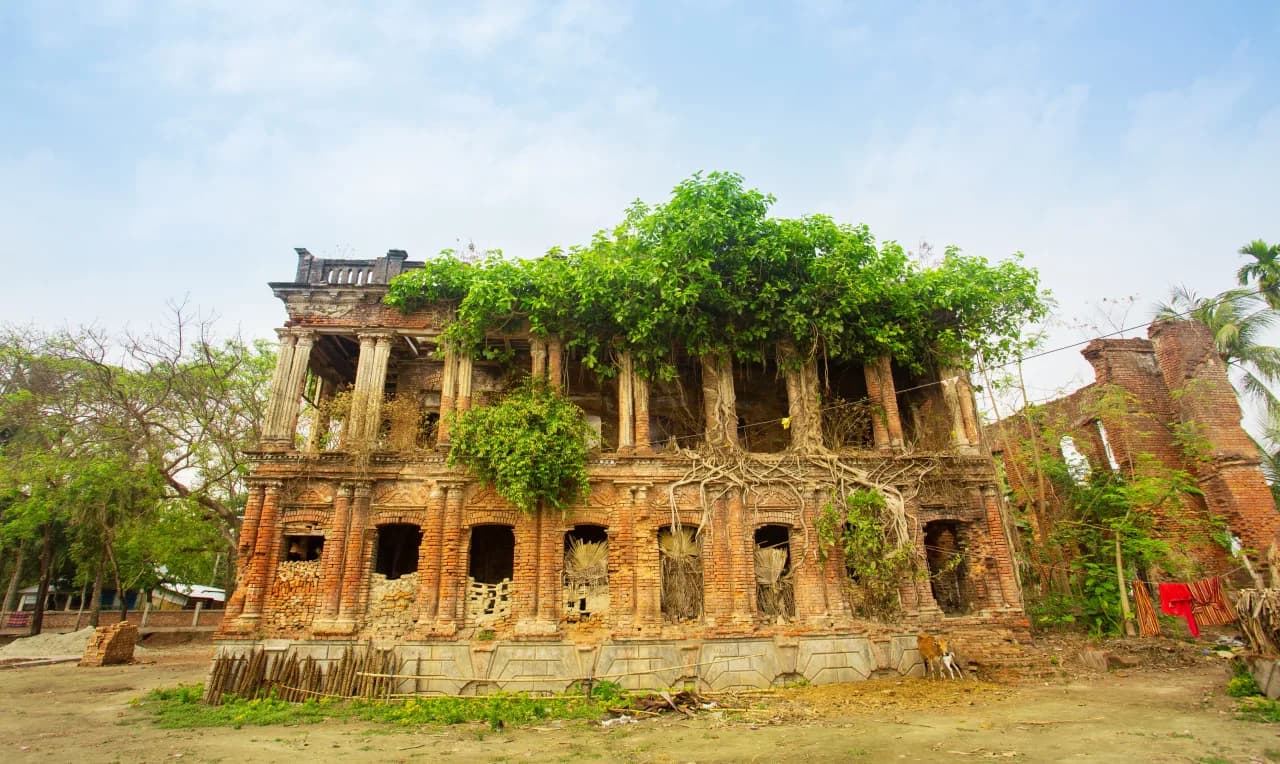
Discover Shyamnagar, Satkhira. Plan your trip to explore the entry channels to the Sundarbans, historic temples, and verified eco-lodges or resorts in town. Image credit: Jahangir Alam Onuchcha
Situated where freshwater coastal rivers meet the sweeping tidal estuaries of the Bay of Bengal, Shyamnagar Upazila stands as Bangladesh’s premier land-based gateway to the world’s largest contiguous mangrove forest. Located in the southernmost stretch of Satkhira District, Shyamnagar offers travelers an extraordinary combination of eco-tourism adventures, rich medieval history, and serene riverine wilderness.
Unlike traditional urban travel destinations, a journey to Shyamnagar places you directly on the threshold of the UNESCO World Heritage Site of the Sundarbans. Here, eco-resorts overlook wide tidal channels, spotted deer feed along protected forest edges, and local honey collectors and fishermen maintain centuries-old coastal traditions. Whether you are planning a weekend trip from Satkhira, a wildlife safari into the Sundarbans West Wildlife Sanctuary, or a quiet retreat at a riverside eco-lodge, this comprehensive Shyamnagar travel guide provides all the practical details, verified attractions, and top accommodation choices you need for a seamless trip.
Where is Shyamnagar
Shyamnagar Upazila is situated in the southernmost part of Satkhira District within the Khulna Division of southwestern Bangladesh. It is bordered by Kaliganj and Assasuni Upazilas to the north, Koyra Upazila of Khulna District to the east, the Bay of Bengal to the south, and the international border with West Bengal, India—demarcated by the Hariabhanga and Raimangal rivers—to the west.
Covering an expansive area of over 1,968 square kilometers, more than half of which consists of protected mangrove forests and tidal waterways, Shyamnagar is geographically the largest upazila in Bangladesh. It lies approximately 65 kilometers south of Satkhira District headquarters and roughly 300 kilometers southwest of Dhaka.
Overview
Shyamnagar serves as the primary land-based gateway for travelers exploring the western sector of the Sundarbans mangrove forest. The upazila is defined by an intricate maze of brackish tidal rivers, including the Kholpetua, Malancha, Chuna, Arpangachhia, and Hariabhanga.
For travelers seeking eco tourism Bangladesh experiences, Shyamnagar offers an authentic, sustainable travel setting. Rather than high-rise commercial developments, the region features peaceful eco-cottages, elevated wooden boardwalks, forest range stations, and traditional fishing villages. From watching golden sunsets over the Malancha River to taking early morning boat excursions into quiet mangrove estuaries, Shyamnagar is a sanctuary for nature enthusiasts, wildlife photographers, and heritage travelers.
History and Background
The history of Shyamnagar is closely tied to the medieval kingdom of Jeshore and the famous 16th-century ruler King Pratapaditya, one of the legendary Baro-Bhuyan chieftains who resisted Mughal rule in Bengal. Pratapaditya established his regional capital at Ishwaripur, located within present-day Shyamnagar Upazila. He constructed fortified residences, court buildings, military outposts, and grand religious temples, parts of which still survive today.
During British colonial rule, Shyamnagar developed into a key administrative center for managing the timber and forest resources of the western Sundarbans. In 1972, Shyamnagar Thana was established, eventually becoming an upazila in 1983. In recent decades, the area has developed into a national model for community-based eco-tourism, climate resilience, and mangrove conservation.
Why Visit Shyamnagar
Direct Gateway to the Western Sundarbans: Access the Sundarbans West Wildlife Sanctuary through key forest stations like Burigoalini and Munshiganj.
Immersive Eco-Resorts: Stay at verified eco-lodges built along riverbanks directly facing the mangrove forest line.
Rich Historic Heritage: Discover 16th-century architectural ruins at Ishwaripur, including the historic Jeshoreshwari Kali Temple and royal hamamkhana structures.
Abundant Wildlife Observation: Spot wild spotted deer, saltwater crocodiles, monitor lizards, Gangetic dolphins, and diverse bird species at Kalagachhia Eco Tourism Centre.
Authentic Coastal Culture: Learn about the daily lives of Mawalis (wild honey collectors), Bawalis (woodcutters), and Jalias (traditional fishermen) who sustainably depend on the forest.
Best Time to Visit
The ideal window for visiting Shyamnagar and exploring the surrounding mangroves is during the cool, dry winter months from November to February.
Winter (November to February): Daytime temperatures range between 18°C and 28°C with clear skies and calm river waters. This is the peak season for wildlife viewing, as animals frequently come to the riverbanks to bask in the sun.
Spring / Early Summer (March to May): Temperatures rise to between 28°C and 36°C. April marks the official wild honey collection season (Mawali season) in the forest, offering unique cultural insights, though days can be hot and humid.
Monsoon (June to October): Heavy rainfall and high tides characterize this period. While the mangrove forest becomes exceptionally lush, open boat trips require careful weather monitoring.
Weather and Climate
Shyamnagar experiences a tropical coastal climate influenced by the Bay of Bengal and the vast mangrove forest expanse.
Winter (November to February): Mild and dry with pleasant river breezes. Nighttime temperatures drop to around 12°C to 15°C. Light layers are recommended for early morning boat trips.
Summer (March to May): Hot and humid with occasional afternoon thunderstorms (Nor'westers).
Monsoon (June to October): High rainfall and humidity. Coastal tides rise significantly, transforming the tidal landscapes twice daily.
How to Reach
Road
From Dhaka: Direct intercity buses run daily from Dhaka's Gabtoli, Kalyanpur, and Sayedabad terminals directly to Shyamnagar town and Munshiganj Ghat. Key operators include AK Travels, Hanif Enterprise, Eagle Paribahan, Shohag Paribahan, and Green Line. Route travel via the Padma Bridge through Khulna or Satkhira takes approximately 6.5 to 8 hours.
From Satkhira Town: Local buses, shared legunas, and hired private cars depart regularly from Satkhira Bus Terminal to Shyamnagar (65 km, taking around 1.5 to 2 hours) along the main highway.
From Khulna City: Private rentals or regional buses connect Khulna to Shyamnagar via Chuknagar and Satkhira in about 2.5 to 3 hours.
Waterway
Water transport is essential once you reach the southern border of Shyamnagar. Motorized wooden trawlers, speedboats, and tourist vessels depart regularly from Munshiganj Ghat, Nil Dumur Ghat, and Burigoalini Forest Station across the Kholpetua and Malancha rivers into the forest channels.
Local Transportation
CNG Auto-Rickshaws & Easy Bikes: Readily available throughout Shyamnagar town, connecting local bazaars, Ishwaripur historical sites, and river ports like Munshiganj and Burigoalini.
Motorcycle Taxis: Convenient for quick solo transit along narrower embankments.
Engine Boats & Trawlers: Necessary for reaching Kalagachhia Eco Tourism Centre and exploring mangrove waterways. Private boat rentals are easily arranged at Munshiganj or Burigoalini ghats.
Gateway to the Sundarbans
Understanding the geographical layout of the Sundarbans helps in planning an effective itinerary. The forest is divided into Eastern and Western administrative divisions.
Shyamnagar serves specifically as the primary entry hub for the Western Sundarbans (under the Sundarbans West Forest Division). Core destinations such as Burigoalini, Munshiganj, Nil Dumur, and the Kalagachhia Eco Tourism Centre are located within or right next to Shyamnagar Upazila.
Conversely, other well-known tourist spots in the forest—including Karamjal, Harbaria, Kotka, and Jamtola Sea Beach—are located in the Eastern Sundarbans under Bagerhat District, accessed mainly through Mongla. Distinguishing between these two sectors helps travelers select the correct starting point for their journey.
Mangrove Forest Ecosystem
The mangrove forest ecosystem surrounding Shyamnagar is a remarkable natural landscape. Adapted to tidal flooding and brackish conditions, the forest features specialized plant species with unique survival mechanisms.
Dominant tree species include Sundari (Heritiera fomes), Gewa (Excoecaria agallocha), Keora (Sonneratia apetala), Goran (Ceriops decandra), and Golpata (Nypa fruticans). The trees develop upright breathing roots called pneumatophores that protrude above the mud to take in oxygen during low tide cycles.
Rivers and Coastal Landscape
The water networks around Shyamnagar shape both local life and travel experiences. Wide coastal rivers like the Malancha and Kholpetua create dramatic natural boundaries, while smaller estuaries wind deep into mangrove islands.
Observing the dynamic tides—where water levels shift by several meters twice every day—is one of the most memorable aspects of visiting this coastal region.
Wildlife and Biodiversity
The protected areas accessible from Shyamnagar harbor rich biodiversity:
Mammals: The Royal Bengal Tiger (Panthera tigris tigris), Spotted Deer (Axis axis), Wild Boar, Rhesus Macaque, and Fishing Cat.
Reptiles: Saltwater Crocodiles (Crocodylus porosus), Monitor Lizards, and Burmese Pythons.
Aquatic Life: Gangetic River Dolphins and Irrawaddy Dolphins found in deeper river bends near Nil Dumur and Malancha.
Avian Species: Brown-winged Kingfishers, Stork-billed Kingfishers, White-bellied Sea Eagles, Herons, Egrets, and winter migratory waterfowl.
Local Communities and Livelihood
Life in Shyamnagar is intricately bound to the forest and rivers. Local residents have formed sustainable ways of living alongside protected natural reserves:
Mawalis: Wild honey collectors who enter the mangrove forest during spring under seasonal permits.
Bawalis: Traditional collectors of wood and golpata palm leaves working under forest department regulation.
Jalias & Crab Farmers: Fishermen operating wooden boats along river channels, alongside small-scale mud-crab farming communities.
Culture and Traditions
The coastal culture of Shyamnagar features rich forest folklore, particularly the widespread veneration of Bonbibi, the guardian spirit of the forest.
Before entering the mangroves, honey collectors, fishermen, and woodcutters—regardless of background—pay respects at folk shrines dedicated to Bonbibi, praying for safe return and protection from wild animals. Local oral traditions also feature Gazir Gaan, folk musical performances telling historic legends of the forest.
Religious Heritage
Shyamnagar holds significant historical and religious places of interest. Ishwaripur, situated just 5 kilometers from Shyamnagar town, is home to the famous Jeshoreshwari Kali Temple.
Recognized as one of the 51 sacred Shakti Peethas, the temple draws pilgrims from across the country. Nearby stands the historic Tetulia Jami Masjid, a multi-domed mosque dating back to the 19th century that displays fine traditional Islamic architecture.
Shopping and Local Markets
Pure Sundarbans Wild Honey: Sourced directly during the seasonal harvest. Look for authentic Khulshi or Pashur flower honey at verified shops in Munshiganj and Shyamnagar bazaar.
Handicrafts & Golpata Goods: Mats, hats, and decorative basketry woven from natural nipah palm leaves.
Dry Fish (Shutki): Clean, sun-dried coastal fish available at local riverside markets.
Traditional Food
Fresh Coastal Shrimp & Prawns: Bagda (tiger prawn) and Golda curries cooked with coconut milk, green chillies, and local spices.
Mud Crab Curry: Locally harvested mud crab cooked in a spicy Bengali gravy.
Freshwater & Estuarine Fish: Delicious preparations of Vetki, Parshe, Tangra, and Datina fish caught daily in local brackish rivers.
Traditional Bengali Meals: Steamed rice served with red lentil daal, mashed vegetable dishes (bhorta), and freshly fried coastal fish.
Family Travel
Shyamnagar is an excellent educational destination for families. Children can learn firsthand about mangrove ecology, tidal mechanics, and wildlife conservation. Safe, elevated wooden boardwalks at Kalagachhia Eco Tourism Centre allow family members of all ages to observe deer, monkeys, and forest vegetation comfortably. Family-friendly eco-resorts in Munshiganj offer spacious compound grounds and river views.
Couples Travel
For couples looking for a peaceful getaway away from crowded urban centers, Shyamnagar provides quiet natural surroundings. Enjoying morning tea on a private wooden deck overlooking the misty river, taking sunset boat trips along quiet forest channels, and staying at cozy eco-cottages make Shyamnagar a memorable retreat.
Solo Travel
Solo travelers and nature photographers will find Shyamnagar welcoming, safe, and straightforward to navigate. Local eco-resort managers and experienced forest guides assist in organizing boat trips and entry permits, making solo excursions smooth and rewarding.
Budget Travel
Shyamnagar is well suited for budget-conscious travelers. Using shared CNG auto-rickshaws between Satkhira, Shyamnagar town, and Munshiganj keeps transport costs modest. Joining small groups or sharing hired trawlers for river trips significantly lowers boat expenses.
Responsible Tourism
Zero Littering: Carry all plastic bottles and food packaging back from boat trips and forest areas.
Noise Control: Keep sound levels low during boat trips to avoid disturbing wildlife along the forest banks.
Respect Local Customs: Dress modestly when visiting rural villages and religious sites like Jeshoreshwari Kali Temple.
Support Local Crafts: Purchase honey and local services directly from village vendors to support community livelihoods.
Safety Tips
Life Jackets: Always wear a fitted life jacket during boat travel along coastal rivers and forest channels.
Forest Permits: Always obtain an official Forest Department permit and travel with a registered guide when entering forest reserves.
Sun & Insect Protection: Bring drinking water, wide-brimmed hats, sunscreen, and insect repellent.
Physical Cash: Carry adequate cash, as card processing facilities are rare in rural river ports.
Suggested One-Day Itinerary
08:00 AM – 09:30 AM: Drive from Satkhira Town to Munshiganj Ghat via Shyamnagar (65 km).
10:00 AM – 01:00 PM: Board a hired engine boat from Munshiganj to visit Kalagachhia Eco Tourism Centre. Walk the wooden forest trail, climb the observation tower, and view spotted deer.
01:30 PM – 02:30 PM: Enjoy a traditional coastal lunch featuring fresh prawn or fish curry at a local restaurant in Munshiganj.
03:00 PM – 04:30 PM: Visit the historic Jeshoreshwari Kali Temple and royal Hamamkhana ruins at Ishwaripur.
05:00 PM – 06:00 PM: Watch the sunset over the Malancha River at Nil Dumur before heading back to Satkhira.
Suggested Two-Day Itinerary
Day 1: Western Sundarbans & River Cruise
Morning: Travel to Munshiganj, Shyamnagar; check into your eco-resort along the river.
Mid-Day: Take a motorized boat trip from Burigoalini Ghat into forest channels.
Afternoon: Explore Kalagachhia Eco Tourism Centre and view wildlife from the watchtower.
Evening: Return to your eco-resort; enjoy a traditional dinner and quiet river views.
Day 2: Heritage Sites & Local Culture
Morning: Enjoy sunrise river views followed by a visit to local crab farming villages.
Mid-Day: Explore Ishwaripur heritage sites (Jeshoreshwari Kali Temple and Hamamkhana).
Afternoon: Shop for authentic Sundarbans wild honey in Shyamnagar bazaar before departing.
Suggested Three-Day Itinerary
Day 1: Arrival & Riverside Relaxation
Afternoon: Arrive at your chosen eco-resort in Munshiganj, Shyamnagar.
Late Afternoon: Relax on the river deck overlooking the Kholpetua River; take a short twilight boat excursion.
Evening: Enjoy a freshly cooked coastal dinner at the lodge.
Day 2: Full-Day Forest Sanctuary Exploration
08:00 AM – 04:00 PM: Embark on a day-long boat tour through Burigoalini range channels, visiting Kalagachhia, interior estuaries, and dolphin-spotting locations near Nil Dumur.
Evening: Return to the resort; relax with hot tea and dinner.
Day 3: Historical Exploration & Departure
Morning: Tour Ishwaripur historical landmarks and visit local artisan markets.
Afternoon: Check out from your resort and begin your return trip to Satkhira, Khulna, or Dhaka.
TOURIST ATTRACTIONS
Attractions Inside Shyamnagar
Kalagachhia Eco Tourism Centre
Overview: Situated within the Burigoalini Range of the Sundarbans West Division, Kalagachhia is the primary government-maintained eco-tourism site in Shyamnagar Upazila.
Why Visit: Reached by a 30-minute boat ride from Munshiganj or Burigoalini, it features an elevated wooden boardwalk through the forest, an observation tower, a crocodile pond, and roaming spotted deer.
Ecological Significance: Fosters environmental education and wildlife protection within the mangrove forest reserve.
Visitor Experience: Walk safely along high wooden walkways surrounded by wild monkeys, deer, and native bird species.
Photography Opportunities: Panoramas from the observation tower across river channels, deer portraits, and mangrove canopy views.
Best Season: November to March.
Approximate Visit Duration: 2 to 3 hours.
Nearby Accommodation Options: Barsa Resort, Sushilan Eco Cottage, and Sundarban Tiger Roar Resort in Munshiganj.
Burigoalini Forest Range Station
Overview: Burigoalini is the main administrative range station for the Sundarbans West Forest Division in Shyamnagar.
Why Visit: This is the primary hub for obtaining official entry permits, arranging certified forest guides, and starting river boat excursions.
Ecological Significance: Central base for forest conservation, tiger monitoring, and visitor safety management.
Visitor Experience: See forest department vessels, learn about local conservation efforts, and meet forest rangers.
Photography Opportunities: River ghat activity, forest range monuments, and anchored patrol boats.
Best Season: Year-round (best November to February).
Approximate Visit Duration: 1 hour.
Nearby Accommodation Options: Sushilan Eco Cottage, Barsa Resort.
Munshiganj & Riverfront Ghats
Overview: Munshiganj is the main tourist village located along the Kholpetua River directly facing the Sundarbans forest line.
Why Visit: It serves as the accommodation and dining hub in Shyamnagar, home to leading eco-resorts and boat departure points.
Ecological Significance: Key transition point linking mainland transport with coastal forest communities.
Visitor Experience: Active morning fish markets, peaceful evening walks along river decks, and direct boat departures.
Photography Opportunities: Sunsets over wide rivers, wooden trawlers, and coastal river scenes.
Best Season: October to March.
Approximate Visit Duration: Continuous transit base / overnight stay.
Nearby Accommodation Options: Barsa Resort, Sundarban Tiger Roar Resort, Sushilan Eco Cottage.
Nil Dumur BGB Camp & Viewpoint
Overview: Situated near the meeting point of the Kholpetua and Arpangachhia rivers, Nil Dumur is an important border guard post and scenic viewpoint.
Why Visit: Known for wide river vistas where multiple channels meet, making it an excellent spot for watching coastal sunsets.
Ecological Significance: Key border monitoring post and river traffic management station.
Visitor Experience: Relaxing river views, cool breezes, and occasional dolphin sightings in deep water channels.
Photography Opportunities: Broad sunset landscapes over converging river waters.
Best Season: November to March.
Approximate Visit Duration: 1 to 2 hours.
Nearby Accommodation Options: Eco-resorts in Munshiganj (8 km away).
Ishwaripur Heritage Complex (Jeshoreshwari Temple & Hamamkhana)
Overview: Located 5 km from Shyamnagar town, Ishwaripur contains the historic capital ruins of King Pratapaditya from the late 16th century.
Why Visit: Features the historic Jeshoreshwari Kali Temple (a major pilgrimage destination), the royal Hamamkhana (bathhouse) with vaulted brick domes, and nearby mosque ruins.
Cultural Significance: Important religious and historic site representing medieval Bengal's architectural heritage.
Visitor Experience: Quiet spiritual setting, exploration of historic brick structures, and peaceful rural surroundings.
Photography Opportunities: Terracotta brick domes, ancient temple sanctum, and surrounding trees.
Best Season: Year-round.
Approximate Visit Duration: 1.5 to 2 hours.
Nearby Accommodation Options: Shyamnagar Upazila Dak Bungalow; or eco-resorts in Munshiganj (15 km away).
Mandarbaria Sea Beach & Wildlife Sanctuary
Overview: A remote coastal beach and sanctuary area situated deep in the southern part of Shyamnagar Upazila where the Hariabhanga and Raimangal rivers reach the Bay of Bengal.
Why Visit: An untouched coastal sandbar beach backed by dense mangroves, recognized as an important nesting location for sea turtles.
Ecological Significance: Protected sanctuary zone for marine and coastal wildlife.
Visitor Experience: Remote ocean beach setting requiring forest permits and long boat travel.
Photography Opportunities: Open beach landscapes, mangrove estuaries, and coastal waters.
Best Season: December to February (requires calm sea conditions).
Approximate Visit Duration: Full-day boat expedition.
Nearby Accommodation Options: Day trip via live-aboard boat; base accommodation at Munshiganj eco-resorts.
Nearby Attractions
Karamjal Wildlife Rescue Center (Mongla / Bagerhat)
Overview: Located in the Eastern Sundarbans under Bagerhat District near Mongla (approx. 90 km away).
Why Visit: Features a saltwater crocodile breeding center, deer park, elevated wooden walkways, and a visitor museum.
Ecological Significance: Well-known conservation and education center in the eastern forest sector.
Visitor Experience: Family-friendly walking trails and informative exhibits.
Nearby Accommodation Options: Hotels in Mongla Town or Khulna City.
Jamtola Sea Beach & Kotka Sanctuary (East Sundarbans)
Overview: Situated deep within the East Sundarbans sanctuary zone near Kotka (Bagerhat District).
Why Visit: Known for tiger tracks along sandy trails, observation towers, deer herds, and a quiet beach facing the Bay of Bengal.
Visitor Experience: Reached via multi-day live-aboard cruise ships departing from Khulna or Mongla.
Nearby Accommodation Options: Overnight stays aboard licensed tourist vessels.
HOTELS & ACCOMMODATION
When coordinating travel logistics for Shyamnagar, Satkhira, visitors will find a distinct and well-organized hospitality environment. Shyamnagar Upazila is widely recognized as the primary national gateway to the southwestern Sundarbans mangrove forest. Because it acts as a launchpad for deep-forest ecotourism, international climate research, and coastal aquaculture tracking, it features its own specialized ecosystem of verified eco-lodges, premium nature resorts, and sustainable community properties right inside the upazila boundaries.
Unlike more remote agricultural areas where travelers are forced to commute from a separate district town, visitors to Shyamnagar can safely base themselves directly within the sub-district municipal lines. This allows you to experience immediate proximity to the mangrove boat ghats, coastal river routes, and local heritage structures like the historic 500-year-old Ishwaripur Jeshoreswari Kali Temple or the ruins of Pratapaditya’s Palace, while enjoying functional modern amenities, secure vehicle space, and local dining halls.
Recommended Eco-Lodges and Resorts Inside Shyamnagar Upazila
Barsa Resort
Location: Strategically situated along the main highway corridor in the Munshiganj Union of Shyamnagar Upazila, positioned immediately adjacent to the primary entry channels of the Sundarbans forest.
Nearby Attractions: Sundarbans forest entry gates, Chunamari River trails, and local community ecotourism paths. It functions as the premier commercial resort-style base directly inside the upazila.
Best Suited For: Families, premium corporate teams, international eco-tourists, and wildlife photographers seeking independent compound security.
Verified Room Categories: Executive AC Cottages, Deluxe AC Twin Rooms, and Standard Non-AC Cottages.
Dining Facilities: Features an on-site traditional multi-cuisine restaurant serving fresh coastal shrimp curries, traditional subcontinental platters, and standard breakfast set options.
Parking: Expansive, walled perimeter compound providing secure surface parking for private passenger cars and tourist microbuses.
Family Friendliness: Highly family-friendly, offering spacious cottage configurations, beautifully landscaped walking lawns, security checkpoints, and a quiet overall atmosphere appropriate for children.
Reasons Travelers Choose the Property: Chosen explicitly because it is the largest commercial resort operating directly within the upazila borders, offering reliable backup power grids and direct boat-ghat trip mapping assistance.
Shushilan Eco Resort & Training Center
Location: Positioned in a quiet eco-friendly sector near the central Munshiganj area within Shyamnagar Upazila.
Nearby Attractions: Local mangrove preservation nurseries, Malancha River embankments, and traditional honey-harvesting villages.
Best Suited For: Institutional research teams, climate scientists, NGO officials, and eco-conscious independent travelers.
Verified Room Categories: Standard AC Twin Rooms, General Non-AC Double Rooms, and Budget Dormitory Beds (available for research cohorts).
Dining Facilities: Features a spacious institutional dining space serving organic, locally sourced Bengali set meals, fresh river fish, and traditional breakfast items.
Parking: Secure open-air compound parking spaces managed safely inside the facility's perimeter fence line.
Family Friendliness: Offers a peaceful, educational setting with basic multi-bed setups adequate for brief family environmental excursions.
Reasons Travelers Choose the Property: Favored by travelers for its excellent cleanliness parameters, highly reasonable room tariffs, professional administrative management, and focus on sustainable, community-linked tourism practices.
Joar Ecotourism Resort
Location: Situated along the scenic coastal river paths in the Munshiganj Union of Shyamnagar Upazila.
Nearby Attractions: Mangrove forest boundary lines, local fishing docks, and rural mud-walled coastal village pathways.
Best Suited For: Backpackers, nature lovers, solo researchers, and travelers who prefer authentic, community-driven nature stays over conventional city hotels.
Verified Room Categories: Traditional Eco-Cottages (crafted from local materials like bamboo and golpata) and Essential Non-AC Double Bed units.
Dining Facilities: Provides localized meal assistance focusing on authentic rural coastal recipes, including fresh crab dishes and sundarban honey-glazed teas.
Parking: Basic parking options for cars and motorcycles available near the compound layout.
Family Friendliness: Suitable for utility-focused educational family stays looking to experience rustic coastal life up close, though it lacks commercial playground machinery.
Reasons Travelers Choose the Property: Uniquely chosen for its rustic charm, peaceful riverside views, very affordable price structures, and immediate access to booking local engine boats for river cruising.
Shyamnagar Zilla Parishad Dak Bungalow
Location: Situated right within the central administrative compound inside Shyamnagar Upazila boundaries.
Nearby Attractions: Shyamnagar Upazila Parishad offices, central town marketplaces, and the historic Ishwaripur Jeshoreswari Kali Temple tracks.
Best Suited For: Government officers, NGO field representatives, institutional workers, and budget travelers requiring basic, localized rest house amenities directly inside the upazila boundaries.
Verified Room Categories: Standard Non-AC Rest Rooms (operated under official district administrative jurisdiction).
Dining Facilities: Access to a shared local kitchen layout where basic Bengali meals can be custom-arranged on demand by coordinating directly with the resident caretaker.
Parking: Small open-air perimeter courtyard parking spaces available inside the gated complex.
Family Friendliness: Intended for basic utility-driven lodging, lacking commercial family recreation, child-centric play setups, or commercial hotel room service.
Reasons Travelers Choose the Property: It is uniquely chosen because it is one of the few official government administrative rest houses operating directly inside Shyamnagar Upazila, offering a secure base for localized field work.
Recommended Stays in Nearby Central Hubs (Serving Shyamnagar)
Hotel Sultan (Satkhira Sadar)
Location: Positioned right along the primary Jessore-Satkhira Highway corridor in the Polashpole area of Satkhira Sadar, providing a highly accessible municipal launchpad roughly 60 kilometers north of Shyamnagar.
Nearby Attractions: Local public transport bus stands, retail markets, corporate banking branches, and city administrative offices, serving as an urban base before heading down to the deep coast.
Best Suited For: Corporate officials, solo business travelers, family groups, and short-stay visitors seeking standard urban comforts.
Verified Room Categories: Executive AC Rooms, Standard AC Rooms, and budget-friendly Non-AC Double/Single Rooms.
Dining Facilities: Provides an active room service desk delivering traditional subcontinental dishes and Bangladeshi set menus, with immediate walkability to popular town diners.
Parking: Dedicated, secure vehicle parking spaces managed efficiently for resident guests within the property parameters.
Family Friendliness: Highly family-friendly, offering a clean indoor climate, dependable security protocols, and spacious room configurations suitable for children.
Reasons Travelers Choose the Property: Selected for its excellent cleanliness, central placement in the main district town, helpful staff behavior, and highly reliable standby power generator systems.
LOCAL FOOD
Coastal cuisine in Shyamnagar highlights fresh seafood from local brackish rivers and estuaries:
Bagda & Golda Chingri: Premium tiger prawns and giant freshwater prawns prepared in mustard gravies, coconut milk curries (chingri malai curry), or fried with garlic and spices.
Mud Crab Curry: Fresh mud crab cooked in a rich Bengali spice gravy.
Freshwater & Estuarine Fish: Vetki (Barramundi), Parshe, Tangra, and Datina fish cooked in light broths or fried in mustard oil.
Sundarbans Wild Honey: Taste pure wild honey served over breakfast parathas or mixed into warm tea at eco-resort dining halls.
PRACTICAL TRAVEL INFORMATION
Mobile Network Coverage: Good 4G voice and data coverage from major networks (Grameenphone, Robi, Banglalink, and Teletalk) is available across Shyamnagar town, Munshiganj, and Burigoalini. Signals drop in deeper forest channels beyond Kalagachhia.
ATM Availability: Bank ATMs operate in Shyamnagar town. However, ATMs are limited in Munshiganj; carry sufficient cash for boat rentals, tips, and village purchases.
Emergency Medical Services:
Healthcare: Shyamnagar Upazila Health Complex in Shyamnagar town provides basic emergency care. Major hospitals are located in Satkhira Sadar and Khulna City.
Police Services: Shyamnagar Police Station (Emergency Helpline: Dial 999).
Suggested Packing List:
Light cotton clothing (neutral colors like green, khaki, or brown are recommended for nature walks).
Comfortable walking shoes or sturdy sandals.
Wide-brim hat, sunglasses, and sunscreen.
Insect repellent.
Power bank for mobile devices and cameras.
Light jacket or sweater for early morning boat trips during winter.
Frequently Asked Questions
What is Shyamnagar famous for?
Shyamnagar is famous as the main land-based eco-tourism gateway to the western Sundarbans in Bangladesh, known for its mangrove forests, Kalagachhia Eco Tourism Centre, wildlife, and historic places like Jeshoreshwari Kali Temple.
How far is Shyamnagar from Satkhira Town?
Shyamnagar Upazila is located about 65 kilometers south of Satkhira Town center, taking roughly 1.5 to 2 hours by road.
Is Kalagachhia Eco Tourism Centre located in Shyamnagar?
Yes, Kalagachhia Eco Tourism Centre is located within the Burigoalini Range under Shyamnagar Upazila, reached by a 30-minute boat trip from Munshiganj Ghat.
What is the best season to visit Shyamnagar?
The best time to visit is from November to February (winter), when the weather is mild, river conditions are calm, and wildlife viewing along the riverbanks is at its peak.
Are there good eco-resorts in Shyamnagar?
Yes, Munshiganj in Shyamnagar features well-rated eco-resorts like Barsa Resort, Sushilan Eco Cottage, and Sundarban Tiger Roar Resort, offering air-conditioned rooms, river views, and dining services.
How do I reach Shyamnagar from Dhaka?
Direct intercity AC and Non-AC buses run daily from Dhaka (via Padma Bridge and Khulna/Satkhira) directly to Shyamnagar and Munshiganj in 6.5 to 8 hours.
Is a forest permit required to visit the Sundarbans from Shyamnagar?
Yes, official entry permits issued by the Forest Department at Burigoalini or Munshiganj Range Office are required before entering protected forest channels or eco-tourism sites.
Is Karamjal located in Shyamnagar?
No, Karamjal Wildlife Rescue Center is located in the Eastern Sundarbans near Mongla in Bagerhat District. Shyamnagar gives access to the Western Sundarbans (Kalagachhia, Burigoalini, Nil Dumur).
Can I see Royal Bengal Tigers in Shyamnagar?
While tigers inhabit the Sundarbans West Wildlife Sanctuary surrounding Shyamnagar, direct tiger sightings are rare. Visitors frequently spot tiger paw prints along mudflats, along with wild deer and crocodiles.
Is Shyamnagar suitable for family travel?
Yes, Shyamnagar is safe and welcoming for families. Guided boat trips and elevated boardwalks at Kalagachhia provide safe wildlife viewing for visitors of all ages.
What local food should I try in Shyamnagar?
Try fresh coastal tiger prawns, spicy mud crab curry, wild-caught Vetki fish, and pure Sundarbans honey.
Are digital payments accepted in Shyamnagar eco-resorts?
While major eco-resorts in Munshiganj accept bank transfers or mobile payments, carrying cash is recommended for boat hires, local transport, and bazaar purchases.
Conclusion
Shyamnagar Upazila offers one of the most rewarding eco-tourism experiences in South Asia. Where coastal rivers meet the protected wilderness of the western Sundarbans, this unique destination allows travelers to leave city routines behind and explore mangrove ecosystems, abundant wildlife, and rich coastal traditions.
By selecting verified eco-resorts in Munshiganj or comfortable hotel bases in Satkhira, you can enjoy a perfect combination of nature adventure and hospitality. Plan your visit to Shyamnagar today, discover the magic of the Sundarbans, and book your verified accommodations through our trusted travel platform for a memorable Bangladeshi journey.
Until your next adventure.
— Resortian
▶Watch Video
About the Author
Nasir Khan
Travel Editor
I’m Nasir Khan, sharing travel stories and destinations around Bangladesh. My blog covers places to visit, experiences, and travel inspiration. Explore Bangladesh one journey at a time with me.