

All ArticlesDestination Guide
Sujanagar, Pabna: Travel Guide, Regional Attractions & Stays
N
Nasir Khan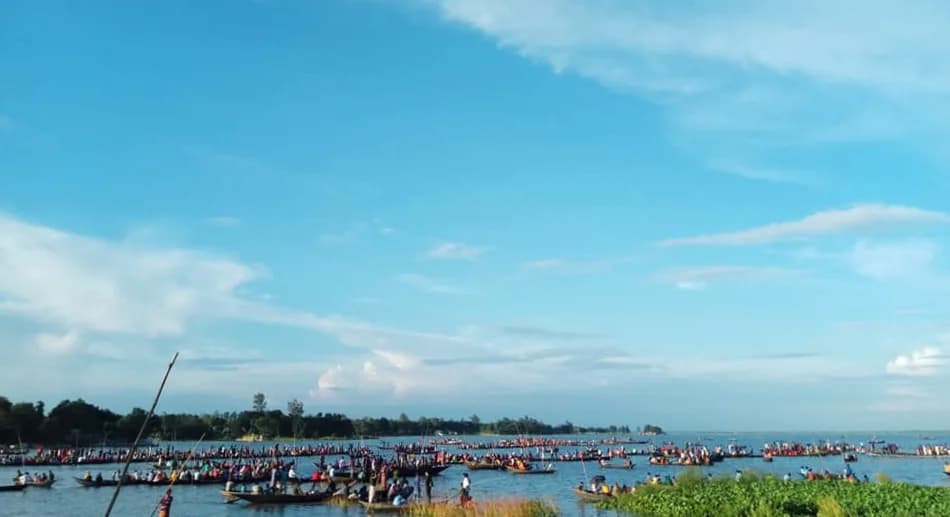
Discover Sujanagar, Pabna. Plan your trip to explore its riverfront networks, expansive Gajnar Beel, local culture, and verified accommodations nearby. Image credit: Aminul, Deloar Akram
Nestled along the sweeping northern banks of the mighty Padma River, Sujanagar Upazila in Pabna District represents the quintessential beauty of rural Bangladesh. Known throughout the region for its expansive wetlands, fertile alluvial plains, historical zamindar palaces, and thriving agricultural countryside, Sujanagar offers travelers a peaceful escape from urban noise. Whether you are seeking a serene weekend trip in Pabna, exploring the vast waters of Gajnar Beel, or taking in sunset views along the Padma riverside, this guide provides complete travel insights alongside verified hotel options across Pabna District to ensure a smooth, comfortable journey.
Where is Sujanagar
Sujanagar is an upazila located in the southeastern portion of Pabna District within the Rajshahi Division of northwestern Bangladesh. It covers an area of roughly 338 square kilometers. To its south, the Padma River forms a natural boundary separating Sujanagar from Rajbari District. Santhia Upazila lies to the north, Bera Upazila borders it to the east, and Pabna Sadar Upazila sits to the west. Sujanagar town, the upazila headquarters, is positioned approximately 35 kilometers east of Pabna Sadar town and around 160 kilometers west of the capital city, Dhaka.
Overview
Sujanagar Upazila is a region defined by its intimate relationship with water and agriculture. The landscape is shaped by centuries of silt deposition from the Padma and Atrai rivers, creating rich farmland that produces a major share of the nation's onions, earning the region a reputation as an agricultural powerhouse. Beyond its fields, Sujanagar features Gajnar Beel, a massive wetland complex consisting of sixteen interconnected body systems that transform into an inland sea during the monsoon. Combine this natural beauty with historical colonial-era zamindar estates and busy river ferry ghats, and Sujanagar stands out as an authentic destination for rural tourism Bangladesh travelers.
History and Background
The history of Sujanagar is tied to the Mughal period and Bengal's landlord aristocracy. According to regional historical records, the area was formerly known as Govindaganj. In 1660 CE, Mughal Prince Shah Shuja, fleeing after a war of imperial succession, camped in the area for three nights with his forces while en route toward Arakan. In honor of his stay, the local town was renamed Sujanagar, meaning the city of Shuja.
During the British colonial period, Sujanagar emerged as an administrative center, with a police station (thana) established in 1872 before being elevated to an upazila in 1983. The region was heavily influenced by prominent zamindars, most notably the Muslim landlords of Dulai (led by Azim Chowdhury) and the Hindu zamindars of Tantibanda (led by Vijaya Govinda Chowdhury). During the Sepoy Revolt of 1857, the riverbanks of Sujanagar served as crucial checkpoints along the Padma and Jamuna river routes. Today, the surviving architectural ruins and shrines across the upazila remain living testaments to this storied past.
Why Visit Sujanagar
Sujanagar appeals to travelers looking for authentic experiences away from commercialized tourist hubs. Reasons to visit include:
Unspoiled riverine landscapes along the broad Padma riverside, ideal for afternoon strolls and photography.
Gajnar Beel during the monsoon, offering boat rides across mirror-like waters filled with water lilies and migratory birds.
Historical architecture including 19th-century zamindar estates and ancient Sufi shrines.
Rich agricultural heritage, where you can witness traditional farming, onion harvesting, and vibrant local village markets.
Easy accessibility from Pabna Sadar, allowing visitors to enjoy rustic rural explorations while staying in full-service hotels in Pabna town.
Best Time to Visit
The ideal period to visit Sujanagar depends on the kind of experience you are seeking:
Monsoon Season (July to October): Best for river tourism Bangladesh enthusiasts. Rainwater fills Gajnar Beel and the Padma River reaches its peak volume, turning the countryside into a watery expanse ideal for boat trips.
Winter Season (November to February): Best for comfortable weather, heritage walks, birdwatching, and sightseeing. Temperatures are mild, ranging between 12°C and 25°C. Migratory birds flock to the wetlands, and walking through villages is pleasant.
Late Spring (March to April): Excellent for witnessing the massive onion and winter crop harvests across the dried beds of Gajnar Beel and surrounding fields.
Weather and Climate
Sujanagar experiences a tropical wet and dry climate typical of northern Bangladesh. Summers (April to June) are warm and humid, with temperatures occasionally exceeding 35°C. The monsoon season brings heavy rainfall and high humidity from June through September, revitalizing the wetlands. Winter (December to January) is dry, clear, and cool, with cool breezes rolling off the Padma River during morning and evening hours.
How to Reach
Reaching Sujanagar is straightforward due to well-maintained road networks connecting Pabna District with Dhaka and other major northern cities.
Road
Traveling by road is the most popular option. Direct AC and non-AC intercity buses operated by major coach companies run frequently from Dhaka's Kalyanpur and Gabtoli bus terminals to Pabna Sadar (C&B Mor or Pabna Bus Terminal). The journey takes approximately 4 to 5 hours via the N5 national highway crossing the Jamuna Bridge, or via the Padma Bridge route depending on the service. From Pabna town, local buses, CNG auto-rickshaws, or private hired vehicles reach Sujanagar town in about 45 minutes along the Pabna-Sujanagar highway.
Rail
The nearest railhead is Pabna Railway Station, located in Pabna Sadar town, approximately 30 kilometers from Sujanagar. Intercity trains connecting Dhaka's Kamalapur Station with Pabna or nearby Ishwardi Junction include the Chitra Express, Sundarban Express, and Benapole Express. From Pabna Railway Station, travelers can hire a private car or ride a CNG auto-rickshaw directly to Sujanagar.
Waterway
Nazirganj Ghat in Sujanagar is a major river port on the Padma River. Regular engine-driven boat ferry services connect Nazirganj Ghat with Lauhajang, Dhalarchor, and Rajbari District on the southern side of the Padma. Travelers coming from Rajbari or Faridpur can cross the river by ferry to arrive directly in Sujanagar.
Local Transportation
Navigating Sujanagar Upazila is convenient using local transport modes:
CNG Auto-Rickshaws: The most common mode for traveling between Pabna town, Sujanagar market, Dulai, and Satbaria.
Battery-Powered Easy Bikes: Perfect for short trips within Sujanagar town, local villages, and nearby river ghats.
Traditional Wooden Boats: Essential for exploring Gajnar Beel or cruising along the Padma River. Boats can be hired by the hour at Khoyran Bridge, Nazirganj Ghat, or Satbaria Ghat.
Private Cars/Microbuses: Recommended for families or groups who prefer day tours originating from hotels in Pabna town.
Padma River Landscape
The Padma River shapes the geographical and cultural identity of Sujanagar. Stretching along the southern border of the upazila, the river creates an ever-shifting landscape of wide sandbars (chars), deep open channels, and lush green embankments. The Satbaria shore area features a scenic paved riverside road often called the "Local Marine Drive" by residents. Walking along this embankment during late afternoon provides sweeping views of traditional wooden fishing boats operating on the water, cool river breezes, and sunsets over the water.
Agriculture and Rural Heritage
Sujanagar is recognized as the agricultural center of Pabna District, producing vast quantities of onions, garlic, paddy, jute, and winter vegetables. The seasonal transition of the land is dramatic: during winter and spring, as the floodwaters recede from Gajnar Beel, thousands of acres of nutrient-rich silt bed turn into green carpeted onion fields. Visitors can walk through tranquil farming hamlets, observe traditional bullock-plowing or tractor farming, and watch local families harvesting, curing, and packing agricultural produce for markets across Bangladesh.
Rivers and Natural Environment
The hydrologic network of Sujanagar includes the Padma River, the Atrai River, and the central depression of Gajnar Beel. This aquatic environment supports rich freshwater biodiversity, including native fish species such as Hilsa, Rui, Katla, Boal, Pabda, and Tengra. The wetlands serve as crucial feeding grounds for resident waterbirds like egrets, herons, and kingfishers, as well as migratory waterfowl during winter months.
Local Culture
Life in Sujanagar moves at the unhurried pace of traditional rural Bengal. The culture revolves around agricultural cycles, river fishing, and community gatherings at local village markets (haats). Local artisans engage in traditional crafts, wood boat building, and bamboo weaving. Neighbors maintain strong social bonds, welcoming visitors with genuine warmth and hospitality.
Religious and Cultural Heritage
Sujanagar reflects a harmonious blend of religious traditions and historical Sufi heritage. Prominent sites include the Shatania Mazar (mausoleum) of Sufi saint Shah Mahtab Uddin Awliya in Pukurania village, Sagarkandi Union, which attracts spiritual seekers from across the district. Historical Hindu temple structures, such as the Hemrajpur Shiva Temple and Durga Mandir, showcase regional architectural heritage alongside central mosques like Sujanagar Bazar Jame Masjid and Dulai Bazar Jame Masjid.
Festivals and Community Life
Community life shines during major religious and cultural celebrations. Eid-ul-Fitr and Eid-ul-Adha are marked by community prayers, family feasts, and bustling village bazaars. Durga Puja is celebrated with colorful temple decorations and immersion processions along the Padma River. Traditional boat races (Nouka Baich) are occasionally organized in Gajnar Beel or the Padma River during monsoon months, drawing cheering crowds from neighboring upazilas.
Shopping and Local Markets
Shopping in Sujanagar centers around traditional village bazaars and weekly markets (haats):
Sujanagar Market: The main commercial hub offering fresh local produce, regional sweets, traditional clothing, and daily household goods.
Dulai Bazaar: Famous for local agricultural trade, particularly during the onion harvesting season.
Kashinathpur Bazaar: Located nearby near the Bera-Sujanagar border, known as a major trading hub for fresh produce and regional handicrafts.
Visitors often buy fresh Padma River fish, local pure ghee, milk sweets, and seasonal organic vegetables directly from farmers at these markets.
Traditional Food
Food in Sujanagar highlights fresh, home-cooked regional flavors centered on river fish and local produce:
Padma River Hilsa (Ilish): Freshly caught Hilsa pan-fried in mustard oil or cooked in a mustard-seed gravy (Sorshe Ilish) served at riverside eateries near Nazirganj Ghat.
Gajnar Beel Fish Delicacies: Small freshwater fish curry cooked with green chili, local onions, and coriander.
Traditional Bengali Thali: Steamed aromatic rice served with mashed vegetables (bhorta), thick red lentils (dal), and seasonal curry.
Local Sweets: Fresh milk-based sweets, curds (doi), and regional para sandesh produced in Pabna District.
Family Travel
Sujanagar is an educational and peaceful destination for family travel. Children and adults alike enjoy open spaces, boat rides across Gajnar Beel, and learning about rural farm life firsthand. Kanchan Park near Satbaria offers a pleasant green space along the riverside for family picnics, relaxing afternoons, and safe outdoor walks.
Couples Travel
Couples seeking a quiet, scenic escape will find Sujanagar's countryside captivating. Enjoying a private boat ride on Gajnar Beel during sunset, taking afternoon walks along the tree-lined embankments of the Padma River, and photographing historic zamindar ruins offer romantic, relaxed experiences away from commercial tourist crowds.
Solo Travel
Solo travelers and backpackers will find Sujanagar safe, welcoming, and easy to navigate. Locals are eager to assist with directions and boat rentals. Exploring rural roads by bicycle or electric auto-rickshaw offers an immersive view into everyday village life and photography opportunities.
Budget Travel
Sujanagar is an extremely budget-friendly destination. Entrance to natural sites like Gajnar Beel, the Padma riverside, and historical ruins is completely free. Local transport options like Easy Bikes and buses cost only a few taka per ride, while boat rentals shared among travelers are reasonably priced. Delicious, authentic Bengali meals at local bazaars cost a fraction of city restaurant prices.
Responsible Tourism
When exploring Sujanagar, practicing responsible tourism helps protect the natural ecology and respects local culture:
Avoid littering plastic bags, bottles, or food wrappers in Gajnar Beel or along the Padma River embankments.
Respect the privacy of local villagers when photographing homes, farm activities, or community bathing ghats.
Hire local boatmen and purchase produce, snacks, and meals from local market vendors to directly support the rural economy.
Wear modest clothing that respects regional rural customs.
Safety Tips
Always wear life jackets when taking boat trips on the Padma River or deep waters of Gajnar Beel, especially during the monsoon season when currents can be strong.
Stay hydrated and use sun protection (hats, sunglasses, sunscreen) when exploring open wetlands and riverbanks during midday hours.
Carry sufficient cash in Bangladesh Taka (BDT), as mobile financial services are widely accepted, but traditional ATMs are limited outside major market centers.
Start your return journey to Pabna town before late evening, as local transport options become less frequent after dark.
Suggested One-Day Itinerary
08:00 AM – Depart Pabna Sadar town by private vehicle or CNG auto-rickshaw toward Sujanagar.
09:00 AM – Arrive at Dulai Union to explore the historic Dulai Zamindar Bari (Azim Chowdhury's Rajbari) complex.
11:00 AM – Drive to Gajnar Beel at Khoyran Bridge. Hire a wooden boat for a 1.5-hour tour across the vast wetland waters.
01:30 PM – Head to Satbaria Padma Riverside or Nazirganj Ghat for a traditional lunch featuring fresh Padma Hilsa or local river fish at a riverside eatery.
03:00 PM – Relax at Kanchan Park and walk along the Satbaria riverside embankment ("Local Marine Drive").
05:00 PM – Enjoy sunset views over the Padma River at Nazirganj Ghat while sipping local hot tea.
06:30 PM – Return to Pabna Sadar town for evening dining and overnight stay at your chosen hotel.
Suggested Two-Day Itinerary
Day 1:
Morning: Travel from Pabna to Sujanagar. Visit Dulai Zamindar Bari and Tantibanda Zamindar Bari ruins.
Afternoon: Experience an extended boat trip on Gajnar Beel near Sharirvita and Khoyran Bridge. Enjoy a rustic fish lunch at a local bazaar.
Evening: Watch sunset at Satbaria Padma shore, relax at Kanchan Park, and return to Pabna Sadar for a comfortable stay at Ratnodweep Resort or Rupkotha Eco Resort.
Day 2:
Morning: Breakfast at your resort. Visit Nazirganj Ferry Ghat to watch bustling river commerce and take a cross-river boat excursion.
Afternoon: Travel back toward Pabna Sadar to visit nearby attractions like the historic House of Suchitra Sen and Jor Bangla Temple.
Evening: Shop for famous Pabna sweets and regional handicrafts in Pabna town before departing for Dhaka or your next destination.
TOURIST ATTRACTIONS
Sujanagar Upazila and its surrounding areas in Pabna District feature a mix of natural wetlands, riverfronts, and historical monuments.
Attractions inside Sujanagar
Gajnar Beel (গাজনার বিল)
Overview: Gajnar Beel is a vast wetland complex located in the center of Sujanagar Upazila, comprising 16 interconnected beels covering thousands of acres. A narrow paved road cuts directly through the middle of the wetland, dividing the water body into two expanses.
Why Visit: It offers one of the most striking aquatic landscapes in Rajshahi Division, especially during monsoon when water touches the edges of the road.
Significance: A major ecological feature and economic lifeblood of Sujanagar, providing natural fish breeding grounds in monsoon and fertile agricultural soil in winter.
Visitor Experience: Visitors can walk or drive along the central road, hire traditional wooden boats at Khoyran Bridge, observe fishermen at work, and spot migratory waterbirds.
Photography Opportunities: Stunning wide-angle reflection shots of sky and water, flying egrets, bow-shaped Khoyran Bridge, and wooden boats.
Best Season: July to October for water views and boat rides; December to February for winter birdwatching and crop harvest landscapes.
Approximate Visit Duration: 2 to 3 hours.
Nearby Accommodation: Stay in Pabna Sadar (e.g., Ratnodweep Resort or Rupkotha Eco Resort, ~35 km west).
Satbaria Padma Riverside & Kanchan Park
Overview: Satbaria is a scenic village along the Padma River in Sujanagar featuring an embankment road nicknamed "Local Marine Drive" and the adjacent Kanchan Park.
Why Visit: Excellent venue for enjoying unobstructed Padma River vistas, cool breezes, family strolls, and relaxing picnic spots.
Significance: Serves as a vital flood defense structure and prime recreational riverfront for residents and visitors.
Visitor Experience: Relaxing environment where tourists can sit in green park areas, walk along paved embankments, and watch riverboats navigate the Padma.
Photography Opportunities: Golden hour sunset shots over the wide Padma River, open river horizons, and green park trails.
Best Season: Year-round; late afternoon hours are best.
Approximate Visit Duration: 1.5 to 2 hours.
Nearby Accommodation: Pabna Sadar hotels and resorts (~30 km away).
Dulai Zamindar Bari (Azim Chowdhury's Rajbari)
Overview: Located in Dulai Union of Sujanagar, this 19th-century zamindar palace complex was founded by Munshi Rahimuddin Chowdhury and expanded by his son, the influential landlord Azim Chowdhury.
Why Visit: A fascinating stop for history buffs and heritage lovers exploring colonial-era Bengali landlord architecture.
Significance: Historically connected to the British colonial period and the anti-colonial Sepoy Revolt of 1857.
Visitor Experience: Visitors can view the classical brick masonry archways, inner courtyards, court chambers, and old gateway structures.
Photography Opportunities: Architectural photography of weathered brick arches, vintage doorways, and historic ruins.
Best Season: October to March (dry season).
Approximate Visit Duration: 1 hour.
Nearby Accommodation: Pabna Sadar accommodation options (~28 km away).
Nazirganj Ferry Ghat
Overview: A busy river port located on the Padma Riverbank in Sujanagar, serving as a primary transportation link between Pabna District and Rajbari District.
Why Visit: To witness bustling river transportation, board passenger ferries, and enjoy fresh fried Hilsa fish at local riverfront stalls.
Significance: Key commercial river gateway connecting North Bengal with South-Western Bangladesh.
Visitor Experience: Vibrant atmosphere filled with cargo boats, passenger engine boats, local food stalls, and river breezes.
Photography Opportunities: Dynamic shots of riverboats launching, fishermen landing daily catches, and open river vistas.
Best Season: Year-round.
Approximate Visit Duration: 1 to 2 hours.
Nearby Accommodation: Pabna Sadar accommodations (~35 km away).
Nearby attractions
House of Suchitra Sen (Pabna Town)
Overview: The ancestral residence of Legendary Indian Bengali cinema actress Suchitra Sen, situated in Hazi Rabiul Karim Sarani, Pabna Sadar.
Why Visit: A cultural shrine for film lovers celebrating the legacy of one of South Asia's most iconic screen legends.
Significance: Preserved historical building converted into a cultural memory center documenting her life and cinematic journey.
Visitor Experience: View archival photographs, movie posters, personal memorabilia, and well-preserved living rooms.
Photography Opportunities: Courtyard gardens, vintage brick facade, and curated historical exhibits.
Best Season: Year-round.
Approximate Visit Duration: 1 hour.
Nearby Accommodation: Located right within Pabna Sadar near major hotels like Ratnodweep Resort and Rupkotha Eco Resort.
Jor Bangla Temple (Pabna Sadar)
Overview: A historic 18th-century terracotta Hindu temple located in Navagram/Pabna Sadar, built in the traditional Jor-Bangla (twin-hut) architectural style.
Why Visit: One of the finest surviving examples of classical terracotta brick temple architecture in Rajshahi Division.
Significance: Features intricate terracotta reliefs depicting scenes from ancient epics, floral motifs, and period social life.
Visitor Experience: Quiet heritage site where visitors can inspect detailed brick carvings on the temple exterior.
Photography Opportunities: Close-up macro photography of historical terracotta tiles and twin-roof architectural silhouette.
Best Season: Year-round.
Approximate Visit Duration: 30 to 45 minutes.
Nearby Accommodation: Pabna Sadar town hotels (~2-3 km distance).
Paksey Hardinge Bridge & Lalon Shah Bridge (Ishwardi)
Overview: Located approximately 55 km west of Sujanagar in Paksey, Ishwardi Upazila, Hardinge Bridge is a historic steel railway truss bridge built over the Padma River in 1915, running parallel to the modern Lalon Shah road bridge.
Why Visit: An engineering marvel offering breathtaking views of the Padma River, historic steel trusses, and riverside eco-parks.
Significance: One of the oldest and most famous railway bridges in South Asia.
Visitor Experience: Strolling through Paksey bridge area, visiting the riverside tea stalls, and watching trains cross the historic bridge.
Photography Opportunities: Dramatic structural photography of steel spans against river sunsets and train crossings.
Best Season: Year-round; monsoon and post-monsoon months offer full river flow.
Approximate Visit Duration: 2 hours.
Nearby Accommodation: Hotels in Ishwardi or luxury resorts in Pabna Sadar.
HOTELS & ACCOMMODATION
When coordinating travel logistics for Sujanagar, Pabna, visitors should note that formal commercial hotels and multi-story private tourist resorts do not operate directly inside the upazila boundaries. Sujanagar Upazila is a prominent riverine territory and agricultural zone—historically recognized for its sweeping onion farming trade, local handloom weaving clusters, and its direct access to the seasonal waters of Gajnar Beel and the Padma River—meaning its local infrastructure is configured around rural markets and farming unions. Aside from basic government inspection bungalows used strictly for official administrative personnel, formal commercial overnight options are unavailable inside the upazila itself.
Consequently, the most practical and secure choice for travelers exploring Sujanagar is to utilize the expanded hospitality network situated nearby. The most complete selection of verified commercial accommodations is located a short drive west in central Pabna Sadar (town), sitting roughly 18 to 22 kilometers away. Basing yourself in central Pabna town provides direct access to public transport networks, regional highway transit nodes, standby power generators, secure vehicle parking spaces, and varied dining facilities. This arrangement allows you to smoothly commute to Sujanagar's landmarks—such as the historic 14th-century Hatiara Mosque or the natural wetlands—while ensuring access to essential modern comforts.
Recommended Hotels in Pabna Sadar (Serving Sujanagar)
Hotel Ratnodip Resort
Location: Situated along the main bypass highway corridor in the central town area of Pabna Sadar, keeping travelers connected to the principal regional roads running east toward Sujanagar Upazila.
Nearby Attractions: Pabna Mental Hospital historical grounds, Anukulchandra Satsang Ashram, and central district markets. It serves as a highly robust hospitality launch point for the entire division.
Best Suited For: Corporate officials, international researchers, families, and leisure travelers who require premium district amenities.
Verified Room Categories: Executive AC Rooms, Deluxe King Rooms, Twin Sharing Suites, and Standard Non-AC Rooms.
Dining Facilities: Features an active multi-cuisine in-house restaurant serving traditional Bangladeshi platters, subcontinental curries, and standard continental-style breakfast spreads.
Parking: Expansive, secure, dedicated open-air and underground vehicle parking compound monitored continuously by on-site staff.
Family Friendliness: Highly family-friendly, featuring spacious room configurations, clean indoor climates, elevator access, and beautifully landscaped outdoor walking paths appropriate for children.
Reasons Travelers Choose the Property: Chosen explicitly for its premium local service quality, highly professional administrative management, 24-hour backup generator systems, and immaculate cleanliness parameters.
Hotel Moon Residential
Location: Located right in the heart of the city along the principal merchant street tracks inside central Pabna Sadar.
Nearby Attractions: Central municipal administrative hubs, corporate banking offices, and regional retail clothing bazaars.
Best Suited For: Families, budget travelers, corporate field officers, and solo researchers seeking central city lodgings.
Verified Room Categories: Economy Single Rooms, Standard Double Rooms, and Deluxe AC Rooms.
Dining Facilities: Provides prompt room service support, with fast walkability to local traditional restaurants and sweet shops operating immediately downstairs.
Parking: Limited street-level vehicle or motorcycle parking alternatives available nearby.
Family Friendliness: A highly dependable and safe environment for family units, providing clean rooms, functional elevator access, and a quiet overall indoor climate.
Reasons Travelers Choose the Property: Selected for its strategic position at the city's commercial core, highly reliable utility backup systems, consistent room cleanliness, and professional staff behavior.
Pabna Circuit House
Location: Positioned in a protected, lush green administrative enclave near the Deputy Commissioner's Office in central Pabna Sadar.
Nearby Attractions: Central public administrative grounds, collectorate offices, city municipal park zones, and the main District Administrative Complex.
Best Suited For: Government officers, state guests, development organization personnel, and authorized institutional visitors exploring the district.
Verified Room Categories: VIP AC Suites and General Non-AC Guest Rooms (managed under official district administrative jurisdiction).
Dining Facilities: Features an in-house institutional dining hall serving freshly prepared traditional Bengali meals cooked to order for resident guests by dedicated staff.
Parking: Secure, walled compound parking with extensive space for official vehicles and private passenger cars.
Family Friendliness: Highly appropriate for families of eligible officials, featuring quiet landscaped garden lawns, strict security checkpoints, and immaculate room maintenance.
Reasons Travelers Choose the Property: Chosen for its high security standards, completely calm environment, pristine grounds, official administrative oversight, and immediate proximity to government offices.
Government Accommodation Inside Sujanagar Upazila
Sujanagar Dak Bungalow
Location: Situated right within the central administrative compound inside Sujanagar Upazila boundaries.
Nearby Attractions: Sujanagar Upazila Parishad offices, local agricultural trading squares, and adjacent rural marketplaces.
Best Suited For: Government officers, NGO field representatives, rural researchers, and travelers requiring basic, localized rest house amenities directly inside the upazila boundaries.
Verified Room Categories: Standard Non-AC Rest Rooms (operated under official district administrative jurisdiction).
Dining Facilities: Access to a shared local kitchen layout where basic Bengali meals can be arranged on demand by coordinating directly with the resident caretaker.
Parking: Small open-air perimeter courtyard parking spaces available inside the gated complex.
Family Friendliness: Intended for basic utility-driven official lodging, lacking commercial family recreation, child-centric play setups, or commercial hotel room service.
Reasons Travelers Choose the Property: It is uniquely chosen because it is the primary official government administrative rest house operating directly inside Sujanagar Upazila, offering a secure base for localized field work.
LOCAL FOOD
Culinary experiences in Sujanagar celebrate fresh ingredients from local rivers and fertile farm soils.
Padma Hilsa Delicacies: The highlight of any trip to Sujanagar is tasting fresh Hilsa (Ilish) caught from the Padma River. Local eateries near Nazirganj Ghat fry Hilsa slices fresh in mustard oil and serve them alongside piping hot rice, fried green chilies, and oil gravy.
Fresh Beel Fish Curries: Gajnar Beel produces abundant freshwater species such as Pabda, Tengra, Rui, Katla, and Shing fish. Local village bazaars prepare light fish curries seasoned with cumin, mustard paste, and fresh green chilies.
Vegetable Bhortas: Due to Sujanagar's farming heritage, meals feature a variety of mashed vegetable dishes (bhortas), including mashed eggplant (begun bhorta), potato (aloo bhorta), raw banana, and mustard paste condiments.
Regional Sweets & Dairy: Pabna District is renowned across Bangladesh for its pure milk sweets. Be sure to try local para sandesh, fresh milk curds (doi), and sweet chamcham at sweet shops in Sujanagar market or Pabna town.
PRACTICAL TRAVEL INFORMATION
Road Connectivity: Excellent highway connections linking Dhaka, Pabna Sadar, and Sujanagar. Roads between Pabna town and Sujanagar are paved and smooth.
Railway Access: Nearest passenger train hub is Pabna Railway Station (30 km away) or Ishwardi Junction (50 km away).
Local Bus & Auto Services: Local CNG auto-rickshaws and Easy Bikes run continuously between Pabna C&B Mor and Sujanagar market from early morning until 8:00 PM.
Mobile Network Coverage: Strong 4G mobile network signal available across Sujanagar Upazila from major telecom operators including Grameenphone, Robi, Teletalk, and Banglalink.
ATM & Banking Availability: Main commercial bank branches and bKash/Nagad mobile banking agents operate in Sujanagar market and Dulai. For 24/7 international card ATMs, use bank branches in Pabna Sadar town.
Emergency Services:
Emergency Helpline: Call 999 for nationwide police, ambulance, or fire services.
Sujanagar Health Complex: Upazila Health Complex located near Sujanagar town center for basic medical services.
Sujanagar Police Station: Located in Sujanagar town center.
Suggested Packing List: Lightweight cotton clothing, sun hat, sunglasses, sunscreen, insect repellent for wetland areas, comfortable walking shoes, camera gear, and a portable power bank.
Photography Etiquette: Ask politely before taking close-up portraits of local villagers or fishermen. Photography at public landscapes and river ghats is welcomed.
FAQ
Is Sujanagar safe for tourists?
Yes, Sujanagar is a peaceful, welcoming, and safe destination for domestic and international travelers. Local communities are hospitable toward visitors.
Where is the best place to stay when visiting Sujanagar?
Since options inside Sujanagar upazila are limited to basic rest houses, most travelers stay in Pabna Sadar town at full-service properties like Ratnodweep Resort or Rupkotha Eco Resort, located just 35 minutes away by car.
What is Sujanagar famous for?
Sujanagar is famous for the vast Gajnar Beel wetland, scenic Padma River embankments at Satbaria and Nazirganj, historic zamindar estates in Dulai, and being a major onion-producing region in Bangladesh.
How far is Sujanagar from Pabna town?
Sujanagar town is approximately 30 to 35 kilometers east of Pabna Sadar town, which translates to a 35 to 45-minute drive by private car or CNG auto-rickshaw.
What is the best season to visit Gajnar Beel?
The monsoon season (July to October) is best if you want to see Gajnar Beel full of water and enjoy boat rides. Winter (November to February) is best for pleasant weather and birdwatching.
Can I hire boats at Gajnar Beel and Padma River?
Yes, traditional wooden engine boats can easily be hired by the hour at Khoyran Bridge for Gajnar Beel or at Nazirganj Ghat and Satbaria Shore for Padma River trips.
How do I travel from Dhaka to Sujanagar?
Take an intercity bus from Dhaka (Kalyanpur/Gabtoli) to Pabna Sadar town, or take a train to Pabna Railway Station. From Pabna town, hire a CNG auto-rickshaw or private car directly to Sujanagar.
What local food should I try in Sujanagar?
Do not miss fresh Padma River Hilsa fish fry, freshwater fish curry from Gajnar Beel, local vegetable bhortas, and famous Pabna milk sweets like para sandesh.
Are there good family-friendly attractions in Sujanagar?
Yes, Kanchan Park near Satbaria shore, boat tours on Gajnar Beel, and exploring Dulai Zamindar Bari are excellent, safe activities for families with children.
Is mobile internet available in Sujanagar?
Yes, all major mobile operators in Bangladesh offer reliable 4G coverage across Sujanagar town, Gajnar Beel surroundings, and along the Padma riverside.
Are credit cards widely accepted in Sujanagar?
Credit cards are accepted at major resorts and hotels in Pabna Sadar town (such as Ratnodweep Resort). However, local bazaars, food stalls, and boatmen in Sujanagar require cash in Bangladesh Taka (BDT).
Can I visit Sujanagar on a day trip from Pabna Sadar?
Yes, a day trip from Pabna Sadar is the most popular way to explore Sujanagar. You can easily cover Dulai Rajbari, Gajnar Beel, Satbaria, and Nazirganj Ghat in a single day before returning to your hotel in Pabna.
CONCLUSION
Sujanagar Upazila stands as one of Pabna District's most captivating travel destinations, offering visitors an authentic blend of river scenery, expansive wetlands, rich agricultural landscapes, and historic zamindar heritage. From watching the sunset over the broad waters of the Padma River at Satbaria to cruising through the calm waters of Gajnar Beel, a trip to Sujanagar reveals the natural rhythm of rural Bangladesh. By choosing verified hotels and eco-resorts in nearby Pabna Sadar, travelers can enjoy modern comforts, fine dining, and seamless hospitality while exploring this remarkable countryside. Plan your journey today, secure your accommodation through a trusted hotel booking platform, and discover the peaceful riverside charm of Sujanagar.
Until your next adventure.
— Resortian
▶Watch Video
About the Author
Nasir Khan
Travel Editor
I’m Nasir Khan, sharing travel stories and destinations around Bangladesh. My blog covers places to visit, experiences, and travel inspiration. Explore Bangladesh one journey at a time with me.